

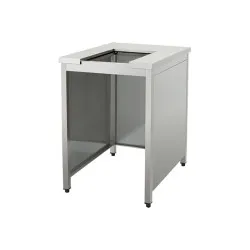
Article number: A11SZ01001
An automatic dough divider portions a continuous stream of dough into equal pieces by volume, elimin..
Is available
589.00€
with VAT: 712.69€
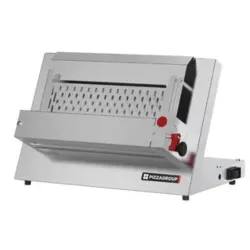
Article number: P05MO25004
The PIZZA GROUP M35 A is a dough sheeter designed for professional use. This machine allows for the ..
Is available
849.00€
with VAT: 1,027.29€
Article number: P05MO25005
The PIZZA GROUP M42 A is a dough sheeter, an electromechanical appliance designed for rolling dough...
Is available
899.00€
with VAT: 1,087.79€
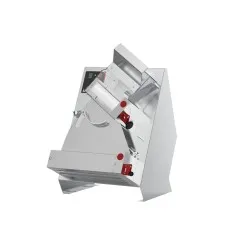
Article number: P05RO24033
The PIZZA GROUP RM32 A is a dough sheeter designed for rolling dough. This type of machine works by ..
Is available
899.00€
with VAT: 1,087.79€
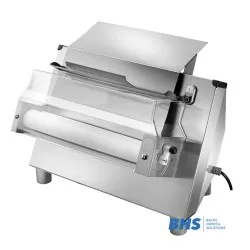
Article number: BHS-FIM42
The FIMAR BHS-FIM42 is a dough sheeter designed for professional kitchens. This type of equipment op..
Is available
949.00€
with VAT: 1,148.29€
Article number: P05RO24034
The PIZZA GROUP RM35 A is a dough sheeter, a type of machine designed for rolling dough into uniform..
Is available
999.00€
with VAT: 1,208.79€
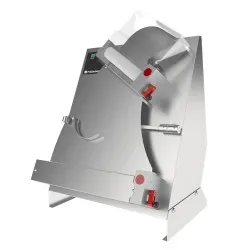
Article number: P05RO24035
A dough sheeter flattens and stretches dough by passing it between two rotating rollers. The rollers..
Is available
1,079.00€
with VAT: 1,305.59€
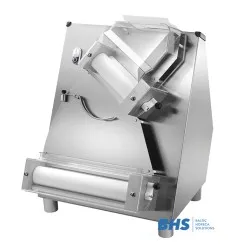
Article number: BHS-FI32N
This machine is part of the electromechanical equipment category and is specifically used for dough ..
Is available
1,129.00€
with VAT: 1,366.09€
Article number: P05RO24036
A dough sheeter flattens and stretches dough by passing it between two motor-driven rollers. The rol..
Is available
1,149.00€
with VAT: 1,390.29€
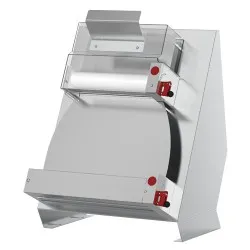
Article number: P05RP24016
The PIZZA GROUP M42 TA is a dough sheeter, an electromechanical appliance designed for rolling dough..
Is available
1,149.00€
with VAT: 1,390.29€
Article number: P05RP24017
The PIZZA GROUP M45 TA is a dough sheeter.
This machine operates by passing dough through a pair of ..
Is available
1,169.00€
with VAT: 1,414.49€
Article number: BHS-FI42N
This type of machine operates by passing dough between two counter-rotating rollers. The gap between..
Is available
1,229.00€
with VAT: 1,487.09€
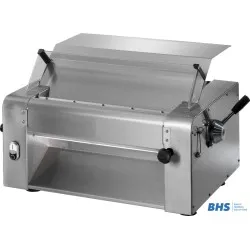
Article number: BHS-SI320
A dough sheeter flattens and stretches dough by passing it between two rotating rollers. The rollers..
Is available
2,079.00€
with VAT: 2,515.59€
Article number: TF600
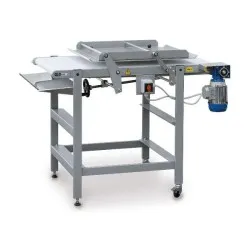
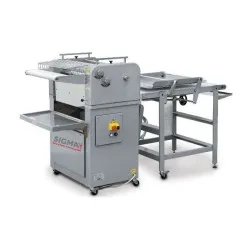
A long loaf moulder shapes dough into uniform batons ready for proofing and baking. The process begi..
Is available
2,429.00€
with VAT: 2,939.09€
-250x250h.webp "Dough sheeter PIZZA GROUP P02VT01001")
Article number: P02VT01001
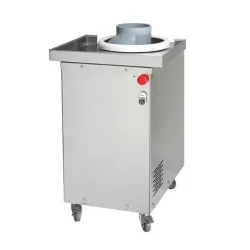
A rounding machine shapes irregular dough pieces into smooth, uniform balls ready for proving or bak..
Is available
2,499.00€
with VAT: 3,023.79€
Article number: BHS-SI520
The FIMAR BHS-SI520 is a dough rolling machine designed for professional use. Its construction featu..
Is available
2,820.00€
with VAT: 3,412.20€
Article number: S5BM
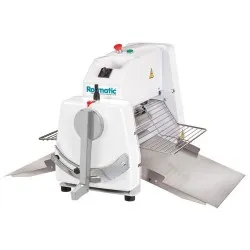
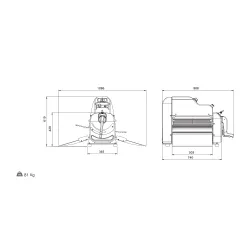
A manual dough sheeter flattens and stretches dough by passing it between two adjustable rollers. Th..
Is available
3,189.00€
with VAT: 3,858.69€
Article number: SH50B/05
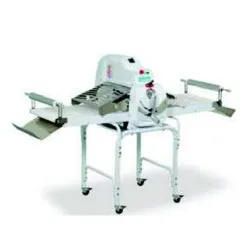
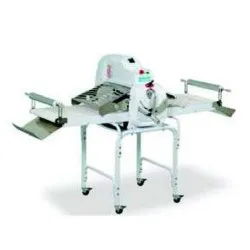
A manual dough sheeter flattens and stretches dough by passing it between two adjustable rollers. Th..
Is available
3,249.00€
with VAT: 3,931.29€
Article number: P06PF02051
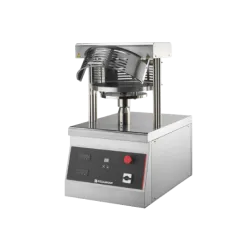
This PIZZA GROUP pizza dough press, article P06PF02051, is designed for creating pizza bases without..
Is available
3,349.00€
with VAT: 4,052.29€
Article number: P06PF02050
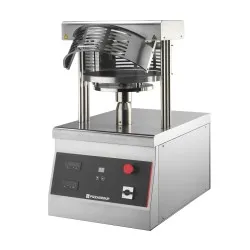
A pizza dough press flattens dough between two heated plates, replacing hand-stretching with consist..
Is available
3,499.00€
with VAT: 4,233.79€
Article number: SH500/08
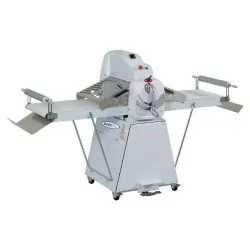
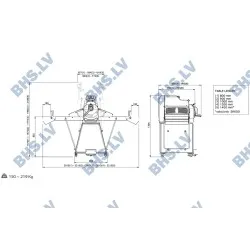
A manual dough sheeter flattens and stretches dough by passing it between two rollers. The operator ..
Is available
3,589.00€
with VAT: 4,342.69€
Article number: SH60B/10
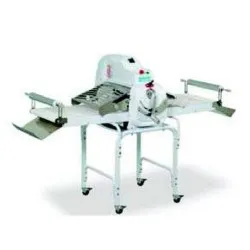
A manual dough sheeter flattens and stretches dough by passing it between two smooth rollers. The ro..
Is available
3,599.00€
with VAT: 4,354.79€
Article number: SH600/10
A manual dough sheeter flattens and stretches dough by passing it between two rollers. The operator ..
Is available
3,699.00€
with VAT: 4,475.79€
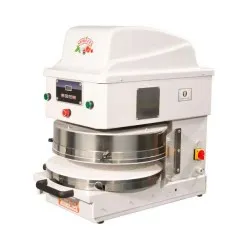
Article number: SPRIZZA40
A dough press that shapes pizza bases without heat uses pressure to stretch the dough evenly across ..
Is available
3,799.00€
with VAT: 4,596.79€
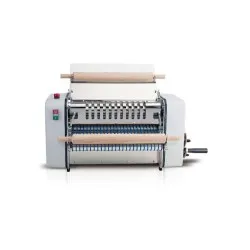
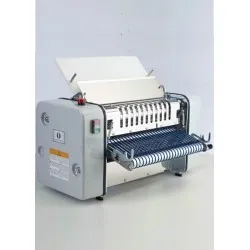
Article number: T50
A vertical dough rolling machine shapes and stretches dough sheets without manual effort, using a pa..
Is available
3,799.00€
with VAT: 4,596.79€
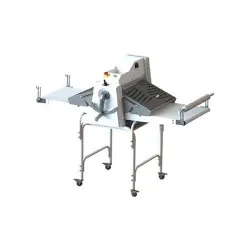
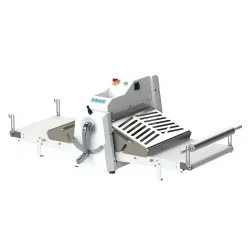
Article number: R50B/07
A manual dough sheeter for rolling out pastry, bread dough or pizza bases without motorised power. T..
Is available
3,829.00€
with VAT: 4,633.09€
Article number: R50B/08
A manual dough sheeter transforms bulk dough into uniform sheets without mechanical pressure that ca..
Is available
3,869.00€
with VAT: 4,681.49€
Article number: P02VT01002
A rounding machine shapes dough balls from divided portions, giving them a smooth, even surface and ..
Is available
3,889.00€
with VAT: 4,705.69€
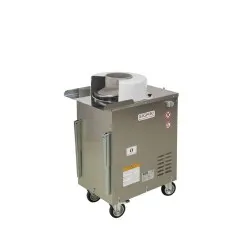
Article number: SFERA
A screw rounder shapes dough into uniform balls without compressing the gluten structure. The rotati..
Is available
3,899.00€
with VAT: 4,717.79€
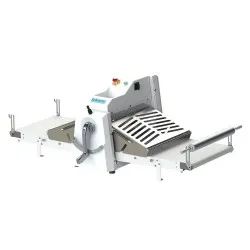
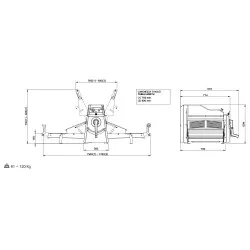
Article number: R55B/07
The ROLLMATIC R55B/07 is a manual dough sheeter for preparing dough.
This machine flattens dough bet..
Is available
4,089.00€
with VAT: 4,947.69€
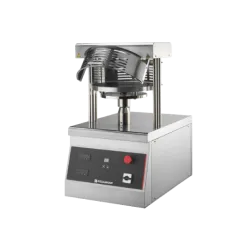
Article number: P06PF02053
A pizza dough press flattens balls of dough between two heated plates, replacing hand-stretching wit..
Is available
4,119.00€
with VAT: 4,983.99€
Article number: R55B/08
The ROLLMATIC R55B/08 is a manual dough sheeter.
This machine processes dough by passing it through ..
Is available
4,139.00€
with VAT: 5,008.19€
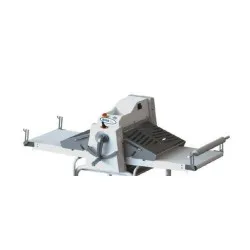
Article number: RC55B/10
The ROLLMATIC RC55B/10 is a manual dough sheeter designed for professional use.
A dough sheeter oper..
Is available
4,149.00€
with VAT: 5,020.29€
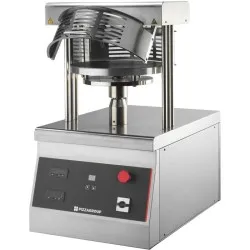
Article number: P06PF02052
A pizza dough press flattens dough between two heated plates, replacing hand-stretching with mechani..
Is available
4,299.00€
with VAT: 5,201.79€
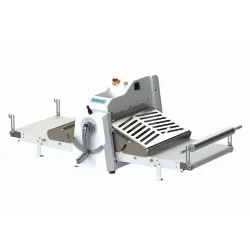
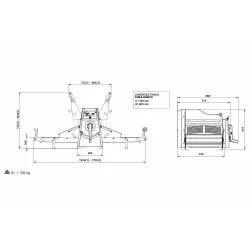
Article number: R50B
The Rollmatic R50B is a manual dough sheeter designed for professional use. This type of appliance o..
Is available
4,309.00€
with VAT: 5,213.89€
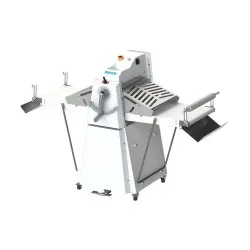
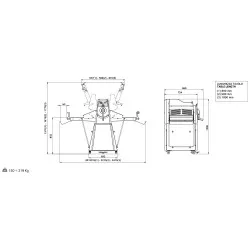
Article number: R50/08
A manual dough sheeter flattens dough evenly by passing it between two rotating cylinders. This proc..
Is available
4,329.00€
with VAT: 5,238.09€
Article number: R50/10
The ROLLMATIC Manual Dough Sheeter R50/10 is a type of dough sheeter designed for professional use.
..
Is available
4,399.00€
with VAT: 5,322.79€
Article number: R50/12
The ROLLMATIC R50/12 is a manual dough sheeter designed for preparing dough. This type of machine op..
Is available
4,449.00€
with VAT: 5,383.29€
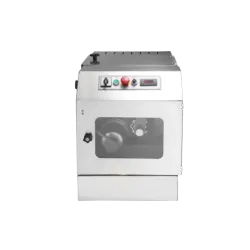
Article number: P14SZ01001
An automatic dough divider shapes large batches of dough into consistent portions without manual wei..
Is available
4,499.00€
with VAT: 5,443.79€
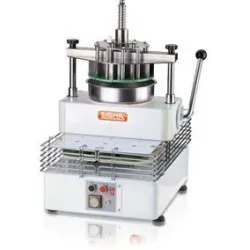
Article number: DR14
This machine automates the process of dividing and shaping dough into uniform portions.
The operatin..
Is available
4,549.00€
with VAT: 5,504.29€
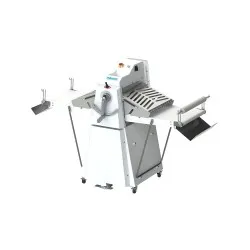
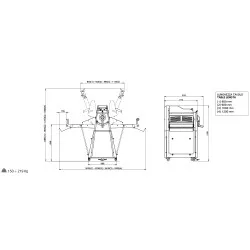
Article number: R55/08
The ROLLMATIC R55/08 is a manual dough sheeter. This machine passes dough through rollers to reduce ..
Is available
4,579.00€
with VAT: 5,540.59€
Article number: R55/10
This manual dough sheeter processes dough by passing it through two rotating cylinders, allowing pre..
Is available
4,639.00€
with VAT: 5,613.19€
Article number: R55/12
The ROLLMATIC R55/12 is a manual dough sheeter designed for professional use. This type of machine o..
Is available
4,689.00€
with VAT: 5,673.69€
Article number: DR11
The SIGMA DR11 is an automatic divider-rounder designed for professional kitchens. This machine auto..
Is available
4,689.00€
with VAT: 5,673.69€
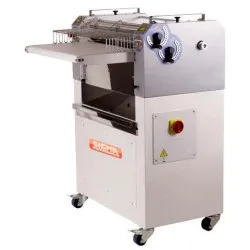
Article number: F600/2
A long loaf moulder shapes dough into uniform banana loaves, baguettes and curled bread without manu..
Is available
4,759.00€
with VAT: 5,758.39€
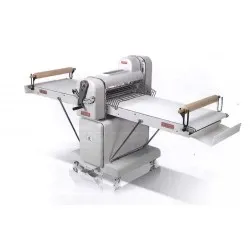
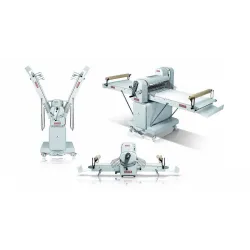
Article number: SFG500B
A dough sheeter stretches and laminates pastry by passing the dough between two rotating cylinders. ..
Is available
4,759.00€
with VAT: 5,758.39€
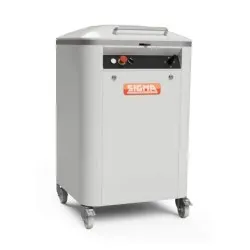
Article number: SQM20
The SIGMA SQM20 is a divider designed for professional kitchens. This machine is suited for dividing..
Is available
4,779.00€
with VAT: 5,782.59€
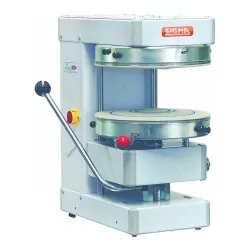
Article number: SPRIZZA50
The SIGMA SPRIZZA50 is a cold system dough press designed for spreading pizza dough. This type of eq..
Is available
4,789.00€
with VAT: 5,794.69€
Article number: SFG500T
A dough sheeter stretches and thins pastry, pasta or bread dough by passing it between two rotating ..
Is available
4,999.00€
with VAT: 6,048.79€
Article number: SFG500TM
The SIGMA SFG500TM is a professional dough sheeter from SIGMA. Dough sheeting machines work by passi..
Is available
5,159.00€
with VAT: 6,242.39€
Article number: SFG600TM
The SIGMA SFG600TM is a professional dough sheeter.
A sheeter works by passing dough between two cou..
Is available
5,379.00€
with VAT: 6,508.59€
Article number: RC55/10
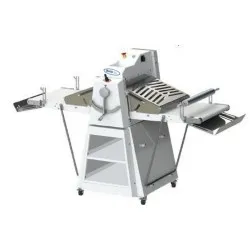
A manual dough sheeter reduces thick dough to an even sheet without tearing or overworking it. Two s..
Is available
5,399.00€
with VAT: 6,532.79€
Article number: SFERAPLUS
A screw rounder shapes dough into uniform balls ready for proofing or baking by guiding each portion..
Is available
5,429.00€
with VAT: 6,569.09€
Article number: SFG600TMM
A dough sheeter stretches and thins pastry by passing it between two rotating cylinders. The cylinde..
Is available
5,639.00€
with VAT: 6,823.19€
Article number: R62/10
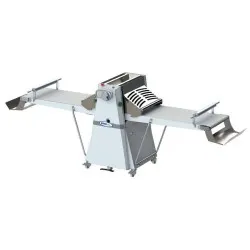
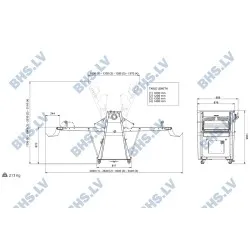
A manual dough sheeter flattens and stretches dough by passing it between two adjustable rollers. Th..
Is available
5,709.00€
with VAT: 6,907.89€
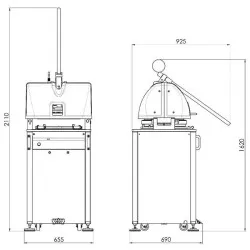
Article number: DIRO DR-M/11
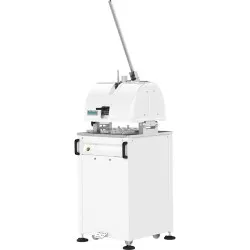
A manual dough divider rounder shapes and portions dough without motorised pressure, using mechanica..
Is available
5,719.00€
with VAT: 6,919.99€
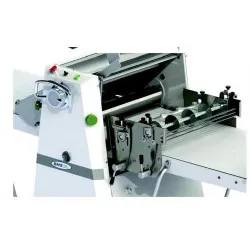
Article number: R62-I/10
The ROLLMATIC R62-I/10 is a manual dough sheeter designed for precise thickness control and efficien..
Is available
5,749.00€
with VAT: 6,956.29€
Article number: R62-I/12
The ROLLMATIC R62-I/12 is a manual dough sheeter designed for professional use. This machine prepare..
Is available
5,789.00€
with VAT: 7,004.69€
Article number: R62/10I
A manual dough sheeter flattens and stretches dough by passing it between two adjustable rollers. Th..
Is available
5,799.00€
with VAT: 7,016.79€
Article number: R62-I/13
A manual dough sheeter converts bulk dough into even sheets without stretching or tearing, using smo..
Is available
5,819.00€
with VAT: 7,040.99€
Article number: DIRO DR-M/15
A manual dough divider rounder shapes and portions dough into uniform balls ready for proving and ba..
Is available
5,839.00€
with VAT: 7,065.19€
Article number: R62-I/14
A manual dough sheeter flattens and stretches dough by passing it between two rotating cylinders. Th..
Is available
5,889.00€
with VAT: 7,125.69€
Article number: R62/12
This manual dough sheeter processes bulk dough into even sheets without stretching or tearing. Two c..
Is available
5,939.00€
with VAT: 7,186.19€
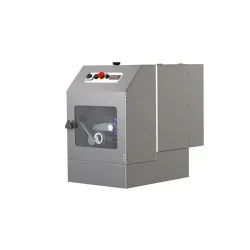
Article number: SA800
An automatic dough divider transforms bulk dough into uniform portions without manual scaling. A hop..
Is available
5,949.00€
with VAT: 7,198.29€
Article number: DIRO DR-M/22
A manual dough divider rounder shapes and portions dough without electricity, using mechanical press..
Is available
5,979.00€
with VAT: 7,234.59€
Article number: R62/13
A manual dough sheeter converts bulk dough into even sheets while maintaining its structure. Two cou..
Is available
5,979.00€
with VAT: 7,234.59€
Article number: R62/14
The Rollmatic R62/14 is a manual dough sheeter designed for bakeries and professional kitchens, enab..
Is available
6,059.00€
with VAT: 7,331.39€
Article number: DIRO DR-M/30
A manual dough divider rounder shapes and portions yeasted dough without cutting or tearing the glut..
Is available
6,099.00€
with VAT: 7,379.79€
Article number: DIRO DR-M/36
A manual dough divider rounder shapes and portions yeasted dough into uniform balls ready for proofi..
Is available
6,219.00€
with VAT: 7,524.99€
Article number: DIRO DR-M/30s
A manual dough divider rounder shapes and portions dough without motorised cutting. The operator loa..
Is available
6,289.00€
with VAT: 7,609.69€
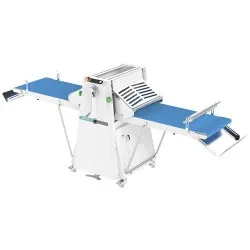
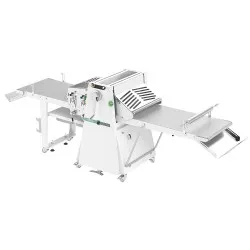
Article number: R65/12
The Rollmatic R65/12 is a manual dough sheeter designed for professional bakeries, allowing precise ..
Is available
6,379.00€
with VAT: 7,718.59€
Article number: R65/14
The Rollmatic R65/14 is a manual dough sheeter designed for professional bakeries. It features adjus..
Is available
6,399.00€
with VAT: 7,742.79€
Article number: DIRO DR-M/52
A manual dough divider rounder shapes equal portions of dough into smooth, uniform balls ready for p..
Is available
6,409.00€
with VAT: 7,754.89€
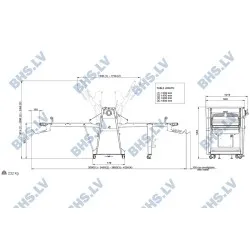
Article number: R65/12I
A manual dough sheeter stretches and laminates dough between adjustable rollers, replacing hand-roll..
Is available
6,449.00€
with VAT: 7,803.29€
Article number: R65-I/12
This manual dough sheeter flattens dough evenly between rotating cylinders, eliminating the need for..
Is available
6,539.00€
with VAT: 7,912.19€
Article number: R65/16
The ROLLMATIC R65/16 is a manual dough sheeter designed for professional use.
Dough sheeters work by..
Is available
6,539.00€
with VAT: 7,912.19€
Article number: R62-T/12
The ROLLMATIC R62-T/12 is a manual dough sheeter designed for bakeries and professional kitchens. It..
Is available
6,559.00€
with VAT: 7,936.39€
Article number: R65-I/14
The ROLLMATIC R65-I/14 is a manual dough sheeter, designed for the precise rolling of dough.
This ty..
Is available
6,599.00€
with VAT: 7,984.79€
Article number: R62-T/13
A dough sheeter stretches and thins dough by passing it between two rotating cylinders. The gap betw..
Is available
6,619.00€
with VAT: 8,008.99€
Article number: R65/18
This manual dough sheeter transforms dough into even sheets without hand rolling, maintaining its st..
Is available
6,629.00€
with VAT: 8,021.09€
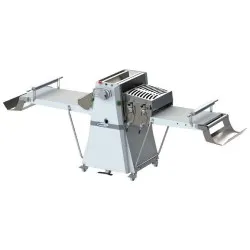
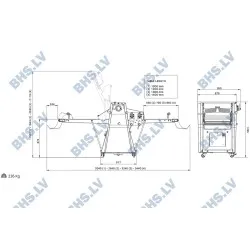
Article number: R62T/12
This manual dough sheeter features inverter control to smooth and stretch dough evenly between adjus..
Is available
6,659.00€
with VAT: 8,057.39€
Article number: R62-T/14
This manual dough sheeter processes bulk dough into even sheets or strips without stretching or tear..
Is available
6,679.00€
with VAT: 8,081.59€
Article number: P14DB01004
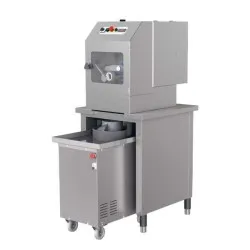
This automatic dough divider-rounder simplifies shaping dough into consistent portions and smooth ba..
Is available
6,799.00€
with VAT: 8,226.79€
Article number: R65-I/16
The ROLLMATIC R65-I/16 manual dough sheeter is designed to flatten and stretch dough efficiently. By..
Is available
6,829.00€
with VAT: 8,263.09€
Article number: R65-I/18
The ROLLMATIC R65-I/18 is a manual dough sheeter, designed for rolling dough. This unit is mounted o..
Is available
6,899.00€
with VAT: 8,347.79€
Article number: R65-T/14
The ROLLMATIC R65-T/14 is a manual dough sheeter designed for professional kitchens. This machine op..
Is available
7,279.00€
with VAT: 8,807.59€
Article number: R65T/14
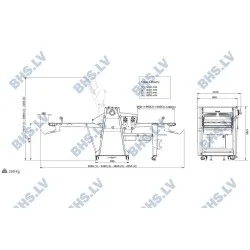
This manual dough sheeter features inverter control to deliver evenly stretched dough without tearin..
Is available
7,329.00€
with VAT: 8,868.09€
Article number: TB30
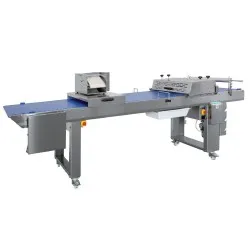
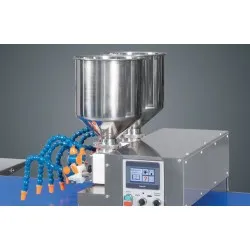
The ROLLMATIC TB30 dough roll automates dough stretching and lamination, replacing manual work with ..
Is available
7,389.00€
with VAT: 8,940.69€
Article number: R65-T/16
This manual dough sheeter processes dough by feeding it between two rotating cylinders, flattening i..
Is available
7,549.00€
with VAT: 9,134.29€
Article number: R65-T/18
The ROLLMATIC R65-T/18 is a manual dough sheeter. This unit is mounted on a base equipped with casto..
Is available
7,759.00€
with VAT: 9,388.39€
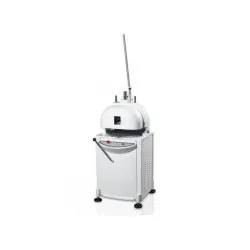
Article number: SPM15
The SIGMA SPM15 is a dough sheeter designed for dividing dough. This machine operates by passing dou..
Is available
7,869.00€
with VAT: 9,521.49€
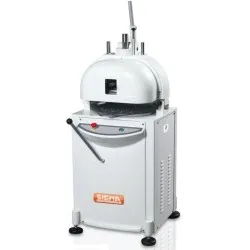
Article number: SPM22
A bun divider shears a single mass of dough into equal portions without weighing each piece. The Sig..
Is available
7,869.00€
with VAT: 9,521.49€
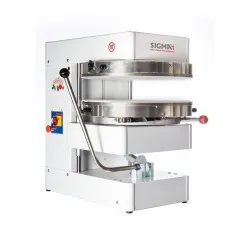
Article number: SPRIZZAAUTOMATIC
The Sigma Sprizza employs rollers to press and stretch dough, avoiding compression from above. This ..
Is available
7,899.00€
with VAT: 9,557.79€
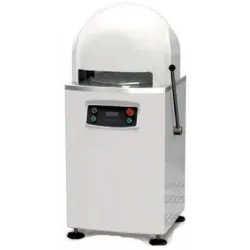
Article number: SPM30
The SIGMA SPM30 is a dough sheeter.
A dough sheeter works by passing dough through a series of rolle..
Is available
7,929.00€
with VAT: 9,594.09€
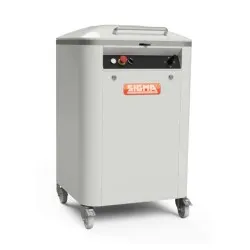
Article number: SQ20
A square dough divider separates soft dough into equal portions without tearing or compressing the g..
Is available
7,939.00€
with VAT: 9,606.19€
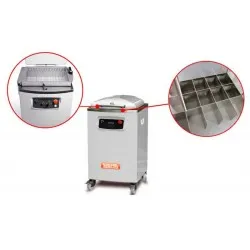
Article number: SQ24
A square dough divider shapes soft dough into uniform pieces for baguettes, long loaves and similar ..
Is available
7,939.00€
with VAT: 9,606.19€
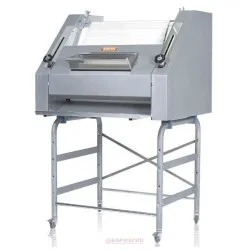
Article number: FB700
A dough sheeter stretches and laminates dough by passing it between rotating cylinders. The SIGMA FB..
Is available
7,949.00€
with VAT: 9,618.29€
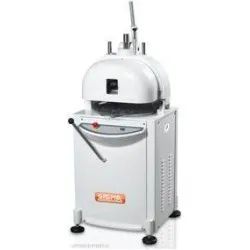
Article number: SPM30P
A bun divider transforms bulk dough into uniform portions ready for shaping. The SIGMA SPM30P uses a..
Is available
7,949.00€
with VAT: 9,618.29€
Article number: DIRO DR-S/11
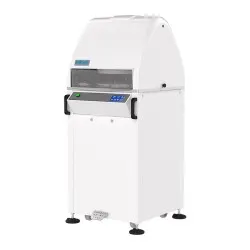
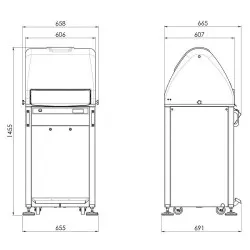
A semi-automatic dough divider rounder shapes consistent dough balls for bread, rolls and buns witho..
Is available
7,999.00€
with VAT: 9,678.79€
Article number: TB35
This dough roll stretches and laminates dough sheets evenly, replacing manual rolling in high-volume..
Is available
7,999.00€
with VAT: 9,678.79€
Article number: SPM36
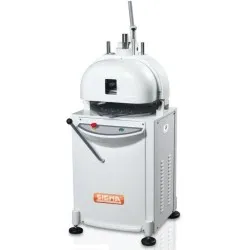
A bun divider segments a single mass of risen dough into equal portions without tearing or compressi..
Is available
8,019.00€
with VAT: 9,702.99€
Article number: DIRO DR-S/15
A semi-automatic divider rounder shapes dough into uniform balls for bread, rolls or buns without ma..
Is available
8,129.00€
with VAT: 9,836.09€
Article number: DIRO DR-S/22
A semi-automatic dough divider rounder shapes bulk dough into uniform balls ready for proofing and b..
Is available
8,249.00€
with VAT: 9,981.29€
Article number: SQ30
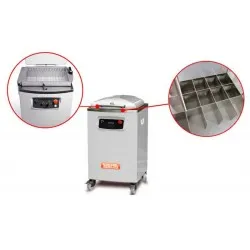
The SIGMA SQ30 is a square type dough divider, designed for professional kitchens. This machine is p..
Is available
8,329.00€
with VAT: 10,078.09€
Article number: DIRO DR-S/30
A semi-automatic divider rounder shapes dough into uniform balls for bread, rolls and buns without m..
Is available
8,399.00€
with VAT: 10,162.79€
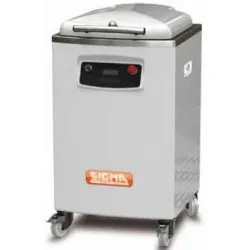
Article number: SE37
A hexagonal dough divider mechanically portions yeasted or fermented dough into equal pieces without..
Is available
8,429.00€
with VAT: 10,199.09€
Article number: DIRO DR-S/30s
A semi-automatic dough divider rounder shapes consistent dough balls for rolls, buns and bread loave..
Is available
8,519.00€
with VAT: 10,307.99€
Article number: DIRO DR-S/36
A semi-automatic dough divider rounder built for professional bakeries, the ROLLMATIC DIRO DR-S/36 s..
Is available
8,599.00€
with VAT: 10,404.79€
Article number: DIRO DR-S/52
A sigma-arm dough divider rounder automates the portioning and rounding of dough pieces by passing t..
Is available
8,739.00€
with VAT: 10,574.19€
Article number: P14DB01005
The PIZZA GROUP CO800 is an automatic 3-IN-1 dough divider-rounder. This machine divides a large mas..
Is available
8,789.00€
with VAT: 10,634.69€
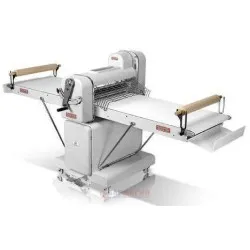
Article number: SFG600TL
A dough sheeter stretches and thins dough by passing it between two rotating cylinders. The SIGMA SF..
Is available
8,959.00€
with VAT: 10,840.39€
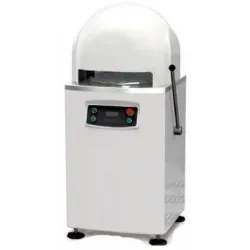
Article number: SP3/4A15
The SIGMA SP3/4 A15 is a bun divider for production in the confectionery and electromechanical equip..
Is available
9,369.00€
with VAT: 11,336.49€
Article number: SP3/4A22
A bun divider mechanically portions yeasted dough into equal weights without manual scaling. The mac..
Is available
9,459.00€
with VAT: 11,445.39€
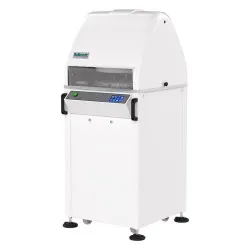
Article number: DIRO DR-A/11
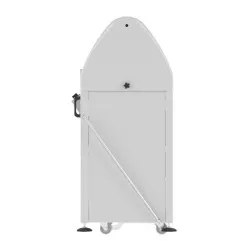
An automatic divider rounder shapes dough into uniform balls ready for proving and baking. Three rot..
Is available
9,559.00€
with VAT: 11,566.39€
Article number: SP3/4A30
A bun divider takes a single mass of yeast dough and cuts it into equal portions ready for shaping. ..
Is available
9,619.00€
with VAT: 11,638.99€
Article number: SP3/4A30P
A bun divider shapes a single batch of dough into thirty equal portions in one stroke. The machine p..
Is available
9,679.00€
with VAT: 11,711.59€
Article number: DIRO DR-A/15
An automatic dough divider rounder shapes and portions dough in a single motion, eliminating hand we..
Is available
9,699.00€
with VAT: 11,735.79€
Article number: SP3/4A36
A bun divider portions yeasted dough into equal weights without manual scaling. The machine presses ..
Is available
9,759.00€
with VAT: 11,808.39€
Article number: DIRO DR-A/22
An automatic dough divider rounder shapes consistent dough balls for bread, rolls and buns without m..
Is available
9,819.00€
with VAT: 11,880.99€
Article number: DIRO DR-A/30
A sigma-arm dough divider rounder automatically portions and shapes dough into uniform balls ready f..
Is available
9,999.00€
with VAT: 12,098.79€
Article number: DIRO DR-A/30s
A sigma-arm automatic divider rounder transforms bulk dough into uniform balls ready for proofing or..
Is available
10,019.00€
with VAT: 12,122.99€
Article number: DIRO DR-A/36
An automatic dough divider rounder shapes and portions yeasted dough into uniform balls ready for pr..
Is available
10,099.00€
with VAT: 12,219.79€
Article number: DIRO DR-A/52
A sigma-arm dough divider rounder shapes consistent dough pieces for rolls, buns and small loaves wi..
Is available
10,199.00€
with VAT: 12,340.79€
Article number: CONICALT1
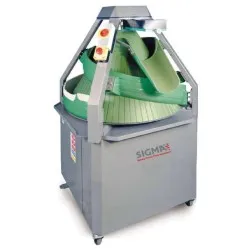
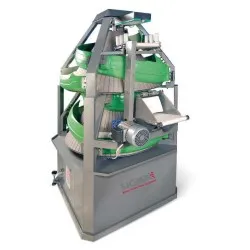
The SIGMA CONICALT1 is a type of conical rounder. This machine is used to shape dough pieces.
Operat..
Is available
10,659.00€
with VAT: 12,897.39€
Article number: CONICALT2
A conical rounder transforms irregular dough pieces into smooth, evenly rounded rolls by guiding the..
Is available
10,999.00€
with VAT: 13,308.79€
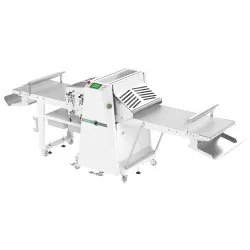
Article number: R65S/12
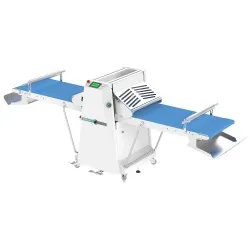
A semi-automatic dough sheeter flattens and stretches dough by passing it between two motor-driven r..
Is available
11,099.00€
with VAT: 13,429.79€
Article number: R65S/14
The Rollmatic R65S/14 is a semi-automatic dough sheeter designed for professional kitchens. This mac..
Is available
11,179.00€
with VAT: 13,526.59€
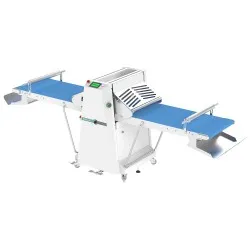
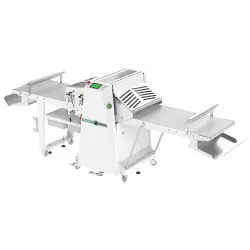
Article number: R65S/16
This semi-automatic dough sheeter processes dough by feeding it through smooth, adjustable rollers. ..
Is available
11,409.00€
with VAT: 13,804.89€
Article number: R65S/18
This semi-automatic dough sheeter processes dough by feeding it between two rotating cylinders. The ..
Is available
11,639.00€
with VAT: 14,083.19€
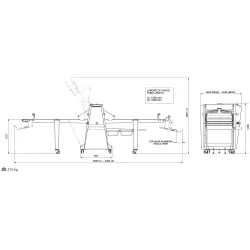
Article number: R65S-T/14
The ROLLMATIC R65S-T/14 is a semi-automatic dough sheeter designed to flatten and stretch dough even..
Is available
11,739.00€
with VAT: 14,204.19€
Article number: R65S-T/16
This semi-automatic dough sheeter processes dough by feeding it between two rotating cylinders. The ..
Is available
11,919.00€
with VAT: 14,421.99€
Article number: R65S-T/18
The Rollmatic R65S-T/18 is a semi-automatic dough sheeter designed to stretch and laminate dough eve..
Is available
12,149.00€
with VAT: 14,700.29€
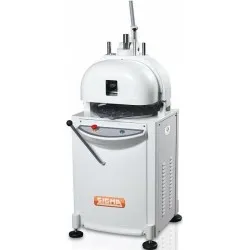
Article number: SPA15
A bun divider shears a single mass of risen dough into equal portions without tearing the gluten str..
Is available
13,739.00€
with VAT: 16,624.19€
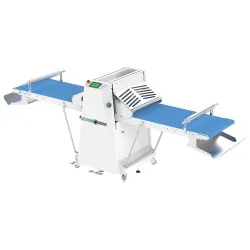
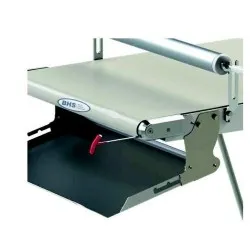
Article number: R65A/16
This automatic dough sheeter flattens and stretches dough by feeding it between two rotating cylinde..
Is available
13,779.00€
with VAT: 16,672.59€
Article number: SPA22
The SIGMA SPA22 is a dough sheeter designed for professional use. Its operating principle involves p..
Is available
13,859.00€
with VAT: 16,769.39€
Article number: SPA30
A bun divider shears a single mass of dough into equal portions without scaling each piece by hand. ..
Is available
13,899.00€
with VAT: 16,817.79€
Article number: R65A/18
This automatic dough sheeter streamlines the rolling of pastry, pasta, or bread dough to an exact th..
Is available
13,979.00€
with VAT: 16,914.59€
Article number: SPA30P
The SIGMA SPA30P is a dough sheeter. Dough sheeters work by passing dough through rollers to reduce ..
Is available
13,989.00€
with VAT: 16,926.69€
Article number: SPA36
The SIGMA SPA36 is a dough sheeter.
Dough sheeting equipment works by passing dough through a series..
Is available
14,079.00€
with VAT: 17,035.59€
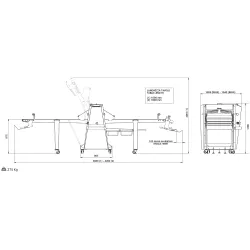
Article number: R65A-T/14
A dough sheeter stretches and thins dough by passing it between two adjustable rollers. The rollers ..
Is available
14,199.00€
with VAT: 17,180.79€
Article number: R65A-T/16
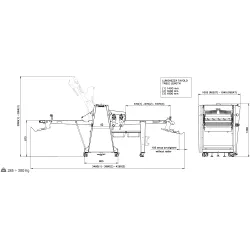
A dough sheeter automates the rolling of pastry, bread dough or pizza bases by passing the dough bet..
Is available
14,369.00€
with VAT: 17,386.49€
Article number: R65A-T/18
This automatic dough sheeter replaces manual rolling with motorised cylinders, producing evenly flat..
Is available
14,689.00€
with VAT: 17,773.69€
Article number: VOLUMETRICDIVIDER
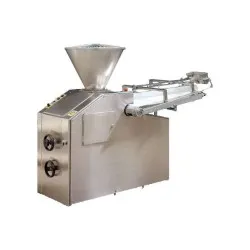
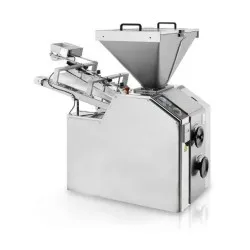
The SIGMA Volumetric Divider is a machine designed for dividing dough. It operates using a double ch..
Is available
15,529.00€
with VAT: 18,790.09€
Article number: VOLUMETRICDIVIDERROUNDER
This SIGMA volumetric divider rounder, article VOLUMETRICDIVIDERROUNDER, is designed for dividing an..
Is available
16,879.00€
with VAT: 20,423.59€
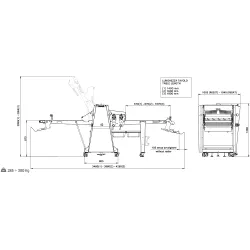
Article number: R65AX/14
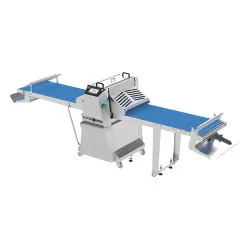
The ROLLMATIC R65AX/14 is an automatic dough sheeter. This machine is constructed from stainless ste..
Is available
18,399.00€
with VAT: 22,262.79€
Article number: R65AX/16
This automatic dough sheeter streamlines the process of rolling and thinning dough by feeding it thr..
Is available
18,579.00€
with VAT: 22,480.59€
Article number: DOUBLECONICALT1
The SIGMA DOUBLECONICALT1 is a double conical rounder from SIGMA.
A conical rounder works by shaping..
Is available
18,899.00€
with VAT: 22,867.79€
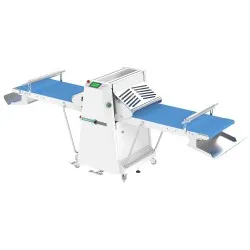
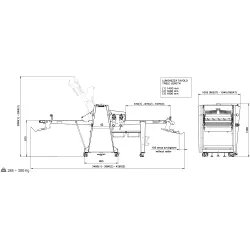
Article number: R65AX-T/14
The Rollmatic R65AX-T/14 automates dough stretching by feeding it between two rotating cylinders. Th..
Is available
18,959.00€
with VAT: 22,940.39€
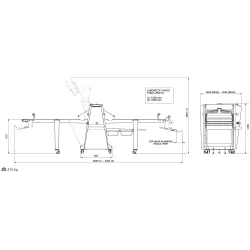
Article number: R65AX-T/16
The ROLLMATIC R65AX-T/16 is an automatic dough sheeter designed for professional use. This machine o..
Is available
19,149.00€
with VAT: 23,170.29€
Article number: R65AX-T/18
This automatic dough sheeter laminates and stretches dough to an exact, even thickness. Two rotating..
Is available
19,299.00€
with VAT: 23,351.79€
Article number: VOLUMETRICDIVIDERSOFTDOUGH
This volumetric divider portions soft dough by measuring volume rather than weight. Dough is drawn i..
Is available
19,679.00€
with VAT: 23,811.59€
Article number: R65AX/18
This automatic dough sheeter flattens and layers dough by feeding it through adjustable rollers. The..
Is available
19,749.00€
with VAT: 23,896.29€
Article number: DOUBLECONICALT2
This conical rounder transforms dough pieces into uniform spheres by guiding them between a spinning..
Is available
19,999.00€
with VAT: 24,198.79€
Article number: R65A/14
A dough sheeter automates the rolling and thinning of dough by passing it between two adjustable rol..
Is available
20,169.00€
with VAT: 24,404.49€
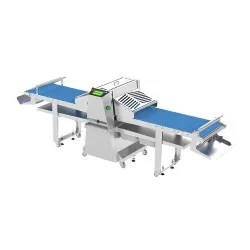
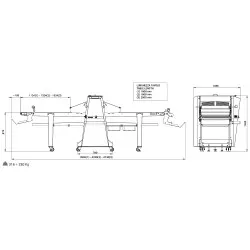
Article number: R65AXP/20
This automatic dough sheeter rolls dough to a uniform thickness using two rotating cylinders. The ad..
Is available
20,939.00€
with VAT: 25,336.19€
Article number: R65AXP/16
A dough sheeter converts bulk dough into uniform sheets without manual rolling. Two counter-rotating..
Is available
21,079.00€
with VAT: 25,505.59€
Article number: R65AXP/18
This automatic dough sheeter converts bulk dough into evenly rolled sheets without manual effort. Tw..
Is available
21,319.00€
with VAT: 25,795.99€
Article number: R65AXP-T/16
This automatic dough sheeter streamlines the process of rolling and thinning dough by feeding it bet..
Is available
21,529.00€
with VAT: 26,050.09€
Article number: R65AXP-T/18
This automatic dough sheeter processes dough by feeding it through two rotating cylinders, adjusting..
Is available
21,999.00€
with VAT: 26,618.79€
Article number: R65AXP-T/20
This automatic dough sheeter laminates and stretches dough to a uniform thickness without manual eff..
Is available
22,219.00€
with VAT: 26,884.99€
Article number: VOLUMETRICDIVIDER2PISTONS
The SIGMA VOLUMETRICDIVIDER2PISTONS is a volumetric divider suitable for electromechanical equipment..
Is available
23,839.00€
with VAT: 28,845.19€