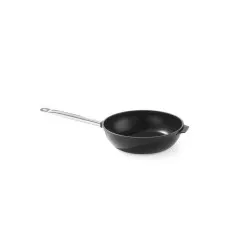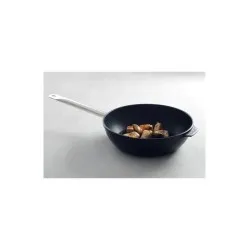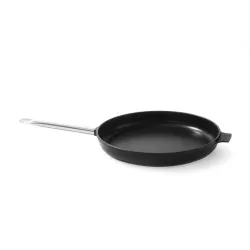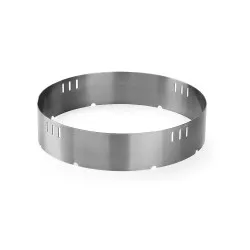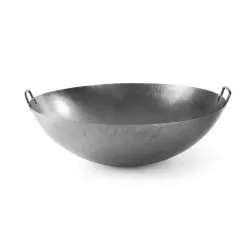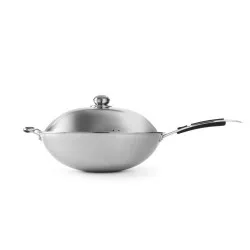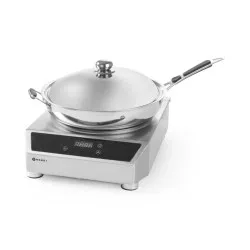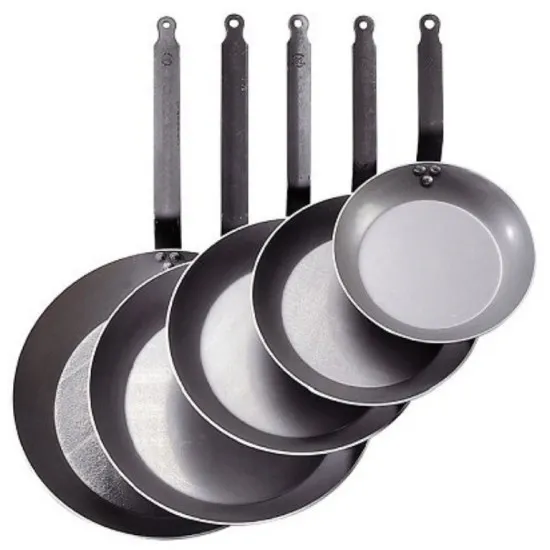
A pan is every chef's essential daily tool in a professional HoReCa kitchen. BHS offers a wide range of professional pans for different cooking methods – from aluminium pans with non-stick coating and cast iron pans to wok pans and pancake pans – to restaurants, cafés and canteens across Europe.
BHS pan range includes models from leading professional catering equipment manufacturers in various diameters and material versions. A professional chef typically uses several types of pans simultaneously – each dish requires its own material and coating type to ensure optimal cooking results and proper meat or vegetable preparation. BHS consultants help select the most suitable set of pans according to the specific kitchen menu, cooking volume and hob type.
A pan is a fundamental kitchen accessory that influences the taste, texture and cooking efficiency of food. In a professional kitchen, pans are subjected to intensive daily use – they are heated, cooled, washed and used hundreds of times a week. Therefore, pans suitable for professional kitchens differ from household models with higher durability, greater base thickness and more resistant coatings. BHS offers professional pans for HoReCa kitchens across Europe.
Types of pans and their uses
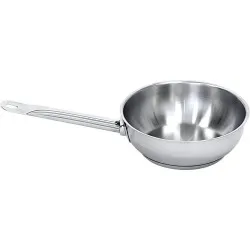
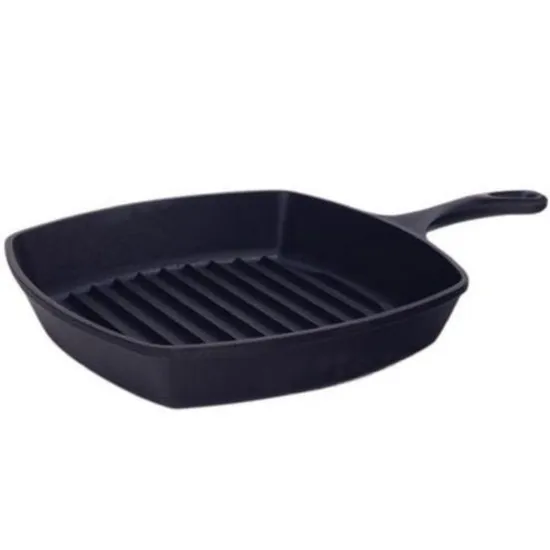
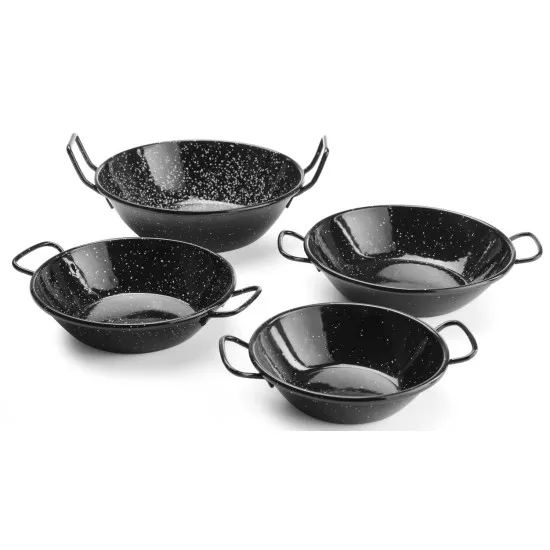
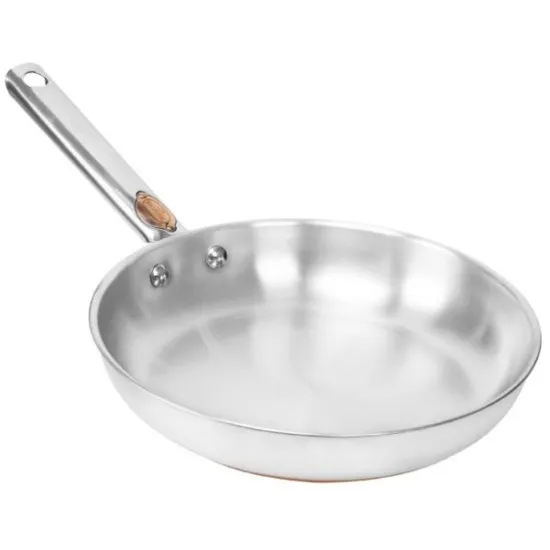
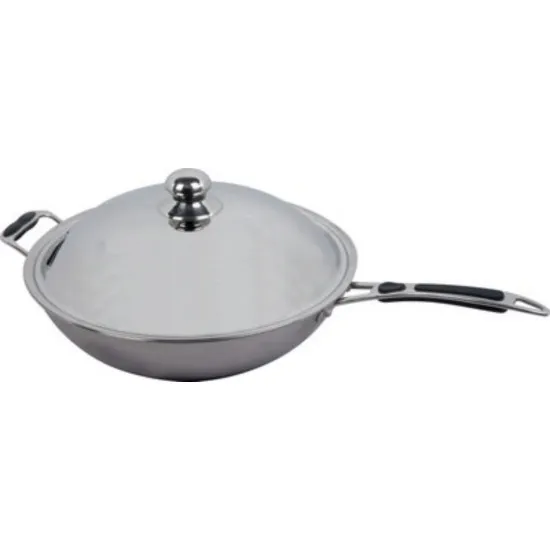
Stainless steel pans – ideal for caramelising meat, browning and creating sauces. The steel pan generates intense heat, which is necessary for the Maillard reaction – the process that creates the distinctive outer crust on meat. Suitable for all types of hob surfaces, including induction hobs. Cast iron pans – excellent heat retention capacity, long cooking and oven use. Cast iron maintains temperature more evenly than other materials, making it ideal for cooking steaks, burger patties and restaurant casserole dishes. Aluminium pans with non-stick coating – lighter, with a non-stick surface for delicate dishes: eggs, fish, pancakes. Wok pans – with a high, curved side profile for preparing Asian stir-fry dishes.
Pan sizes and menu requirements
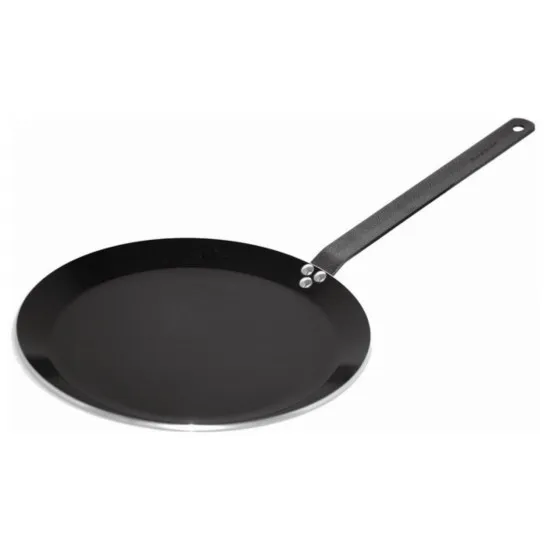
20–24 cm pans – for individual portions, egg dishes, delicate desserts and small reheating tasks. 26–28 cm pans – the most versatile size for both single portions and 2–3 portions. 30–36 cm pans – for large-volume dishes, sautéing, cooking large pieces of meat or processing multiple portions simultaneously. Pancake pans with a flat profile and special non-stick coating for precise pancake cooking. Large-diameter wok pans for stir-fry and processing larger meat batches. When choosing a pan size, the hob surface size and cooking zone diameter should also be considered.
HACCP and professional pan maintenance
Pan coating integrity is a HACCP important aspect – a cracked or worn non-stick coating creates a risk of food contamination and must be replaced. Stainless steel and cast iron pans are more resistant to mechanical damage. Professional pans should be cleaned immediately after use – food residues on a heated surface burn and can create unwanted aftertastes. Cast iron pans must not be left wet – they should be dried and oiled after washing to prevent rusting. Teflon and ceramic pans must not be washed with abrasive agents.
HoReCa usage scenarios
In a high-end restaurant – stainless steel pans for meat and sauces, small pancake pans for individual desserts. In an Asian cuisine restaurant – large cast iron or stainless steel wok pans with high sides for intensive stir-fry techniques. In a café – aluminium pancake pans with non-stick coating for efficient breakfast service. In a steakhouse – cast iron pans with a ribbed pattern (grill pan) for grilling steaks on the hob. In a canteen – large 32–36 cm pans for creating sautéed dishes in larger volumes. BHS helps select the optimal set of pans for each HoReCa format across Europe.
Frequently asked questions
Which pan is best suited for cooking meat in a restaurant? For caramelising and browning meat, a stainless steel pan or a cast iron pan with a ribbed pattern is best – they generate intense heat and ensure the Maillard reaction, which creates the memorable crust on meat. Non-stick pans are not ideal for meat – they cannot withstand such high temperatures.
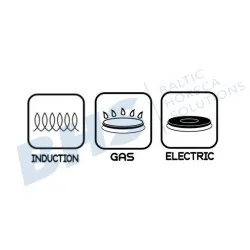
Are aluminium pans with non-stick coating suitable for induction hobs? Standard aluminium pans are not suitable for induction hobs. For induction, pans with a magnetic base must be used – stainless steel or specially marked pans. Check that the pan is marked with the induction symbol. BHS offers pans suitable for induction.
Why choose BHS?
BHS – Baltic HoReCa Solutions supplies professional equipment for restaurants, cafés, hotels and canteens: more than 20,000 products from many manufacturers. Our specialists help you choose the right equipment and spare parts for your kitchen or bar.
Delivery
We deliver across the European Union. Delivery time and cost depend on the order volume and destination — contact the BHS team for an exact price and lead time.