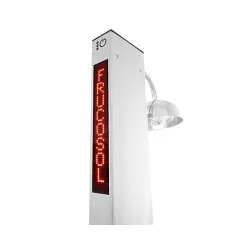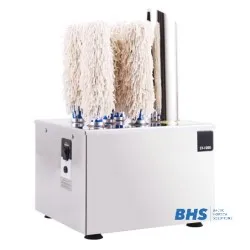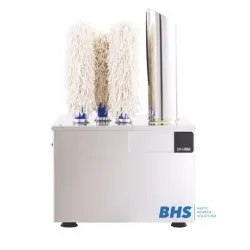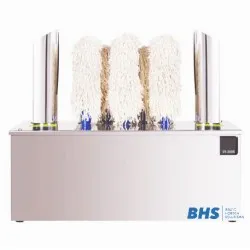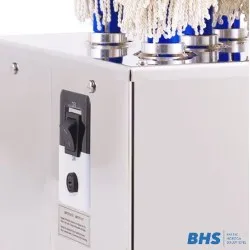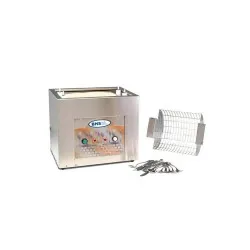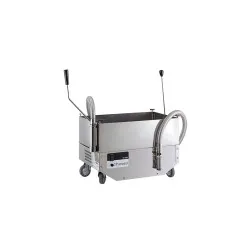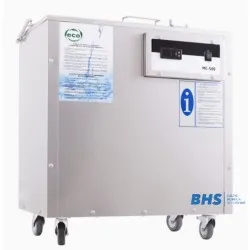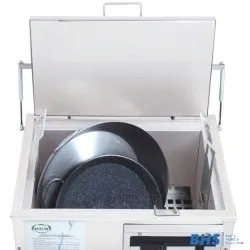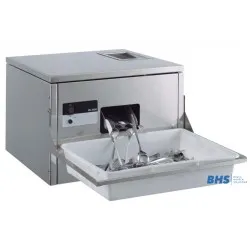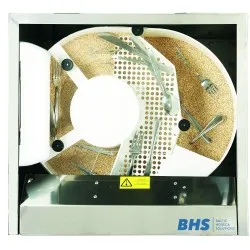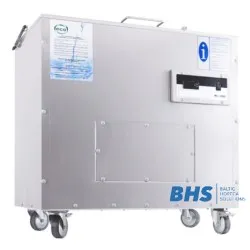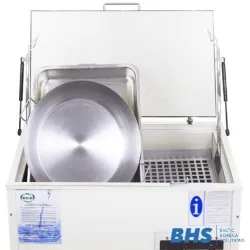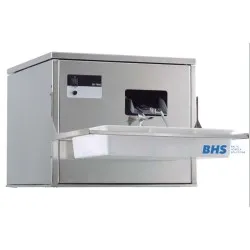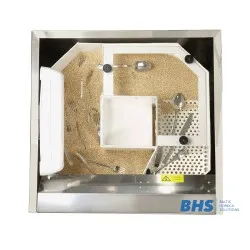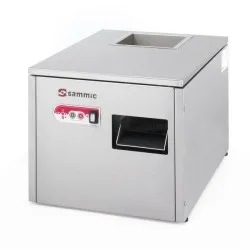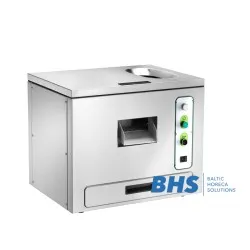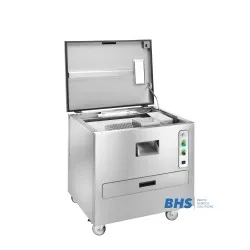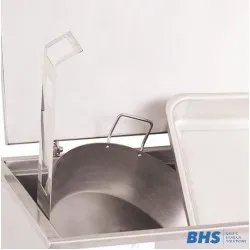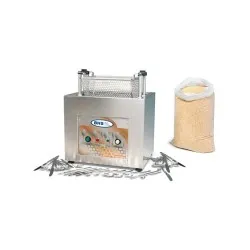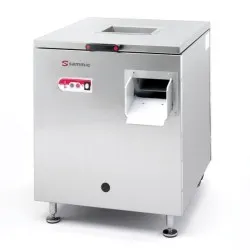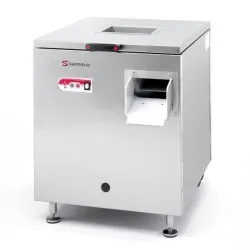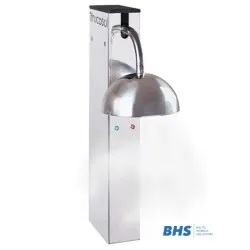
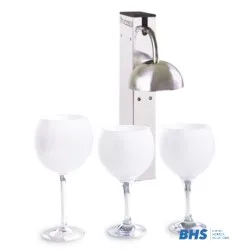
Table Accessory Polishers are professional HoReCa equipment for the automatic or semi-manual polishing and shine enhancement of table accessories — knives, forks, spoons and other items. Such equipment is an essential element in maintaining the serving standards of restaurants and hotels — dishwashers clean the accessories hygienically, but the polisher ensures visual perfection without water spots or fingerprints on the surface. The BHS range offers table accessory polishers to HoReCa businesses across Europe as part of the Bar Equipment collection.
BHS offers these appliances to restaurants, hotels and other HoReCa businesses. The BHS team helps select the most suitable table accessory polisher model based on the restaurant or hotel’s volume and service standards.
Table Accessory Polishers enable restaurants to ensure a flawless appearance of accessories before serving without additional manual work — every table accessory reaches the guest with perfect shine, free from water spots, greasy fingerprints or detergent residue. In high-end restaurants and hotels, the use of such equipment is part of the serving standard.
Types of Table Accessory Polishers
Manual table accessory polishers work by generating hot steam — the accessory is held over the steam flow and wiped with a cloth, simultaneously heating and removing water spots. This option is popular in restaurants with a lower volume of accessories.
Semi-manual equipment provides automatic steam delivery or rotating polishing mechanisms, speeding up the process and reducing labour intensity. Suitable for medium-capacity restaurants.
Automatic table accessory polishers, such as continuous-feed machines, can process a large number of accessories quickly and without manual intervention — designed for high-capacity restaurants, banquet halls and hotel restaurants with large one-time event volumes.
How to Choose a Table Accessory Polisher
The main criterion is the number of accessories the equipment must process per hour. A small restaurant with 30–50 tables can manage with a manual or semi-manual solution, while a hotel with a banquet hall may require an automatic machine.
The second aspect is the variety of accessory types — whether polishing is needed only for standard knife-fork-spoon sets or also for longer accessories, large serving utensils or specialised table items.
The third criterion is the energy source and water connection requirements — steam polishers require a water connection and suitable electrical power.
- Assess the required accessory processing capacity per hour
- Consider the variety of accessories and their estimated size range
- Check the energy and water connection requirements for installation
- Compare the costs and efficiency of manual, semi-manual and automatic options
The Role of the Polisher in High-End Serving
In high-end restaurants and hotels, the visual quality of table accessories is an integral part of the serving standard. An accessory with water spots or fingerprints on the surface leaves a negative impression on the guest’s perception, even if the food is perfect. A professional table accessory polisher systematically prevents this issue — every accessory reaches the guest with flawless shine, regardless of the type of dishwasher or water quality. In high-end restaurants, polishers are standard equipment in daily serving preparation.
Advantages of Steam Systems
Table accessory steam polishers use a combination of hot steam with manual or automatic wiping — the steam simultaneously evaporates water residue and removes greasy layers from the accessory’s surface. The steam temperature also disinfects the accessory’s surface, complementing the dishwasher’s treatment. In restaurant hygiene inspections, accessory cleanliness is a verifiable criterion, and using a steam polisher provides additional protection against contamination risks.
Integrating the Polisher into the Serving Preparation Area
The table accessory polisher should be placed in a practical location within the serving preparation flow — usually between the dishwashing area and the accessory storage space. An efficient flow reduces manual work and speeds up the preparation process before banquets or restaurant opening. BHS can provide consultation on polisher placement in a specific restaurant or hotel kitchen or serving area.
Storing Accessories After Polishing
After polishing, accessories should be stored in a closed or protected container to prevent dust or fingerprints from reappearing on the surface. In many restaurants, accessories are stored wrapped or in special boxes after polishing to avoid the need for re-polishing just before serving. An organised accessory storage system after polishing is an essential part of an efficient kitchen workflow.
Frequently Asked Questions
How long should each accessory be polished in a manual polisher?
In a manual steam polisher, each accessory requires 3–5 seconds over the steam flow and a quick wipe with a suitable cloth — the process is fast but requires staff presence. Automatic models process accessories without manual intervention. BHS helps select the most suitable model based on the volume of accessories and staff capacity.
Does the polisher work with all accessory materials?
Steam polishers are suitable for stainless steel accessories, which are the standard in the HoReCa sector. For silver-plated or other special accessories, manufacturer recommendations should be followed. BHS provides consultation on the most suitable polishing method for a specific accessory set.
Why choose BHS?
BHS – Baltic HoReCa Solutions supplies professional equipment for restaurants, cafés, hotels and canteens: more than 20,000 products from many manufacturers. Our specialists help you choose the right equipment and spare parts for your kitchen or bar.
Delivery
We deliver across the European Union. Delivery time and cost depend on the order volume and destination — contact the BHS team for an exact price and lead time.