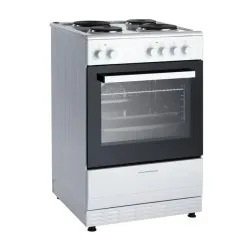
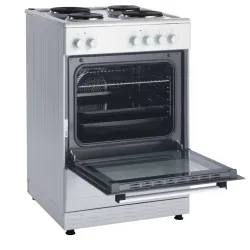
Stoves are an indispensable piece of kitchen equipment for food preparation — the choice of electric, gas or induction stove directly affects kitchen efficiency, energy consumption and cooking speed in HoReCa businesses across Europe.
Types of stoves and their characteristics
Several technological solutions are available on the market for different needs. Electric stoves — an electric stove with cast iron or ceramic hobs provides even heat distribution; suitable where there is no gas connection. Gas stoves — a gas stove provides instant heat regulation and high heat intensity; popular in professional kitchens due to their fast response. Induction hobs — induction hobs heat directly through induction in the cookware, not the air; fast, energy-efficient and safe, as the hob does not retain heat. Combination stoves — a stove that combines gas burners and electric hobs or an oven, offering flexible cooking options. Professional stoves — professional stove models are designed for intensive daily use at high temperatures and long working hours. BHS helps choose the most suitable stove type based on kitchen needs.
How to choose a stove for a HoReCa kitchen
Choosing the right stove for kitchen equipment requires evaluating several factors. Energy source — check whether the kitchen has a gas connection or only an electricity supply; this determines the available stove types. Suitable power for the kitchen — the stove’s power should match the cooking volume; a larger stove with more burners or hobs increases simultaneous cooking capacity. Number and size of hobs — a standard kitchen requires 4–6 hobs, while larger catering needs a wider platform. Oven integration — decide whether the stove should be equipped with an oven below or use a separate oven. Ease of cleaning — ceramic and induction hob surfaces are easier to clean than cast iron grates; an important factor for HoReCa hygiene requirements. BHS consultants help choose the optimal stove solution.
Stove safety and HACCP compliance
Compliance with safe operation and hygiene requirements is mandatory for HoReCa businesses. Electrical safety — electric stoves must be connected to a suitable power outlet; check whether the electrical network meets the stove’s maximum power. Cleaning — clean stove surfaces daily after each cooking session; avoid clogging gas burners with food residues. Ventilation — operating a stove without proper ventilation and steam extraction is not permitted; gas burners produce combustion gases that must be vented. Regular maintenance — regular technical maintenance of the stove extends its service life and ensures safe operation.
HoReCa usage scenarios
Restaurant with a well-thought-out menu — a gas stove with 6 burners as the main stove, supplemented by induction sections for fine cooking needs. Hotel kitchen — an electric or induction stove as the main element for preparing breakfasts and regular meals. Canteen with a large food volume — a professional stove with a large cooking surface and high power for mass food preparation. Catering company for mobile service — compact and easily transportable induction hobs for equipping mobile kitchens at events. Café or bistro with a simple menu — a compact 4-hob electric stove with an oven for efficient use of limited kitchen space.
Frequently asked questions
Which stove is the most energy-efficient for a HoReCa kitchen? Induction hobs are usually the most energy-efficient, as they heat directly in the cookware rather than the air; however, the final choice depends on the kitchen’s electrical installation capacity. Contact the BHS team for a consultation. Also explore hobs.
Is a specialist required for stove installation? Contact the BHS team and explore the kitchen equipment range.
Why choose BHS?
BHS – Baltic HoReCa Solutions supplies professional equipment for restaurants, cafés, hotels and canteens: more than 20,000 products from many manufacturers. Our specialists help you choose the right equipment and spare parts for your kitchen or bar.
Delivery
We deliver across the European Union. Delivery time and cost depend on the order volume and destination — contact the BHS team for an exact price and lead time.