

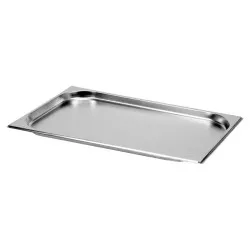
Article number: 111026
A stainless steel gastronorm container holds prepared ingredients, sauces or finished dishes in a st..
Is available
5.76€
with VAT: 6.97€
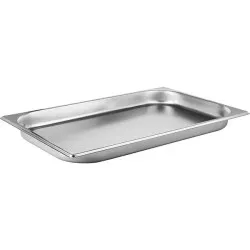
Article number: 111046
A gastronorm container holds prepared ingredients, cooked dishes or chilled components in a standard..
Is available
6.60€
with VAT: 7.99€
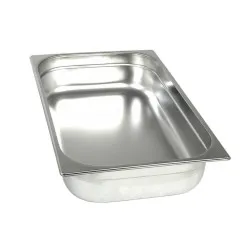
Article number: 111066
A stainless steel gastronorm container holds ingredients, prepped food or finished dishes in a stand..
Is available
7.32€
with VAT: 8.86€
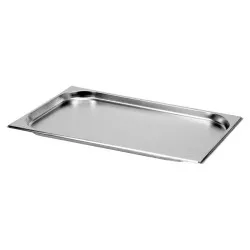
Article number: 111020
A shallow stainless steel container built to the GN1/1 standard holds ingredients, sauces or pre-por..
Is available
7.50€
with VAT: 9.08€
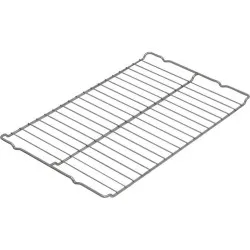
Article number: 103114
A stainless steel grid designed to support gastronorm trays in professional kitchens. It raises cont..
Is available
7.94€
with VAT: 9.61€
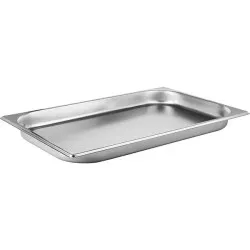
Article number: 111040
A GN1/1 gastronorm container holds prepared ingredients, cooked dishes or chilled components in a st..
Is available
8.13€
with VAT: 9.84€
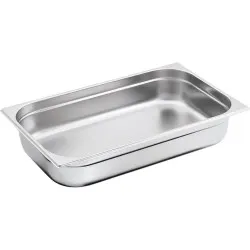
Article number: 111106
A stainless steel gastronorm container in the GN1/1 size holds prepared ingredients, cooked dishes o..
Is available
9.00€
with VAT: 10.89€
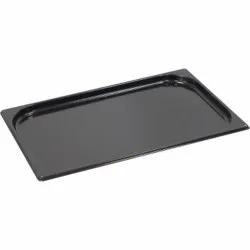
Article number: 101021
A shallow, rectangular vessel designed to hold prepared ingredients or finished dishes within the st..
Is available
9.14€
with VAT: 11.06€
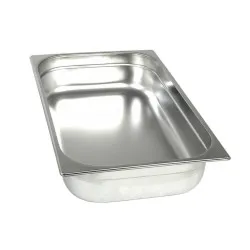
Article number: 111060
A stainless steel gastronorm container holds ingredients, prepped food or finished dishes in a stand..
Is available
9.39€
with VAT: 11.36€
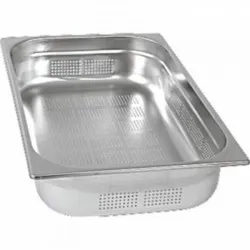
Article number: 121024
A perforated stainless steel container in the GN1/1 size holds food while allowing steam to circulat..
Is available
10.08€
with VAT: 12.20€
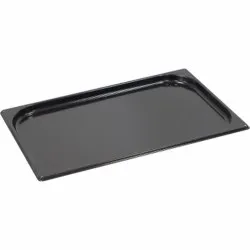
Article number: 101041
A GN1/1 container distributes heat evenly across the base and walls, letting hot food stay warm or c..
Is available
10.71€
with VAT: 12.96€
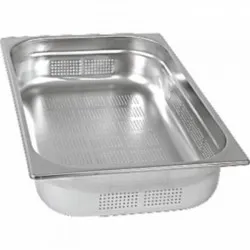
Article number: 121044
A perforated gastronorm container holds food above the base so steam can circulate freely underneath..
Is available
11.28€
with VAT: 13.65€
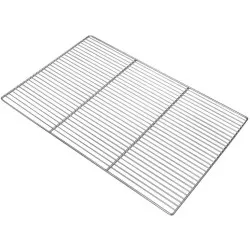
Article number: 103115
A stainless steel grid spreads heat evenly across food without trapping steam, letting meat, fish or..
Is available
11.47€
with VAT: 13.88€
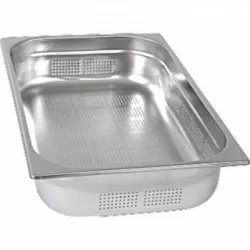
Article number: 121064
Perforated gastronorm containers allow steam to circulate freely around food, ensuring even cooking ..
Is available
11.97€
with VAT: 14.48€
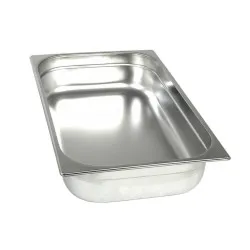
Article number: 111100
A stainless steel gastronorm container holds prepared ingredients, cooked dishes or chilled componen..
Is available
12.35€
with VAT: 14.94€
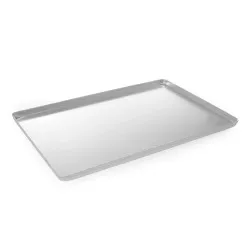
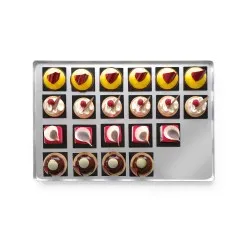
Article number: 808467
A pastry tray holds baked goods at eye level so customers can see the colour, texture and finish wit..
Is available
12.50€
with VAT: 15.13€
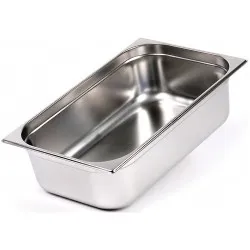
Article number: 111156
A stainless steel gastronorm container holds prepared ingredients, cooked dishes or chilled componen..
Is available
13.08€
with VAT: 15.83€
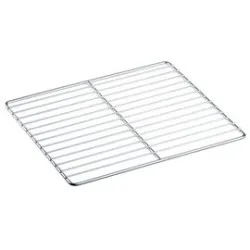
Article number: G 23 CR
A chrome-plated iron grid built to the GN2/3 standard, this oven accessory provides a stable, heat-c..
Is available
13.59€
with VAT: 16.44€
Article number: GRI30006
A chromed plated grid provides a smooth, non-stick surface that conducts heat evenly across its bars..
Is available
15.00€
with VAT: 18.15€
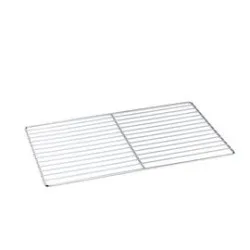
Article number: G 11 CR
A chrome-plated grid spreads heat evenly under trays and tins in a professional oven. The open mesh ..
Is available
15.49€
with VAT: 18.74€
Article number: 808504
A pastry display tray holds baked goods at eye level so customers can see the range without handling..
Is available
15.50€
with VAT: 18.76€
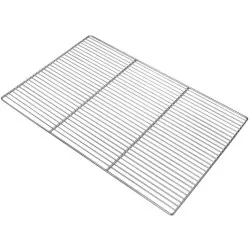
Article number: 103644
A stainless steel grid built to the standardised 600 x 400 mm footprint used across professional cat..
Is available
15.57€
with VAT: 18.84€
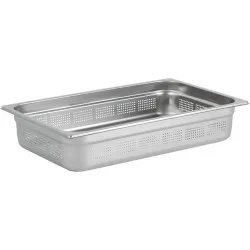
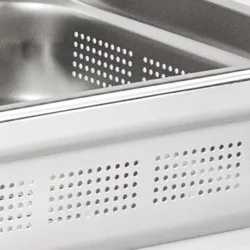
Article number: 121104
A perforated gastronorm container circulates steam evenly around food, preventing soggy bases and sp..
Is available
15.82€
with VAT: 19.14€
Article number: 689851
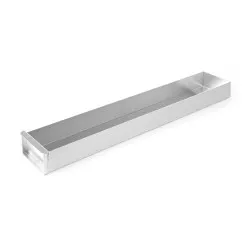
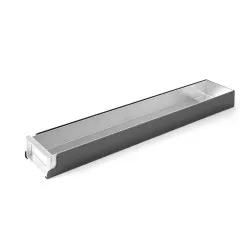
A baking tray that releases delicate pastries and breads without breaking their edges. The side pane..
Is available
17.00€
with VAT: 20.57€
Article number: 111206
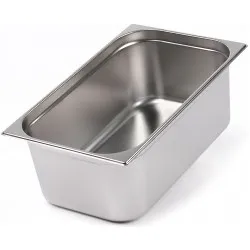
A stainless steel gastronorm container holds prepared ingredients, cooked dishes or chilled items in..
Is available
17.40€
with VAT: 21.05€
Article number: 111002
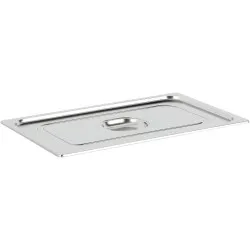
A stainless steel lid designed to cover gastronorm 1/1 containers during steaming and other high-tem..
Is available
18.27€
with VAT: 22.11€
Article number: G 21 CR
A chrome-plated grid supports gastronorm trays inside commercial ovens, raising them above the oven ..
Is available
18.39€
with VAT: 22.25€
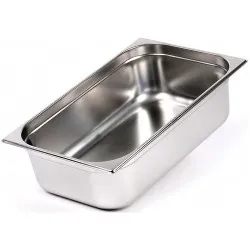
Article number: 111150
A gastronorm container standardises the footprint of food pans across professional kitchens, allowin..
Is available
18.78€
with VAT: 22.72€
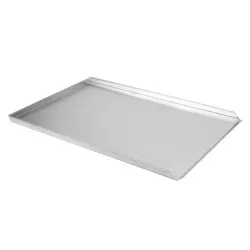

Article number: 911101
A pastry tray holds baked goods in a single layer so each item is visible and accessible. The three ..
Is available
18.90€
with VAT: 22.87€
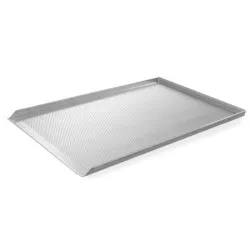
Article number: 911201
A perforated aluminium tray designed to hold and display pastries while allowing air to circulate ar..
Is available
19.00€
with VAT: 22.99€
Article number: 808511
A pastry tray with four raised edges holds baked goods securely while they are displayed or transpor..
Is available
19.50€
with VAT: 23.60€
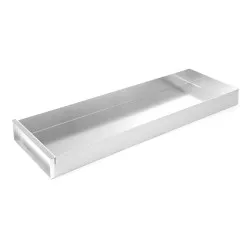
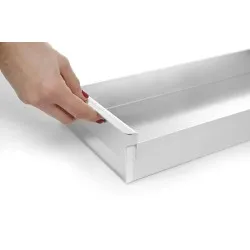
Article number: 689868
This HENDI article 689868 is a baking tray designed for professional kitchens. It features a removab..
Is available
22.00€
with VAT: 26.62€
Article number: 911102
A pastry tray designed for displaying baked goods and confections holds items securely while present..
Is available
22.05€
with VAT: 26.68€
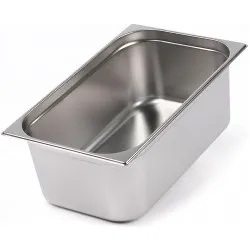
Article number: 111200
A gastronorm container standardises the size of food pans across professional kitchens, allowing the..
Is available
22.50€
with VAT: 27.23€
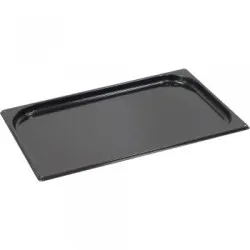
Article number: 191021
A baking tray designed for even heat distribution across its flat surface, allowing consistent bakin..
Is available
23.44€
with VAT: 28.36€
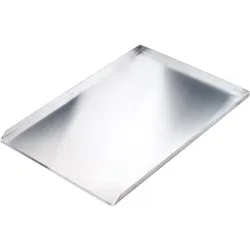
Article number: P 431
A pastry tray provides a flat, stable surface that conducts heat evenly across dough, ensuring unifo..
Is available
23.69€
with VAT: 28.66€
Article number: G 46 CR
An oven grid provides a stable, ventilated platform inside a professional oven. Hot air rises from t..
Is available
23.99€
with VAT: 29.03€
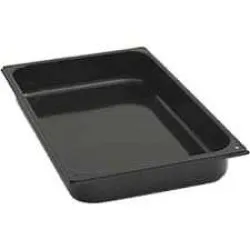
Article number: 191041
A baking tray designed for even heat distribution across its shallow, non-stick surface, allowing ba..
Is available
26.34€
with VAT: 31.87€
Article number: P 461
A pastry tray provides a flat, rigid surface that conducts heat evenly from deck ovens and proofing ..
Is available
33.49€
with VAT: 40.52€
Article number: G 23
A stainless steel grid provides a stable, ventilated platform inside a professional oven, allowing h..
Is available
34.99€
with VAT: 42.34€
Article number: G 11
A stainless steel grid built to the GN1/1 gastronorm standard holds food above the oven floor, letti..
Is available
40.79€
with VAT: 49.36€
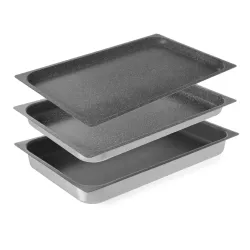
Article number: 805541
A non-stick aluminium pan built to the GN1/1 standard, designed for professional kitchens where quic..
Is available
46.50€
with VAT: 56.27€
Article number: G 46
An oven grid provides a stable, ventilated platform that allows hot air to circulate freely around f..
Is available
54.99€
with VAT: 66.54€
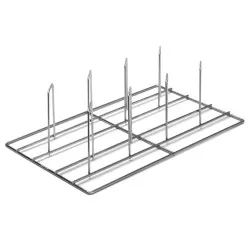
Article number: G 11S
A stainless steel poultry grid raises whole birds above the base of a gastronorm tray, allowing hot ..
Is available
59.99€
with VAT: 72.59€
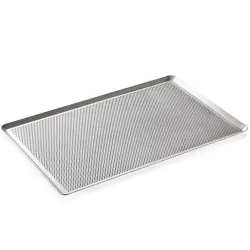
Article number: B 12F
A perforated stainless steel tray in the standard GN1/1 size allows liquids to drain away from food ..
Is available
64.39€
with VAT: 77.91€
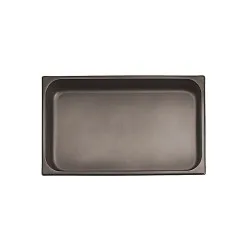
Article number: BA 14
A non-stick aluminium tray designed for professional catering, this GN1/1 unit provides a smooth, ea..
Is available
64.39€
with VAT: 77.91€
Article number: B 14F
A perforated stainless steel tray designed for gastronorm-compatible equipment allows air and liquid..
Is available
74.39€
with VAT: 90.01€
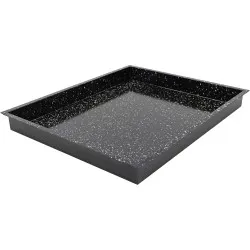
Article number: BE 11
A gastronorm GN1/1 enamelled tray holds prepared ingredients, cooked dishes or chilled items in a st..
Is available
79.99€
with VAT: 96.79€
Article number: G 21
A stainless steel grid built to the GN2/1 gastronorm standard holds food above the oven floor, allow..
Is available
81.59€
with VAT: 98.72€
Article number: B 16F
A perforated gastronorm tray allows air and liquids to circulate freely around food during storage, ..
Is available
83.79€
with VAT: 101.39€
Article number: GE 11
An aluminium eggs tray designed to hold six eggs securely within a standard GN1/1 pan format. The tr..
Is available
88.89€
with VAT: 107.56€
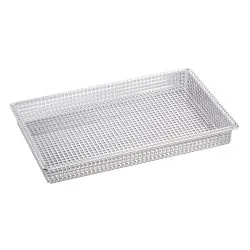
Article number: F 11
A stainless steel basket designed to hold food during preparation, cooking or storage in gastronorm-..
Is available
93.29€
with VAT: 112.88€
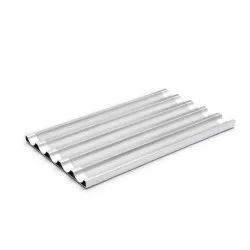
Article number: P46B
A stainless steel tray designed to hold baguettes during proofing and baking, keeping dough pieces o..
Is available
99.99€
with VAT: 120.99€
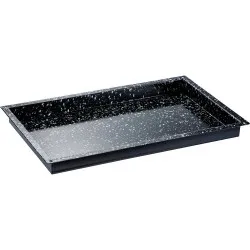
Article number: 917036
A baking tray transfers heat from the oven to the food without direct flame, using conduction throug..
Is available
119.70€
with VAT: 144.84€
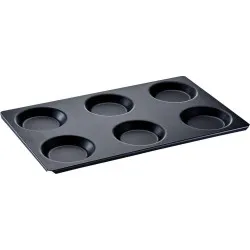
Article number: 917028
An egg and cake tray holds delicate baked goods during proofing, baking and cooling without shifting..
Is available
120.96€
with VAT: 146.36€
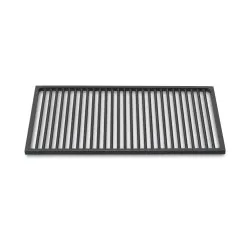
Article number: GS 11
A non-stick grid holds food above hot surfaces while allowing fats and juices to drain away. The ope..
Is available
134.99€
with VAT: 163.34€
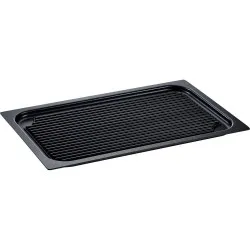
Article number: 917003
A grill non-stick tray captures juices and fats while allowing direct radiant heat to sear meats, fi..
Is available
182.70€
with VAT: 221.07€
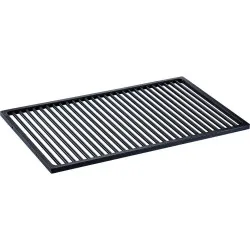
Article number: 917037
A grill grid built for high-volume char-grilling and searing in professional kitchens. The grid sits..
Is available
201.60€
with VAT: 243.94€