

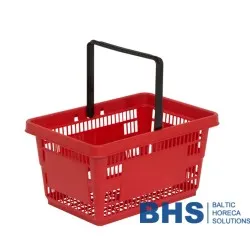
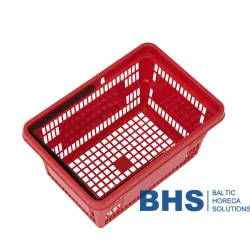
Article number: AIRPORT
A shopping basket built for steady use in retail and self-service environments, the Shopping Basket ..
Is available
5.49€
with VAT: 6.64€
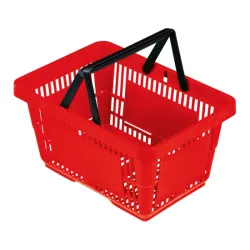
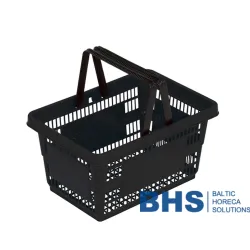
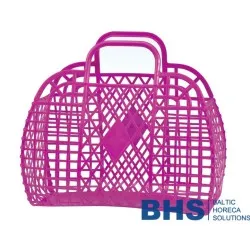
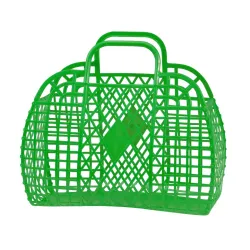
Article number: AIRPORT-2
A shopping basket designed for small and medium purchases, the AIRPORT-2 holds items securely while ..
Is available
5.99€
with VAT: 7.25€
Article number: FAMA4215
A foldable shopping bag that opens to hold 15 litres and collapses to a flat sheet for storage. The ..
Is available
6.99€
with VAT: 8.46€
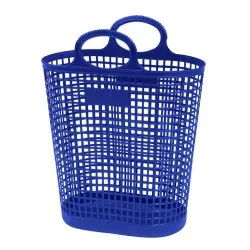
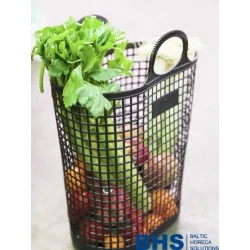
Article number: KANGURO4227
A shopping bag designed for repeated use in retail and catering environments, the KANGURO4227 holds ..
Is available
7.99€
with VAT: 9.67€
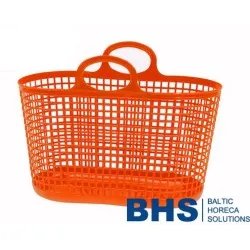
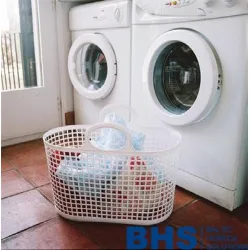
Article number: MARKET4230
A shopping bag designed for repeated use, the MARKET4230 holds groceries, produce or small parcels w..
Is available
7.99€
with VAT: 9.67€
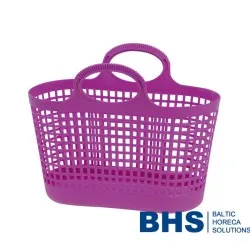
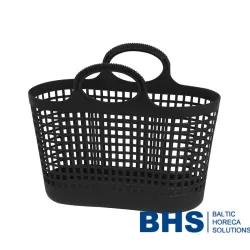
Article number: SWEET4210
A shopping basket designed for small retail spaces, greengrocers and self-service stores provides a ..
Is available
7.99€
with VAT: 9.67€
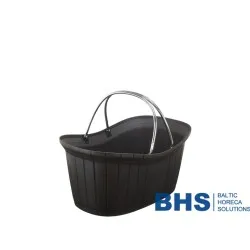
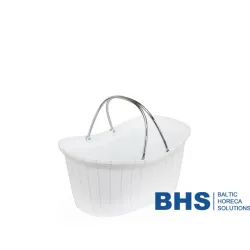
Article number: DELUX3812
A shopping basket designed for high-end retail environments where presentation and practicality matt..
Is available
12.06€
with VAT: 14.59€
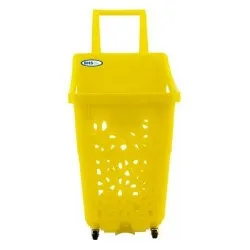
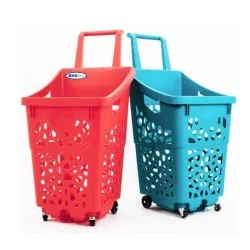
Article number: GL1016
A rolling shopping basket moves bulk ingredients, disposables or cleaning supplies from storeroom to..
Is available
16.99€
with VAT: 20.56€
Article number: GL2001
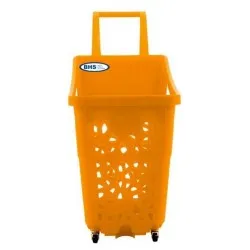
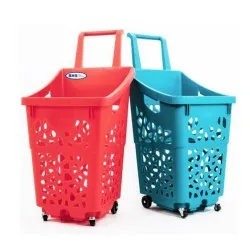
A rolling shopping basket moves bulk ingredients, packaged goods or cleaning supplies across a kitch..
Is available
16.99€
with VAT: 20.56€
Article number: GL2003
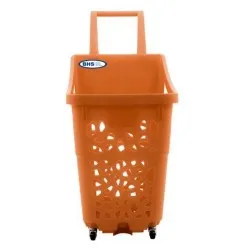
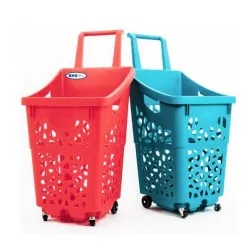
A rolling shopping basket moves bulk catering supplies from storeroom to worktop without lifting. Th..
Is available
16.99€
with VAT: 20.56€
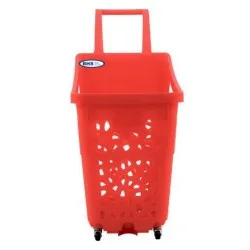
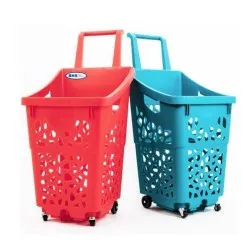
Article number: GL3028
This rolling shopping basket simplifies moving goods without lifting. Four swivel castors allow smoo..
Is available
16.99€
with VAT: 20.56€
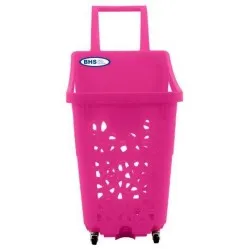
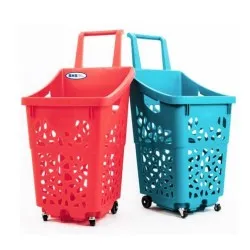
Article number: GL4010
A rolling shopping basket moves bulk ingredients, packaged goods or cleaning supplies across a kitch..
Is available
16.99€
with VAT: 20.56€
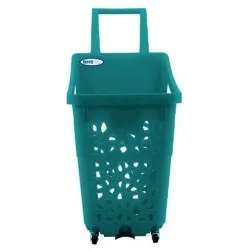
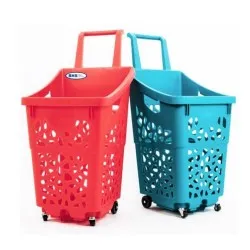
Article number: GL5021
A rolling shopping basket moves bulk catering supplies from storeroom to worktop without lifting. Th..
Is available
16.99€
with VAT: 20.56€
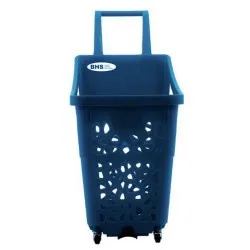
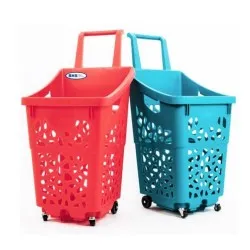
Article number: GL507
A rolling shopping basket moves goods without lifting. Four swivel wheels carry the load over floors..
Is available
16.99€
with VAT: 20.56€
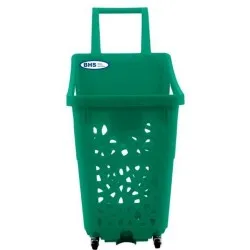
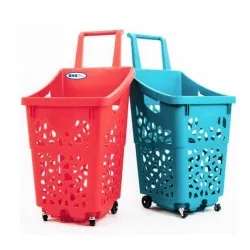
Article number: GL6016
A rolling shopping basket transports bulk catering supplies from storerooms to workstations without ..
Is available
16.99€
with VAT: 20.56€
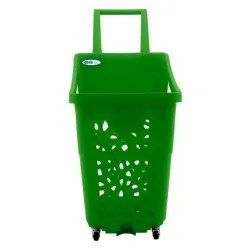
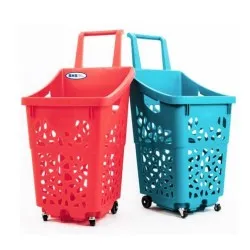
Article number: GL6018
A rolling shopping basket moves goods without lifting. Four swivel castors carry the load across flo..
Is available
16.99€
with VAT: 20.56€
Article number: GL7015
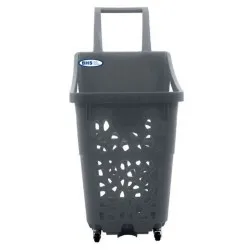
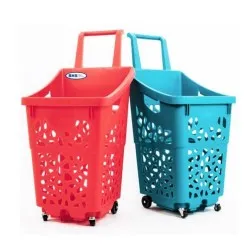
A rolling shopping basket moves goods without lifting. Four swivel castors carry the load over floor..
Is available
16.99€
with VAT: 20.56€
Article number: GL9005
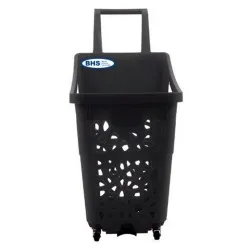
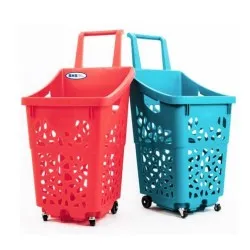
A rolling shopping basket designed for transporting bulk catering supplies between deliveries and st..
Is available
16.99€
with VAT: 20.56€
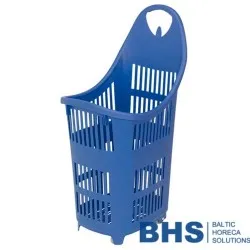
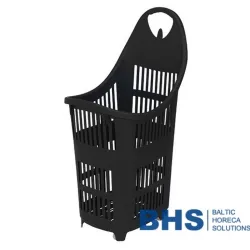
Article number: BOND1270
A shopping basket on wheels moves goods through a commercial space without lifting. The basket holds..
Is available
20.88€
with VAT: 25.26€
Article number: BOND1147
A shopping basket on wheels designed for the demands of professional kitchens, storerooms and cateri..
Is available
23.11€
with VAT: 27.96€
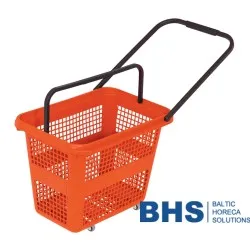
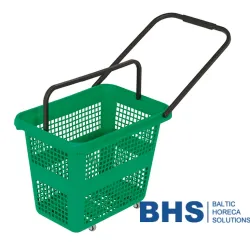
Article number: BARCELONA1455
A shopping basket on wheels transforms the way customers collect items in large retail spaces. Inste..
Is available
25.63€
with VAT: 31.01€
Article number: XXL1481
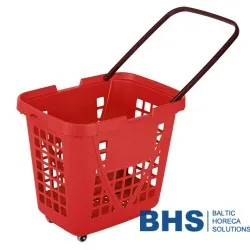
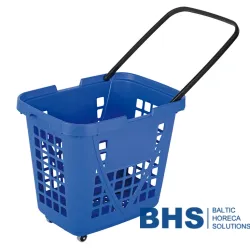
A shopping trolley built to carry bulk purchases across large retail floors without strain. The flat..
Is available
26.53€
with VAT: 32.10€
Article number: SUPERBOND1491
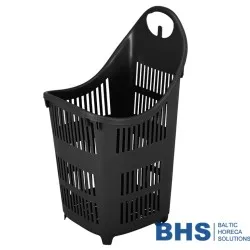
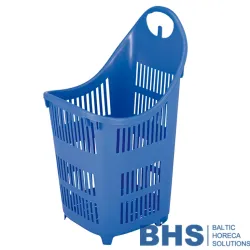
A shopping basket on wheels designed for high-volume retail environments moves goods from shelf to c..
Is available
27.47€
with VAT: 33.24€
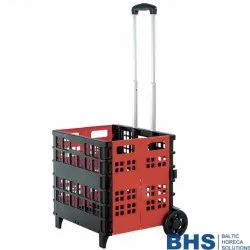
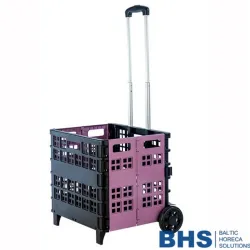
Article number: PR5260
A foldable cart designed for moving supplies across kitchen floors and loading docks without permane..
Is available
36.99€
with VAT: 44.76€
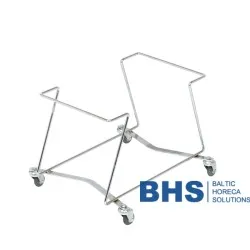
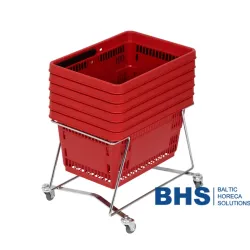
Article number: AIRPORT6420
A stacker keeps hand baskets upright and aligned so they take the least floor space while remaining ..
Is available
69.59€
with VAT: 84.20€
Article number: GREAT6428
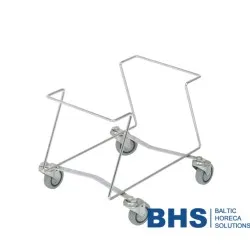
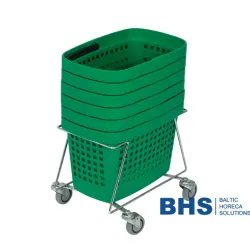
A stacker keeps hand baskets aligned and upright so they do not topple or scatter across the shop fl..
Is available
69.59€
with VAT: 84.20€
Article number: RB32L6432
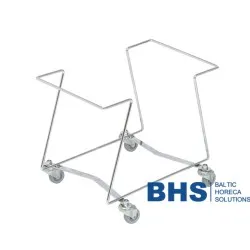
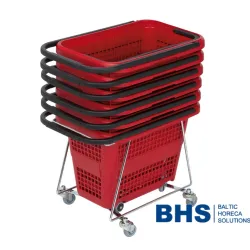
A stacker keeps rolling baskets aligned and stable while they are stored or moved through a catering..
Is available
69.59€
with VAT: 84.20€
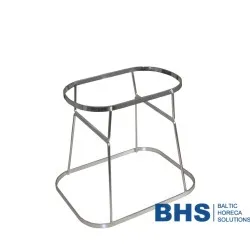
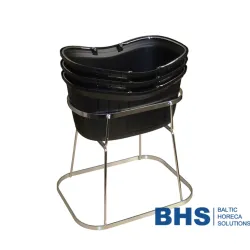
Article number: DELUX6412
A metal stacker organises Delux 12 litre hand baskets vertically, clearing floor space while keeping..
Is available
70.31€
with VAT: 85.08€
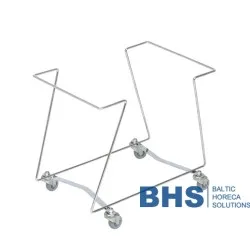
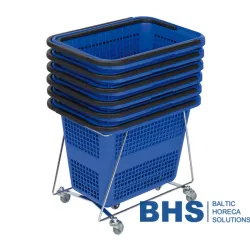
Article number: BARCELONA6454
A stacker keeps Barcelona rolling baskets upright and aligned, letting staff load and unload goods w..
Is available
72.74€
with VAT: 88.02€
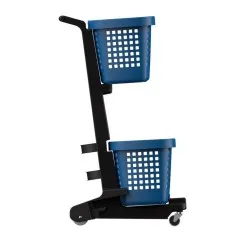
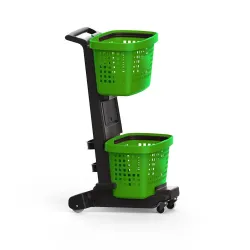
Article number: SNUPY+2Great
A shopping cart built for organised catering supply runs, the BHS SNUPY+2Great keeps ingredients and..
Is available
74.99€
with VAT: 90.74€
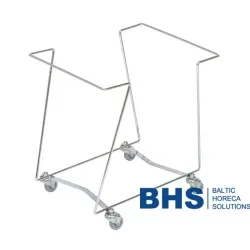
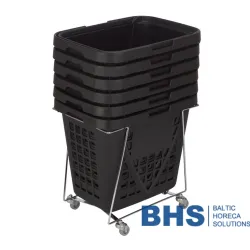
Article number: XXL6480
A stacker designed to hold 80 litre rolling baskets keeps storage areas tidy and frees up floor spac..
Is available
84.49€
with VAT: 102.23€
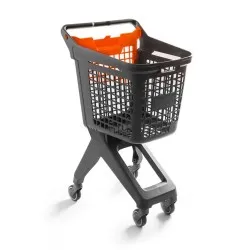
Article number: UP80
A shopping cart built for the tight spaces and fast pace of professional kitchens, storerooms and se..
Is available
99.99€
with VAT: 120.99€