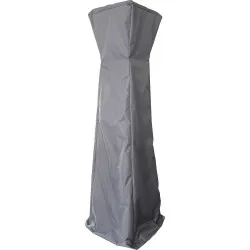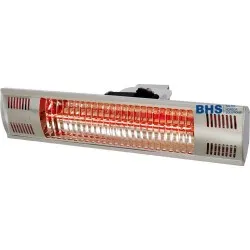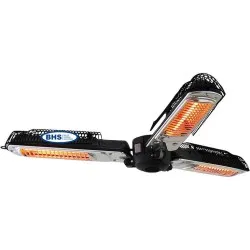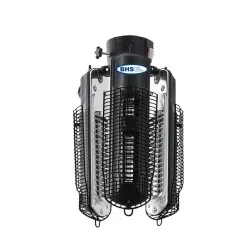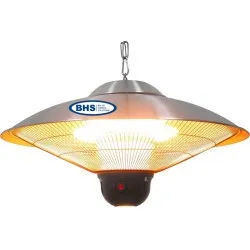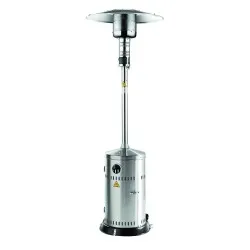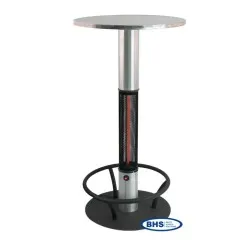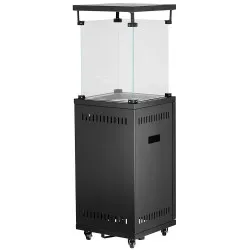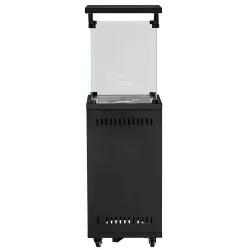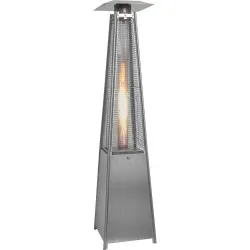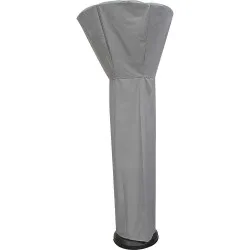
Gas and electric heaters are professional heating appliances for outdoor terraces in restaurants, cafés and bars — allowing the outdoor seating season to be extended in climatic conditions. Terrace heaters provide warmth for guests in outdoor areas when the temperature drops below a comfortable level for sitting outside, thereby increasing the restaurant's seating capacity and revenue during cooler months. The BHS range of gas and electric heaters is available to HoReCa businesses across Europe as part of the Bar Equipment portfolio. The BHS team helps select the most suitable heating solution for a specific outdoor terrace.
BHS offers terrace heaters to restaurants, cafés and bars. Both gas and electric options are available for different terrace types and power requirements.
Terrace heaters allow restaurants and cafés to make full use of outdoor space from early spring to late autumn — and in some cases even in winter, if the area is sufficiently sheltered. Every additional week that the outdoor terrace remains open directly impacts revenue, so choosing the right heating solution is a commercially significant decision.
Gas heaters
Gas terrace heaters provide intense heat over a larger radius — suitable for large outdoor terraces or areas without an electricity connection. They operate on propane or natural gas, require no electrical connection, making them mobile and easy to move. Gas heaters are popular in outdoor event areas where quick setup and mobility are a priority.
A drawback of gas heaters is the need for regular gas cylinder replacement or a gas supply connection, as well as stricter safety regulations in enclosed or partially enclosed spaces.
Electric heaters
Electric terrace heaters — often using infrared heating technology — provide efficient localised heat without flames or combustion gases. They are suitable for partially covered terraces and event spaces where gas use is not permitted. Electric heaters produce no combustion by-products, are quieter and often more aesthetically compact than gas options.
A limitation of electric heaters is the need for an electricity connection and a higher-power electrical installation for more intensive heating.
How to choose a terrace heater
The main criterion is the size of the terrace and the area to be heated. Large open terraces require multiple heaters with a wide heat radiation radius, while a small, partially covered terrace may only need one compact electric heater.
The second aspect is the available energy resources — whether the terrace has a suitable electricity connection for electric heaters or if gas is planned for use.
- Assess the area and shape of the outdoor terrace to be heated
- Choose the gas option for mobile or large open areas
- Choose the electric option for covered or partially enclosed terraces
The terrace season and the importance of heating
In the climate, a restaurant or café outdoor terrace operates fully for only about 4–5 months a year — from May to September. With high-quality terrace heaters, this period can be extended by 2–3 months in early spring and late autumn, when guests are interested in sitting outdoors but the temperature without heating support is too cold. Every additional week that the outdoor terrace remains open directly increases the restaurant's revenue and seating capacity. BHS provides professional heating solutions for restaurants.
Safety regulations for gas heaters
Specific safety regulations apply to the use of gas terrace heaters, which must be observed by all HoReCa businesses. Gas heaters are prohibited in fully enclosed spaces, and partially covered terraces require adequate ventilation. Fire safety standards set minimum distances from combustible surfaces, so installation must be planned in compliance with these requirements. The BHS team can advise on the safe placement of gas heaters in a specific outdoor area.
Advantages of infrared technology for electric heaters
Electric terrace heaters using infrared heating technology have several advantages over gas options. Infrared heat directly warms bodies and surfaces rather than the air, making it more effective in windy conditions. Restaurant terraces with regular wind exposure often choose infrared technology heaters as a more efficient solution. Additionally, electric heaters produce no combustion by-products and are safer for use in partially enclosed spaces.
Energy consumption and cost planning
The cost of terrace heating is an important factor in restaurant budget planning. Gas heater fuel costs depend on gas prices and usage intensity, while electric heater costs depend on electricity tariffs. Electricity prices can vary, so calculating energy consumption helps determine which option is more cost-effective for a specific business in the long term. The BHS team can assist in calculating energy consumption for a specific heating solution.
Frequently asked questions
What power is required for a standard restaurant terrace?
Power calculation depends on the terrace area, the degree of coverage and the outdoor temperature. As a guideline — a medium-sized uncovered terrace requires 1–2 heaters with a total power of 8–15kW. The BHS team can help calculate the required power for a specific restaurant terrace.
Can a gas heater be used on a partially covered terrace?
Yes, but with the condition that adequate ventilation is ensured and fire safety regulations are observed. Gas heaters are not permitted in fully enclosed spaces. BHS can provide advice on the safe use of gas heaters in a specific outdoor area.
Why choose BHS?
BHS – Baltic HoReCa Solutions supplies professional equipment for restaurants, cafés, hotels and canteens: more than 20,000 products from many manufacturers. Our specialists help you choose the right equipment and spare parts for your kitchen or bar.
Delivery
We deliver across the European Union. Delivery time and cost depend on the order volume and destination — contact the BHS team for an exact price and lead time.