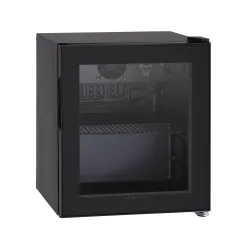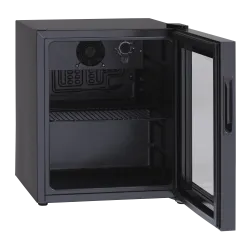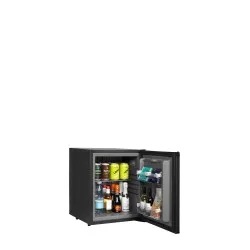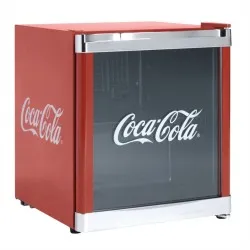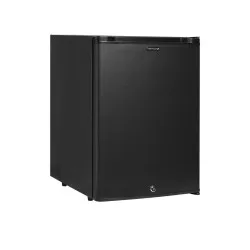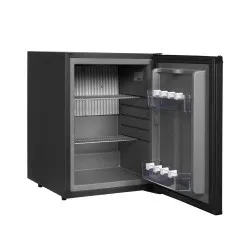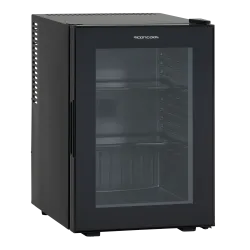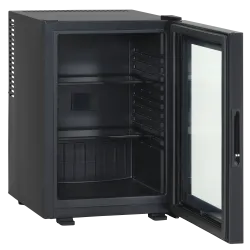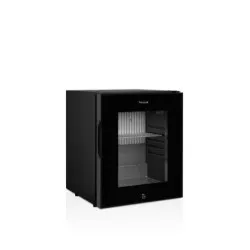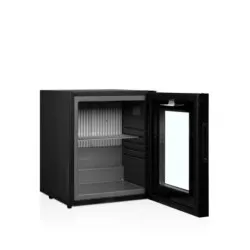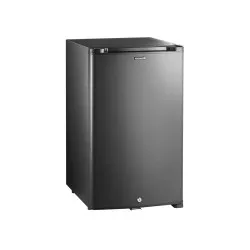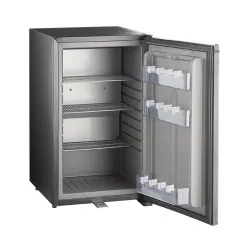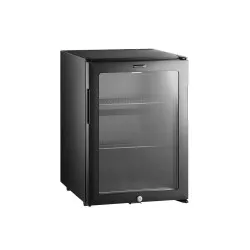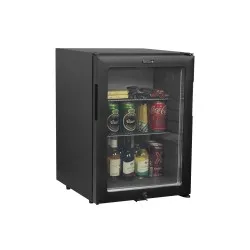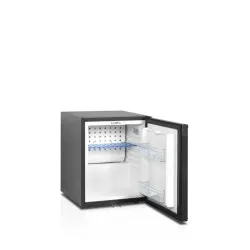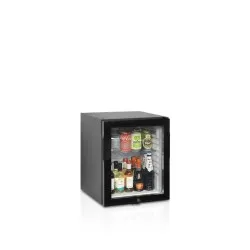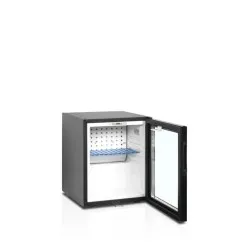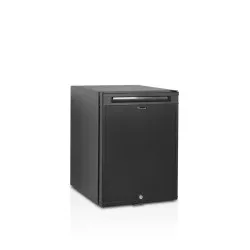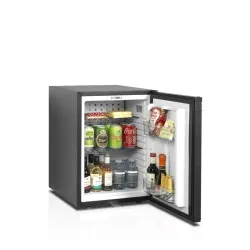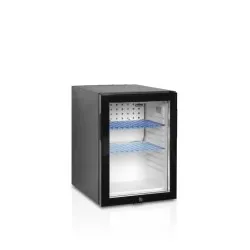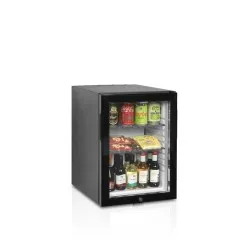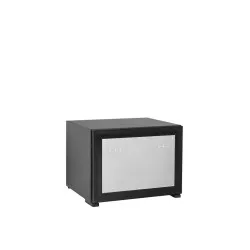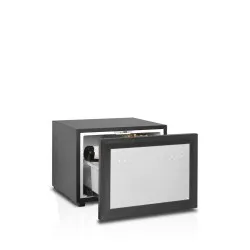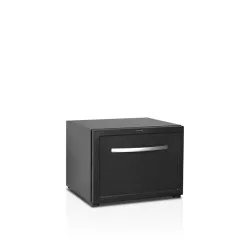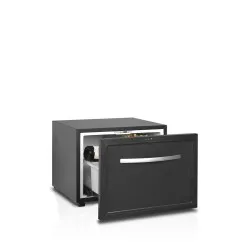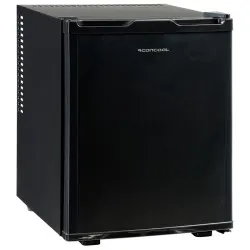
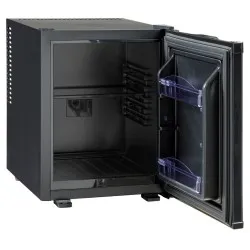
A Mini Bar is a compact beverage cooling and storage solution for hotel rooms, VIP spaces and offices, providing guests or employees with conveniently accessible chilled drinks and snacks. Professional mini bar refrigerators are quiet, energy-efficient and equipped with an elegant design surface that fits into any interior style. In hotels, a mini bar is standard equipment in three-star rooms and above. Purchasing a mini bar increases the hotel’s overall revenue from room service and improves guest satisfaction ratings, which directly impacts the hotel’s star classification and repeat visitor flow. BHS offers mini bar equipment as part of the Bar Equipment range to HoReCa businesses across Europe.
A mini bar is standard hotel room equipment that provides guests with the opportunity to enjoy chilled drinks and snacks in the room without needing to visit a restaurant or shop. From a business perspective, a mini bar is an additional source of revenue and enhances guest satisfaction, improving the hotel’s overall service rating.
Mini bar equipment
Compact mini refrigerators are the main element of a mini bar—they chill drinks, chocolate and other products at the correct temperature while offering an elegant design and quiet operation. Professional models differ from household versions with a lower noise level (usually below 35 dB), longer service life and more suitable dimensions for standardised niches in hotel room furniture.
Additional mini bar elements may include a water boiler or Coffee Machines for preparing tea and coffee in the room. Serving accessories—glasses, openers and napkins—are an integral part of mini bar equipment.
Mini refrigerator parameters
The capacity of a mini refrigerator is typically 30–100 litres—depending on the room class and hotel concept. Economy-class rooms require only a 30–40 litre unit, while luxury-sector rooms are better suited to 60–100 litre models with a separate freezer and a wider assortment.
Energy consumption is an important factor for large hotels with hundreds of rooms—mini bar refrigerator energy efficiency class directly impacts overall operating costs. A++ or higher class models are more cost-effective in the long term.
Pricing and security
Hotels can use different mini bar management systems—from manual inventory (staff regularly check and restock) to automatic weight sensor systems that register each product taken and automatically add it to the guest’s bill. Automatic systems reduce staff workload and minimise the risk of theft.
Use outside hotels
VIP rooms and conference spaces with high service standards are equipped with mini bars to provide chilled drinks without staff involvement. Offices with high client reception standards use mini bars in VIP waiting areas, creating a professional impression for visitors. Private event venues and clubhouse spaces also actively use mini bar solutions.
Maintenance and hygiene
Regular cleaning of the mini bar refrigerator is mandatory—at least once a week, the surface must be wiped and product expiry dates checked. The rear cooling element of the unit must be regularly cleaned of dust to maintain cooling efficiency. Larger hotels establish regular maintenance schedules for all mini bars.
Mini bar assortment and restocking
Choosing and regularly restocking the mini bar assortment is a question of optimising hotel revenue. The most popular products are bottled water, carbonated drinks, beer and juices, as well as sweets and snacks. Analysing the most popular products in a specific room or hotel allows for assortment optimisation and reduces product losses.
Guest satisfaction and service class
A mini bar directly impacts a guest’s overall satisfaction with their hotel stay. A well-equipped mini bar with a wide range of chilled products creates an impression of high service standards. In hotels, a mini bar is a mandatory standard element in three-star rooms and above, which guests expect and evaluate based on product variety and cooling quality.
Electricity consumption in large hotels
Hundreds of mini bar refrigerators in a hotel are a significant source of electricity consumption—choosing energy-efficient models results in considerable savings. A++ or higher class refrigerators for each room can reduce the mini bars’ overall energy consumption by twenty to thirty percent, which in large hotels amounts to a significant cost reduction per year.
Automated inventory and product management
Modern hotels use automated mini bar inventory systems—sensors detect product removal and automatically register the cost on the guest’s account. Such systems reduce staff workload, prevent theft and ensure accurate stock management. High-class hotels are increasingly adopting these technologies to modernise their service.
Mini bar use outside hotels
VIP rooms in business centres and conference spaces with high service standards are equipped with mini bars. Offices with active client reception use mini bars in waiting areas or meeting rooms. Private event venues and exclusive clubs use mini bar refrigerators to provide chilled products without constant staff presence.
Maintenance schedule and inventory
Effective mini bar management in hotels requires a regular maintenance schedule—daily restocking, weekly cleaning and product expiry date checks. Larger hotels conduct centralised mini bar inventory either automatically or with specially trained staff. Regular inventory identifies systematic theft cases and allows for assortment adjustments based on consumption trends.
Design and interior concept
The mini bar refrigerator design must match the room’s interior style—premium rooms are suited to wood or chrome-finished models, while economy-class rooms use functional steel or black units. The unit’s size and shape must be adapted to the niche or available space in the room. Noise level is important—a quiet compressor does not disturb guests’ sleep at night.
Sustainability and energy class
In the hotel industry, sustainability is becoming a competitiveness factor—energy-efficient mini bars with a high energy class reduce the carbon footprint and help the hotel qualify for green certification. The latest generation compressors use natural refrigerants that do not harm the ozone layer. Where environmental friendliness is becoming a marketing argument, choosing energy-efficient equipment is a strategic decision. A large mini bar fleet in a hotel can be partially powered by solar energy, reducing grid electricity dependence and cutting operating costs.
Why choose BHS?
BHS – Baltic HoReCa Solutions supplies professional equipment for restaurants, cafés, hotels and canteens: more than 20,000 products from many manufacturers. Our specialists help you choose the right equipment and spare parts for your kitchen or bar.
Delivery
We deliver across the European Union. Delivery time and cost depend on the order volume and destination — contact the BHS team for an exact price and lead time.