

-550x550w.webp)
Article number: BUN
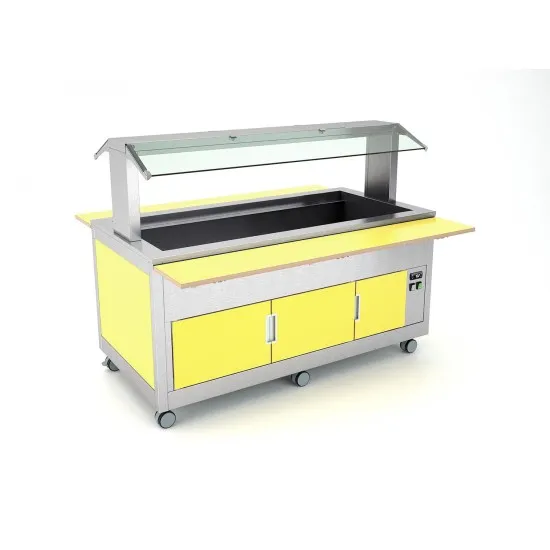
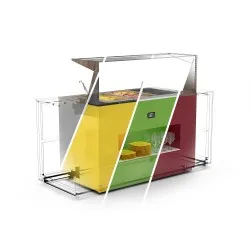
A buffet unit designed for professional catering displays, where dishes are presented under controll..
Is available
1,639.00€
with VAT: 1,983.19€
Article number: BUNE
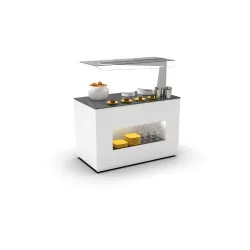
A buffet unit designed to present dishes under even, controlled lighting, the SAYL BUNE creates an i..
Is available
1,849.00€
with VAT: 2,237.29€
Article number: BUNA
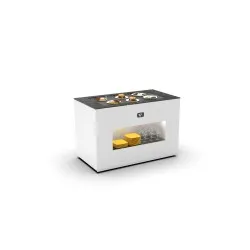
The SAYL BUNA is a buffet unit designed for displaying food in self-service settings. Its constructi..
Is available
1,899.00€
with VAT: 2,297.79€
Article number: BUS
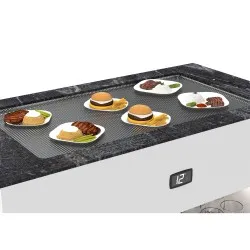
A heated buffet surface keeps dishes at serving temperature without overcooking or drying them out. ..
Is available
2,119.00€
with VAT: 2,563.99€
Article number: 274064
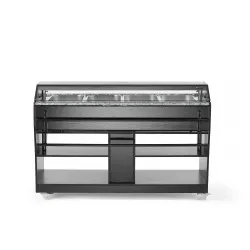
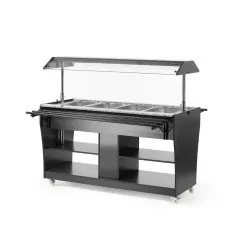
This heated buffet unit maintains plated dishes or bulk portions at serving temperature without dryi..
Is available
2,299.00€
with VAT: 2,781.79€
Article number: BUSE
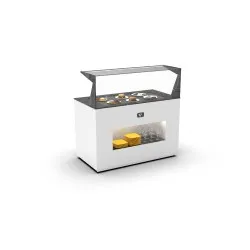
A heated buffet keeps plated dishes at serving temperature without overcooking or drying them. The B..
Is available
2,329.00€
with VAT: 2,818.09€
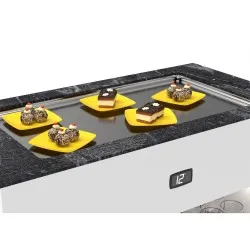
Article number: BUF15
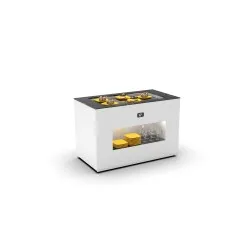
The SAYL BUF15 is a type of buffet designed for keeping food chilled. Its operating principle relies..
Is available
2,339.00€
with VAT: 2,830.19€
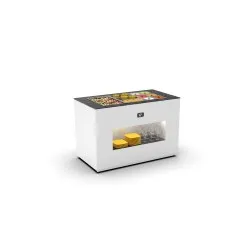
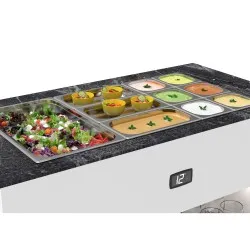
Article number: BUF65
This refrigerated unit preserves gastronorm containers at serving temperatures without compromising ..
Is available
2,369.00€
with VAT: 2,866.49€
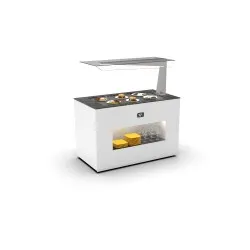
Article number: BUSA
The SAYL BUSA is a buffet with a heated surface, suitable for self-service display in canteens. It f..
Is available
2,389.00€
with VAT: 2,890.69€
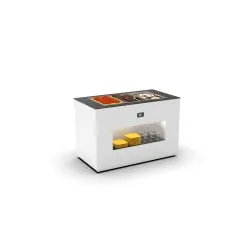
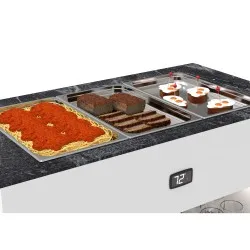
Article number: BUB65
A heated buffet unit holds gastronorm pans above a warming surface so that plated dishes stay at ser..
Is available
2,449.00€
with VAT: 2,963.29€
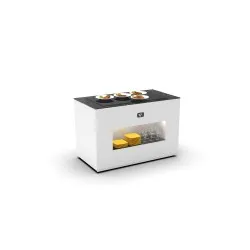
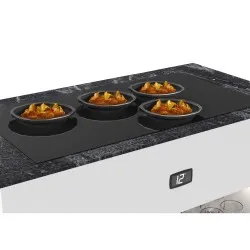
Article number: BUC
The SAYL BUC is a buffet designed for self-service display cases. It features a heated glass surface..
Is available
2,449.00€
with VAT: 2,963.29€
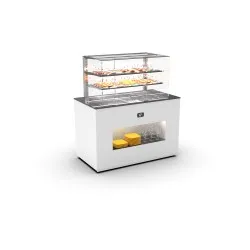
Article number: BUNV
A buffet display case designed to present dishes under even, attractive lighting while maintaining v..
Is available
2,479.00€
with VAT: 2,999.59€
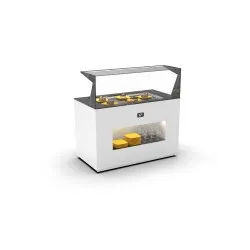
Article number: BUF15E
The SAYL BUF15E is a cold buffet designed for self-service display and buffet setups.
This type of a..
Is available
2,519.00€
with VAT: 3,047.99€
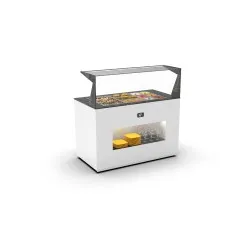
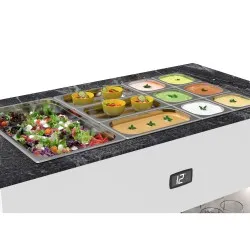
Article number: BUF65E
The SAYL BUF65E is a cold buffet designed for displaying food in GN containers. This unit operates u..
Is available
2,559.00€
with VAT: 3,096.39€
Article number: BUF15A
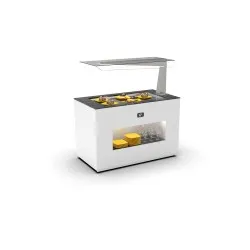
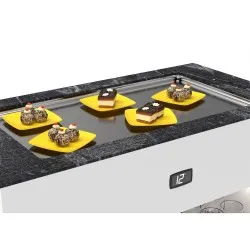
This refrigerated buffet counter keeps prepared dishes chilled during presentation. Cool air circula..
Is available
2,579.00€
with VAT: 3,120.59€
Article number: BUF65A
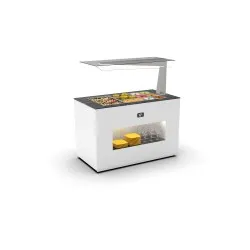
A refrigerated buffet unit keeps prepared dishes chilled while they are displayed and served. The BU..
Is available
2,599.00€
with VAT: 3,144.79€
Article number: BUB65E
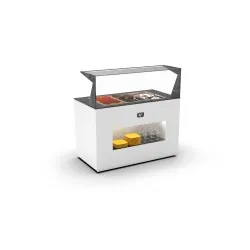
A heated buffet keeps plated dishes or bulk pans at serving temperature without further cooking. The..
Is available
2,639.00€
with VAT: 3,193.19€
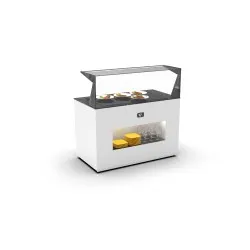
Article number: BUCЕ
Its primary function is to maintain food at a specific temperature using a heated glass surface.
The..
Is available
2,659.00€
with VAT: 3,217.39€
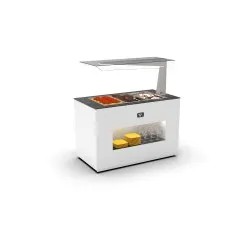
Article number: BUB65A
This heated buffet unit is designed to maintain gastronorm pans at serving temperature, ensuring dis..
Is available
2,699.00€
with VAT: 3,265.79€
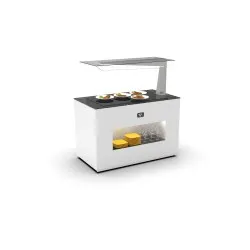
Article number: BUCA
A heated glass surface maintains dishes at a steady 60 °C, preserving warmth and presentation throug..
Is available
2,699.00€
with VAT: 3,265.79€
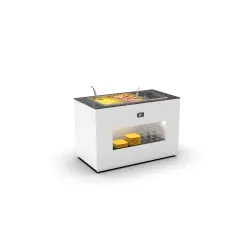
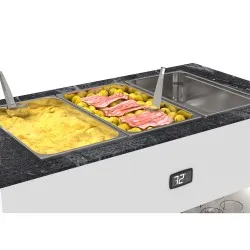
Article number: BUB150
A heated buffet unit holds gastronorm pans at serving temperature without direct heat from below. In..
Is available
2,779.00€
with VAT: 3,362.59€
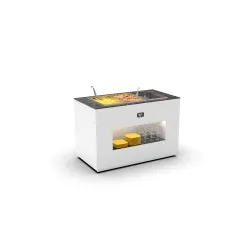
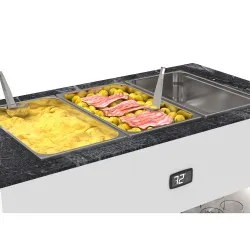
Article number: BUF150
The SAYL BUF150 is a cold buffet suitable for self-service displays in canteens and buffet settings...
Is available
2,899.00€
with VAT: 3,507.79€
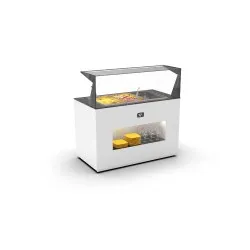
Article number: BUB150E
A heated buffet holds gastronorm pans at serving temperature without drying or scorching the food. A..
Is available
2,929.00€
with VAT: 3,544.09€
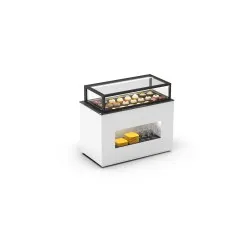
Article number: BUF120-20N
A buffet unit designed for front-of-house service combines secure food display with a neutral-temper..
Is available
2,929.00€
with VAT: 3,544.09€
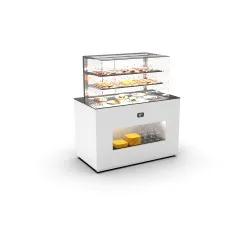
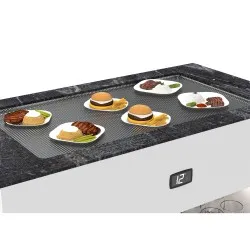
Article number: BUSV
A heated surface maintains dishes at a steady 60 °C, keeping food warm and ready for service without..
Is available
2,999.00€
with VAT: 3,628.79€
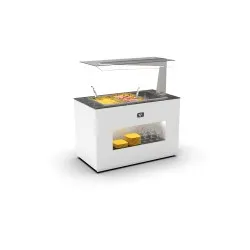
Article number: BUB150A
The SAYL BUB150 A is a heated buffet suitable for self-service display cases and canteens. This righ..
Is available
3,159.00€
with VAT: 3,822.39€
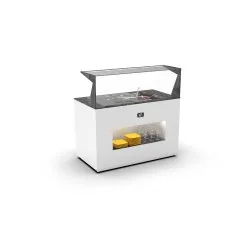
Article number: BUF150E
A refrigerated worktop keeps prepared dishes chilled while they are presented to guests. The SAYL BU..
Is available
3,159.00€
with VAT: 3,822.39€
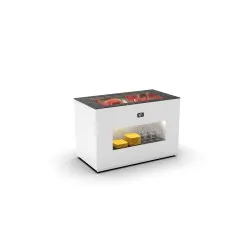
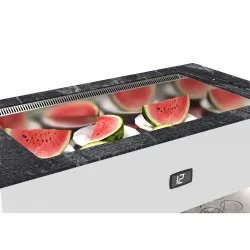
Article number: BUF150F
A refrigerated buffet unit keeps chilled food at serving temperature without drying or spoiling. Sta..
Is available
3,189.00€
with VAT: 3,858.69€
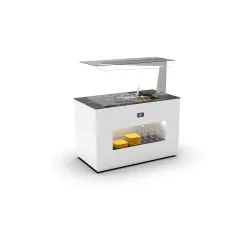
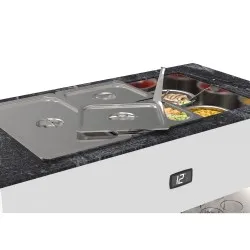
Article number: BUF150A
A refrigerated buffet keeps chilled dishes ready for service without drying or spoiling them. Static..
Is available
3,219.00€
with VAT: 3,894.99€
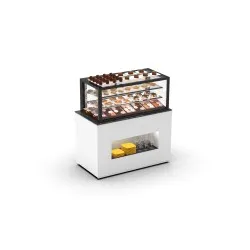
Article number: BUF120-50N
A neutral-temperature display case keeps prepared dishes at room temperature while showcasing them t..
Is available
3,239.00€
with VAT: 3,919.19€
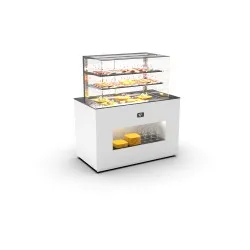
Article number: BUF15V
A cold buffet display case holds chilled dishes at serving height so guests can see and reach them w..
Is available
3,249.00€
with VAT: 3,931.29€
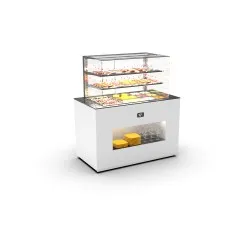
Article number: BUF65V
The SAYL BUF65 V is a cold buffet designed for displaying food items at controlled temperatures. Thi..
Is available
3,279.00€
with VAT: 3,967.59€
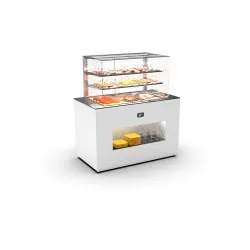
Article number: BUB65V
A heated buffet display case keeps prepared dishes warm and visible for service without drying or ov..
Is available
3,299.00€
with VAT: 3,991.79€
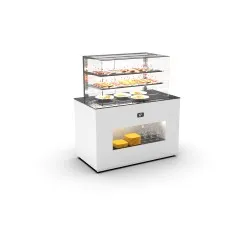
Article number: BUCV
A buffet display case that keeps dishes at a steady 60 °C across its entire glass surface, ensuring ..
Is available
3,329.00€
with VAT: 4,028.09€
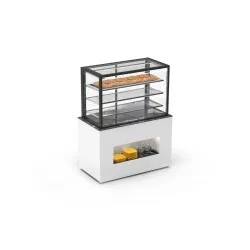
Article number: BUF120-80N
The SAYL BUF120-80N is a buffet unit designed for self-service display in canteens. Its construction..
Is available
3,369.00€
with VAT: 4,076.49€
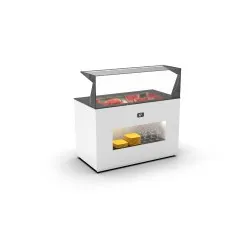
Article number: BUF150FE
A refrigerated work surface keeps chilled dishes at serving temperature without ice trays or externa..
Is available
3,369.00€
with VAT: 4,076.49€
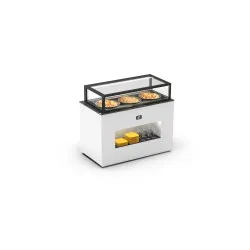
Article number: BUF120-20C
The SAYL BUF120-20C is a heated buffet unit for self-service display and holding of food.
This appli..
Is available
3,429.00€
with VAT: 4,149.09€
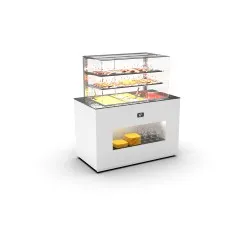
Article number: BUB150V
A heated buffet display case keeps prepared dishes warm while presenting them to customers. The unit..
Is available
3,639.00€
with VAT: 4,403.19€
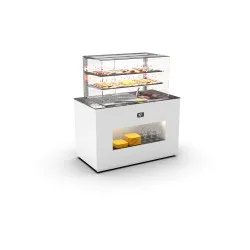
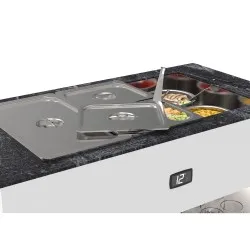
Article number: BUF150V
This refrigerated buffet maintains prepared dishes at a consistent chill for presentation. Static co..
Is available
3,689.00€
with VAT: 4,463.69€
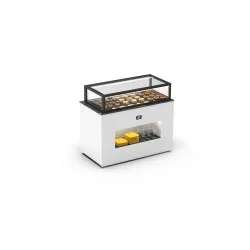
Article number: BUF120-20
A ventilated cooling system circulates chilled air evenly across every shelf, keeping prepared dishe..
Is available
3,699.00€
with VAT: 4,475.79€
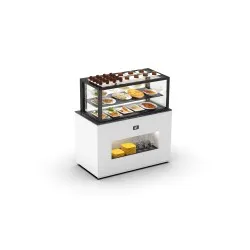
Article number: BUF120-50C
A heated buffet unit maintains food at serving temperature while presenting it under glass for custo..
Is available
3,779.00€
with VAT: 4,572.59€
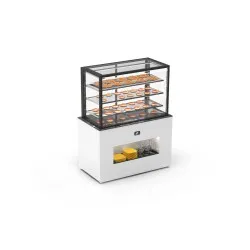
Article number: BUF120-80C
The SAYL BUF120-80C is a heated buffet unit designed for self-service display and serving. This appl..
Is available
3,879.00€
with VAT: 4,693.59€
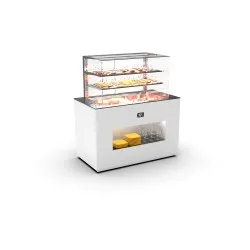
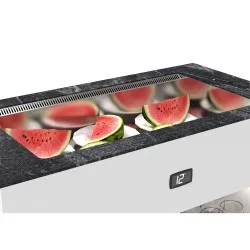
Article number: BUF150FV
This static-cooling buffet unit preserves chilled dishes at serving temperature through natural conv..
Is available
3,889.00€
with VAT: 4,705.69€
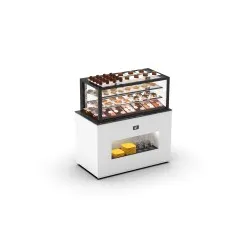
Article number: BUF120-50
This cold buffet display case chills prepared dishes while showcasing them to customers. A built-in ..
Is available
4,099.00€
with VAT: 4,959.79€
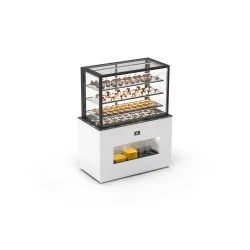
Article number: BUF120-80
A cold buffet display case keeps prepared dishes chilled while presenting them to customers for self..
Is available
4,239.00€
with VAT: 5,129.19€