


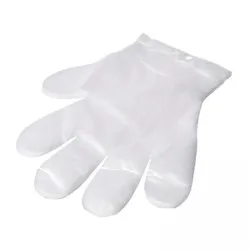
Article number: 571033
Disposable polyethylene gloves form a thin, flexible barrier between hands and food or surfaces. The..
Is available
0.40€
with VAT: 0.48€
/gloves%20(1)-250x250h.webp "Workwear BHS-HoReCa BHS-1823029")
Article number: BHS-1823029
Rubber gloves protect hands from detergents, acids and moisture while allowing precise handling of s..
Is available
2.19€
with VAT: 2.65€
/bluglov-250x250h.webp "Workwear BHS-HoReCa BHS-18230301")
Article number: BHS-18230301
Rubber gloves form a flexible barrier between the skin and liquids or small objects. Natural latex s..
2.19€
with VAT: 2.65€
/BHS-1823100%20(1)-250x250h.webp "Workwear BHS-HoReCa BHS-1823100")
Article number: BHS-1823100
Rubber gloves form a flexible barrier between skin and liquids, powders or sharp objects. The latex ..
Is available
2.49€
with VAT: 3.01€
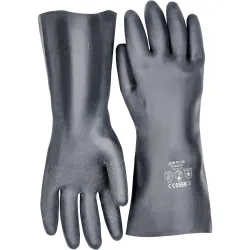
Article number: 505051
Disposable latex gloves create a thin, flexible barrier between the skin and food, cleaning chemical..
Is available
2.60€
with VAT: 3.15€
Article number: 505053
Latex gloves form a flexible barrier between hands and food, chemicals or hot surfaces. The natural ..
Is available
2.60€
with VAT: 3.15€
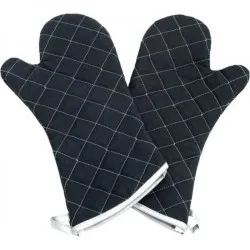
Article number: 505013
These Stalgast oven gloves, article number 505013, are designed for use in professional kitchens. Th..
Is available
8.82€
with VAT: 10.67€
/glv%20(1)-250x250h.webp "65 cm long-sleeve nitrile rubber gloves BHS-HoReCa BHS-772")
Article number: BHS-772
These are 65 cm long-sleeve nitrile rubber gloves by BHS-HoReCa, article BHS-772...
Is available
22.40€
with VAT: 27.10€

Article number: 556658
These are HENDI article 556658, a pair of leather protective gloves.
The operating principle of prot..
Is available
23.50€
with VAT: 28.44€
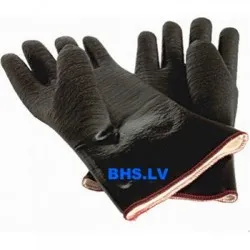
Article number: 505020
These are oil-resistant gloves from the brand Stalgast, article number 505020.
Gloves of this type a..
Is available
25.20€
with VAT: 30.49€

Article number: 556689
Oven gloves of this type shield the hands and forearms from radiant and conducted heat when handling..
Is available
25.50€
with VAT: 30.86€
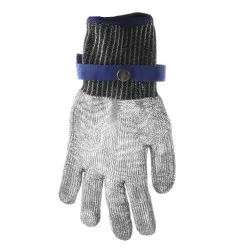
Article number: 556665
These are HENDI cut resistant gloves, article number 556665. They are designed to protect the wearer..
Is available
29.50€
with VAT: 35.70€
Article number: 556672
These are HENDI cut-resistant gloves in size L, article number 556672. Designed for protection durin..
Is available
29.50€
with VAT: 35.70€
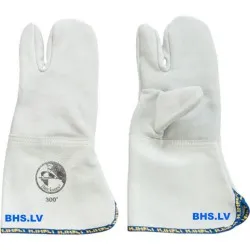
Article number: 505011
These oven mitts from Stalgast, article number 505011, are designed for handling hot items in a prof..
Is available
31.82€
with VAT: 38.50€
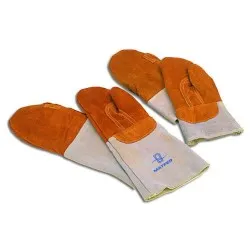
Article number: 505014
Oven mitts protect the hands and forearms from radiant and conducted heat when removing hot trays, t..
Is available
35.10€
with VAT: 42.47€
Showing 1 to 15 of 15 (1 Pages)