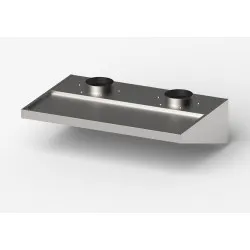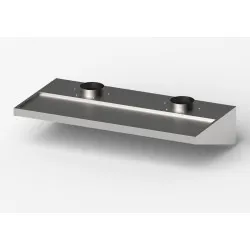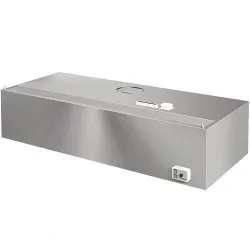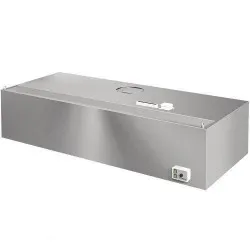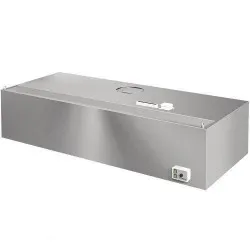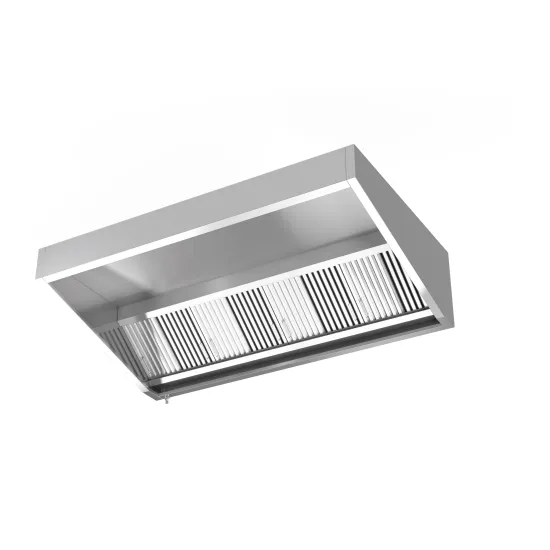
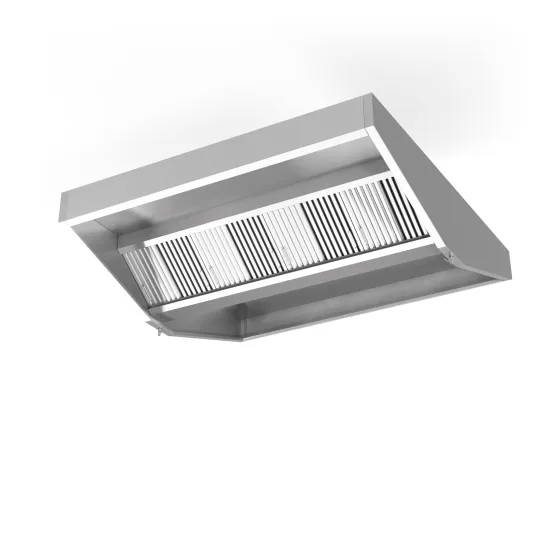
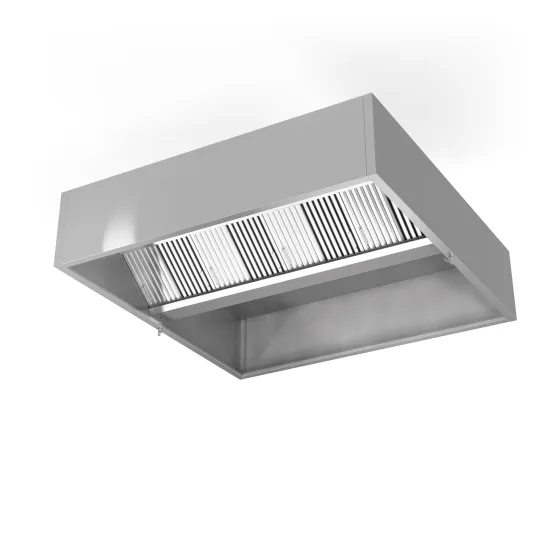
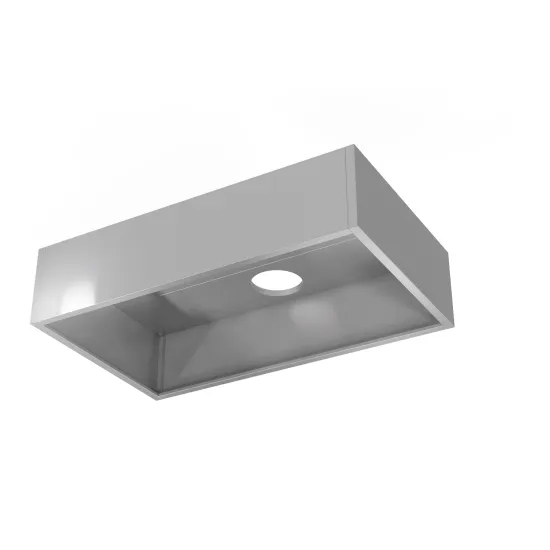
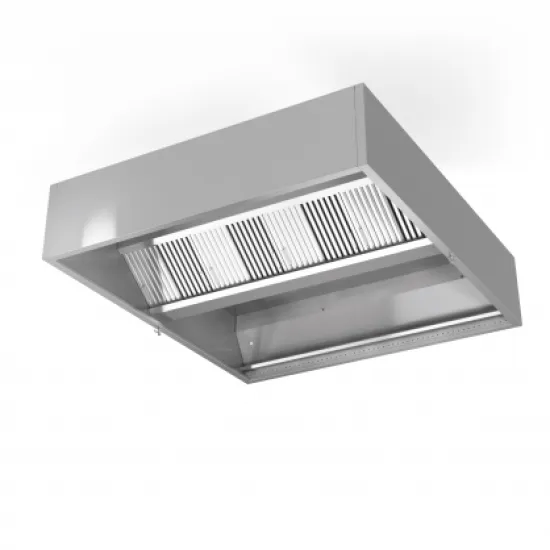
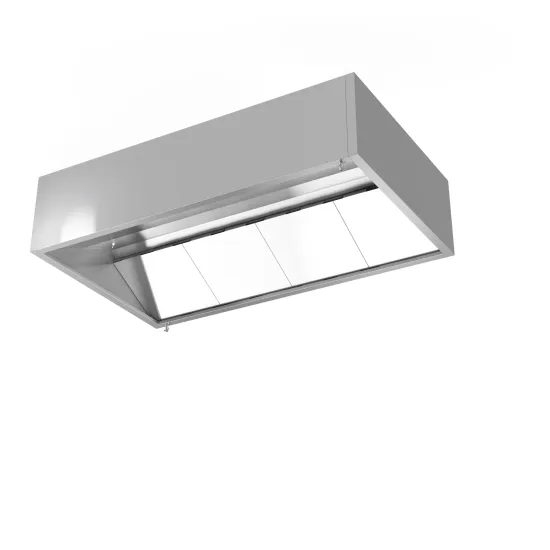
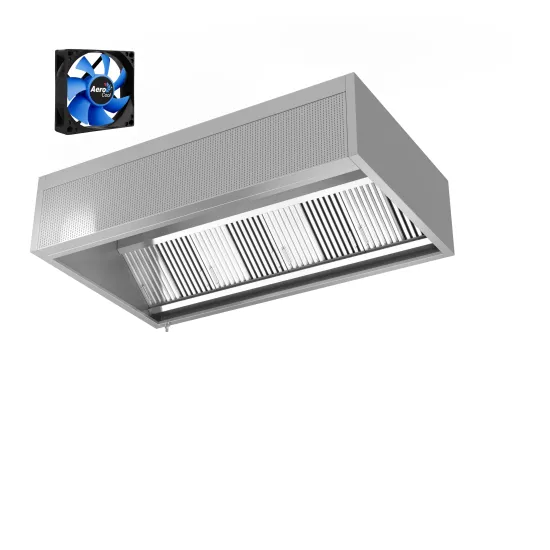
Extraction hoods are an essential part of a professional kitchen ventilation system—they ensure the effective removal of steam, grease particles and unpleasant odours from the cooking area. In professional kitchens, extraction hoods differ from those used in households with greater power and a more complex filtration system. Proper ventilation reduces the accumulation of heat and moisture in the kitchen space, extending the service life of equipment and providing a comfortable working environment for staff. The choice of extraction hood should be adapted to the power of the cooker, the intensity of food preparation and the dimensions of the room in accordance with the kitchen project and ventilation standards. BHS offers extraction hoods to HoReCa businesses across Europe.
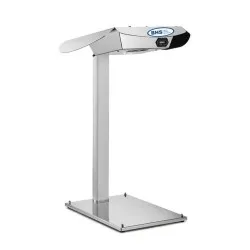
Available in this category: Air Supply Unit Z-HASP and other ventilation solutions for effective steam extraction in professional kitchens.
High-quality kitchen ventilation and steam extraction are mandatory requirements in professional kitchens—they ensure workplace safety, prevent the accumulation of moisture and air condensation on surfaces. A properly selected extraction hood is a long-term investment in the efficient operation of the kitchen. Professional extraction hoods are designed for intensive use and comply with the ventilation standards of catering businesses.
Types of extraction hoods
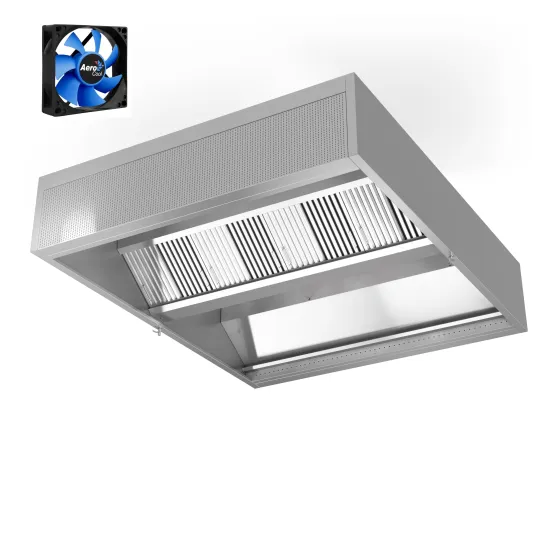
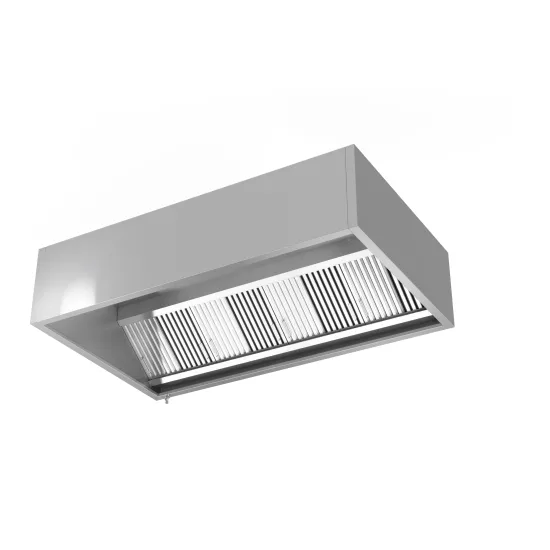
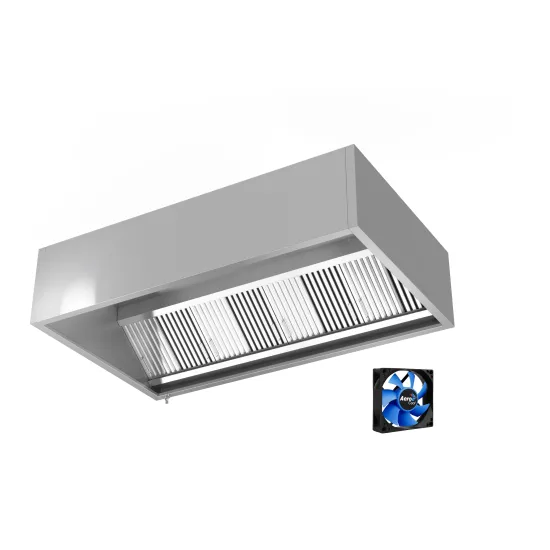
Several types of extraction hoods are used in professional kitchens, depending on the kitchen layout and equipment arrangement. Wall hoods are installed against the wall above a stove or cooker, while island hoods are designed to cover freestanding equipment from above in the central kitchen zone. Modular hoods allow the ventilation system to be adapted in case of kitchen replanning. BHS helps choose the most suitable type of hood for a specific kitchen layout.
Power selection according to the kitchen
The choice of extraction hood power is a critical decision that directly affects the efficiency of the ventilation system. Insufficient power does not ensure complete removal of steam and grease particles, leading to moisture and dirt accumulation and the spread of cooking odours outside the kitchen. Excessive power results in unjustified energy costs and increased noise. The power of the hood is determined by the power of the stove or griddle, the intensity of cooking and the cubic capacity of the kitchen space—BHS provides advice on the optimal calculation.
Filtration systems
Professional kitchens use metal grease filters that capture grease particles before the air enters the ventilation duct. Regular filter cleaning is a mandatory fire safety requirement—accumulated grease is highly flammable and poses a real fire risk. Metal filters are reusable; they are washed in a dishwasher or by hand. Carbon filters are used in recirculation hoods in rooms without an external ventilation duct, but they are less effective for professional kitchens.
Air supply system
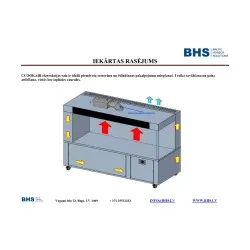
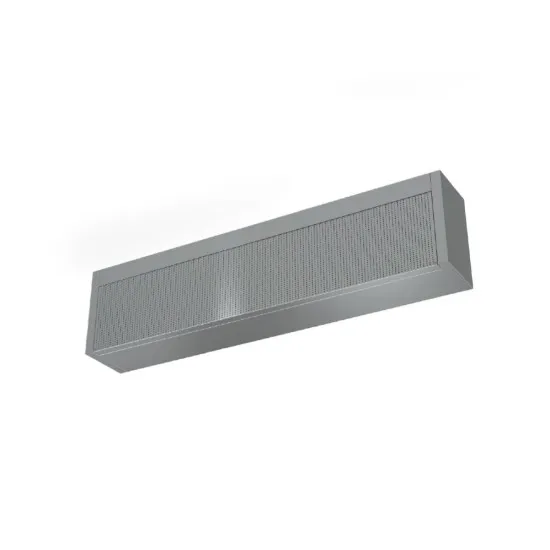
For effective ventilation in a professional kitchen, it is necessary to ensure not only extraction but also compensating air supply. Without sufficient air supply, the extraction hood creates negative pressure in the room, reducing its efficiency and potentially causing unwanted air intake through doors or windows. The Air Supply Unit Z-HASP provides compensating air delivery directly to the hood zone. Proper air supply improves ventilation efficiency and reduces overall energy consumption.
Installation and ventilation ducts
The installation of an extraction hood requires planning—it is necessary to ensure a suitable ventilation duct outlet to the outside or to the building’s ventilation system. The height of the hood above the cooking surface affects both the efficiency of steam capture and workplace ergonomics. A hood that is too high reduces capture efficiency, while one that is too low interferes with work at the stove. The length of the ventilation duct and the number of bends should be minimal to ensure effective extraction.
Noise level
The noise level is an important parameter of an extraction hood, as kitchen staff work near it for long shifts. Professional hoods usually generate more noise than household models due to their higher power. Multi-speed fans allow the working noise to be adjusted according to the current load—at a lower setting, the noise is reduced. The quality of installation and acoustic insulation of the ducts significantly affect the overall noise level in the kitchen working environment.
Energy consumption and efficiency
Professional extraction hoods are significant energy consumers, as they operate at high power throughout the kitchen’s working hours. Energy-efficient models with multiple speed settings allow consumption to be reduced outside peak load periods. Power regulation according to the current cooking intensity saves electricity without compromising extraction efficiency. BHS offers energy-efficient hood solutions with a long-term cost analysis.
Maintenance and filter cleaning
Regular maintenance of the extraction hood is a fire safety requirement and a prerequisite for efficient operation. Metal grease filters should be cleaned at least once a week under intensive use, and more frequently than once a month in quieter kitchens. The fan blades, the inside of the duct and the inside of the hood body should be periodically cleaned of grease deposits. Neglected maintenance creates fire safety risks and gradually reduces ventilation efficiency.
Ventilation standards for professional kitchens
Professional kitchens are subject to mandatory ventilation standards that specify the minimum air exchange rate and hood efficiency. Compliance with these ventilation standards is a mandatory requirement for obtaining a business licence and meeting sanitary inspection requirements. It is advisable to involve a certified ventilation system designer in the hood design to ensure compliance with regulatory acts. BHS helps HoReCa businesses navigate ventilation requirements.
Comparison with household hoods
Professional extraction hoods differ from household models with significantly greater power, more durable construction and greater filtration capacity. Household hoods are not designed for continuous intensive use and rapid grease condensation conditions typical of restaurant kitchens. Professional hoods have thicker metal bodies, more powerful fan motors and larger filtration areas. The investment in a professional solution pays off with long-term reliability and ventilation that meets standards.
Stainless steel durability
Stainless steel provides extraction hoods with the necessary durability against moisture, temperature fluctuations and grease condensation for many years without corrosion. Regular cleaning keeps the stainless steel surface free of dirt build-up, ensuring long-term aesthetics and hygiene compliance. The investment in a high-quality stainless steel hood pays off with reduced repair costs and stable ventilation efficiency.
Frequently asked questions
How to calculate the required extraction hood power?
Power is calculated based on the stove power and the kitchen’s cubic capacity. BHS helps perform the calculation and choose the appropriate model.
How often should grease filters be cleaned?
In intensive kitchens—every week, in moderate ones—once every two weeks. BHS provides advice on maintenance frequency for a specific load.
Why choose BHS?
BHS – Baltic HoReCa Solutions supplies professional equipment for restaurants, cafés, hotels and canteens: more than 20,000 products from many manufacturers. Our specialists help you choose the right equipment and spare parts for your kitchen or bar.
Delivery
We deliver across the European Union. Delivery time and cost depend on the order volume and destination — contact the BHS team for an exact price and lead time.