A door seal is a simple but critically important component of refrigeration equipment — it provides an airtight seal between the unit’s door and body, preventing cold air from escaping. A worn seal that no longer provides sufficient sealing is a leading cause of inefficient refrigeration equipment operation and increased energy consumption in professional kitchens and bars.
How door seals work
A door seal is a rubber (EPDM or silicone) profile fixed inside the equipment door or on the body frame, ensuring an airtight contact when the door is closed. Magnetic seals contain an embedded magnetic strip that actively pulls the door against the body, providing a tighter seal than a standard rubber profile.
Over time, the rubber wears out, loses elasticity, deforms or hardens, creating a gap between the door and the body. This gap allows warm outside air to enter the refrigeration unit, forcing the compressor to work harder to maintain the temperature. A 10–20% increase in energy costs often indicates a damaged seal as the main cause.
Signs of seal wear
Regular inspection of refrigeration equipment door seals allows timely detection of wear signs. Key indicators: the seal has hardened or become brittle; visible cracks or tears; the rubber is no longer elastic and does not return to its original shape after pressure; the door no longer closes airtight; condensation forms on the unit’s outer walls; energy consumption has increased without any other obvious reason.
In addition to visual inspection, a sheet test can be performed — insert a sheet of paper between the door and the body and close the door; if the sheet can be pulled out freely without resistance, the seal no longer provides sufficient airtightness and needs replacement.
Seal classification by equipment brands
BHS range includes original door seals for a wide range of refrigeration equipment brands. Seals for cold equipment are available for various manufacturers — from premium brands to those more widely used in the industry. Each unit requires a precise seal by model number to ensure correct shape and magnetic compatibility.
Seals are identified by the equipment model and serial number — this information is usually indicated on the label located on the back or inside of the unit. BHS specialists help find the correct seal even if the customer has only partial information about the equipment.
HACCP and energy efficiency
The condition of the seal directly affects refrigeration equipment’s HACCP compliance — a damaged seal compromises temperature maintenance within the specified range, which can lead to product safety violations. During food sanitation inspections, the condition of refrigeration equipment door seals is one of the elements checked.
Replacing a good seal typically pays off within 2–4 months in saved energy costs — maintaining good seals is a priority for improving energy efficiency in professional kitchens. BHS provides seal replacement consultations and service.
Frequently asked questions
How often should refrigeration equipment door seals be replaced? In professional kitchens, refrigeration equipment door seals should be inspected every six months. Replacement is necessary when the seal is no longer elastic, visible cracks or tears appear, or the airtightness test shows insufficient sealing. With intensive use (10+ door openings per hour), replacement may be needed more frequently.
Can seals be replaced independently or is a technician required? For many equipment models, seal replacement is a relatively simple procedure that can be done independently — the seal is usually screwed into a profile or locked into a groove.
Why choose BHS?
BHS – Baltic HoReCa Solutions supplies professional equipment for restaurants, cafés, hotels and canteens: more than 20,000 products from many manufacturers. Our specialists help you choose the right equipment and spare parts for your kitchen or bar.
Delivery
We deliver across the European Union. Delivery time and cost depend on the order volume and destination — contact the BHS team for an exact price and lead time.


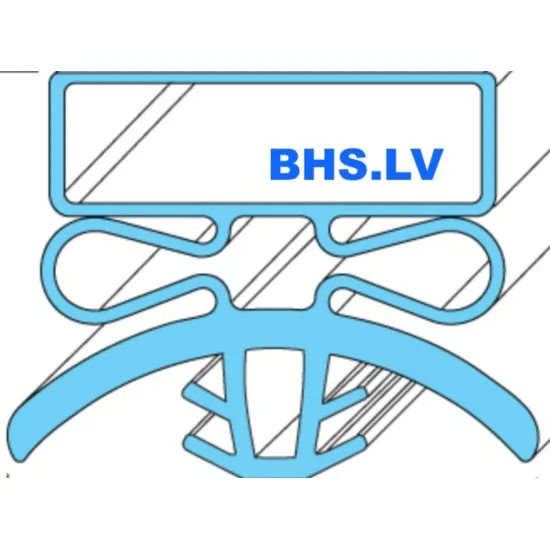
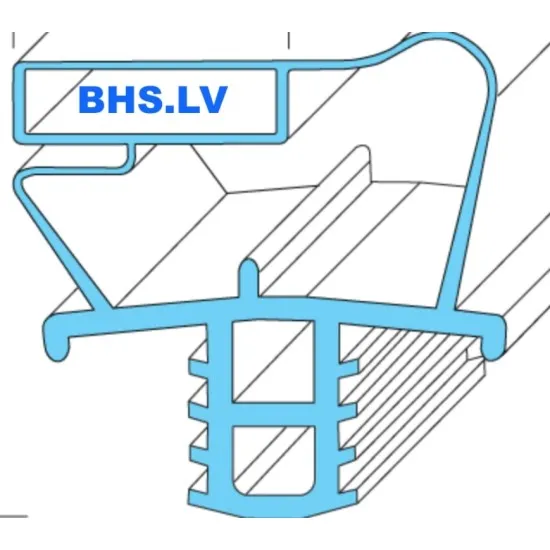
/L5115247_BHS.LV-250x250h.webp "Gasket for oven door LF L5115247")
/L5197339%20(1)-250x250h.webp "Door gasket for oven LF L5197339")
/L5196062_BHS.LV-250x250h.webp "Door gasket for oven LF L5196062")