

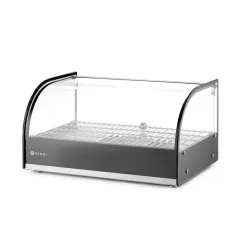
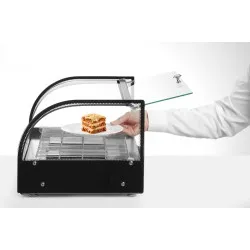
Article number: 273982
A thermal showcase keeps plated dishes or buffet items at serving temperature without drying or over..
Is available
279.00€
with VAT: 337.59€
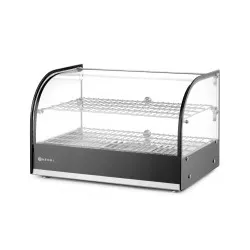
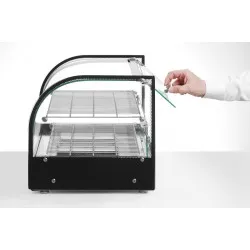
Article number: 273999
A thermal showcase holds plated dishes at serving temperature without drying or overcooking. Heated ..
Is available
303.00€
with VAT: 366.63€
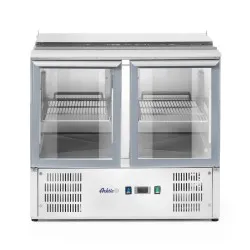
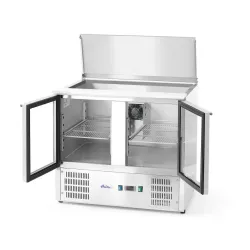
Article number: 236246
A refrigerated display cabinet keeps prepared food chilled while presenting it to customers through ..
Is available
799.00€
with VAT: 966.79€
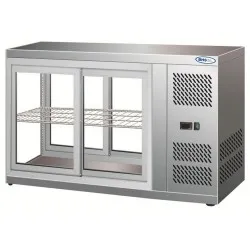
Article number: HAV91
The FORCAR HAV91 is a refrigerated display counter.
This type of appliance maintains a low temperatu..
Is available
960.00€
with VAT: 1,161.60€
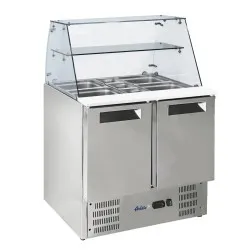
Article number: 236185
A refrigerated salad prep counter that places ingredients on show while keeping them chilled beneath..
Is available
1,019.00€
with VAT: 1,232.99€
Article number: HAV111
The FORCAR HAV111 is a refrigerated display counter.
This type of appliance operates by using a refr..
Is available
1,069.00€
with VAT: 1,293.49€

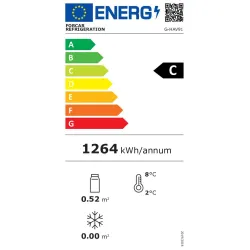
Article number: G-HAV91
A ventilated cold display cabinet keeps chilled food visible and accessible while maintaining a stea..
Is available
1,149.00€
with VAT: 1,390.29€
Article number: HAV131
A refrigerated display counter keeps chilled food visible to customers while maintaining safe temper..
Is available
1,179.00€
with VAT: 1,426.59€

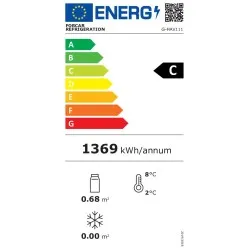
Article number: G-HAV111
A ventilated cold display cabinet keeps chilled food visible while maintaining safe temperatures. A ..
Is available
1,209.00€
with VAT: 1,462.89€

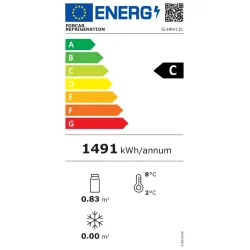
Article number: G-HAV131
A ventilated cold display cabinet keeps chilled food visible while maintaining safe temperatures. A ..
Is available
1,269.00€
with VAT: 1,535.49€
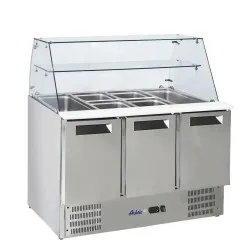
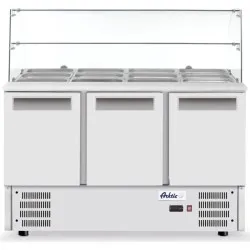
Article number: 236192
A refrigerated worktop with a full-length glass top creates a visible preparation area where custome..
Is available
1,449.00€
with VAT: 1,753.29€
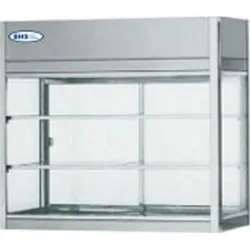

Article number: VFI4716
A refrigerated display counter keeps chilled food and drinks visible to customers while holding them..
Is available
1,959.00€
with VAT: 2,370.39€
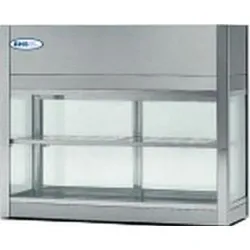
Article number: VFI4710
A refrigerated display counter keeps chilled food visible and accessible while maintaining safe hold..
Is available
1,989.00€
with VAT: 2,406.69€
Article number: VFI4720
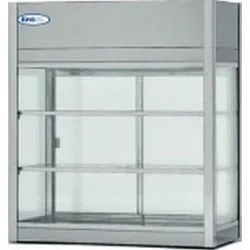
A refrigerated display counter keeps prepared food chilled to safe holding temperatures while allowi..
Is available
1,999.00€
with VAT: 2,418.79€
Article number: FA1MAMBOVRF10
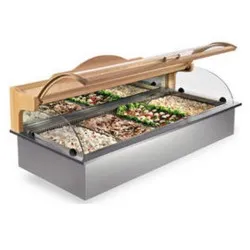
This showcase, article FA1MAMBOVRF10, is designed for displaying food in canteen settings.
Showcases..
Is available
2,159.00€
with VAT: 2,612.39€
Article number: FA1RUMBAVRF10
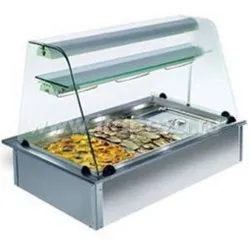
A refrigerated counter showcase keeps chilled food visible and accessible while holding it at safe s..
Is available
2,199.00€
with VAT: 2,660.79€
Article number: FA1MAMBOVRF14
A chilled display showcase keeps prepared food at serving temperature without drying or spoilage. It..
Is available
2,229.00€
with VAT: 2,697.09€
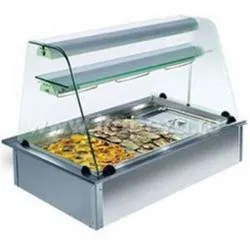
Article number: FA1RUMBAVRF14
A refrigerated display showcase keeps prepared food chilled while presenting it to customers. The un..
Is available
2,239.00€
with VAT: 2,709.19€
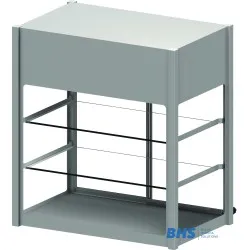
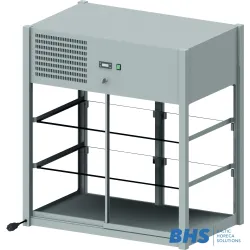
Article number: BHS262101
A chilled showcase keeps perishable food visible while holding it at safe temperatures. The unit cir..
Is available
2,299.00€
with VAT: 2,781.79€
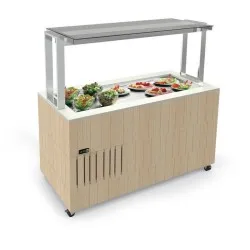
Article number: FA1DOGEVEFRF10
A refrigerated display cabinet keeps prepared food chilled while presenting it to customers. A compr..
Is available
2,449.00€
with VAT: 2,963.29€
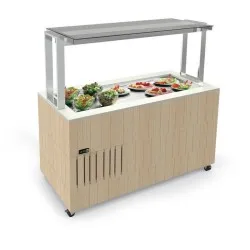
Article number: FA1DOGEVFRF14
A chilled display showcase keeps prepared dishes at safe serving temperatures while presenting them ..
Is available
2,449.00€
with VAT: 2,963.29€
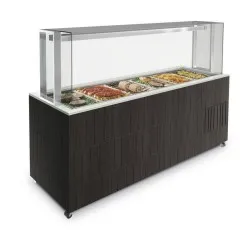
Article number: FA1DOGEVSRF10
A refrigerated showcase keeps prepared dishes at serving temperature without drying them out or lett..
Is available
2,459.00€
with VAT: 2,975.39€
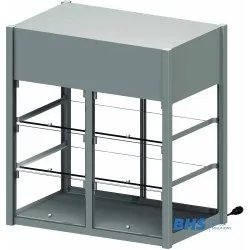
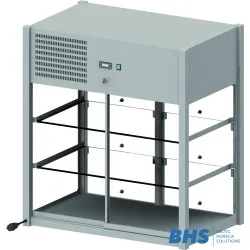
Article number: ST204101
A self-service distribution showcase keeps chilled food at serving temperature while letting custome..
Is available
2,469.00€
with VAT: 2,987.49€
Article number: FA1DOGEVSRF14
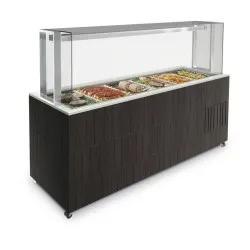
A refrigerated showcase keeps prepared food chilled while it is displayed to customers. A compressor..
Is available
2,499.00€
with VAT: 3,023.79€
Article number: FA1MAMBOVFISHRF14
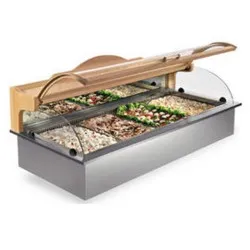
This fish showcase is designed for displaying food items, particularly fish, in a canteen setting.
T..
Is available
2,559.00€
with VAT: 3,096.39€
Article number: CPDSDC1200
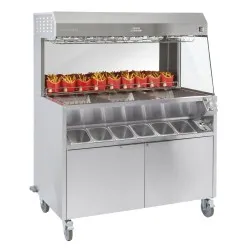
This french fries holding station trolley from Casselin is designed for maintaining the temperature ..
Is available
2,589.00€
with VAT: 3,132.69€
Article number: FA1MAMBOVRF20
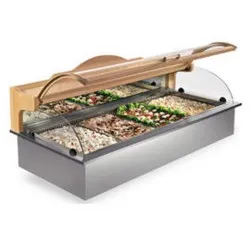
A refrigerated display showcase keeps prepared food chilled while presenting it to customers. A comp..
Is available
2,599.00€
with VAT: 3,144.79€
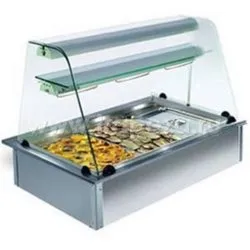
Article number: FA1RUMBAVRF20
A chilled display showcase keeps prepared food at serving-safe temperatures while presenting it to c..
Is available
2,599.00€
with VAT: 3,144.79€
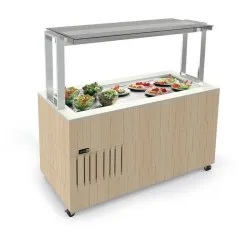
Article number: FA1DOGEVFR20
This chilled display cabinet is designed to keep prepared dishes, desserts or plated meals at a cons..
Is available
2,899.00€
with VAT: 3,507.79€
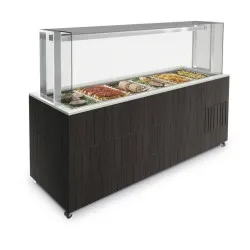
Article number: FA1DOGEVSRF20
This refrigerated counter showcase displays chilled food while keeping it at safe temperatures. Cool..
Is available
2,999.00€
with VAT: 3,628.79€
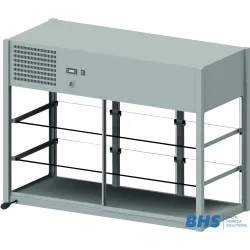
Article number: ST263151
A distribution showcase keeps prepared dishes chilled while presenting them to customers. A refriger..
Is available
3,265.00€
with VAT: 3,950.65€
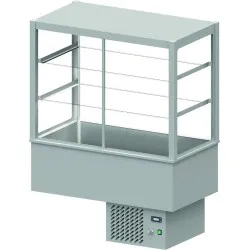
Article number: ST327111
A distribution showcase keeps chilled food visible and accessible while maintaining safe holding tem..
Is available
3,399.00€
with VAT: 4,112.79€
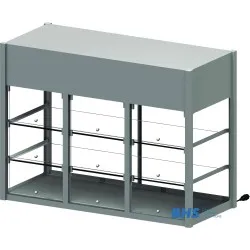
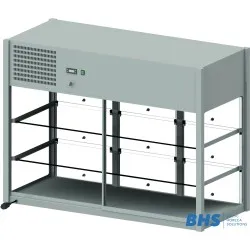
Article number: ST205151
A self-service distribution showcase keeps chilled food visible and accessible to customers while ma..
Is available
3,399.00€
with VAT: 4,112.79€
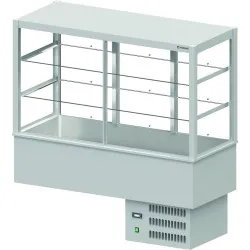
Article number: ST328141
A distribution showcase keeps prepared food at safe serving temperatures while presenting it to cust..
Is available
3,499.00€
with VAT: 4,233.79€
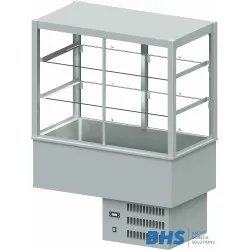
Article number: ST313111
This Stalgast distribution showcase is designed for self-service operation. It is configured as a di..
Is available
3,599.00€
with VAT: 4,354.79€
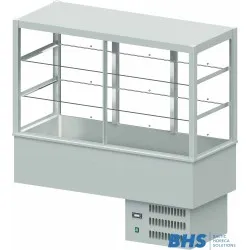
Article number: ST314141
A self-service distribution showcase keeps chilled food visible and accessible to customers while ma..
Is available
3,799.00€
with VAT: 4,596.79€
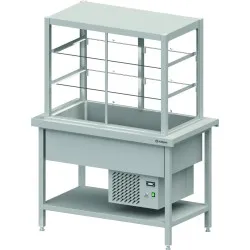
Article number: ST137121
A chilled distribution showcase keeps prepared dishes at serving temperature while presenting them t..
Is available
3,899.00€
with VAT: 4,717.79€
Article number: BHS113121
A refrigerated canteen showcase keeps prepared meals at serving temperature while displaying them fo..
Is available
4,599.00€
with VAT: 5,564.79€
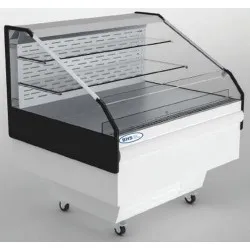
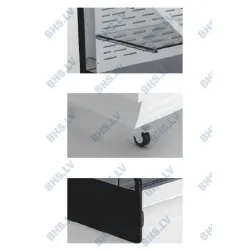
Article number: MXM125
A confectionery showcase keeps delicate items chilled while they remain visible and accessible to cu..
Is available
4,609.00€
with VAT: 5,576.89€
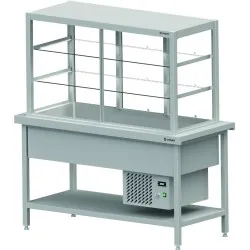
Article number: BHS114151
A canteen showcase keeps prepared dishes visible and at a safe holding temperature while customers s..
Is available
4,658.00€
with VAT: 5,636.18€
Article number: ST138151
This freestanding canteen showcase is designed to keep prepared dishes at a safe serving temperature..
Is available
4,780.00€
with VAT: 5,783.80€
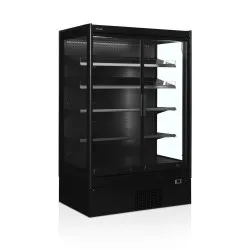
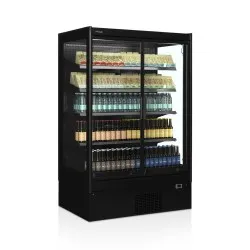
Article number: EXTRA1250FD
A freezer showcase keeps frozen goods visible and accessible while maintaining the low temperatures ..
Is available
4,989.00€
with VAT: 6,036.69€
Article number: BHS-DC2212-120EV
An island impulse cooler creates a refrigerated display that invites customers to serve themselves w..
Is available
5,479.00€
with VAT: 6,629.59€
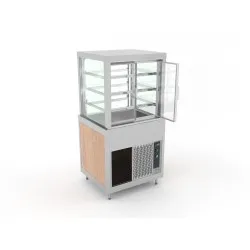
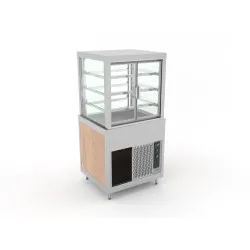
Article number: 01900OMNDSP2
The ROCAM OMNIA 2DSP is a fan-cooled showcase, a type of refrigerated display case designed for pres..
Is available
5,939.00€
with VAT: 7,186.19€
Article number: CU2-ICE140.120
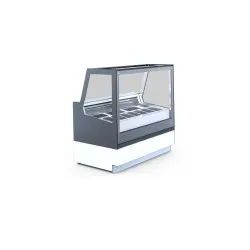
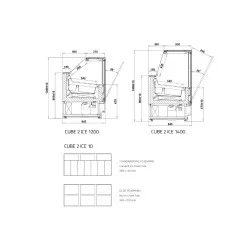
The IGLOO CUBE 2 ICE 140.120 is an ice-cream showcase designed for displaying frozen desserts. It op..
Is available
6,199.00€
with VAT: 7,500.79€
Article number: 01900OMNDSP
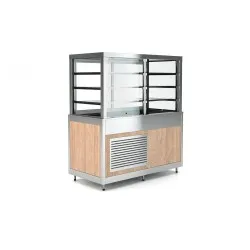
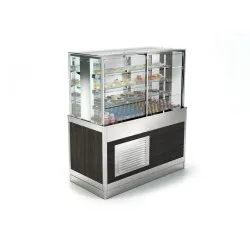
A fan-cooled display showcase keeps chilled food at precise temperatures by circulating cold air eve..
Is available
7,249.00€
with VAT: 8,771.29€
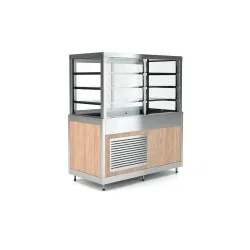
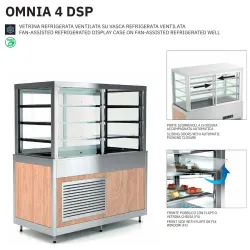
Article number: 01900OMNDSP/FX
A refrigerated showcase keeps prepared dishes chilled while presenting them under glass for customer..
Is available
7,380.00€
with VAT: 8,929.80€
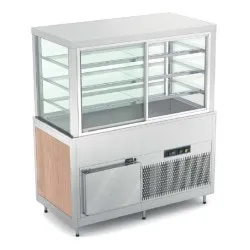
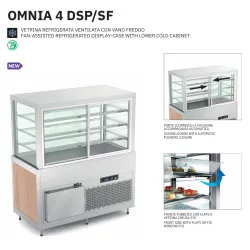
Article number: 01900OMNDSP/SF
A refrigerated display case that circulates chilled air with internal fans to maintain even temperat..
Is available
8,599.00€
with VAT: 10,404.79€