Professional sugar bowls are an essential part of the table setting in cafés, restaurants and hotels — they ensure hygienic, convenient and aesthetic access to sugar for guests. The design and material of the sugar bowl are part of the overall aesthetic ensemble of the table setting, which influences the guest’s first impression of the establishment’s service level and care for details.
Closed sugar bowls
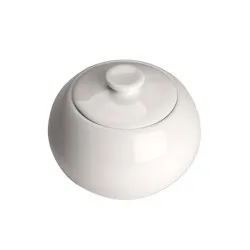
Closed sugar bowls with a lid are the most classic option — they protect sugar from moisture, dust and absorption of foreign odours. Porcelain or ceramic closed sugar bowls are suitable for premium restaurants with a traditional service style, where great attention is paid to table setting details. The lid maintains sugar cleanliness and prevents sugar from clumping in humid air.
Open sugar bowls
Open sugar bowls with sugar cubes or a small spoon are a more modern option for cafés — available in glass, stainless steel or decorative ceramic versions. Sugar cube bowls with a stirrer often offer an elegant, minimalist look that fits well into contemporary café interiors and specialty coffee culture.
Individual portion holders
Individual sugar portion holders (sachet holders) are suitable for cafés that use packaged sugar portions (sticks or packets). This format is more hygienic and convenient if you want to offer both white and brown sugar, as well as sugar substitutes simultaneously. Portion holders prevent rough sugar sachets from scratching the table and maintain a tidy appearance.
The sachet holder allows guests to choose — each can easily take the type and amount of sugar they need. In many modern cafés, sachet holders have replaced traditional sugar bowls as a more hygienic and practical alternative.
Types of sugar in café service
Different types of sugar require different serving solutions. White granulated sugar is suitable for traditional open or closed sugar bowls. Brown sugar, with a higher moisture content, is often served in a separate bowl or in sachet format. Sugar cubes look elegant in an open bowl with a stirrer, creating an elegant and precise portion control.
In cafés that offer specialty coffee, unrefined cane sugar or spiced sugars are often chosen, served in separate decorative bowls. This approach emphasises the establishment’s individuality and care for the nuances of the coffee tasting experience.
Table service assembly
The choice of sugar bowl should be coordinated with the style of coffee cups, tea sets and other tableware. Using tableware from the same brand or collection creates a tidy and professional table setting impression. Many tableware manufacturers offer complete services — from coffee cup sets to sugar bowls and cream jugs.
In cafés where each table is set with a separate sugar bowl, inventory planning should account for at least one and a half to two times the number of tables to ensure sufficient turnover during normal service cycles.
Sugar bowls and restaurant style concept
The shape, material and colour of the sugar bowl directly influence the overall table setting impression. A classic white porcelain sugar bowl is neutral and suitable for any restaurant. A matte stainless steel bowl fits well in industrial or modern-style cafés. Ornamented or coloured ceramic bowls with sugar blend perfectly into Mediterranean, Asian or bohemian-style restaurants.
Materials and maintenance
Porcelain sugar bowls are the most versatile — available in any colour or decoration to match the service set, and durable for frequent dishwasher cleaning. Stainless steel sugar bowls are the most mechanically durable, suitable for intensive daily use. Glass sugar bowls are transparent and decorative but less resistant to impacts.
Sugar bowls should be emptied, washed and refilled with fresh sugar at least once a day. Regular cleaning prevents sugar from sticking to the bottom of the bowl and maintains a hygienic condition. The inside of the bowl should be regularly checked for crystallised sugar residue.
Sugar bowl sizes and capacity
The size of sugar bowls depends on the intended amount of sugar and refill frequency. Smaller sugar bowls — 100–150 ml — are suitable for individual table service elements, where the waiter refills each bowl separately. Larger ones — 250–400 ml — are more suitable for buffet stands or high-turnover cafés, where bowls are refilled less frequently. The capacity of sachet holders depends on the number of standard portion packages.
Sugar bowls for events and banquets
For banquets and weddings, the design of sugar bowls that matches the overall table decoration theme is particularly relevant. Elegant silver or gold-finished sugar bowls are popular in wedding banquet settings, while simple white porcelain bowls are common at corporate events. For festive occasions with a large number of guests, individual sugar sachets or sugar cube sets packaged in decorative boxes are often used.
Hygiene and HACCP requirements
Hygiene management of sugar bowls in accordance with HACCP principles requires regular cleaning and refilling. Open sugar bowls must be cleaned and emptied daily — sugar can absorb moisture, attract dust or microorganisms. Closed bowls with a lid are more resistant to contamination. HACCP documentation should record the sugar bowl cleaning schedule and the responsible person overseeing the cleaning procedure.
Sugar bowl inventory and stock
Sugar bowls as table inventory should be regularly inventoried and their condition assessed. Cracked, chipped or damaged bowls must be immediately removed from circulation, as damaged glaze can create hygiene risks. Inventory planning should include a replacement reserve of at least twenty percent of the total number of bowls to immediately replace damaged ones with identical bowls in case of breakage or wear.
Choosing sugar bowls according to service style
The choice of sugar bowl begins with a clear idea of the café or restaurant’s service concept. In specialty coffee cafés, transparent glass or simple stainless steel bowls are often preferred, which unobtrusively complement the minimalist table setting. A traditional restaurant with a white tablecloth looks good with a porcelain sugar bowl that matches the coffee cup collection. The choice should always be coordinated with the overall visual identity of the table service.
Why choose BHS?
BHS – Baltic HoReCa Solutions supplies professional equipment for restaurants, cafés, hotels and canteens: more than 20,000 products from many manufacturers. Our specialists help you choose the right equipment and spare parts for your kitchen or bar.
Delivery
We deliver across the European Union. Delivery time and cost depend on the order volume and destination — contact the BHS team for an exact price and lead time.