

-550x550h.webp)
-550x550h.webp)
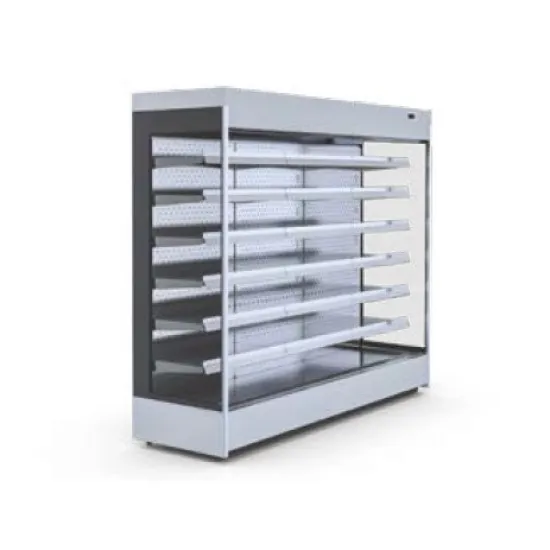
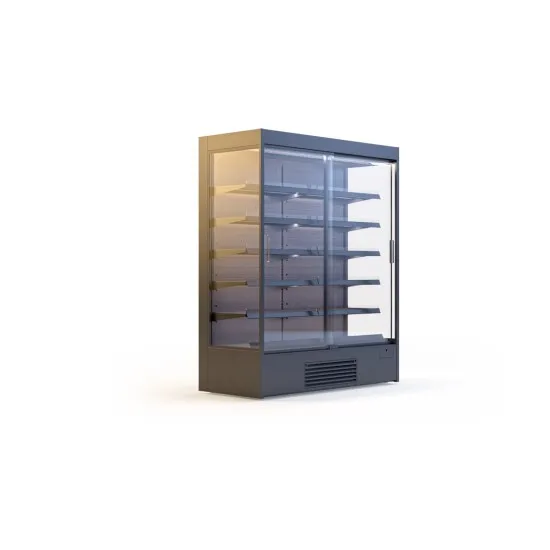
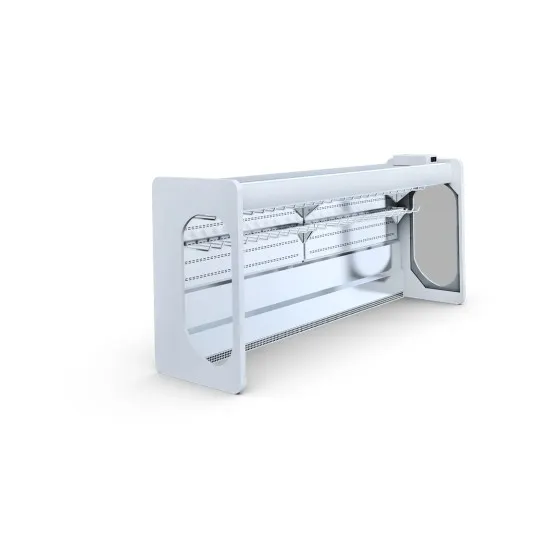
-550x550h.webp)
-550x550h.webp)
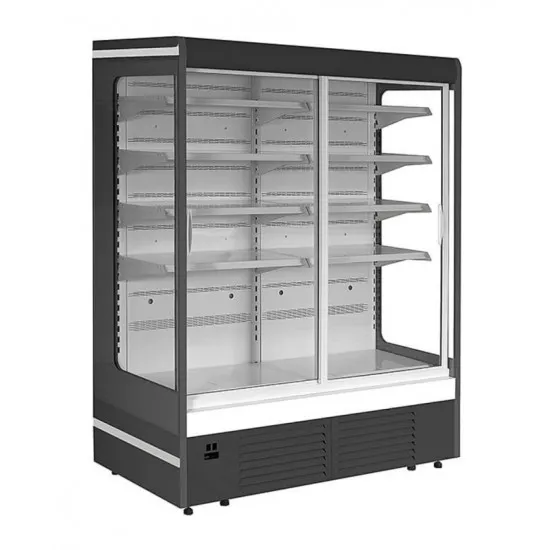
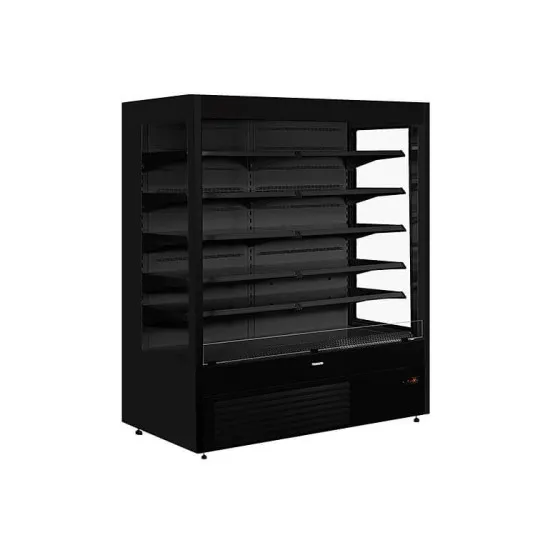
-550x550h.webp)
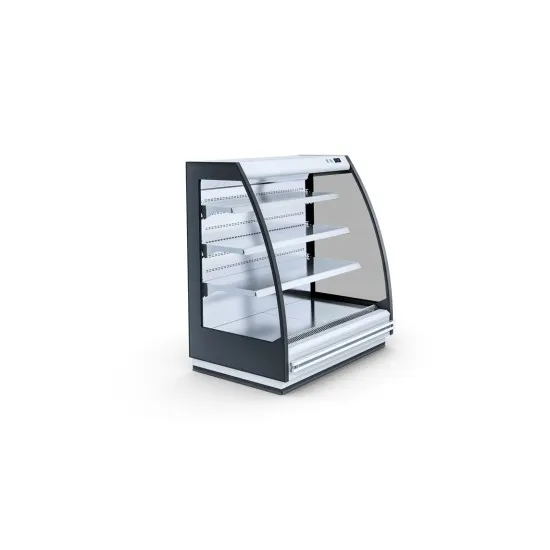
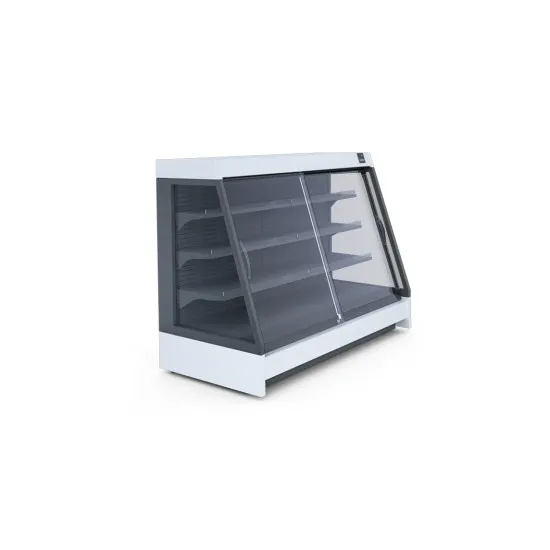
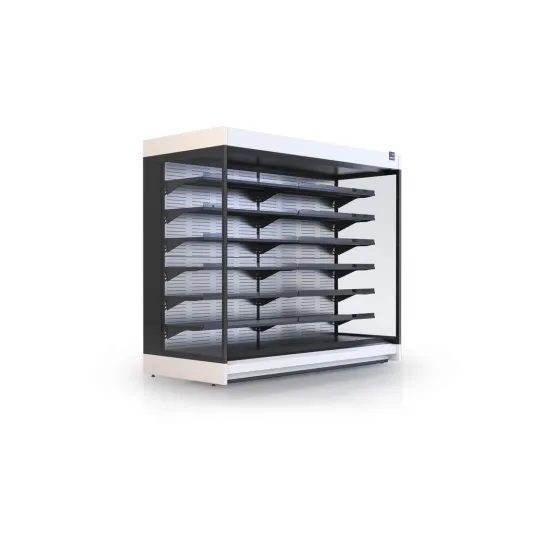
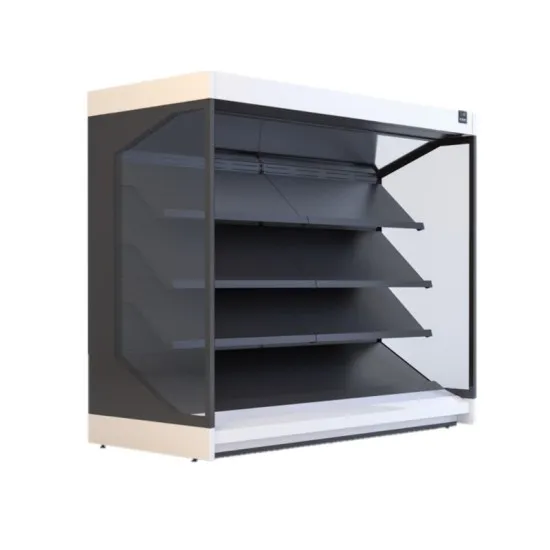
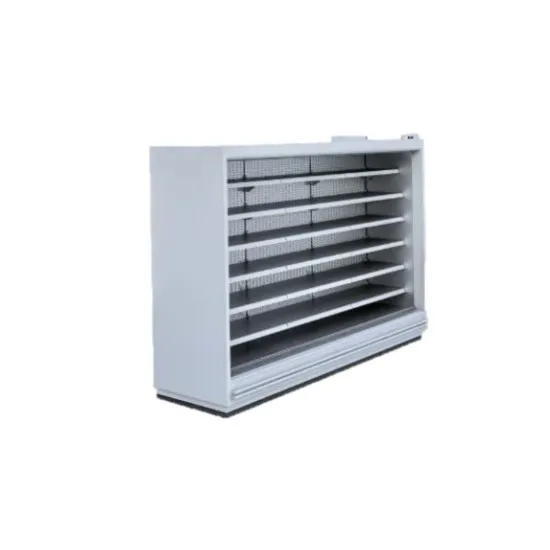
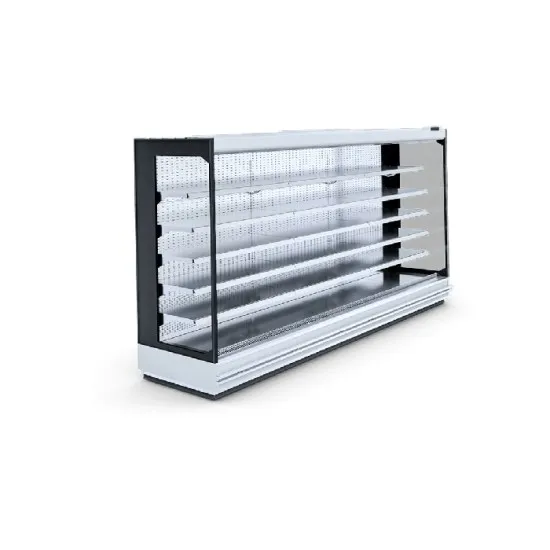
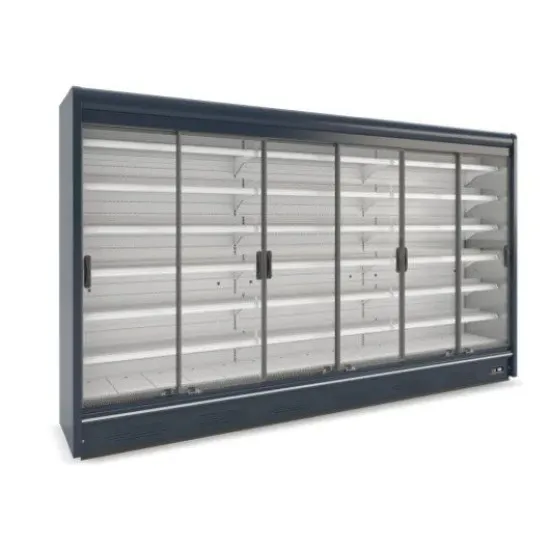
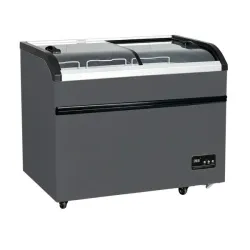
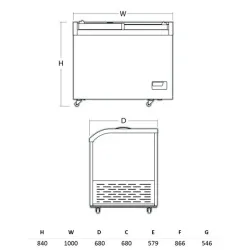
Article number: 224244SIF300GC
A refrigerated display and freezer combined in a single unit, the SCANDOMESTIC SIF300GC switches bet..
Is available
666.00€
with VAT: 805.86€
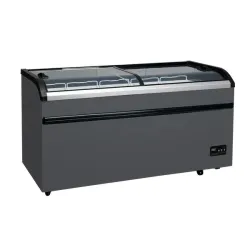
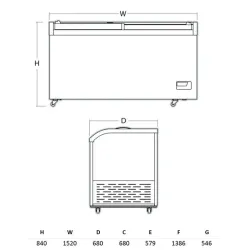
Article number: 224244SIF500GC
A refrigerated display unit that switches between chilled and frozen storage keeps goods visible and..
Is available
887.00€
with VAT: 1,073.27€
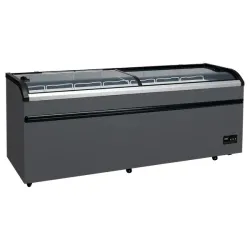
Article number: 224244SIF670GC
This combined refrigerated display and freezer unit allows storage of both chilled and frozen produc..
Is available
1,085.00€
with VAT: 1,312.85€
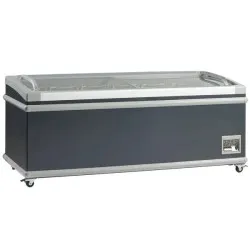
Article number: 23424410000SIF600C
A supermarket freezer that switches between freezing and chilled display without moving stock. The r..
Is available
1,182.00€
with VAT: 1,430.22€
Article number: 23424410000SIF700C
This SCANDOMESTIC Supermarket freezer, model SIF700C, offers a substantial 501 L of storage capacity..
Is available
1,215.00€
with VAT: 1,470.15€
-250x250.webp "Chest freezer showcase SCANDOMESTIC 23424410000SIF600ADGC")
-250x250.webp "Chest freezer showcase SCANDOMESTIC 23424410000SIF600ADGC")
Article number: 23424410000SIF600ADGC
A supermarket freezer that switches between chilled and frozen storage without changing appliances. ..
Is available
1,514.00€
with VAT: 1,831.94€
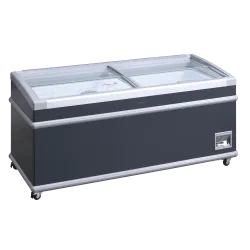
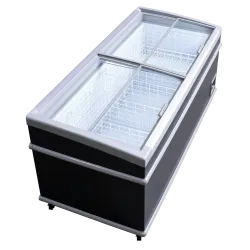
Article number: 23424410000SIF700ADGC
A supermarket freezer that switches between chilled and frozen storage without moving stock. The ref..
Is available
1,548.00€
with VAT: 1,873.08€
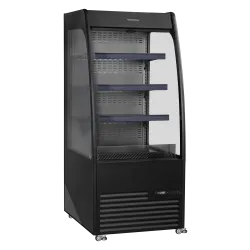
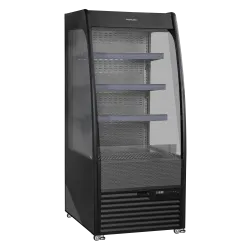
Article number: 263114OFC60B
It operates with a ventilated cooling system to maintain a consistent temperature. The operating pri..
Is available
1,565.00€
with VAT: 1,893.65€
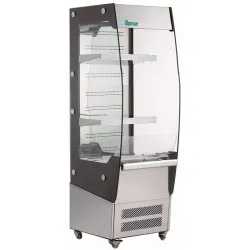
Article number: RTS180C
A refrigerated exhibition showcase keeps chilled items visible while maintaining safe holding temper..
Is available
1,599.00€
with VAT: 1,934.79€


Article number: RTS200C
A refrigerated exhibition showcase keeps chilled products visible while maintaining safe holding tem..
Is available
1,599.00€
with VAT: 1,934.79€
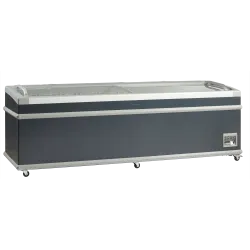
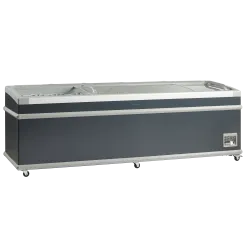
Article number: 23424410000SIF900D
A supermarket freezer maintains frozen and chilled goods at precise temperatures by circulating cold..
Is available
1,887.00€
with VAT: 2,283.27€
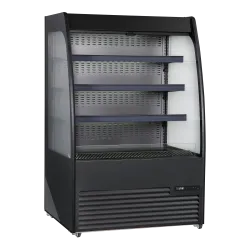
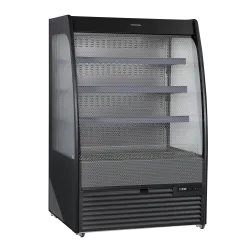
Article number: 263114OFC90B
This refrigerated display unit preserves chilled goods while showcasing them behind clear glass. A f..
Is available
1,892.00€
with VAT: 2,289.32€
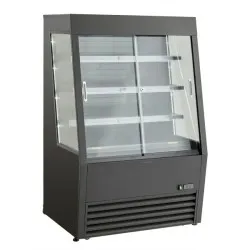
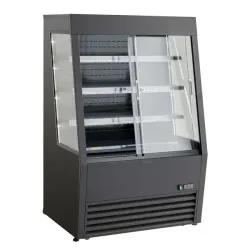
Article number: 19311410000OFC390B
This refrigerated display case presents chilled products clearly while holding a consistent low temp..
Is available
2,016.00€
with VAT: 2,439.36€
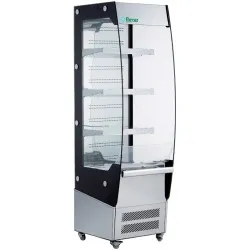
Article number: RTS220C
The FORCAR RTS220C is a refrigerated exhibition showcase designed for displaying chilled goods. This..
Is available
2,149.00€
with VAT: 2,600.29€
-250x250.webp "Chest freezer showcase SCANDOMESTIC 23424410000SIF900ADGD")
-250x250.webp "Chest freezer showcase SCANDOMESTIC 23424410000SIF900ADGD")
Article number: 23424410000SIF900ADGD
A supermarket freezer that switches between chilled and frozen storage without changing the unit. Th..
Is available
2,226.00€
with VAT: 2,693.46€
-250x250.webp "Pastry Display Cabinet SCANDOMESTIC 263114OFC120BG")
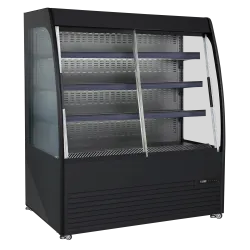
Article number: 263114OFC120BG
This refrigerated display cabinet maintains chilled items at a consistent low temperature while show..
Is available
2,252.00€
with VAT: 2,724.92€
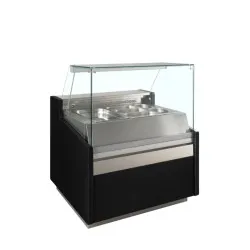

Article number: SPID100
A refrigerated showcase keeps chilled food visible while maintaining safe temperatures. A compressor..
Is available
2,989.00€
with VAT: 3,616.69€
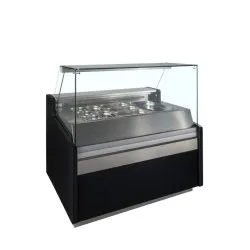
Article number: SPID130
A ventilated refrigerator showcase keeps chilled food visible and within reach while maintaining a s..
Is available
3,299.00€
with VAT: 3,991.79€
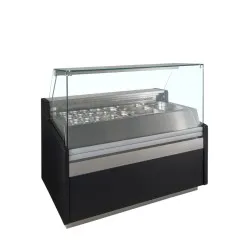
Article number: SPID150
A refrigerated showcase keeps chilled food visible while maintaining safe temperatures. A compressor..
Is available
3,559.00€
with VAT: 4,306.39€
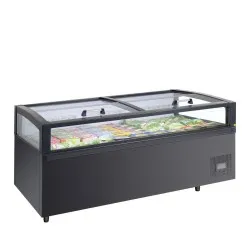

Article number: VIEW HC
A refrigerated and frozen display that switches between cooler and freezer at the touch of a button...
Is available
3,639.00€
with VAT: 4,403.19€
Article number: VIEW HC B
The TEFCOLD VIEW HC B is a showcase refrigerator freezer designed for displaying chilled or frozen g..
Is available
3,649.00€
with VAT: 4,415.29€
Article number: SA102M
A freezer showcase keeps frozen food visible and accessible while maintaining a steady low temperatu..
Is available
3,999.00€
with VAT: 4,838.79€
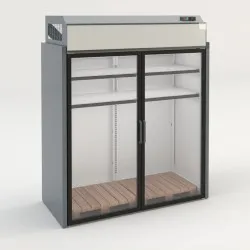
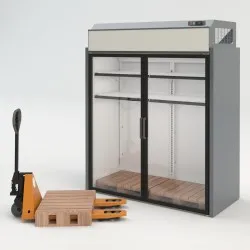
Article number: R-1-VK-185/80
A refrigerator built to hold entire pallets and mobile trolleys keeps bulk ingredients and prepared ..
Is available
3,999.00€
with VAT: 4,838.79€
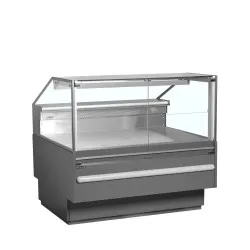
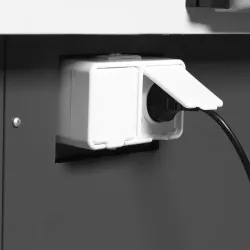
Article number: SOCB12582A
A refrigerated serve-over counter keeps prepared foods chilled while presenting them to customers th..
Is available
4,279.00€
with VAT: 5,177.59€
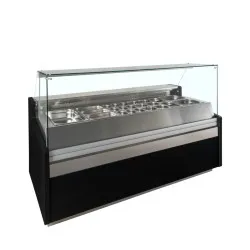
Article number: SPID200
A refrigerated showcase keeps chilled food visible while maintaining a steady low temperature. The q..
Is available
4,299.00€
with VAT: 5,201.79€
Article number: SA101M
A freezer showcase keeps frozen food visible and accessible while maintaining a steady low temperatu..
Is available
4,349.00€
with VAT: 5,262.29€
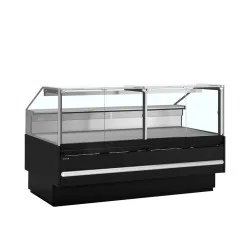
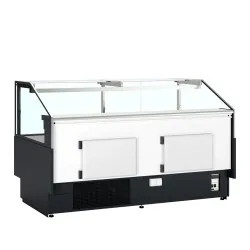
Article number: SOCB18782B
A refrigerated display counter keeps perishable goods chilled while presenting them to customers thr..
Is available
4,629.00€
with VAT: 5,601.09€
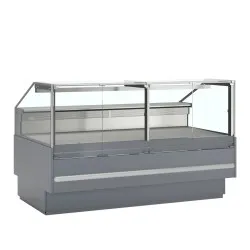
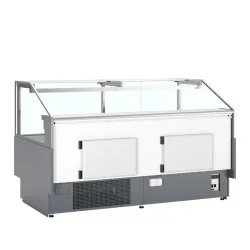
Article number: SOCB18782A
A refrigerated serve-over counter keeps prepared foods chilled while presenting them to customers th..
Is available
4,639.00€
with VAT: 5,613.19€
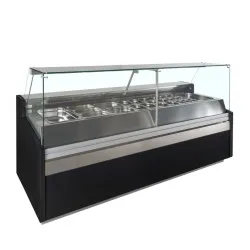
Article number: SPID250
A refrigerated showcase keeps chilled food visible and accessible without breaking the cold chain. A..
Is available
4,739.00€
with VAT: 5,734.19€
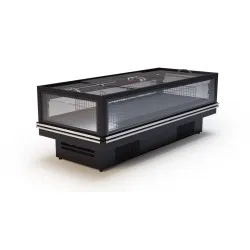
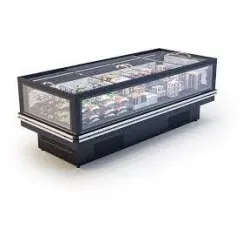
Article number: ICC120
This ice-cream showcase maintains frozen products at optimal serving consistency, preventing crustin..
Is available
4,999.00€
with VAT: 6,048.79€
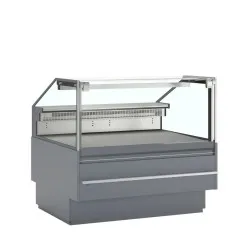
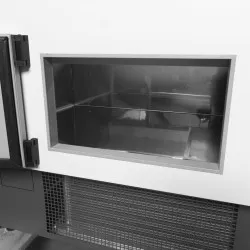
Article number: SOCA12590A
A refrigerated serve-over counter keeps perishable goods chilled while displaying them to customers ..
Is available
4,999.00€
with VAT: 6,048.79€
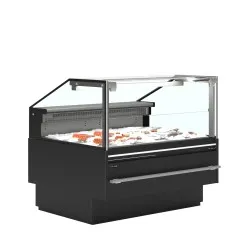
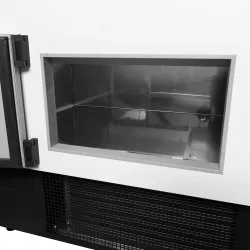
Article number: SOCA-F12590B
A ventilated refrigerator showcase keeps chilled goods visible while maintaining a steady low temper..
Is available
5,459.00€
with VAT: 6,605.39€
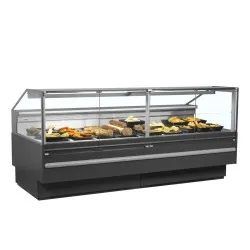
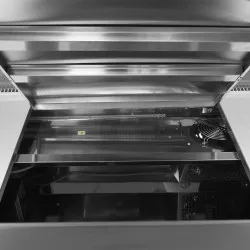
Article number: SOCB25082A
This grey display refrigerator from TEFCOLD keeps chilled items visible while maintaining a consiste..
Is available
5,469.00€
with VAT: 6,617.49€
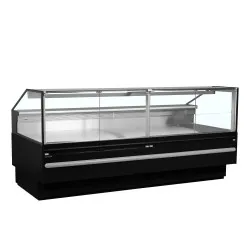
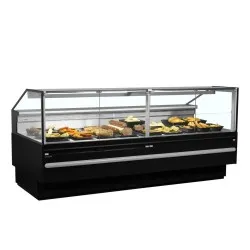
Article number: SOCB25082B
A refrigerated display counter keeps chilled goods visible and accessible while maintaining safe sto..
Is available
5,489.00€
with VAT: 6,641.69€
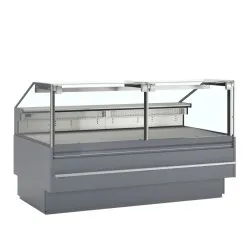
-250x250w.webp "Retail Display Cabinet TEFCOLD SOCA18790A")
Article number: SOCA18790A
A refrigerated serve-over counter keeps perishable goods chilled while presenting them to customers ..
Is available
5,539.00€
with VAT: 6,702.19€
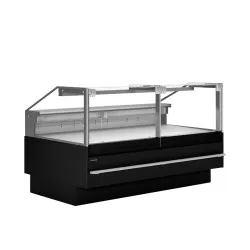
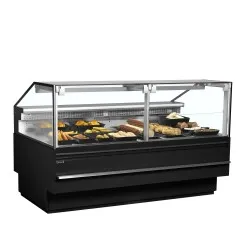
Article number: SOCA18790B
A refrigerated display counter keeps perishable goods chilled while presenting them to customers thr..
Is available
5,559.00€
with VAT: 6,726.39€
Article number: SA103M
A freezer showcase keeps frozen food visible and accessible while maintaining safe storage temperatu..
Is available
5,899.00€
with VAT: 7,137.79€
Article number: ICC130
An ice-cream showcase keeps frozen product at serving temperature while presenting it in a self-serv..
Is available
5,899.00€
with VAT: 7,137.79€
Article number: ICC140
The IGLOO ICECRAFT, article ICC140, is a 2000 mm ice-cream showcase designed for self-service enviro..
Is available
6,449.00€
with VAT: 7,803.29€
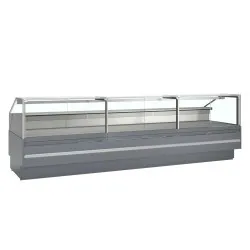
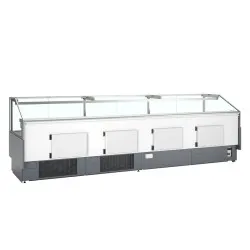
Article number: SOCB37582A
A refrigerated showcase keeps prepared foods chilled while presenting them through clear glass, so c..
Is available
6,599.00€
with VAT: 7,984.79€
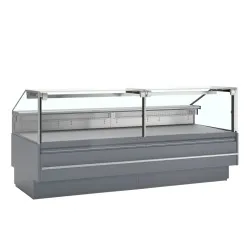
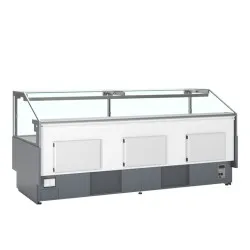
Article number: SOCA25090A
A refrigerated serve-over counter keeps perishable goods chilled while presenting them under glass f..
Is available
6,629.00€
with VAT: 8,021.09€
Article number: SA104M
A freezer showcase keeps frozen food visible and accessible while maintaining a consistent low tempe..
Is available
6,699.00€
with VAT: 8,105.79€
Article number: ICC150
The IGLOO ICECRAFT ice-cream showcase offers direct customer access to frozen products in self-servi..
Is available
7,589.00€
with VAT: 9,182.69€
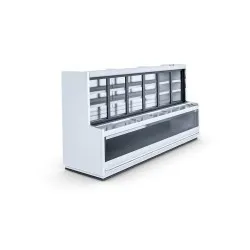
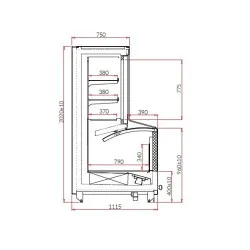
Article number: LVL160L
A supermarket freezer showcase that keeps frozen goods visible while drawing power from an external ..
Is available
8,999.00€
with VAT: 10,888.79€
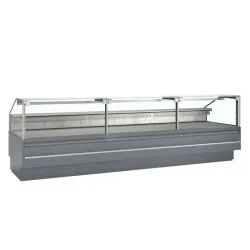
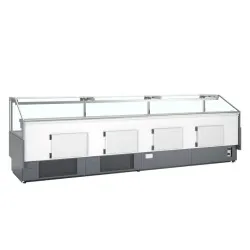
Article number: SOCA37590A
A refrigerated serve-over counter keeps perishable goods chilled while presenting them to customers ..
Is available
10,119.00€
with VAT: 12,243.99€
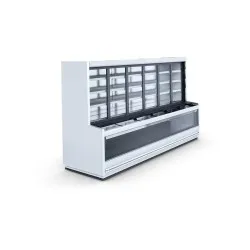
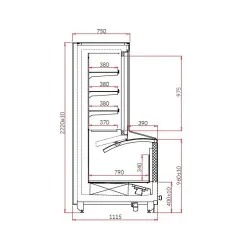
Article number: LVL160H
A supermarket freezer showcase keeps frozen goods visible and accessible while maintaining a steady ..
Is available
10,299.00€
with VAT: 12,461.79€
Article number: LVL180L
A supermarket freezer showcase keeps frozen food visible and accessible while maintaining a steady l..
Is available
12,259.00€
with VAT: 14,833.39€
Article number: LVL180H
A remote supermarket freezer showcase keeps chilled products visible and accessible while maintainin..
Is available
13,579.00€
with VAT: 16,430.59€
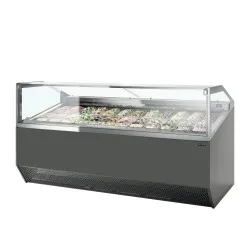
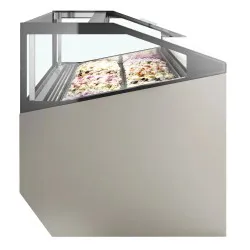
Article number: SUPER CAPRI 12
A showcase freezer designed to keep chilled products visible while maintaining consistent temperatur..
Is available
15,049.00€
with VAT: 18,209.29€
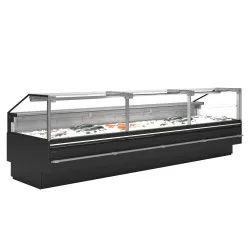
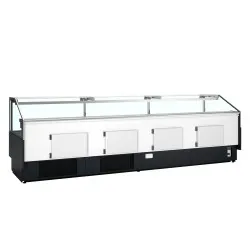
Article number: SOCA-F37590B
A refrigerated showcase keeps perishable goods chilled while presenting them under glass to customer..
Is available
15,809.00€
with VAT: 19,128.89€
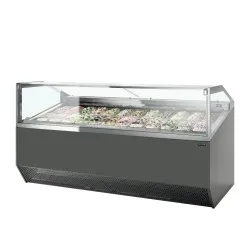
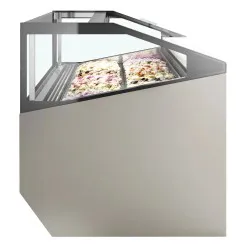
Article number: SUPER CAPRI 18
A showcase freezer designed to keep frozen products visible and evenly chilled across two rows of pa..
Is available
17,159.00€
with VAT: 20,762.39€
Article number: SUPER CAPRI 24
A showcase freezer designed to keep chilled products visible while maintaining consistent low temper..
Is available
20,199.00€
with VAT: 24,440.79€