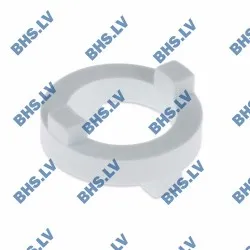
Dough rolling equipment parts are spare parts that ensure the repair and maintenance of professional dough rollers for bakeries, confectionery businesses, pizzerias, hotel kitchens and other HoReCa establishments that process large volumes of dough daily. A dough rolling machine is a high-load mechanical device that, under intensive use, is subject to regular wear and tear — available original or compatible spare parts allow you to quickly restore the equipment's performance and avoid costly downtime during peak hours. BHS offers dough rolling equipment parts as part of a wide range of spare parts for kitchen equipment for HoReCa businesses across Europe.
BHS specialists help identify and purchase the most suitable dough rolling equipment parts based on the equipment model and description of the damage. Also check out meat mincer spare parts, blender parts and other spare parts for kitchen equipment.
Types of dough rolling equipment parts
Various types of spare parts are required for the maintenance of professional dough rollers. Rolling rollers are the main working elements that roll the dough to the required thickness; when worn, they cause uneven dough thickness. Drive belt and chain are drive elements that transmit the rotation of the electric motor to the rolling rollers; the elastic belt wears out over time. Electric motor and gearbox form the drive unit that ensures the rotation of the rollers; in case of damage, the equipment completely stops. Guides and thickness regulator are the dough thickness adjustment mechanism; precise guides ensure a uniform result. Conveyor belt and frame are the dough feed transport belt; a worn belt hinders the uniform movement of the product. Screws and rods are mechanical connection elements; the regularity with which worn connection elements are replaced affects the precision of the equipment. BHS helps you choose the right dough rolling equipment parts.
Diagnostics and repair planning
Proper damage diagnostics speed up repairs and reduce costs. Uneven dough thickness — irregular thickness differences indicate worn rollers or damage to the guide mechanism; roller replacement or calibration is required. Equipment does not work — check the electric motor, fuses and power connections; the problem is often a blown fuse or a worn drive belt. Increased noise — unusual noises indicate worn bearings, loose fixings or belt wear; timely maintenance prevents major damage. Conveyor jams — conveyor belt movement issues indicate belt wear or the need for tension adjustment. Overheating — equipment overheating may indicate motor overload, blocked ventilation or insufficient lubrication. BHS service specialists advise HoReCa businesses on dough rolling equipment damage diagnostics.
Preventive maintenance and service life
Regular preventive maintenance is more cost-effective than emergency repairs. Daily cleaning — after each work shift, clean dough residues from rollers, conveyor belts and mechanisms; accumulated residues hinder normal operation. Regular lubrication — lubricate the equipment's bearings and moving parts according to the manufacturer's instructions; insufficient lubrication accelerates wear. Belt inspection — regularly check the drive belt's tension and wear; a loose belt causes slipping and inefficient drive. Roller inspection — periodically check the surface of the rolling rollers for cuts or deformations; damaged rollers cause uneven dough surfaces. Electrical system inspection — once a year, check electrical connections, wires and the control system; timely problem detection prevents emergency downtime.
HoReCa usage scenarios
Pizzeria with an automatic dough roller — regular roller inspection and preventive replacement ensure consistent pizza dough thickness. Confectionery business with a diverse product range — available spare parts for various dough rolling equipment models used for different types of dough. Hotel kitchen with breakfast bread production — simple spare parts for quick replacement during morning preparation without service calls. Catering business with custom bread orders — spare drive belt and carburettor for quick repairs outside office hours.
Frequently asked questions
How can I find out which spare part is needed for my dough rolling equipment? The equipment model number and a description of the damage are required; BHS specialists advise on choosing the most suitable spare part. Contact the BHS team and check out the range of spare parts for kitchen equipment.
How often should the rollers of dough rolling equipment be replaced? The service life of rollers depends on the intensity of the equipment and the type of dough processed; in intensive production, replacement is often necessary every 1–2 years. Check out meat mincer spare parts and contact BHS.
Why choose BHS?
BHS – Baltic HoReCa Solutions supplies professional equipment for restaurants, cafés, hotels and canteens: more than 20,000 products from many manufacturers. Our specialists help you choose the right equipment and spare parts for your kitchen or bar.
Delivery
We deliver across the European Union. Delivery time and cost depend on the order volume and destination — contact the BHS team for an exact price and lead time.