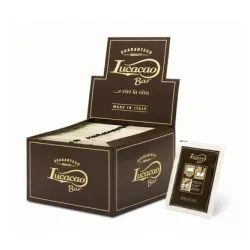
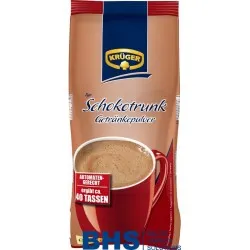
The efficiency of vending machines and customer satisfaction largely depend on the quality of the product used. Hot chocolate is an emotionally significant drink — its enjoyment is closely linked to aroma, consistency and flavour intensity. A low-quality blend that produces watery or overly sweet chocolate negatively affects profitability and customer return rates.
Types of chocolate drinks for vending machines
Hot chocolate blends for vending machines are available in two main formats — chocolate only (water-based) or chocolate with milk (milk-based). Water-based chocolate blends contain milk powder or full-cream milk powder and work with the supply of hot water from the vending machine. Some blends are designed for use with a fresh milk supply (fresh milk vending), which ensures a higher-quality, creamier taste.
Cocoa drink blends differ from chocolate — they have a lower cocoa content and a sweeter, milder taste, making them suitable for children and consumers who prefer a gentler drink. Chocolate blends with a high cocoa content (25%+) are a premium category with a slightly bitter aftertaste and a deeper chocolate aroma.
Cocoa content and parameters
Standard vending chocolate blends have a cocoa content of 10–18%. This category is the most widely used and provides a recognisable and acceptable taste for most consumers. Premium blends can have a cocoa content of 22–30%, which ensures a more intense chocolate flavour and meets the standards of high-end cafés.
Sugar content and sweetness affect the dosage regulation of the vending machine — blends with a higher sugar content require a smaller dose. In addition to cocoa and sugar, quality blends contain milk powder or full-cream milk powder, which ensures creaminess and a milk aroma, even when using a water-based preparation.
Packaging and storage
Storage conditions require a dry and cool place with a temperature below 20 °C and a dry environment (avoid moisture condensation). The shelf life of blends is typically 12–24 months from the production date.
Regular product replenishment is the most important operating condition for vending equipment — expired or moisture-absorbed blends form lumps, clog the dispensing system and require maintenance.
Use in different businesses
Office vending — hot chocolate is particularly popular from December to March, when cold weather increases the demand for hot drinks. In offices, chocolate drinks often compete with coffee in terms of winter popularity. School and university vending — hot chocolate is one of the most accessible and popular drinks among young people. Public space and shopping centre vending — high footfall requires high-quality blends to ensure consistent taste.
Vending machine categories for chocolate
Vending machines for preparing chocolate drinks are divided into three main categories. Freeze-dried powder machines are the most common, where the chocolate blend is automatically mixed with hot water. Fresh milk machines provide a creamier taste. Espresso machines with a chocolate channel are designed for combined coffee and chocolate options in a single machine.
Dosage regulation and consistency
The chocolate dosage in a vending machine is one of the most important setting parameters. Too small a dose results in a watery, weakly flavoured drink, which reduces satisfaction. Too large a dose increases product costs and may create an overly thick drink. The optimal dose for each blend is specified in the manufacturer’s guidelines and must be followed when installing the machine.
Product rotation and freshness
Rotating chocolate blends in vending machines is important for maintaining consistent taste. Blends that remain in the machine for too long can absorb moisture and lose their aroma. It is recommended not to plan for more than two weeks from the refill date. Before introducing a new batch, the machine should be completely emptied. Monitoring the product’s expiry date is the operator’s responsibility.
Seasonal offers
Vending chocolate drink operators can increase turnover seasonally by changing blend formulas. In winter, classic hot chocolate with cinnamon or peppermint flavouring is a popular addition. Valentine’s Day, Christmas and other holidays are an opportunity to use limited-edition blends, which generate additional interest in the vending machine. Seasonal product changes attract repeat customers.
Hot chocolate in the vending offer
In the vending machine range, hot chocolate is one of the three main hot drinks alongside coffee and tea. Chocolate drinks are more popular among children and young people, as well as consumers who do not want caffeine. The chocolate channel in coffee machines is an essential element to maximise different consumer preferences and increase the machine’s overall turnover.
Vending business and product costs
The cost of hot chocolate per portion in vending format depends on the dose size and purchase price. The optimal chocolate portion is twenty-five to thirty-five grams of blend per one hundred and eighty to two hundred millilitres of drink. Product costs in a typical vending machine are fifteen to twenty-five percent of the selling price, which is a commercially acceptable margin level.
Ordering blends and logistics
Vending companies order chocolate blends in regular quantities based on the number of machines and consumption intensity. The typical ordering cycle is weekly or bi-weekly to ensure fresh blends for all machines. Organising stock according to the FIFO principle — first in, first out — is an important logistics practice.
Why choose BHS?
BHS – Baltic HoReCa Solutions supplies professional equipment for restaurants, cafés, hotels and canteens: more than 20,000 products from many manufacturers. Our specialists help you choose the right equipment and spare parts for your kitchen or bar.
Delivery
We deliver across the European Union. Delivery time and cost depend on the order volume and destination — contact the BHS team for an exact price and lead time.