

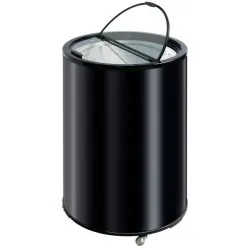
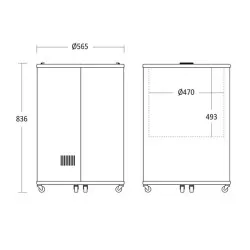
Article number: 26320087BE10000
An impulse freezer draws heat out of food or drink in short, intense bursts, lowering the temperatur..
Is available
432.00€
with VAT: 522.72€
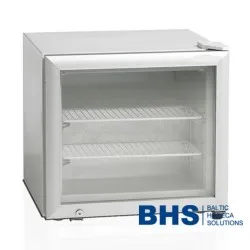
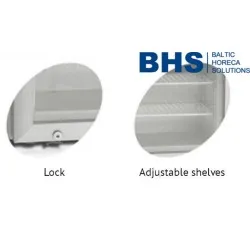
Article number: UF50G
A tabletop freezer keeps food frozen at sub-zero temperatures without occupying floor space. It draw..
Is available
479.00€
with VAT: 579.59€
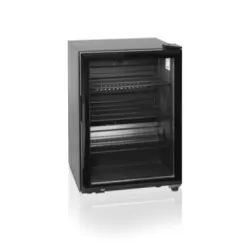
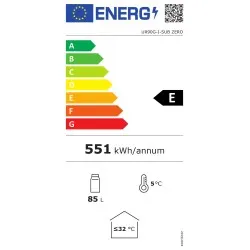
Article number: UR90G-SUB
The TEFCOLD caviar cooler, model UR90 (article UR90G-SUB), is a specialised sub-zero freezer designe..
Is available
577.53€
with VAT: 698.81€
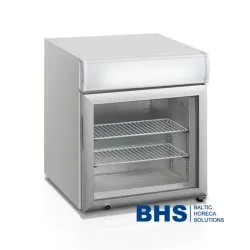
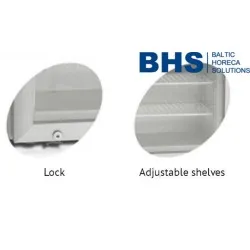
Article number: UF50GCP
A tabletop freezer keeps perishable ingredients solidly frozen without occupying floor space. It use..
Is available
579.00€
with VAT: 700.59€
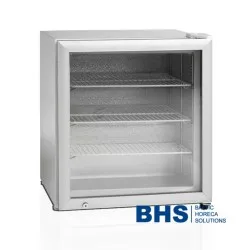
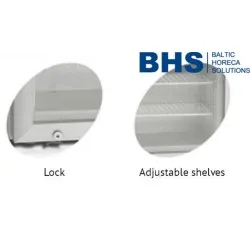
Article number: UF100G
The TEFCOLD tabletop freezer UF, article UF100G, is a compact refrigeration unit designed for commer..
Is available
629.00€
with VAT: 761.09€
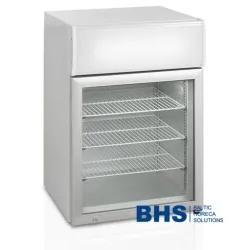
Article number: UF100GCP
A tabletop freezer keeps food solidly frozen by circulating cold air inside a sealed cabinet. The co..
Is available
739.00€
with VAT: 894.19€
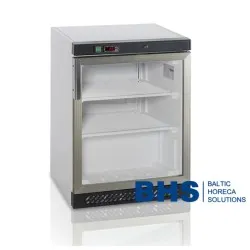
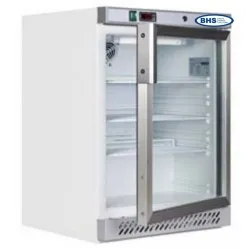
Article number: UF200G
This TEFCOLD UF200G is a bar freezer, designed for placement under a counter. Its primary function i..
Is available
779.00€
with VAT: 942.59€
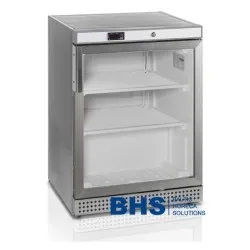
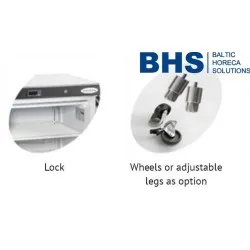
Article number: UF200SG
An upright freezer maintains food at sub-zero temperatures by circulating refrigerant through a seal..
Is available
859.00€
with VAT: 1,039.39€
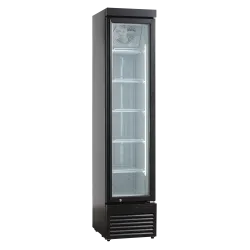
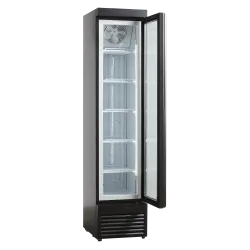
Article number: 26324010000DF160BD
The SCANDOMESTIC DF160BD is a display freezer designed for commercial use. This unit offers a total ..
Is available
956.00€
with VAT: 1,156.76€
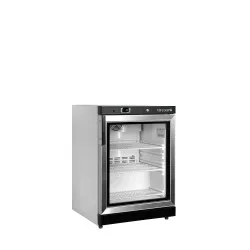
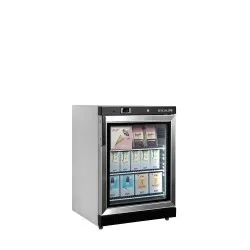
Article number: UF200VG
A display freezer draws customers by keeping frozen goods visible while maintaining safe storage tem..
Is available
969.00€
with VAT: 1,172.49€
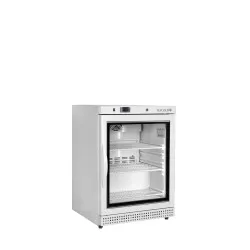
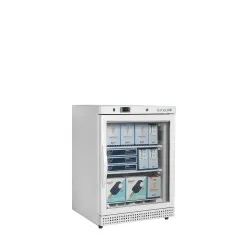
Article number: UF200VGW
A display freezer keeps frozen goods visible while maintaining safe storage temperatures. Instead of..
Is available
969.00€
with VAT: 1,172.49€
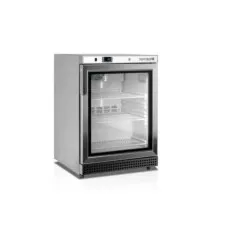
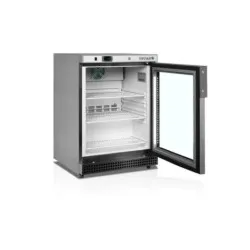
Article number: UF200VSG
This display freezer features a glass door, allowing frozen items to remain visible whilst maintaini..
Is available
1,039.00€
with VAT: 1,257.19€
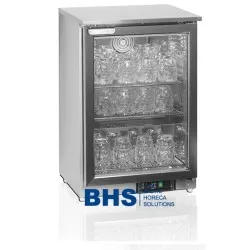
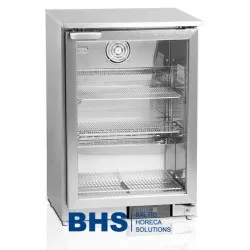
Article number: GF200VSG
This glass froster maintains bottled and canned drinks at sub-zero temperatures while allowing clear..
Is available
1,049.00€
with VAT: 1,269.29€
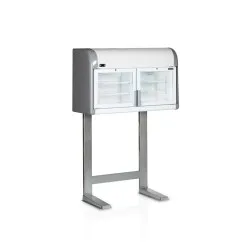
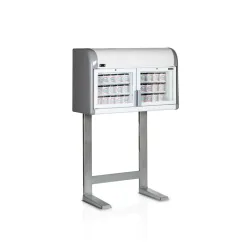
Article number: MTF Mini
This wall-mounted freezer from TEFCOLD saves floor space by fixing directly to the wall, allowing ea..
Is available
1,119.00€
with VAT: 1,353.99€
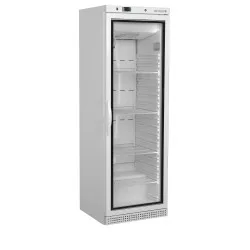
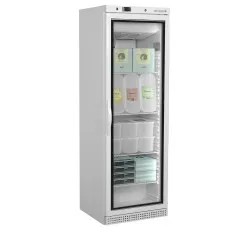
Article number: UF400VGW
A ventilated cooling system circulates cold air evenly throughout the cabinet, keeping every shelf a..
Is available
1,159.00€
with VAT: 1,402.39€
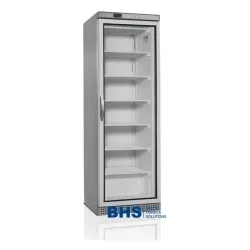
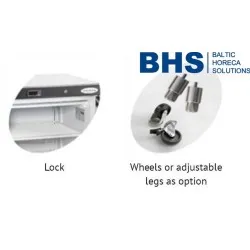
Article number: UF400SG
An upright freezer removes heat from food and holds it below freezing point, preserving perishable s..
Is available
1,189.00€
with VAT: 1,438.69€
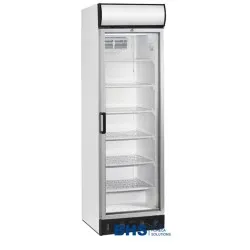
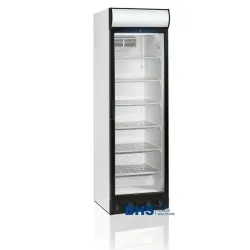
Article number: UFFS370GCP
A display freezer keeps frozen goods visible while maintaining safe storage temperatures. A refriger..
Is available
1,199.00€
with VAT: 1,450.79€
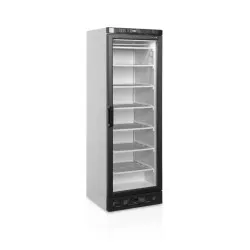
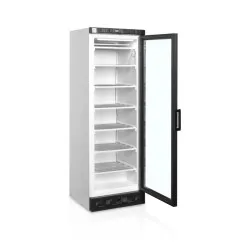
Article number: UFSC371G
A static-cooled display freezer keeps frozen goods visible while maintaining consistent low temperat..
Is available
1,209.00€
with VAT: 1,462.89€
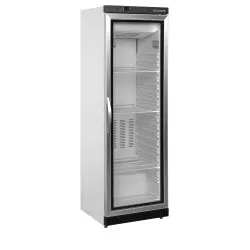
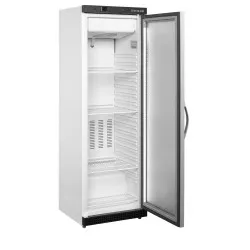
Article number: UF400VG
A glass-door display freezer keeps frozen goods visible while maintaining low temperatures. The vent..
Is available
1,219.00€
with VAT: 1,474.99€
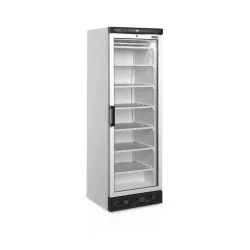
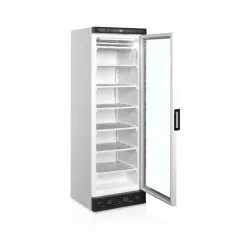
Article number: UFFS371G
A static freezer draws heat from stored goods through evaporator coils built into each shelf, circul..
Is available
1,219.00€
with VAT: 1,474.99€
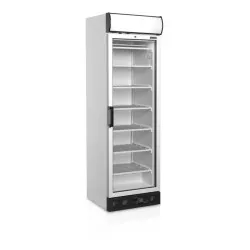
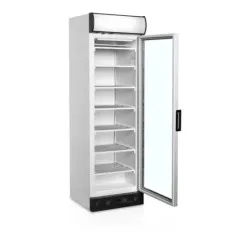
Article number: UFFS371GCP
This TEFCOLD display freezer, article UFFS371GCP, is designed for showcasing frozen products.
The op..
Is available
1,239.00€
with VAT: 1,499.19€
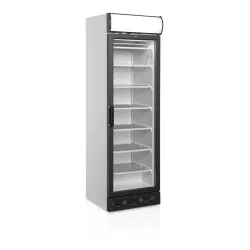
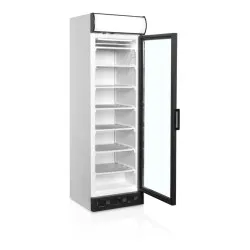
Article number: UFSC371GCP
A freezer designed to showcase frozen goods while keeping them at precise temperatures, the TEFCOLD ..
Is available
1,239.00€
with VAT: 1,499.19€
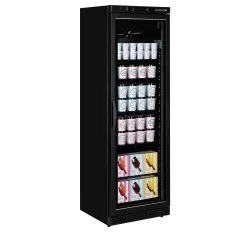
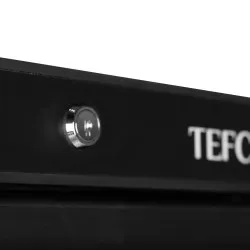
Article number: UF400VGB
A display freezer keeps frozen goods visible while maintaining safe storage temperatures. Inside the..
Is available
1,269.00€
with VAT: 1,535.49€
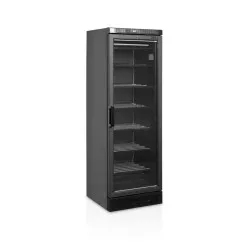
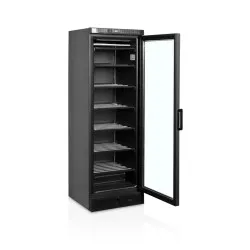
Article number: UFSC371G BLACK
The TEFCOLD UFSC371G BLACK is a commercial display freezer designed for showcasing frozen goods. It ..
Is available
1,279.00€
with VAT: 1,547.59€
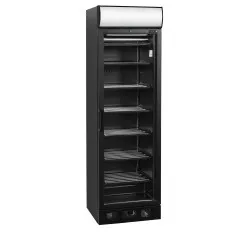
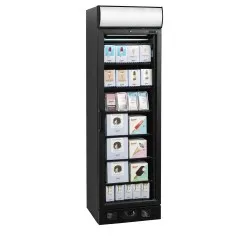
Article number: UFSC371GCP BLACK
This upright freezer uses static cooling to maintain a consistent temperature. Warm air inside the c..
Is available
1,309.00€
with VAT: 1,583.89€

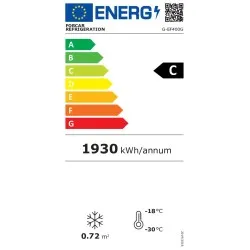
Article number: G-EF400G
The FORCAR G-EF400G is a static professional freezer designed for commercial use. Its construction f..
Is available
1,339.00€
with VAT: 1,620.19€
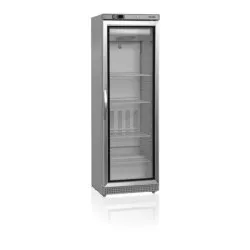
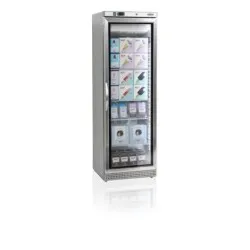
Article number: UF400VSG
The TEFCOLD UF400VSG is a storage freezer designed for commercial use. This unit is constructed from..
Is available
1,369.00€
with VAT: 1,656.49€
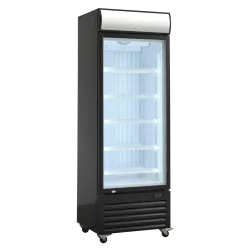
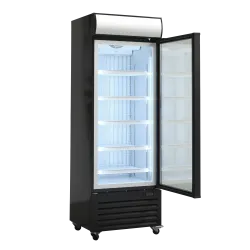
Article number: 25324010000DF400BD
A vertical display freezer keeps frozen goods visible to customers while maintaining the required lo..
Is available
1,374.00€
with VAT: 1,662.54€
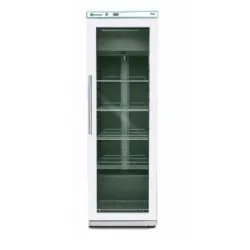
Article number: G-EFV400G
The FORCAR G-EFV400G is a ventilated freezer designed for professional use.
Ventilated freezers oper..
Is available
1,429.00€
with VAT: 1,729.09€

Article number: G-EF400GSS
A static freezer maintains a consistent low temperature by circulating cold air naturally, without f..
Is available
1,429.00€
with VAT: 1,729.09€
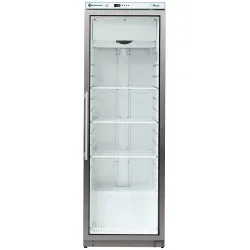
Article number: G-EFV400GSS
The FORCAR G-EFV400GSS is a commercial display freezer from the Eco Line range.
This appliance opera..
Is available
1,479.00€
with VAT: 1,789.59€
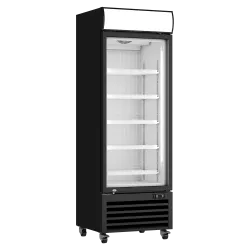

Article number: 253240DF500BD
A vertical display freezer keeps frozen goods visible to customers while maintaining commercial stor..
Is available
1,479.00€
with VAT: 1,789.59€
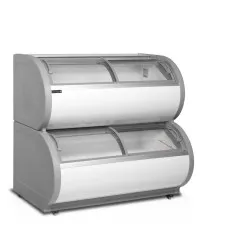
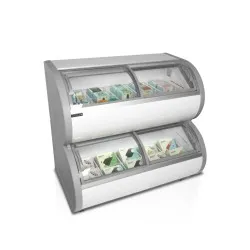
Article number: TD500
The TEFCOLD TD500 is a two level display freezer designed for commercial use. This appliance operate..
Is available
1,539.00€
with VAT: 1,862.19€
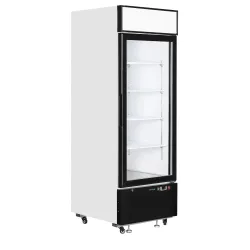
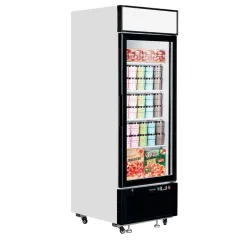
Article number: LGF2500
A display freezer keeps frozen goods visible while maintaining commercial storage temperatures. A re..
Is available
1,569.00€
with VAT: 1,898.49€

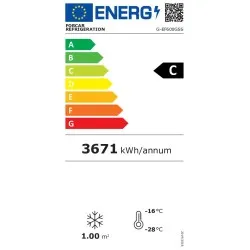
Article number: G-EF600GSS
A static freezer holds food at deep-freeze temperatures without forced air circulation, relying on n..
Is available
1,579.00€
with VAT: 1,910.59€
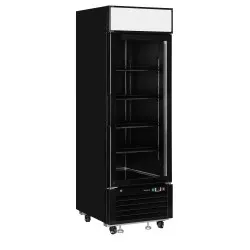
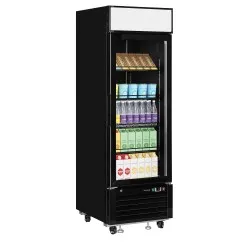
Article number: LGF2500B
This TEFCOLD LGF2500B is a display freezer with a 405 litre capacity and a black exterior finish. Di..
Is available
1,609.00€
with VAT: 1,946.89€
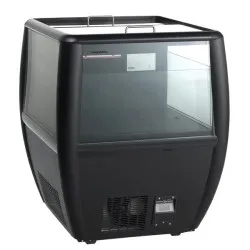
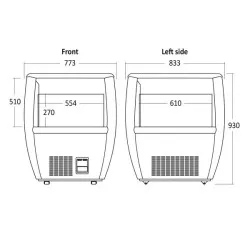
Article number: 60320087BE10000
An impulse freezer draws heat out of food or drink by forcing cold air across every shelf, then reci..
Is available
1,676.00€
with VAT: 2,027.96€
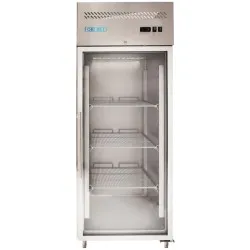
Article number: M-GN650BTG-FC
The Forcold M-GN650BTG-FC is a built-in freezer designed for commercial use. It operates within a te..
Is available
1,719.00€
with VAT: 2,079.99€
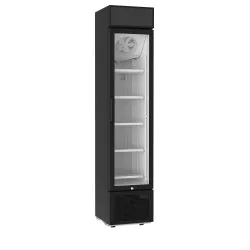
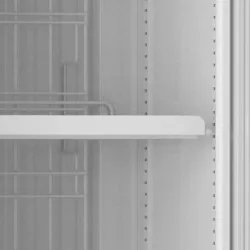
Article number: FSF176VH B
The TEFCOLD FSF176VH B is a display freezer designed for commercial use, often found in bar equipmen..
Is available
1,739.00€
with VAT: 2,104.19€
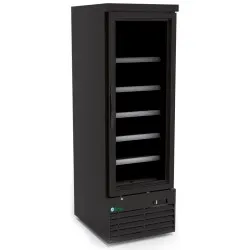
Article number: G-SNACK610BTG
This FORCAR freezer cabinet snack, article G-SNACK610BTG, is designed for professional kitchens. It ..
Is available
1,779.00€
with VAT: 2,152.59€
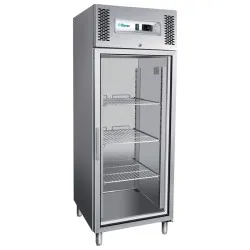
Article number: G-GN650BTG
It operates within a working temperature range of -18 °C to -22 °C, suitable for preserving a variet..
Is available
1,809.00€
with VAT: 2,188.89€
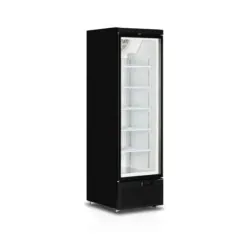
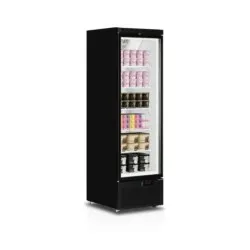
Article number: F1DB
This commercial upright freezer from TEFCOLD provides 390 litres of storage for frozen goods, design..
Is available
2,079.00€
with VAT: 2,515.59€
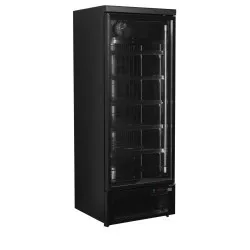
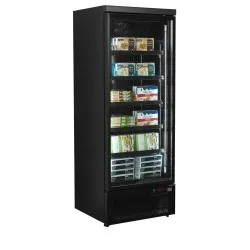
Article number: F1DBB
The TEFCOLD F1DBB is a commercial display freezer. A freezer operates by removing heat from its inte..
Is available
2,079.00€
with VAT: 2,515.59€
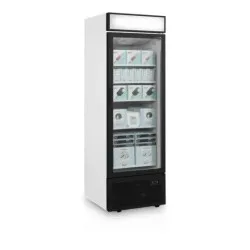
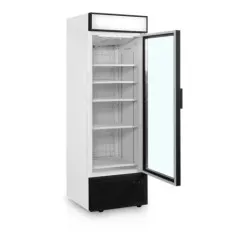
Article number: UFSC1450GCP-NF
A glass-door display freezer keeps frozen goods visible while maintaining low temperatures. The refr..
Is available
2,189.00€
with VAT: 2,648.69€
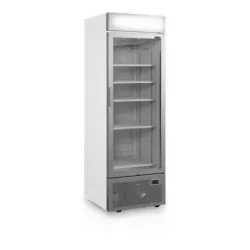
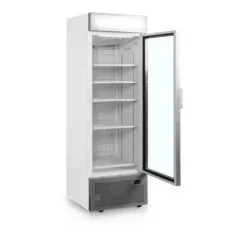
Article number: UFSC1450GCP-NF-SILVER
A glass-door display freezer keeps frozen goods visible while maintaining low temperatures. The refr..
Is available
2,189.00€
with VAT: 2,648.69€
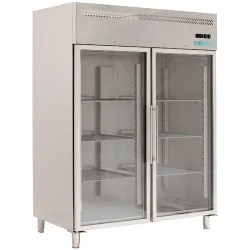
Article number: M-GN1410BTG-FC
The Forcold M-GN1410BTG-FC is a built-in freezer designed for commercial use. This appliance operate..
Is available
2,329.00€
with VAT: 2,818.09€
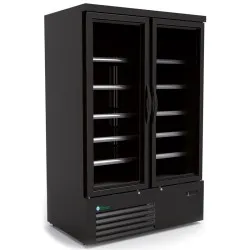
Article number: G-SNACK1220BTG
A freezer cabinet designed for organised snack storage in professional kitchens, the FORCAR G-SNACK1..
Is available
2,399.00€
with VAT: 2,902.79€
-250x250.webp "Display freezer SCANDOMESTIC 25324010000DF1006BD")
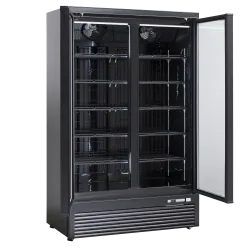
Article number: 25324010000DF1006BD
A display freezer keeps frozen goods visible while maintaining the low temperatures needed for safe ..
Is available
2,592.00€
with VAT: 3,136.32€
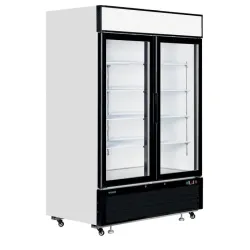
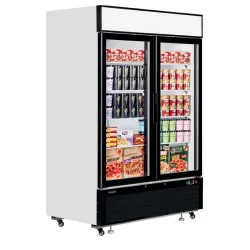
Article number: LGF5000
A display freezer keeps frozen goods visible while maintaining low temperatures, using a refrigerati..
Is available
2,599.00€
with VAT: 3,144.79€
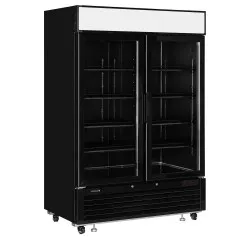
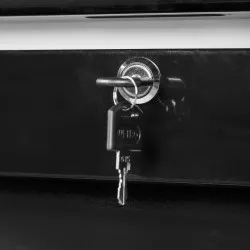
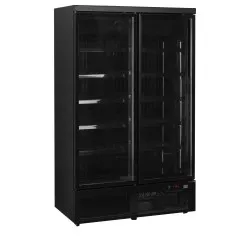
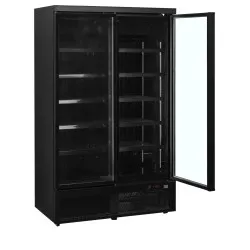
Article number: LGF5000B
This display freezer allows frozen goods to remain visible while maintaining the required low temper..
Is available
2,629.00€
with VAT: 3,181.09€
Article number: F2DBB
A freezer designed for visible storage keeps frozen goods at a steady low temperature while letting ..
Is available
2,779.00€
with VAT: 3,362.59€
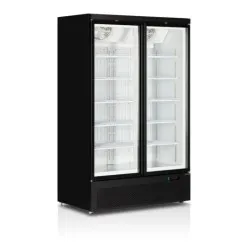
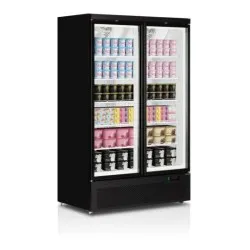
Article number: F2DB
This upright freezer provides 702 litres of storage, maintaining temperatures between -22 and -18 °C..
Is available
2,789.00€
with VAT: 3,374.69€
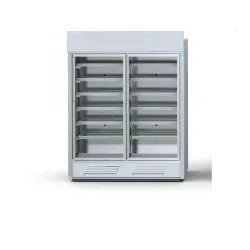
-250x250w.webp "Freezer IGLOO KG108MAT-c")
Article number: KG108MAT-c
A remote display freezer designed to showcase frozen goods while maintaining consistent low temperat..
Is available
2,889.00€
with VAT: 3,495.69€
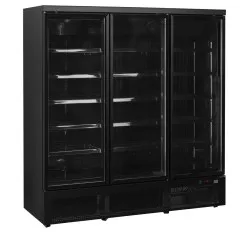
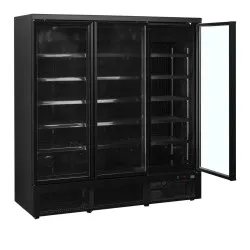
Article number: F3DBB
A glass-door freezer keeps frozen goods visible while maintaining a steady low temperature. The refr..
Is available
3,349.00€
with VAT: 4,052.29€
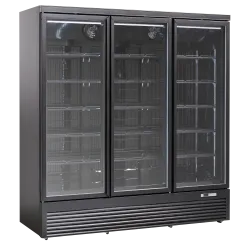
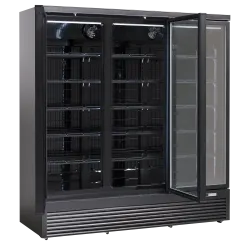
Article number: 25324010000DF1563BD
A display freezer keeps frozen goods visible while maintaining a steady low temperature. Inside the ..
Is available
3,351.00€
with VAT: 4,054.71€
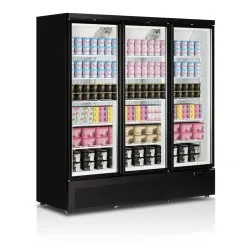
Article number: F3DB
An upright freezer of 1090 litres keeps frozen stock at a steady -22 to -18 °C by circulating cold a..
Is available
3,359.00€
with VAT: 4,064.39€
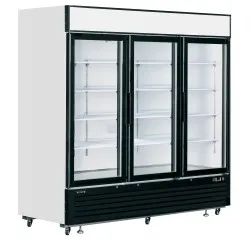
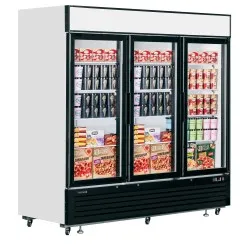
Article number: LGF7500
The TEFCOLD LGF7500 is a commercial display freezer designed for presenting frozen goods. This unit ..
Is available
3,399.00€
with VAT: 4,112.79€
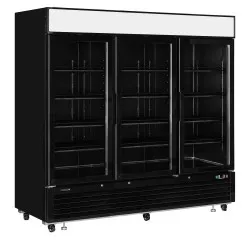
Article number: LGF7500B
A three-door display freezer keeps chilled stock visible and accessible while maintaining commercial..
Is available
3,399.00€
with VAT: 4,112.79€
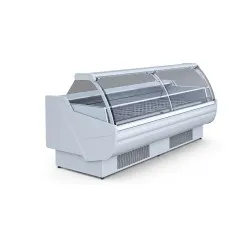
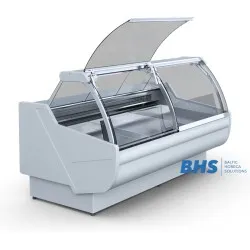
Article number: SA102M
A freezer showcase keeps frozen food visible and accessible while maintaining a steady low temperatu..
Is available
3,999.00€
with VAT: 4,838.79€
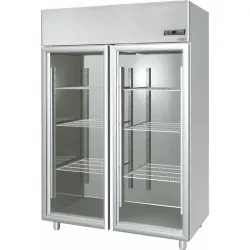
Article number: A140BTG
This freezer features a full-height glass door, allowing staff to view stored items without opening ..
Is available
4,079.00€
with VAT: 4,935.59€
Article number: SA101M
A freezer showcase keeps frozen food visible and accessible while maintaining a steady low temperatu..
Is available
4,349.00€
with VAT: 5,262.29€
Article number: KG108MAT
A display freezer keeps frozen goods visible and accessible while maintaining commercial freezer tem..
Is available
4,499.00€
with VAT: 5,443.79€
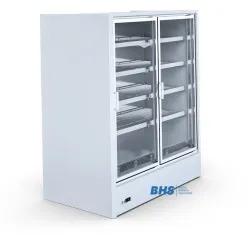
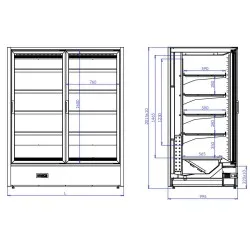
Article number: KS100
A display freezer keeps frozen goods visible and accessible while holding them at safe storage tempe..
Is available
4,509.00€
with VAT: 5,455.89€
Article number: KG102MAT-c
A remote display freezer keeps frozen goods visible and accessible while maintaining commercial temp..
Is available
4,659.00€
with VAT: 5,637.39€
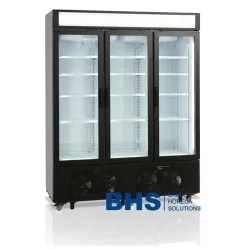
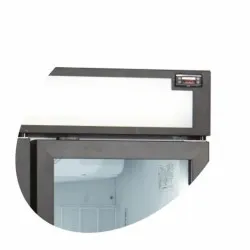
Article number: UFSC1600GCP
The TEFCOLD UFSC1600GCP is a commercial display freezer.
This unit employs ventilated cooling, which..
Is available
4,979.00€
with VAT: 6,024.59€
Article number: KS101
A display freezer keeps frozen goods visible and accessible while maintaining commercial freezer tem..
Is available
5,399.00€
with VAT: 6,532.79€
Article number: SA103M
A freezer showcase keeps frozen food visible and accessible while maintaining safe storage temperatu..
Is available
5,899.00€
with VAT: 7,137.79€
Article number: KG102MAT
A display freezer built for supermarket sales areas keeps frozen goods visible while maintaining com..
Is available
6,649.00€
with VAT: 8,045.29€
Article number: SA104M
A freezer showcase keeps frozen food visible and accessible while maintaining a consistent low tempe..
Is available
6,699.00€
with VAT: 8,105.79€
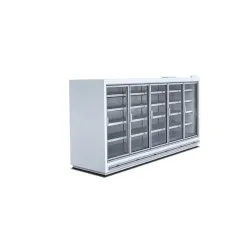
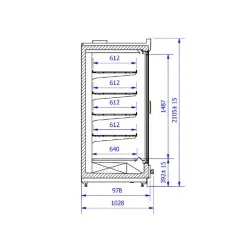
Article number: VRM156.1000L
The IGLOO VARIO M-L is a remote display freezer, article number VRM156.1000L. This type of appliance..
Is available
6,999.00€
with VAT: 8,468.79€
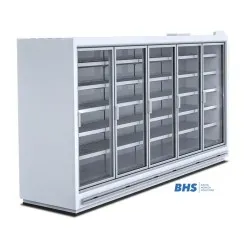
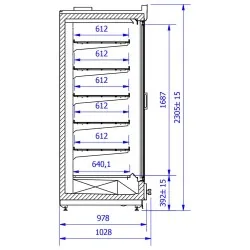
Article number: VRM156.1000H
The IGLOO VARIO M 1.56H is a display freezer designed for commercial use. This unit features dynamic..
Is available
7,919.00€
with VAT: 9,581.99€
Article number: VRM234.1000L
A remote display freezer keeps frozen goods visible while maintaining consistent low temperatures. T..
Is available
8,659.00€
with VAT: 10,477.39€
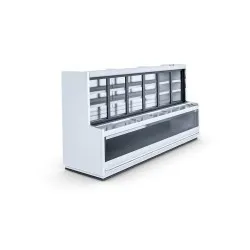
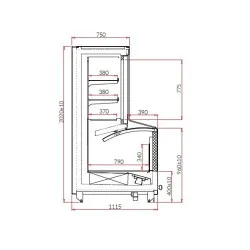
Article number: LVL160L
A supermarket freezer showcase that keeps frozen goods visible while drawing power from an external ..
Is available
8,999.00€
with VAT: 10,888.79€
Article number: VRM234.1000H
The IGLOO VARIO M 2.34 is a multiplexable display freezer, article number VRM234.1000H. It is design..
Is available
10,089.00€
with VAT: 12,207.69€
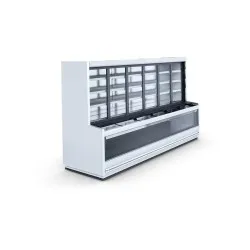
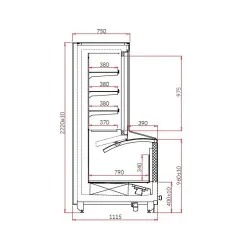
Article number: LVL160H
A supermarket freezer showcase keeps frozen goods visible and accessible while maintaining a steady ..
Is available
10,299.00€
with VAT: 12,461.79€
Article number: VRM312.1000L
A remote display freezer keeps frozen goods visible while separating the refrigeration unit from the..
Is available
10,399.00€
with VAT: 12,582.79€
Article number: LVL180L
A supermarket freezer showcase keeps frozen food visible and accessible while maintaining a steady l..
Is available
12,259.00€
with VAT: 14,833.39€
Article number: VRM312.1000H
The IGLOO VARIO M 3.12 is a display freezer, article number VRM312.1000H. This multiplexable unit em..
Is available
12,509.00€
with VAT: 15,135.89€
Article number: VRM390.1000L
A remote display freezer keeps frozen goods visible and accessible while maintaining commercial free..
Is available
12,799.00€
with VAT: 15,486.79€
Article number: LVL180H
A remote supermarket freezer showcase keeps chilled products visible and accessible while maintainin..
Is available
13,579.00€
with VAT: 16,430.59€
Article number: VRM390.1000H
The IGLOO VARIO M 3.90H is a multiplexable display freezer designed for commercial use. This unit em..
Is available
15,079.00€
with VAT: 18,245.59€