Professional kitchen cleaning equipment is directly linked to food safety and compliance with HACCP — a clean, well-organised kitchen reduces the risk of cross-contamination, dust exposure and unwanted visitors. Regular cleaning procedures with the right equipment are the foundation for the practical implementation of a HACCP plan in a professional kitchen.
Waste containers for kitchens
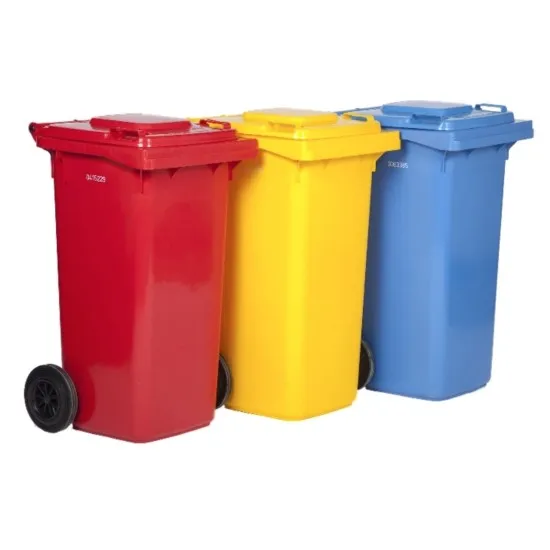
Kitchen waste containers must have a lid to prevent odour spread and insect entry. Pedal bins allow the lid to be opened without hand contact — a HACCP critical element when kitchen staff work with food. Separate waste containers for different categories — organic, recyclable plastic and glass — comply with waste sorting requirements.
Large kitchen waste containers and bins are designed for corridors outside the main kitchen area, where larger volumes of waste accumulate. Proper placement of waste containers in the kitchen layout reduces waste disposal routes and improves overall kitchen logistics. Explore Waste Container for kitchens.
Kitchen cleaning trolleys
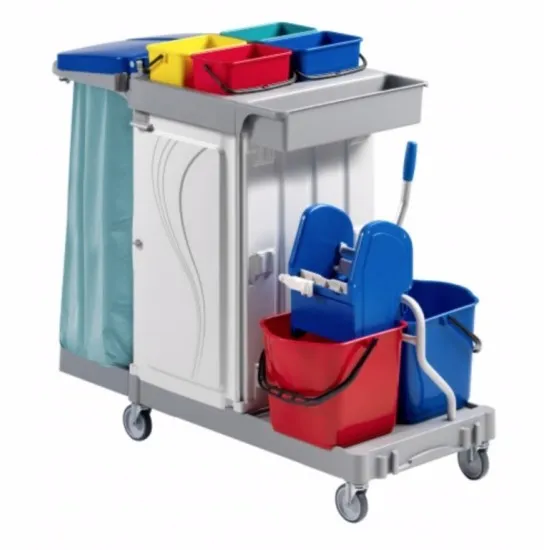
Professional kitchen cleaning trolleys are designed for intensive commercial cleaning work — they include buckets, a mop wringing mechanism and a system for holding accessories. Stainless steel or polypropylene material ensures resistance to aggressive cleaning chemicals used in kitchen disinfection.
A professional two-compartment mop bucket with separate clean and dirty water ensures that the floor is never washed with already contaminated water — an important element of HACCP compliance. A cleaning trolley with a shelf for detergents and accessories allows kitchen staff to efficiently perform intermediate cleaning during the working day. Explore Kitchen Cleaning Trolleys.
Floor and surface cleaning accessories
For kitchen floor cleaning, brushes with long handles are suitable, allowing work without bending and reducing back strain. Floor scrubbers and scrapers effectively remove stuck-on dirt and grease deposits from the floor surface. Silicone floor squeegees quickly remove excess water from the floor after washing, preventing slip hazards.
For wall and work surface cleaning, brushes of varying stiffness are suitable depending on the surface material. For stainless steel surfaces, soft or medium-stiffness brushes are recommended to avoid scratching the metal.
HACCP and kitchen cleaning standards
Kitchen cleaning equipment directly affects compliance with HACCP — dirty cleaning equipment can spread bacteria and introduce contamination into the kitchen it is meant to clean. Cleaning cloths, mops and brushes should be replaced or disinfected after each shift. A colour-coding system prevents mixing of cleaning accessories between different zones.
The HACCP plan should include a schedule for cleaning and replacing kitchen cleaning equipment. Worn-out equipment that can no longer clean effectively should be replaced immediately — cleaning quality is directly dependent on the condition of the equipment.
Frequently asked questions
What cleaning equipment is mandatory for a professional kitchen? Mandatory equipment includes: a pedal waste container with a lid, a two-compartment mop bucket with a wringer, floor brushes and scrubbers, work surface cleaning cloths (in different colours), disinfectant sprays and gloves. Additional equipment depends on the kitchen's size and process intensity.
How often should a mop head be replaced in a professional kitchen? In intensive kitchen use, the mop head should be replaced at least once a week — or more frequently if it is visibly worn or damaged. Regular mop head replacement ensures effective cleaning and prevents bacterial growth in the used material.
Why choose BHS?
BHS – Baltic HoReCa Solutions supplies professional equipment for restaurants, cafés, hotels and canteens: more than 20,000 products from many manufacturers. Our specialists help you choose the right equipment and spare parts for your kitchen or bar.
Delivery
We deliver across the European Union. Delivery time and cost depend on the order volume and destination — contact the BHS team for an exact price and lead time.