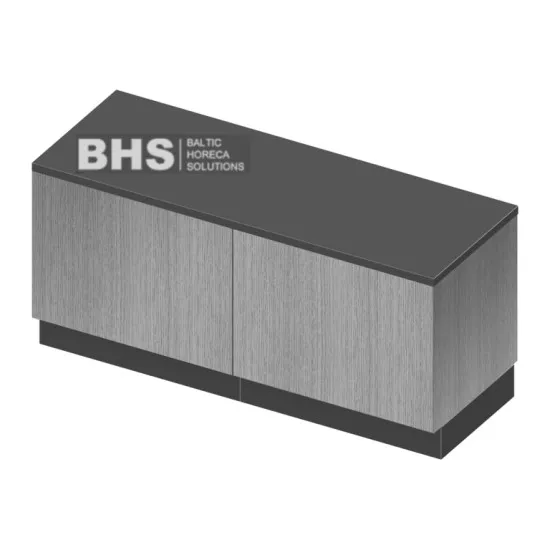
Serving Tray Tables form the backbone of a canteen’s operation — visitor flow, serving speed and hygiene compliance largely depend on the correct configuration of the distribution table. A well-designed serving line reduces visitor waiting time, lowers staff workload and ensures product temperature is maintained throughout the shift. In school, corporate and public canteens, distribution tables are essential equipment without which canteen operation is unthinkable.
Neutral distribution tables
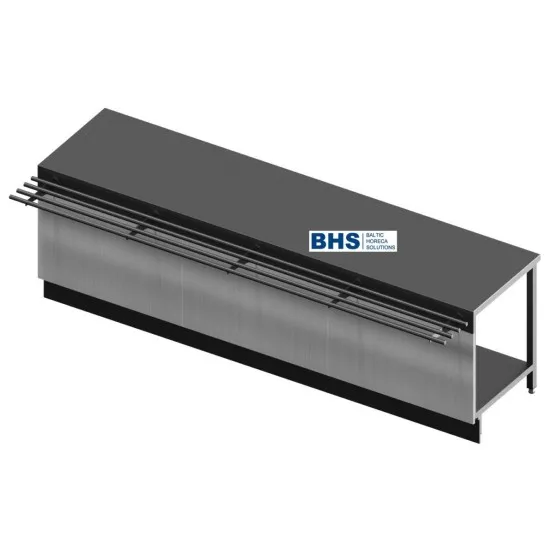
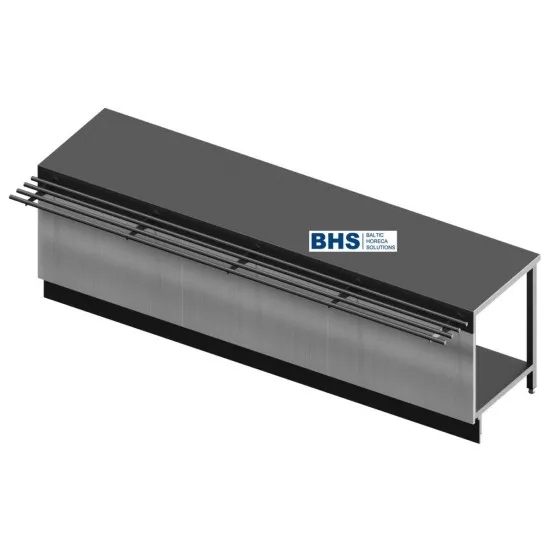
Neutral distribution table modules are the basic structure that can be combined with hot and cold sections. They provide a work surface that can be used for tray support, the cashier zone, bread or condiment display. Neutral modules are available in standard widths — 400, 600, 800 and 1000 mm — allowing flexible combination of serving line length to suit the space.
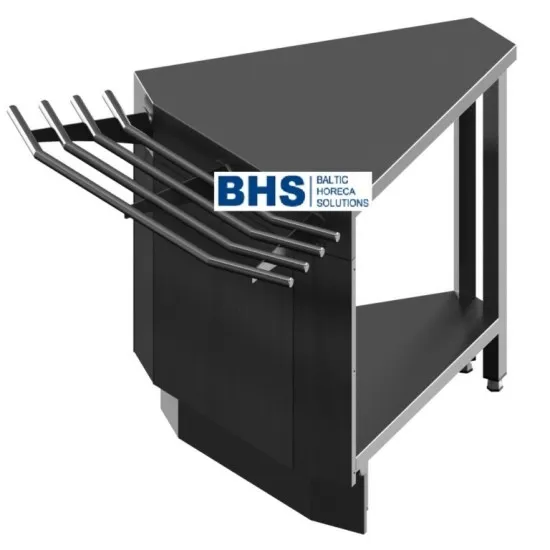
Distribution table corner modules allow L-shaped or U-shaped serving line configurations, which make more efficient use of canteen corner space and create a circular visitor flow. The corner module is ideal for high-volume canteens with a large daily visitor count, where the capacity of a single straight serving line is insufficient.
Designing a distribution table system
Designing a distribution table system begins with an analysis of the canteen space and visitor flow. Key factors include the maximum number of simultaneous visitors, available space for the serving line, the size of the menu (how many bain-marie sections are needed), the location of the cashier zone and the kitchen’s exit to the serving area.
The modular system allows the configuration to be changed over time — adding new sections, adjusting the hot/cold section ratio to match seasonal menu changes or canteen re-profiling. BHS helps plan the Serving Tray Table system to meet the canteen’s individual requirements.
HACCP requirements
Serving Tray Tables must comply with HACCP requirements — hot sections must maintain temperatures above +63°C, cold sections below +8°C throughout the shift. Stainless steel distribution table surfaces are the most hygienic and easy to clean. Regular surface cleaning and disinfection are a mandatory part of the HACCP plan.
The distribution table structure must have no hard-to-reach corners or gaps where food residues can accumulate. Neutral modules must be cleaned at least after each shift, while hot and cold sections more frequently if the assortment is changed. Temperature control documentation throughout the working day is a HACCP requirement.
HoReCa scenarios
In a school canteen, the classic Serving Tray Table configuration is: at the start — the salad and cold condiment bar, in the middle — hot display cases or bain-maries with the main dish and sides, at the end — the cashier zone. In a corporate canteen with various food options, multiple parallel distribution lines or an L-shaped configuration can be used.
Also see Neutral Distribution Table 700, Distribution Table Corners and Serving Tables for system setup.
Frequently asked questions
What size distribution table system is needed for a 200-seat canteen? A 200-seat canteen with a 45-minute lunch break requires a serving line with a capacity of at least 250–300 portions per hour. This usually means a 4–6 metre-long serving line with several parallel hot sections. BHS helps calculate the optimal configuration.
Can the distribution table system be expanded after purchase? Yes — the modular system is designed specifically for expansion. New modules can be added to the existing system if they are in the same manufacturer’s standard dimensions. Before purchase, it is important to check whether the manufacturer guarantees expansion compatibility.
Why choose BHS?
BHS – Baltic HoReCa Solutions supplies professional equipment for restaurants, cafés, hotels and canteens: more than 20,000 products from many manufacturers. Our specialists help you choose the right equipment and spare parts for your kitchen or bar.
Delivery
We deliver across the European Union. Delivery time and cost depend on the order volume and destination — contact the BHS team for an exact price and lead time.