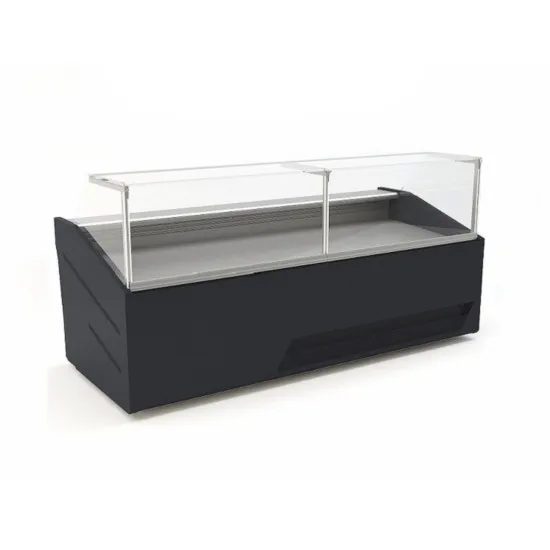
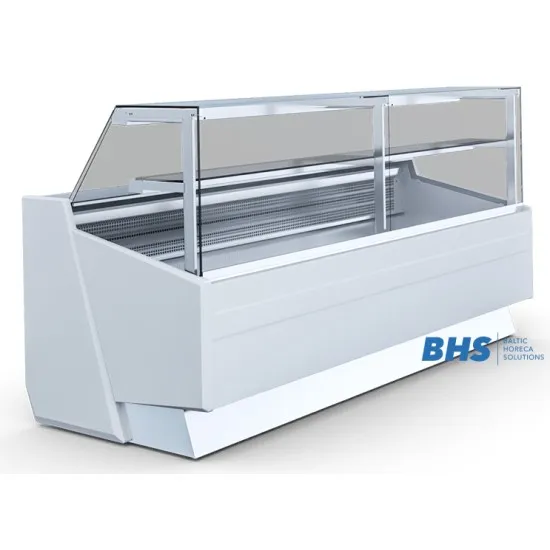
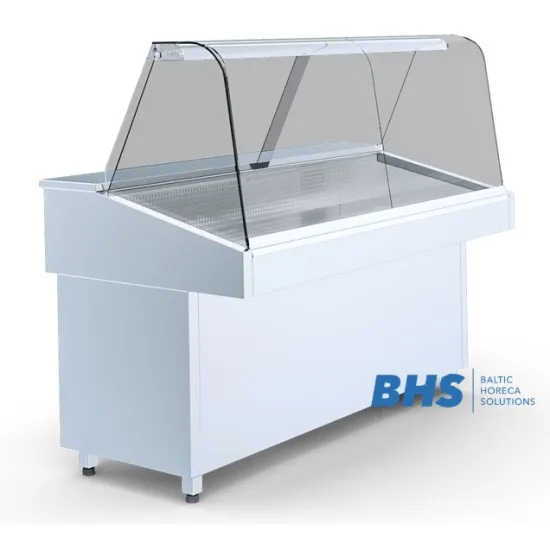
Display cases for fish and seafood are a specialised segment of retail equipment where temperature requirements are stricter than for ordinary food products — fresh fish retain commercial quality only within a narrow +0–+2°C temperature range. Visually appealing presentation of seafood on ice or in a refrigerated display case directly influences the customer’s perception of product freshness and purchase decisions. In specialised fish shops and supermarket seafood sections, fish display cases are a key infrastructure investment priority.
Types of fish display cases
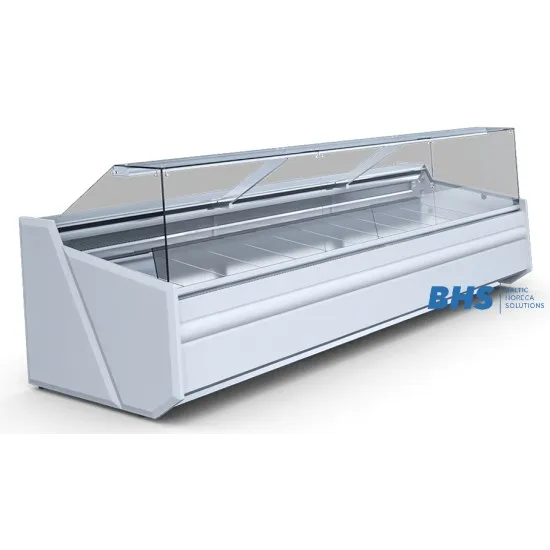
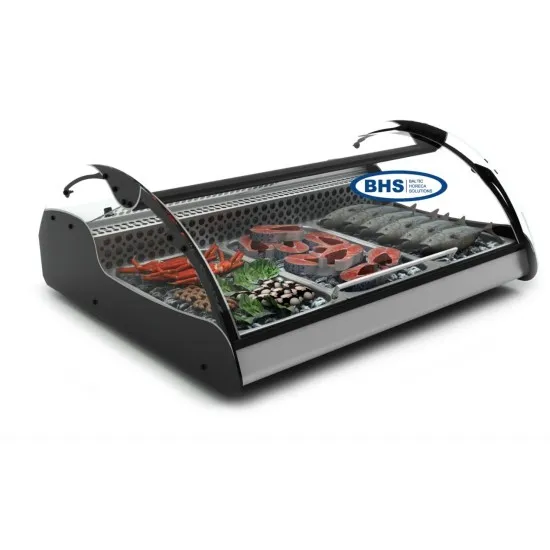
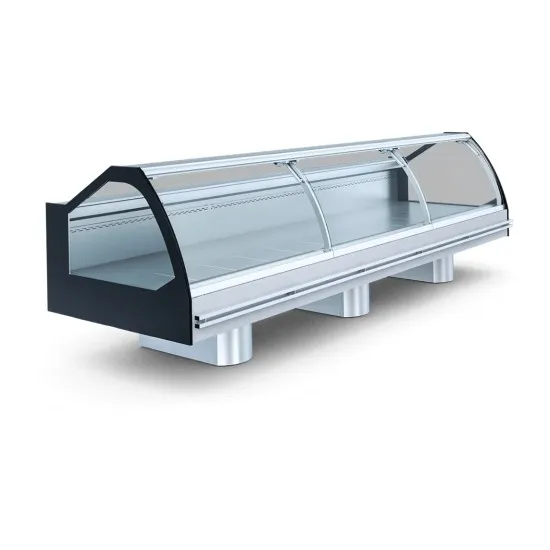
Open ice display cases (wet fish display) with embedded ice pieces are the classic form of fresh fish retailing — ice maintains the lowest temperature, preserves the fish’s moisture and visually indicates product freshness. Fish are arranged in a visually appealing way on the ice display, which stimulates impulse purchases. Ice must be replenished several times a day.
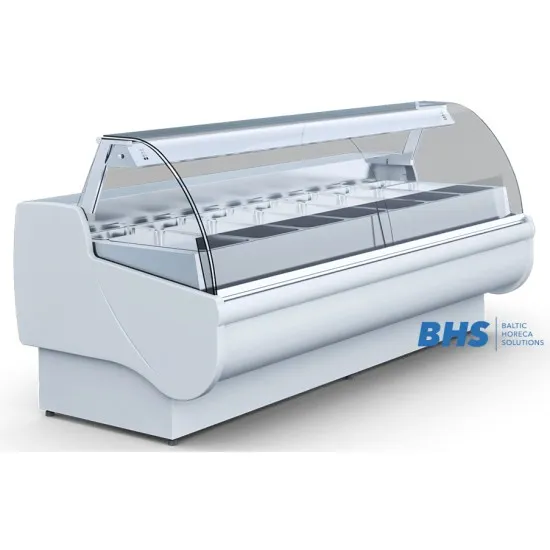
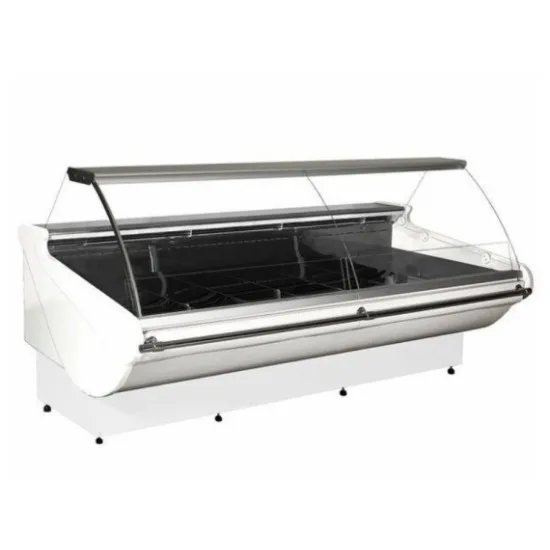
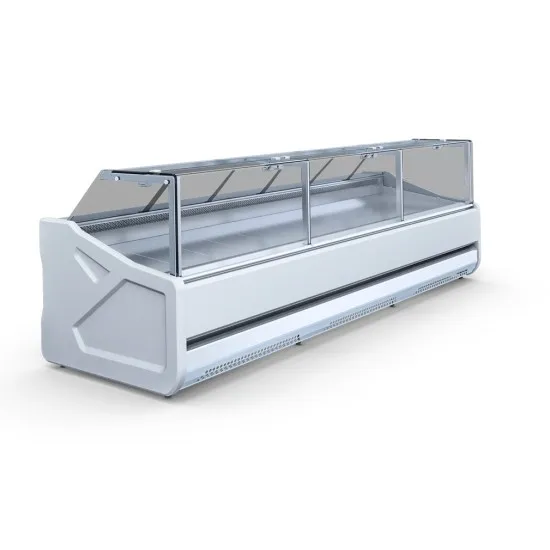
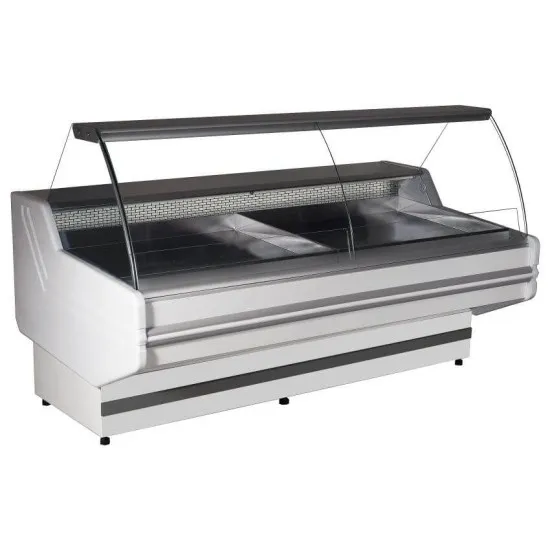
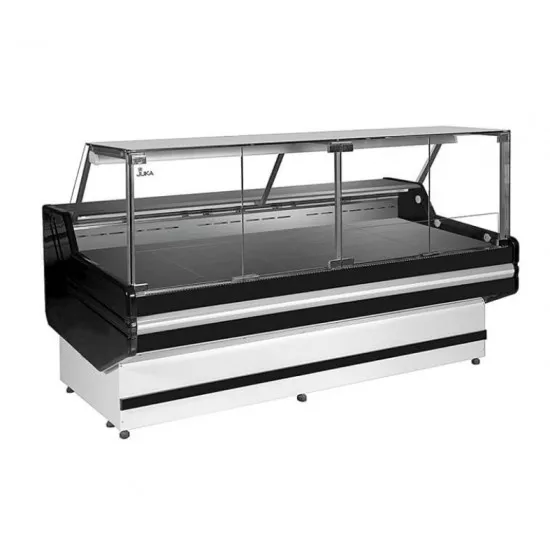
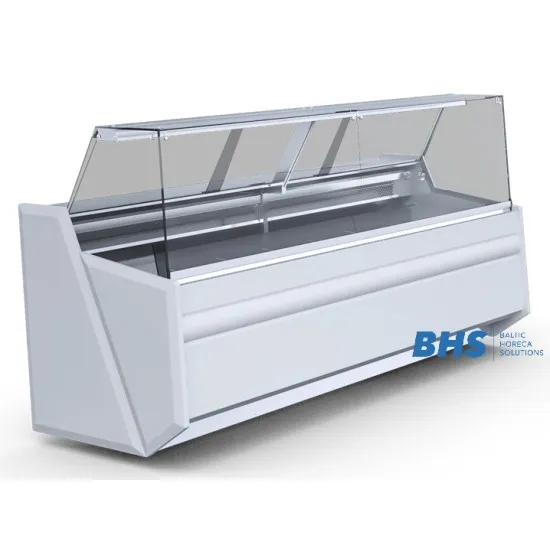
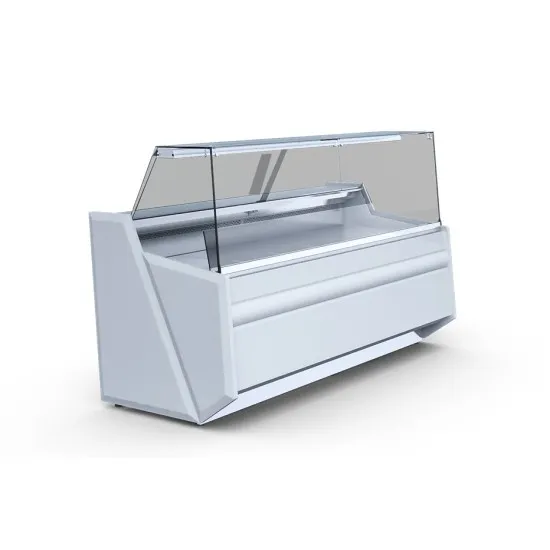
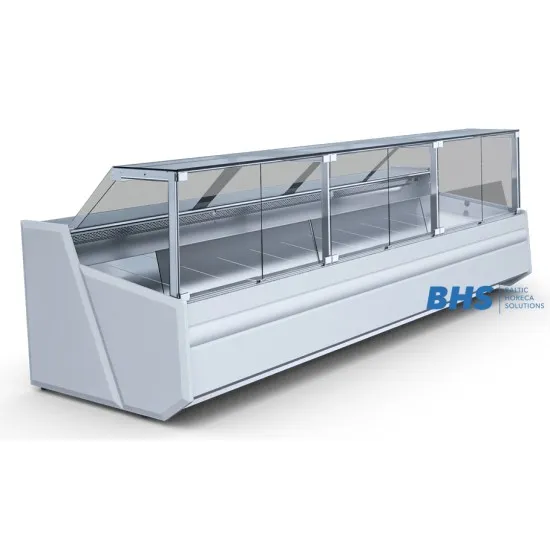
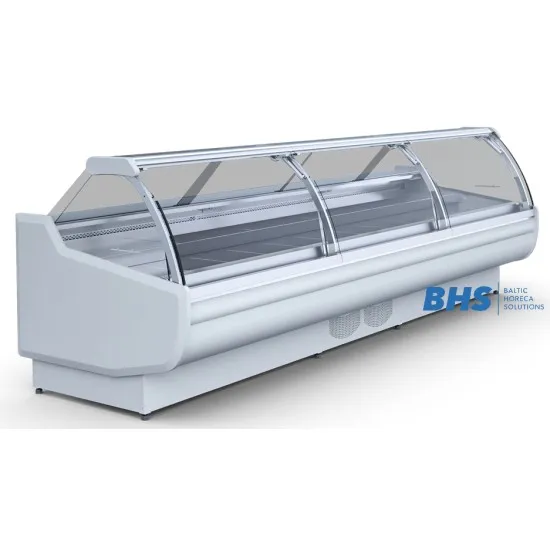
Closed active cooling display cases with glass doors are more energy-efficient — they maintain a stable temperature without the need to replenish ice and reduce staff workload. The drawback of closed display cases is that they are less visually appealing than ice displays. Some models combine ice for visual presentation with active cooling for temperature stability.
Temperature requirements for seafood
Fresh fish must be stored at 0–+2°C — a higher temperature would dramatically accelerate bacterial growth and reduce product shelf life. Live shellfish and crustaceans require a temperature of +5–+10°C and sufficient humidity. Marinated and processed seafood should be stored according to the manufacturer’s instructions — usually +2–+4°C.
Automated temperature recording in the display case simplifies the maintenance of HACCP documentation.
HACCP and seafood safety
Seafood is a high-risk food category — therefore, HACCP requirements in this area are particularly strict. Fish and seafood retail must comply with strict food safety standards and regular inspection oversight. The display case temperature log must be maintained regularly, and product shelf life must be checked daily.
Cleaning and disinfecting the display case after each working day is mandatory — fish residues and water can promote the growth of Listeria and other pathogens. Ice used for fish presentation must be made from drinking water. BHS provides display cases that meet food safety standards.
HoReCa and retail scenarios
In a specialised fish shop, an elegant open ice display case with fresh fish is the main visual element that attracts customers and signals product freshness. In restaurant delicatessen sections, closed refrigerated display cases with marinated and processed seafood allow customers to select ready-to-eat products in a self-service format.
Also explore Deli Meat Display Case, Shop Display Cases and Refrigerator for a Shop for a complete food retail area setup.
Frequently asked questions
What temperature should be maintained in a fish display case? The optimal storage temperature for fresh fish is 0–+2°C. In an ice display case, the ice temperature ensures the 0°C range. In closed refrigerated display cases, the temperature should be set to 0–+2°C and checked regularly. A lower temperature may freeze the product without authorisation for freezing.
How often should ice be replenished in an open fish display case? The frequency of ice replenishment depends on the size of the display case, room temperature and the amount of fish. On average, ice should be replenished 2–3 times a day. In summer or in warm room conditions, more frequently. The amount of ice should be sufficient to ensure that the fish are always fully surrounded by ice.
Why choose BHS?
BHS – Baltic HoReCa Solutions supplies professional equipment for restaurants, cafés, hotels and canteens: more than 20,000 products from many manufacturers. Our specialists help you choose the right equipment and spare parts for your kitchen or bar.
Delivery
We deliver across the European Union. Delivery time and cost depend on the order volume and destination — contact the BHS team for an exact price and lead time.


-550x550w.webp)