

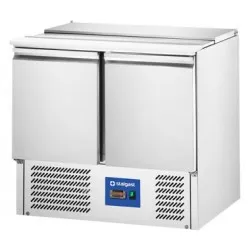
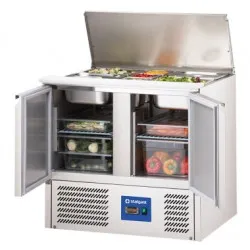
Article number: 832129
A cooling counter keeps prepared ingredients and plated dishes chilled without drying them out. It c..
Is available
607.50€
with VAT: 735.08€
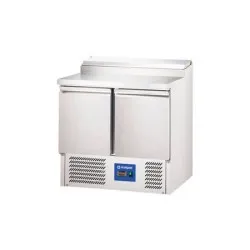
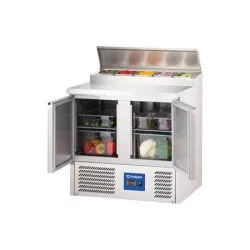
Article number: 832328
This Stalgast cooling counter, article 832328, functions as a table refrigerator. This type of cooli..
Is available
708.75€
with VAT: 857.59€
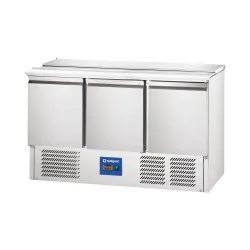
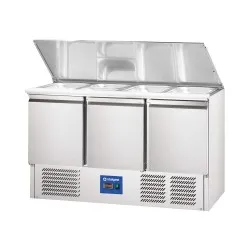
Article number: 832139
This Stalgast cooling counter, article 832139, is a table refrigerator designed for professional use..
Is available
911.25€
with VAT: 1,102.61€
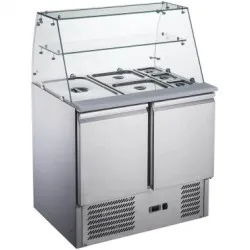
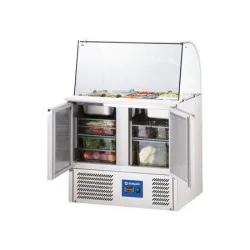
Article number: 832222
This Stalgast cooling counter, article 832222, is designed for professional food service environment..
Is available
945.00€
with VAT: 1,143.45€
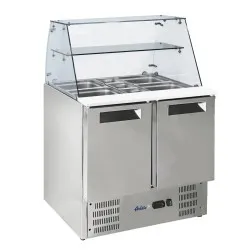
Article number: 236185
A refrigerated salad prep counter that places ingredients on show while keeping them chilled beneath..
Is available
1,019.00€
with VAT: 1,232.99€
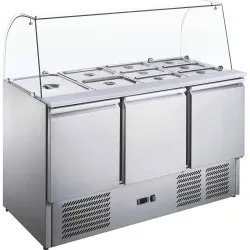
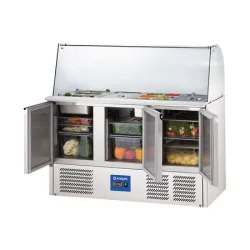
Article number: 832232
A refrigerated counter that keeps prepared salads, dressings and cold buffet items chilled while dis..
Is available
1,053.00€
with VAT: 1,274.13€
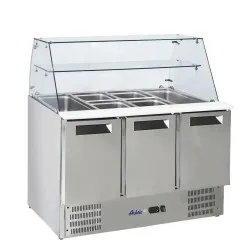
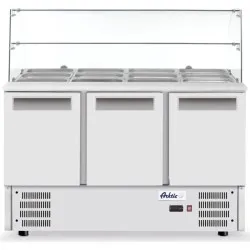
Article number: 236192
A refrigerated worktop with a full-length glass top creates a visible preparation area where custome..
Is available
1,449.00€
with VAT: 1,753.29€
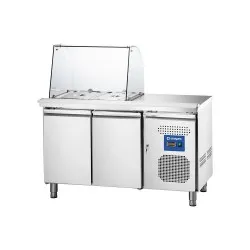
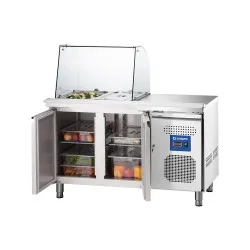
Article number: 832225
A cooling counter designed for organised salad bars and chilled displays keeps prepared ingredients ..
Is available
1,449.00€
with VAT: 1,753.29€
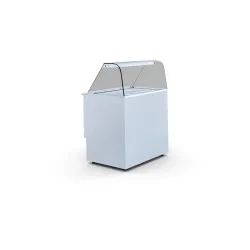
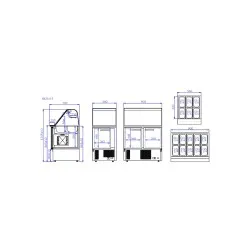
Article number: IB02
The IGLOO IBIZA 560 mm is a table-refrigerator salad bar.
This appliance maintains a chilled environ..
Is available
1,699.00€
with VAT: 2,055.79€
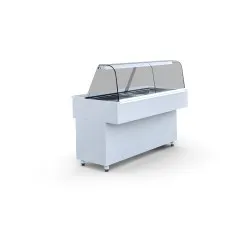
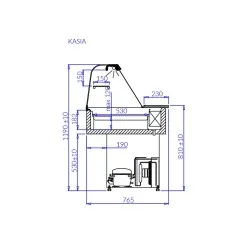
Article number: KA100TS
A refrigerated salad bar keeps prepared salads, fruits and chilled desserts at serving temperature w..
Is available
1,699.00€
with VAT: 2,055.79€
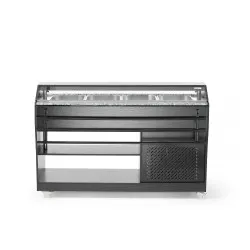
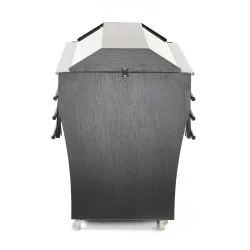
Article number: 274057
This Arktic salad buffet, article number 274057, is designed for the presentation and storage of chi..
Is available
1,899.00€
with VAT: 2,297.79€
Article number: IB01
The IBIZA 900 mm is a table-refrigerator salad bar from IGLOO, article IB01. This appliance cools it..
Is available
1,899.00€
with VAT: 2,297.79€
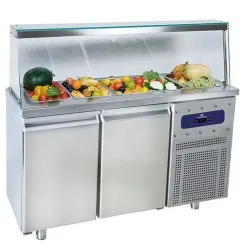
Article number: BNA0068
A refrigerated salad table maintains fresh ingredients at precise chilled temperatures while providi..
Is available
1,899.00€
with VAT: 2,297.79€
Article number: KA101TS
A refrigerated salad bar keeps prepared salads, fruits and chilled dishes at serving temperature whi..
Is available
1,949.00€
with VAT: 2,358.29€
Article number: KA102TS
The IGLOO KASIA is a table-refrigerator salad bar, article number KA102TS. This appliance is designe..
Is available
2,099.00€
with VAT: 2,539.79€
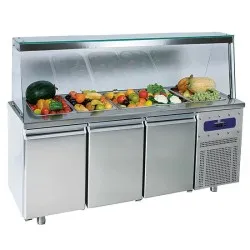
Article number: BNA0069
A refrigerated salad table keeps prepared ingredients chilled and ready for service without freezing..
Is available
2,199.00€
with VAT: 2,660.79€
Article number: KA103TS
A refrigerated salad bar keeps prepared salads, fruits and chilled desserts at serving temperature w..
Is available
2,239.00€
with VAT: 2,709.19€
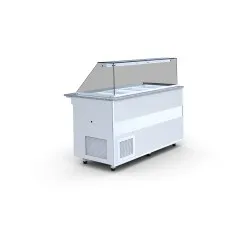
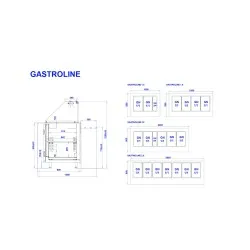
Article number: GL107
A refrigerated salad bar keeps prepared salads, fruits and cold dishes at serving temperature while ..
Is available
2,289.00€
with VAT: 2,769.69€
Article number: KA104TS
A refrigerated salad bar keeps prepared salads, fruits and chilled dishes at serving temperature whi..
Is available
2,379.00€
with VAT: 2,878.59€
Article number: GL100
A refrigerated salad bar keeps fresh produce visible and chilled at the same time. The cooling unit ..
Is available
2,489.00€
with VAT: 3,011.69€
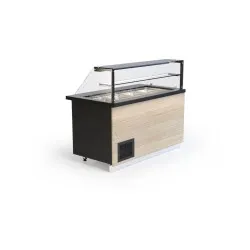
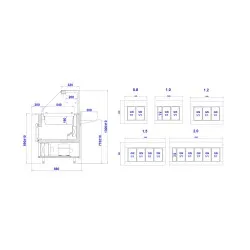
Article number: GLP100
A refrigerated salad bar keeps fresh produce chilled while presenting it to customers without openin..
Is available
2,489.00€
with VAT: 3,011.69€
Article number: GLP110
A refrigerated salad bar keeps fresh produce chilled while presenting it to customers without openin..
Is available
2,549.00€
with VAT: 3,084.29€
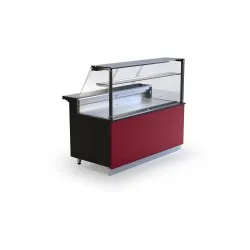
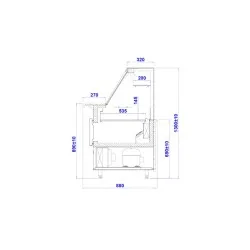
Article number: GLP110EX
A refrigerated salad bar keeps prepared fruits and salads at serving temperature while presenting th..
Is available
2,599.00€
with VAT: 3,144.79€
Article number: GLP120
A refrigerated salad bar creates a self-service display where customers lift fresh ingredients direc..
Is available
2,699.00€
with VAT: 3,265.79€
Article number: GL101
The GASTROLINE 2000 mm salad bar by IGLOO is a refrigerated display unit designed for presenting chi..
Is available
2,739.00€
with VAT: 3,314.19€
Article number: GLP130
A refrigerated salad bar keeps fresh produce at serving temperature while presenting it to customers..
Is available
3,059.00€
with VAT: 3,701.39€
Article number: GLP130EX
A refrigerated salad bar keeps prepared fruits and salads at serving temperature while presenting th..
Is available
3,159.00€
with VAT: 3,822.39€
Article number: GL102
A refrigerated salad bar keeps fresh produce chilled while presenting it to customers in a self-serv..
Is available
3,269.00€
with VAT: 3,955.49€
Article number: GLP140
A refrigerated salad bar keeps fresh produce at serving temperature while presenting it openly to cu..
Is available
3,379.00€
with VAT: 4,088.59€
Article number: GLP140EX
A refrigerated salad bar keeps prepared salads, fruits and chilled dishes at serving temperature whi..
Is available
3,799.00€
with VAT: 4,596.79€