

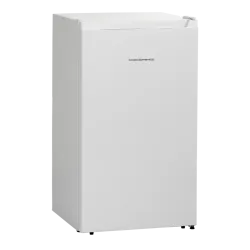
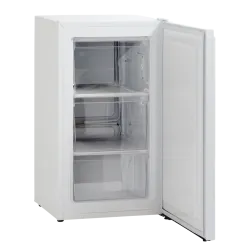
Article number: 57020061W10000
A static freezer removes heat from the air inside without a fan, letting cold air sink naturally to ..
Is available
161.00€
with VAT: 194.81€
-250x250.webp "Freezer Scandomestic HOME 31024310000SFS56WE")
-250x250.webp "Freezer Scandomestic HOME 31024310000SFS56WE")
Article number: 31024310000SFS56WE
A static freezer draws heat from stored food by circulating cold air naturally, without a fan. Cold ..
Is available
170.00€
with VAT: 205.70€
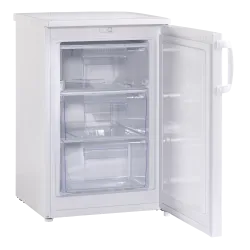
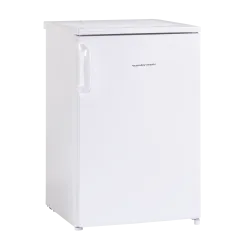
Article number: 01024310000FRT85WD
A static-cooling freezer keeps food frozen by circulating cold air naturally, without a fan. Cold ai..
Is available
207.00€
with VAT: 250.47€
-250x250.webp "Freezer Scandomestic HOME 01024010000FRF145WE")
-250x250.webp "Freezer Scandomestic HOME 01024010000FRF145WE")
Article number: 01024010000FRF145WE
The Scandomestic HOME FRF145WE is a freestanding freezer designed for domestic use, offering a 145-l..
Is available
255.00€
with VAT: 308.55€
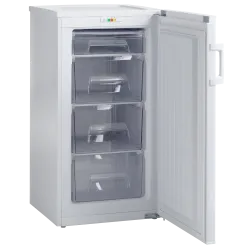
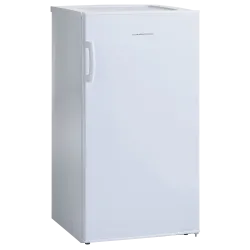
Article number: 31024010000FRF99WE
A static freezer removes heat from the air inside without a fan, letting cold air sink naturally to ..
Is available
279.00€
with VAT: 337.59€
-250x250.webp "Freezer Scandomestic HOME 61024010000FRF168WE")
-250x250.webp "Freezer Scandomestic HOME 61024010000FRF168WE")
Article number: 61024010000FRF168WE
This static freezer cools without a fan, allowing cold air to settle naturally. The method maintains..
Is available
297.00€
with VAT: 359.37€
-250x250.webp "Freezer Scandomestic HOME 01024010000FRF177WD")
-250x250.webp "Freezer Scandomestic HOME 01024010000FRF177WD")
Article number: 01024010000FRF177WD
This freestanding freezer uses static cooling, which removes heat from stored food without a fan. Co..
Is available
299.00€
with VAT: 361.79€
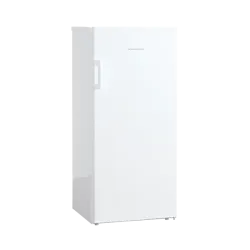
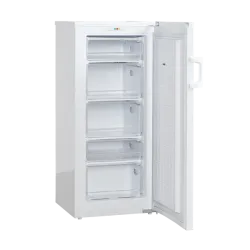
Article number: 31024010000FRF127WE
A static freezer cools by circulating air naturally, without a fan. Cold air sinks from the evaporat..
Is available
299.00€
with VAT: 361.79€
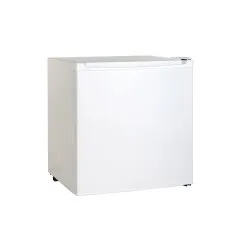
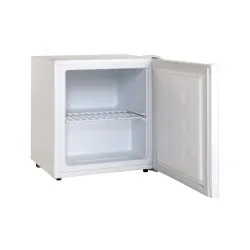
Article number: 31020056W10000
A freezer that removes heat from food by circulating a refrigerant through sealed coils. The refrige..
Is available
329.00€
with VAT: 398.09€
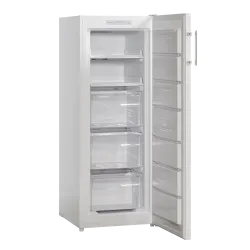
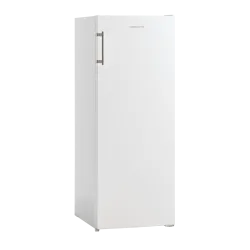
Article number: 61024010000FRF161NFWE
A freestanding freezer that removes heat from the air inside its insulated cabinet, lowering the tem..
Is available
356.00€
with VAT: 430.76€
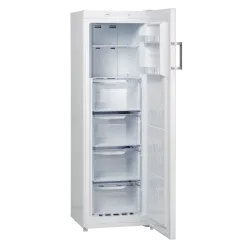
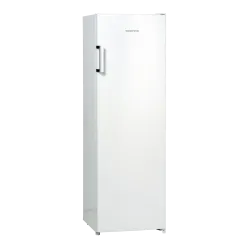
Article number: 01024010000SFS226WE
A freestanding freezer removes heat from the air inside and expels it outside, lowering the temperat..
Is available
419.00€
with VAT: 506.99€
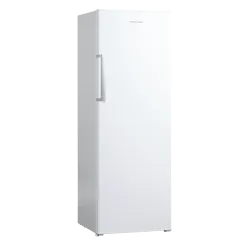
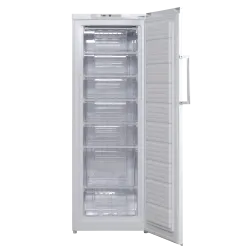
Article number: 61024010000SFS242WE
This freezer relies on static cooling, where cold air settles naturally without fans. The gentle cir..
Is available
473.00€
with VAT: 572.33€
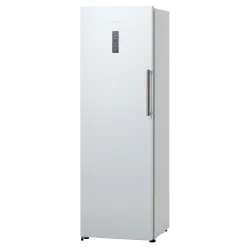
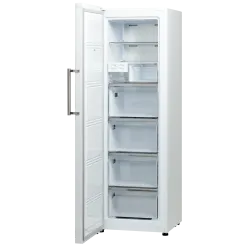
Article number: 57020352W10000
An upright freezer that removes the need for manual defrosting by circulating cold, dry air through ..
Is available
632.00€
with VAT: 764.72€
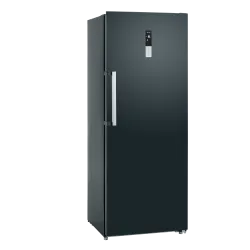
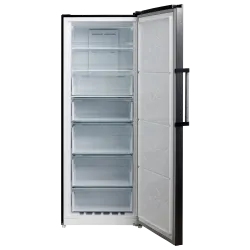
Article number: 01020381BX10000
A 380-litre upright freezer keeps frozen food organised without manual defrosting. The refrigeration..
Is available
644.00€
with VAT: 779.24€
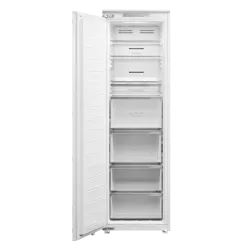

Article number: 33024110000FRI212NFWD
This built-in freezer removes the need for manual defrosting, maintaining a consistent deep-freeze e..
Is available
644.00€
with VAT: 779.24€
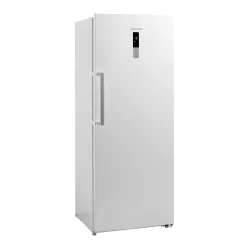
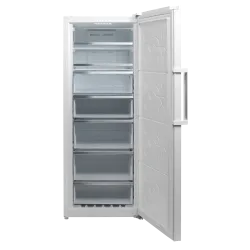
Article number: 01020381W10000
A 380-litre upright freezer keeps frozen food at sub-zero temperatures without manual defrosting. Th..
Is available
678.00€
with VAT: 820.38€