

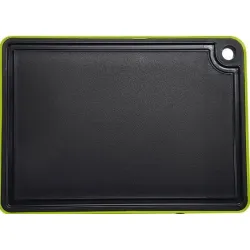
Article number: 340270
A cutting board provides a stable, replaceable surface that protects worktops and knives while food ..
Is available
4.35€
with VAT: 5.26€
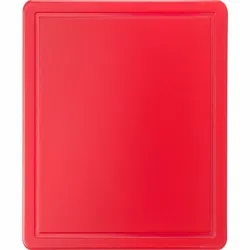
Article number: 341321
A cutting board provides a stable, sanitary surface for chopping, slicing and portioning ingredients..
Is available
6.24€
with VAT: 7.55€
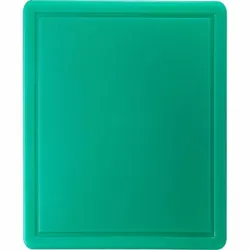
Article number: 341322
A cutting board provides a stable, non-slip surface that protects both knives and worktops during fo..
Is available
6.24€
with VAT: 7.55€
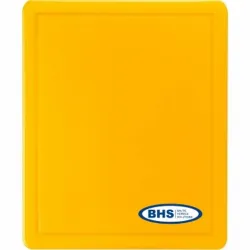
Article number: 341323
A cutting board provides a stable, sanitary work surface for chopping, slicing and portioning ingred..
Is available
6.24€
with VAT: 7.55€
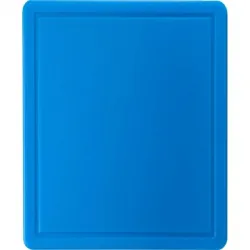
Article number: 341324
A cutting board provides a stable, non-slip surface that protects both knives and worktops during fo..
Is available
6.24€
with VAT: 7.55€
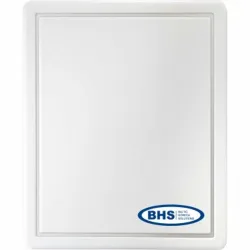
Article number: 341325
A cutting board provides a stable, sanitary surface for chopping, slicing and portioning food in a p..
Is available
6.24€
with VAT: 7.55€
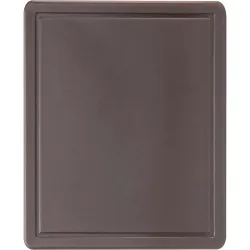
Article number: 341326
A rigid polyethylene board provides a stable, non-slip worktop for chopping, slicing and portioning ..
Is available
6.24€
with VAT: 7.55€
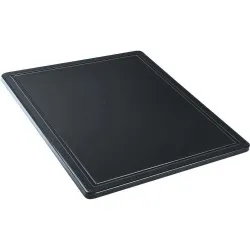
Article number: 341327
A rigid polypropylene board provides a stable, non-porous surface that resists deep scoring and does..
Is available
6.24€
with VAT: 7.55€
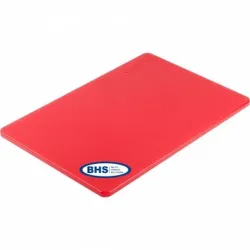
Article number: 341451
A solid worktop surface for chopping, slicing and portioning in professional kitchens, this Stalgast..
Is available
6.30€
with VAT: 7.62€
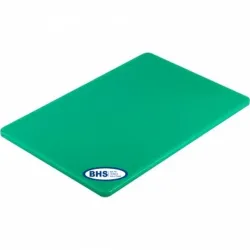
Article number: 341452
A solid polyethylene worktop board provides a stable, hygienic surface for chopping, slicing and pre..
Is available
6.30€
with VAT: 7.62€
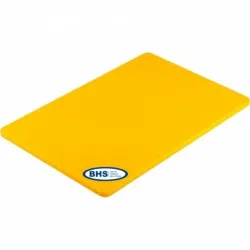
Article number: 341453
A cutting board provides a stable, hygienic worktop surface where knives slice, chop and dice withou..
Is available
6.30€
with VAT: 7.62€
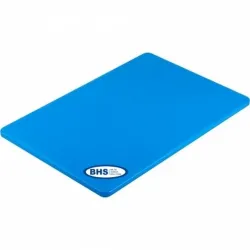
Article number: 341454
A rigid plastic cutting board provides a stable, non-slip work surface that protects both knives and..
Is available
6.30€
with VAT: 7.62€
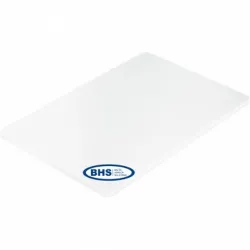
Article number: 341455
A cutting board provides a stable, hygienic work surface for chopping, slicing and portioning food. ..
Is available
6.30€
with VAT: 7.62€
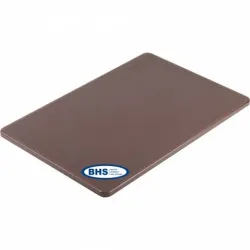
Article number: 341456
A rigid plastic work surface designed for repeated chopping, slicing and portioning in commercial ki..
Is available
6.30€
with VAT: 7.62€
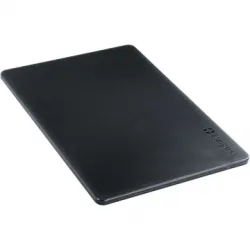
Article number: 341457
A cutting board provides a stable, hygienic surface for chopping, slicing and dicing in a profession..
Is available
6.30€
with VAT: 7.62€
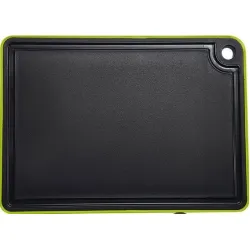
Article number: 340351
A cutting board provides a stable, replaceable surface for chopping, slicing and portioning food in ..
Is available
8.45€
with VAT: 10.22€
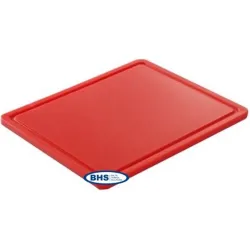
Article number: 826119
A cutting board creates a stable, hygienic surface between food and the worktop. Instead of slicing ..
Is available
8.85€
with VAT: 10.71€
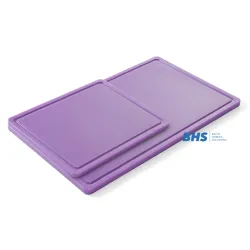
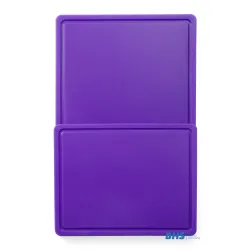
Article number: 826164
A cutting board provides a stable, hygienic work surface that protects both knives and worktops from..
Is available
8.85€
with VAT: 10.71€
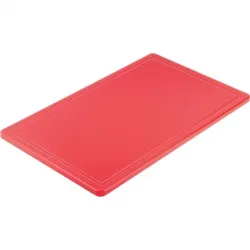
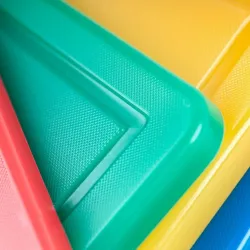
Article number: 341531
A rigid work surface for chopping, slicing and portioning in professional kitchens, this cutting boa..
Is available
11.34€
with VAT: 13.72€
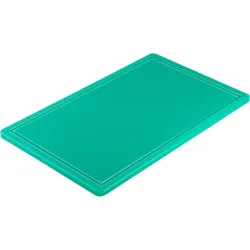
Article number: 341532
A cutting board provides a stable, non-slip surface that protects both knives and worktops during fo..
Is available
11.34€
with VAT: 13.72€
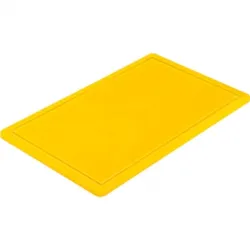
Article number: 341533
A cutting board provides a stable, non-slip surface for chopping, slicing and portioning ingredients..
Is available
11.34€
with VAT: 13.72€
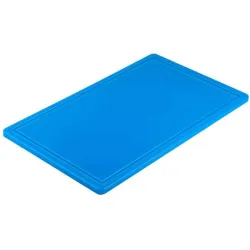
Article number: 341534
A rigid work surface built to withstand the daily demands of a professional kitchen, this cutting bo..
Is available
11.34€
with VAT: 13.72€
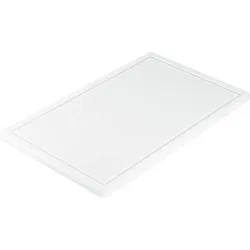
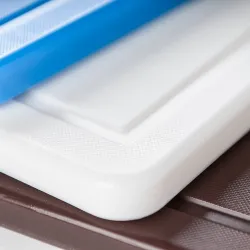
Article number: 341535
A cutting board provides a stable, hygienic worktop surface for chopping, slicing and food preparati..
Is available
11.34€
with VAT: 13.72€
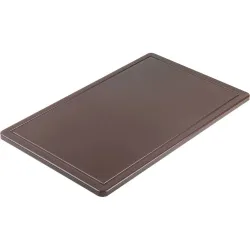

Article number: 341536
A cutting board provides a stable, hygienic worktop surface for chopping, slicing and food preparati..
Is available
11.34€
with VAT: 13.72€
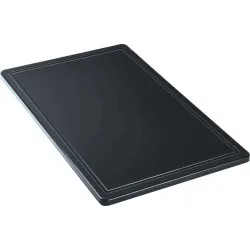
Article number: 341537
A polypropylene cutting board provides a stable, non-porous surface that resists deep scoring and ho..
Is available
11.34€
with VAT: 13.72€
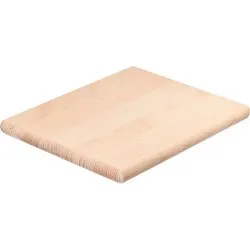
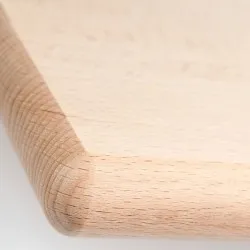
Article number: 342250
A wooden cutting board provides a stable, knife-friendly surface for chopping, slicing and portionin..
Is available
11.97€
with VAT: 14.48€
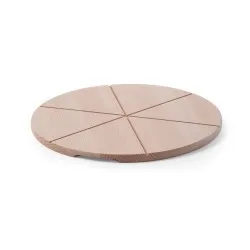
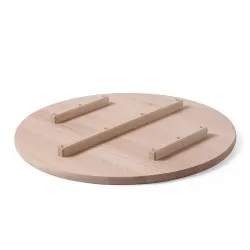
Article number: 505540
A solid beech wood board designed to hold and portion a freshly baked pizza without shifting or tear..
Is available
13.00€
with VAT: 15.73€
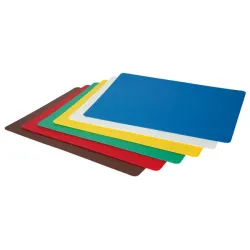
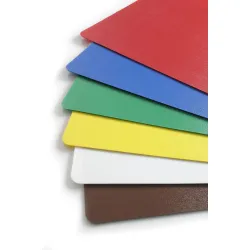
Article number: 826300
Cutting pads provide a stable, hygienic surface that lifts away from the worktop so ingredients can ..
Is available
13.00€
with VAT: 15.73€
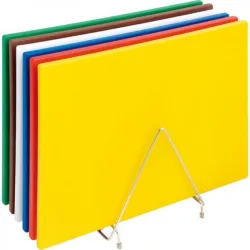
Article number: 349060
A cutting board holder keeps multiple boards upright, separated and within reach on a busy worktop. ..
Is available
13.17€
with VAT: 15.94€
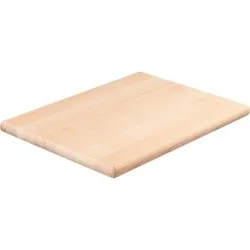
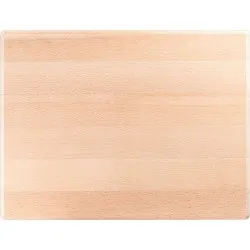
Article number: 342400
A wooden cutting board provides a stable, knife-friendly surface for chopping, slicing and food prep..
Is available
14.49€
with VAT: 17.53€
Article number: 505557
A solid beech wood board designed to hold a pizza steady while the blade divides the base and toppin..
Is available
15.00€
with VAT: 18.15€
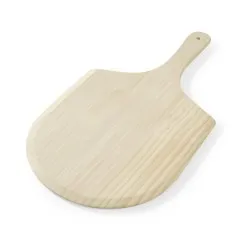
Article number: 617724
A wooden serving board provides a stable, natural surface for presenting and portioning food in prof..
Is available
15.50€
with VAT: 18.76€
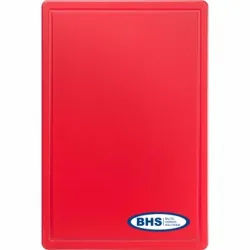
Article number: 341631
A cutting board provides a stable, non-slip surface that protects both knives and worktops during fo..
Is available
16.38€
with VAT: 19.82€
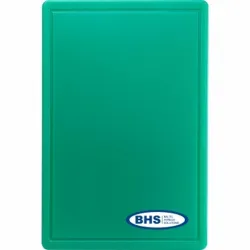
Article number: 341632
A rigid cutting board provides a stable, non-slip worktop for chopping, slicing and portioning in pr..
Is available
16.38€
with VAT: 19.82€
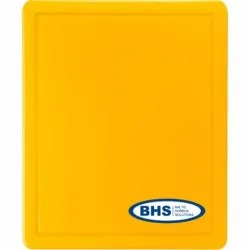
Article number: 341633
A cutting board provides a stable, hygienic surface for chopping, slicing and portioning ingredients..
Is available
16.38€
with VAT: 19.82€
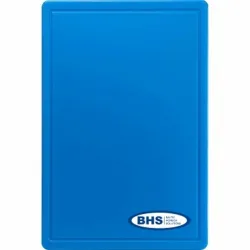
Article number: 341634
A cutting board provides a stable, non-slip surface that protects both knives and worktops during fo..
Is available
16.38€
with VAT: 19.82€
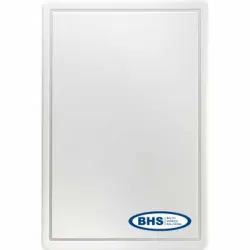
Article number: 341635
A rigid cutting board provides a stable, hygienic surface for chopping, slicing and portioning in bu..
Is available
16.38€
with VAT: 19.82€
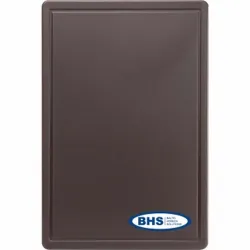
Article number: 341636
A professional cutting board provides a stable, hygienic surface for chopping, slicing and portionin..
Is available
16.38€
with VAT: 19.82€
Article number: 341637
A rigid polypropylene work surface built to withstand the repeated impact of knives, cleavers and sl..
Is available
16.38€
with VAT: 19.82€
Article number: 342500
A wooden cutting board provides a stable, knife-friendly surface for chopping, slicing and preparing..
Is available
18.90€
with VAT: 22.87€
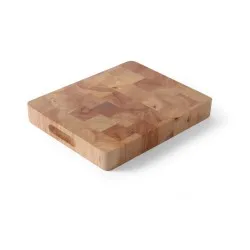
Article number: 506912
A cutting board provides a stable, sanitary surface for chopping, slicing and portioning food withou..
Is available
22.00€
with VAT: 26.62€
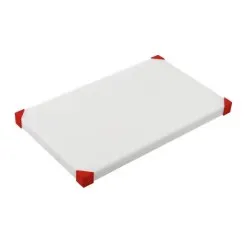
Article number: AR02101
A cutting board provides a stable, hygienic surface for chopping, slicing and portioning food. The b..
Is available
47.49€
with VAT: 57.46€


Article number: 513866
A sushi board provides a stable, hygienic worktop for rolling and shaping sushi rice and fillings. T..
Is available
207.00€
with VAT: 250.47€