

-250x250w.webp "Induction cooktop HENDI 239230")
-250x250h.webp "Induction cooktop HENDI 239230")
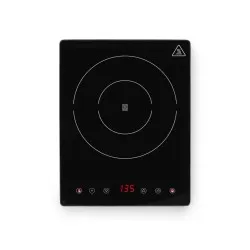
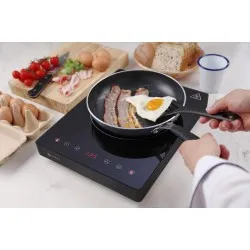
Article number: 239230
An induction cooker transfers energy directly into the base of induction-compatible pans, heating th..
Is available
103.00€
with VAT: 124.63€
Article number: 239391
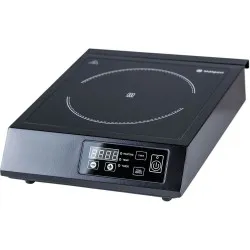
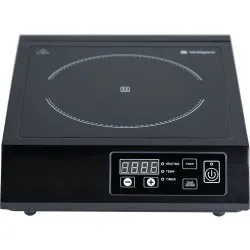
An induction cooker transfers energy directly into induction-compatible pans by generating a high-fr..
Is available
103.00€
with VAT: 124.63€
Article number: 770357
An induction cooker transfers energy directly into magnetic cookware without heating the surface its..
Is available
147.93€
with VAT: 179.00€
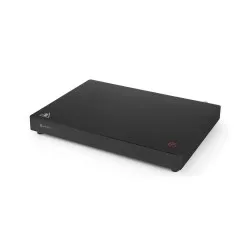
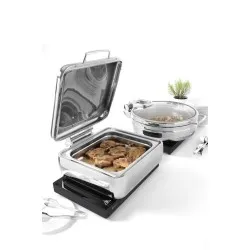
Article number: 239384
An induction surface heats pots and pans directly through a magnetic field generated beneath a ceram..
Is available
177.00€
with VAT: 214.17€
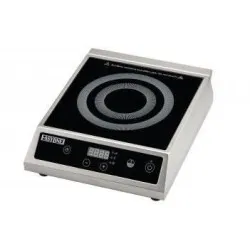
Article number: PFD27N
The FORCAR PFD27N is an induction cooker from the Easy Line range. This appliance is designed for th..
Is available
199.00€
with VAT: 240.79€
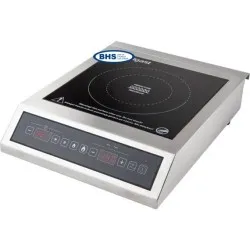
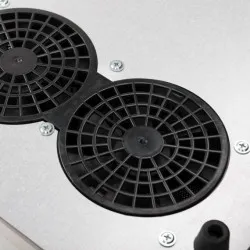
Article number: 770351
An induction cooker transfers energy directly into magnetic cookware without heating the hob itself...
Is available
220.05€
with VAT: 266.26€
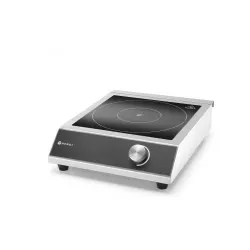
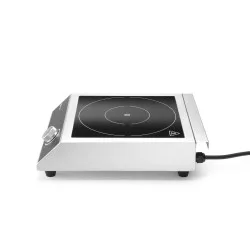
Article number: 239780
An induction stove transfers energy directly into the base of a pan using a magnetic field, eliminat..
Is available
221.00€
with VAT: 267.41€
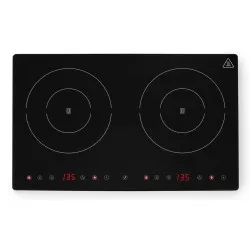
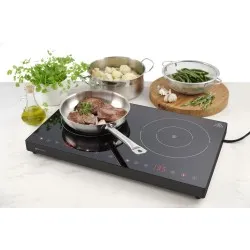
Article number: 239414
This induction hob directs energy straight into compatible pans, avoiding direct surface heating. A ..
Is available
227.00€
with VAT: 274.67€
Article number: 239421
An induction cooker transfers energy directly into induction-compatible pans by generating a magneti..
Is available
230.00€
with VAT: 278.30€
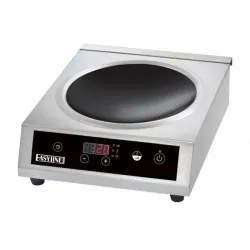
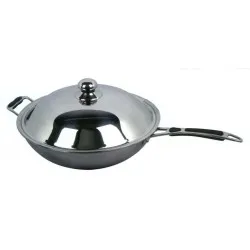
Article number: BT350W
An induction wok cooker transfers energy directly into the pan without heating the hob surface. Bene..
Is available
279.00€
with VAT: 337.59€
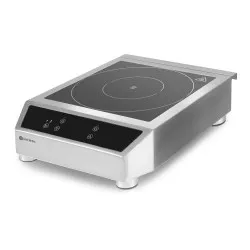
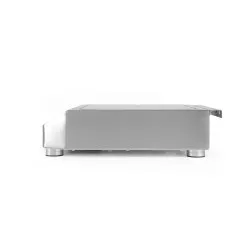
Article number: 239711
An induction cooker transfers energy directly into induction-compatible pans through a magnetic fiel..
Is available
279.00€
with VAT: 337.59€
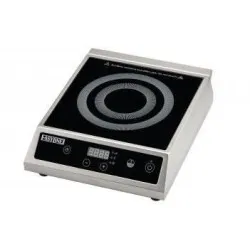
Article number: PFD35N
An induction cooker generates heat directly in the base of ferromagnetic cookware using an electroma..
Is available
289.00€
with VAT: 349.69€
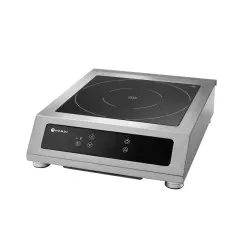
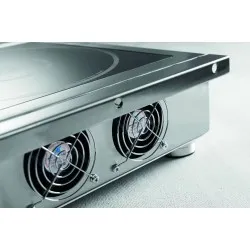
Article number: 239698
An induction cooker transfers energy directly into induction-compatible pans through a magnetic fiel..
Is available
314.00€
with VAT: 379.94€
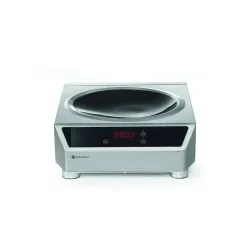
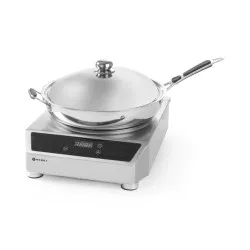
Article number: 239766
An induction stove built for wok cooking transfers energy directly into the pan, heating food quickl..
Is available
326.00€
with VAT: 394.46€
Article number: 770356
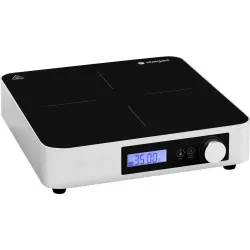
This induction cooker uses an electromagnetic field beneath a smooth glass-ceramic surface to heat m..
Is available
336.83€
with VAT: 407.56€
Article number: 239681
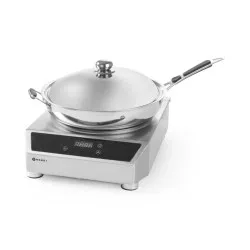
An induction hob built for wok cooking transfers energy directly into the pan without heating the su..
Is available
372.00€
with VAT: 450.12€
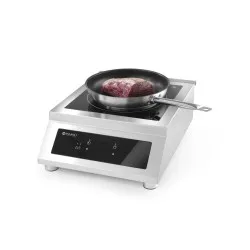
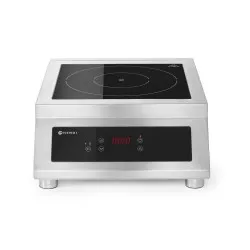
Article number: 239322
This HENDI induction stove, article number 239322, is a professional induction cooker.
Induction coo..
Is available
489.00€
with VAT: 591.69€
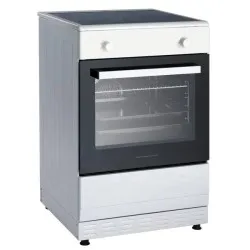
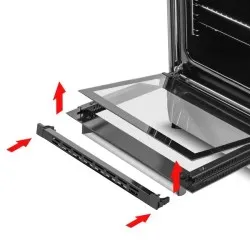
Article number: 24075010000FCI900W
This induction cooker integrates a responsive hob and a versatile oven in a single unit. The hob use..
Is available
576.00€
with VAT: 696.96€
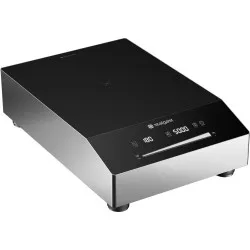
Article number: 770361
An induction cooker transfers energy directly into magnetic cookware without heating the hob itself...
Is available
667.80€
with VAT: 808.04€
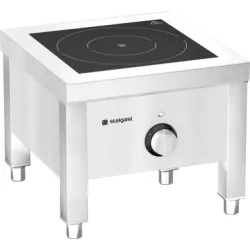
Article number: 773135
This Stalgast induction cooktop, article number 773135, is an induction cooktop.
Induction cooktops ..
Is available
741.83€
with VAT: 897.61€
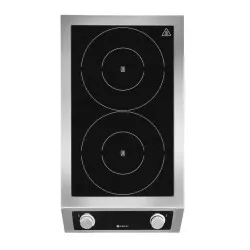
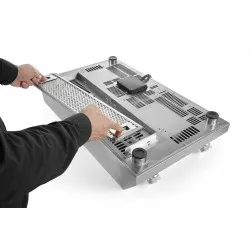
Article number: 239346
This induction stove heats compatible pans directly through a magnetic field under the ceramic surfa..
Is available
1,000.00€
with VAT: 1,210.00€
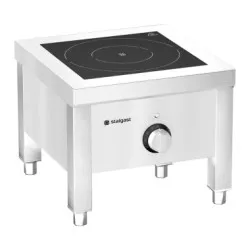
Article number: 773138
An induction cooktop heats pots and pans directly through electromagnetic fields, bypassing a tradit..
Is available
1,011.83€
with VAT: 1,224.31€
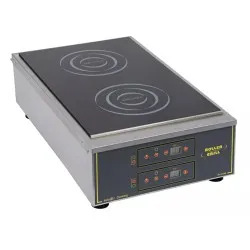
Article number: PID700
This induction griddle plate transfers heat directly to ferrous-metal pans using a magnetic field be..
Is available
1,197.00€
with VAT: 1,448.37€
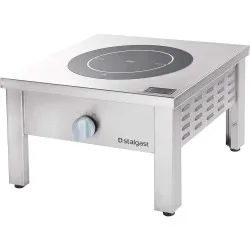
Article number: 773025
An induction cooktop transfers energy directly into the base of a ferrous pot without heating the su..
Is available
1,204.88€
with VAT: 1,457.90€
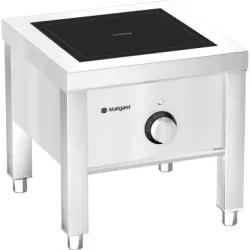
Article number: 773139
An induction cooktop transfers energy directly into the base of a ferromagnetic pot or pan, heating ..
Is available
1,215.00€
with VAT: 1,470.15€
Article number: 773028
An induction cooktop transfers energy directly into ferrous pots without heating the surface itself...
Is available
1,416.83€
with VAT: 1,714.36€
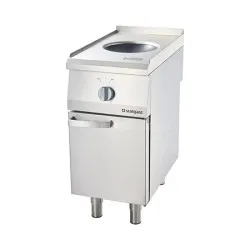
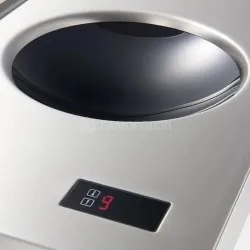
Article number: 9704005
An induction wok transfers energy directly into the base of a ferrous pan, heating the contents with..
Is available
1,485.00€
with VAT: 1,796.85€
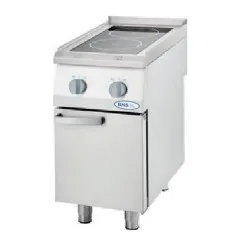
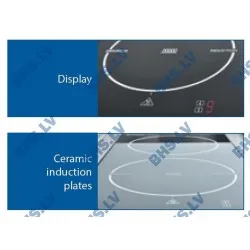
Article number: 9705100
This induction cooktop uses electromagnetic energy to heat compatible pans directly, avoiding open f..
Is available
1,686.83€
with VAT: 2,041.06€
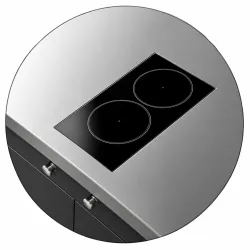
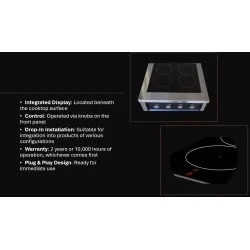
Article number: Y-WIH500-2x1.85R-SP
A semi-professional induction hob draws power only where the pan sits, turning the base into the hea..
Is available
1,889.00€
with VAT: 2,285.69€
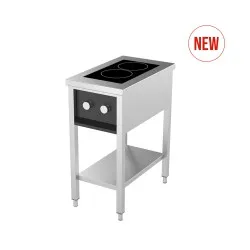
Article number: INDCT2-SEMI-R
The Novameta INDCT2-SEMI-R is a semi-professional induction stove, which includes a generator box. T..
Is available
2,099.00€
with VAT: 2,539.79€
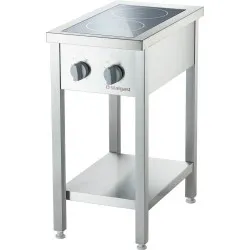
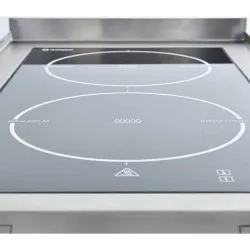
Article number: 979510
An induction range transfers energy directly into compatible cookware using electromagnetic fields, ..
Is available
2,193.75€
with VAT: 2,654.44€
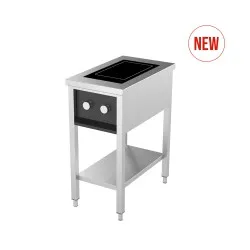
Article number: INDCT2-SEMI-S
The Novameta INDCT2-SEMI-S is a semi-professional induction stove. It features a 6 mm ceramic glass ..
Is available
2,199.00€
with VAT: 2,660.79€
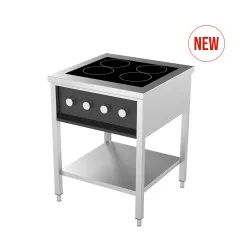
Article number: INDCT4-SEMI-R
An induction hob transfers energy directly into magnetic cookware without heating the surface itself..
Is available
2,859.00€
with VAT: 3,459.39€
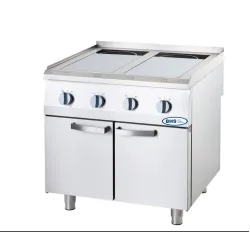
Article number: 9706100
An induction cooktop transfers energy directly into magnetic cookware by generating a high-frequency..
Is available
2,970.00€
with VAT: 3,593.70€
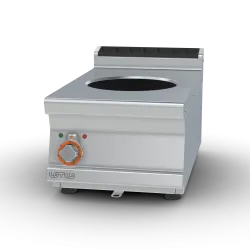
Article number: 18030434
An induction wok top concentrates high-frequency magnetic fields beneath a ceramic glass surface to ..
Is available
3,029.00€
with VAT: 3,665.09€
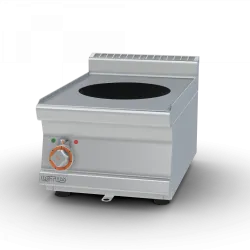
Article number: 16030434
An induction wok cooktop that heats only the pan through a magnetic field, eliminating wasted energy..
Is available
3,049.00€
with VAT: 3,689.29€
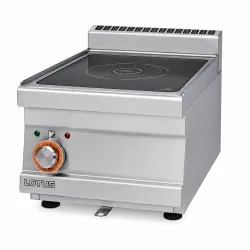
Article number: 16030433
An induction cooking top transfers energy directly into magnetic cookware through a high-frequency e..
Is available
3,099.00€
with VAT: 3,749.79€
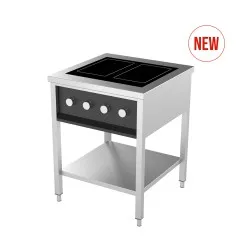
Article number: INDCT4-SEMI-S
An induction hob transfers energy directly into the base of a ferrous pan, heating the food without ..
Is available
3,169.00€
with VAT: 3,834.49€
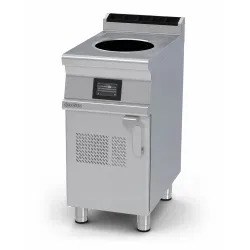
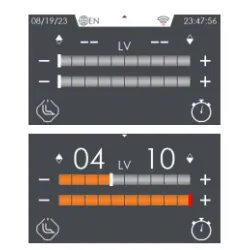
Article number: 0803A434
An induction cooker built for high-output wok cooking transfers energy directly into the pan without..
Is available
3,459.00€
with VAT: 4,185.39€
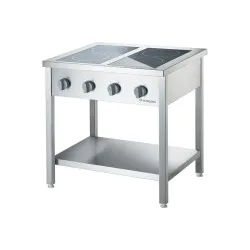
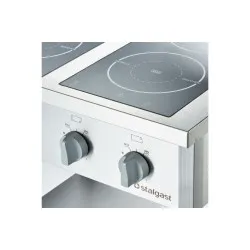
Article number: 979610
An induction cooker transfers energy directly into ferrous cookware using a high-frequency electroma..
Is available
3,570.75€
with VAT: 4,320.61€
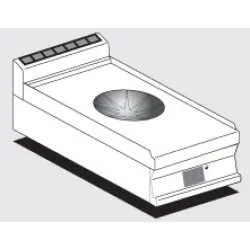
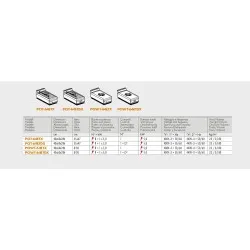
Article number: 16030439X
The LOTUS Induction cooking Wok PCIWT-64ETDX is an induction cooking wok designed for professional k..
Is available
3,659.00€
with VAT: 4,427.39€
Article number: 19030439X
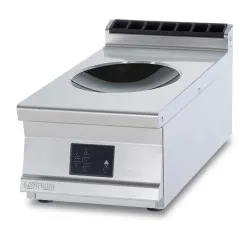
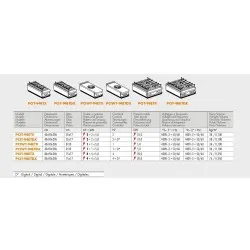
An induction wok hob transfers energy directly into the base of a ferrous pan, bypassing the need to..
Is available
3,689.00€
with VAT: 4,463.69€
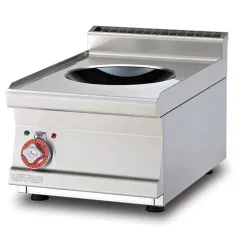
Article number: 16030434X
An induction wok cooktop concentrates energy directly into a magnetic steel wok pan, heating the pan..
Is available
3,759.00€
with VAT: 4,548.39€
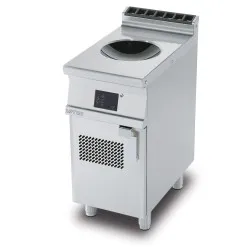
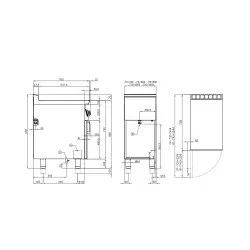
Article number: 08030439
The LOTUS PCIW-74ETD is a professional induction cooking wok hob on a cabinet.
Induction hobs operat..
Is available
3,899.00€
with VAT: 4,717.79€
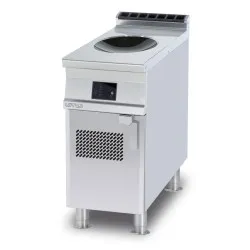
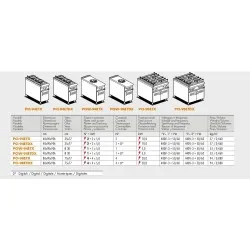
Article number: 09030439X
An induction wok hob transfers energy directly into a steel pan through a magnetic field, eliminatin..
Is available
3,929.00€
with VAT: 4,754.09€
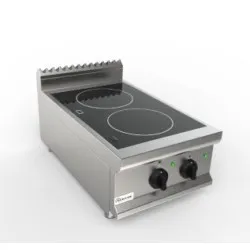
Article number: L7/CUI2BB.L
An induction hob transfers energy directly into the base of a pan through a magnetic field, eliminat..
Is available
3,989.00€
with VAT: 4,826.69€
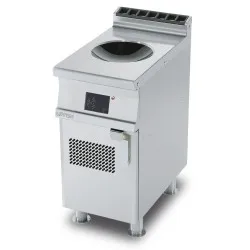
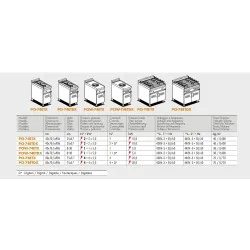
Article number: 08030439X
An induction wok hob transfers energy directly into a steel pan through a magnetic field, eliminatin..
Is available
3,999.00€
with VAT: 4,838.79€
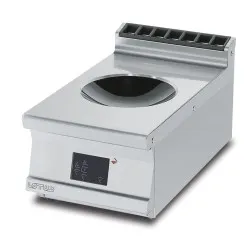
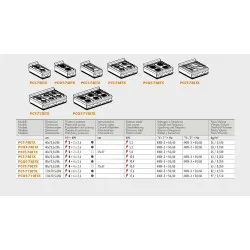
Article number: 18030439X
The LOTUS PCIWT-74EDTX is a professional electric boiling hob designed for induction cooking.
Induct..
Is available
4,039.00€
with VAT: 4,887.19€
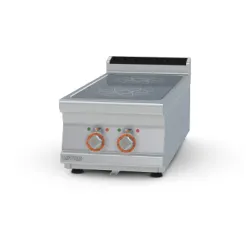
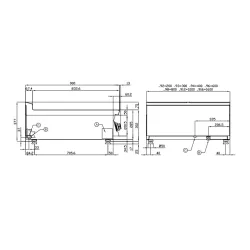
Article number: 19030433
An induction cooking top transfers energy directly into ferromagnetic cookware without heating the s..
Is available
4,089.00€
with VAT: 4,947.69€
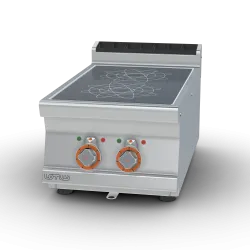
Article number: 18030433
An induction cooking top heats only the pan, not the surface. A coil beneath the ceramic glass gener..
Is available
4,179.00€
with VAT: 5,056.59€
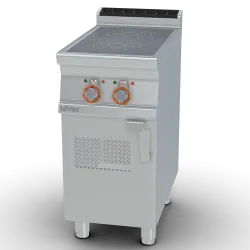
Article number: 08030433
An induction hob that transfers energy directly into magnetic steel cookware, eliminating open flame..
Is available
4,369.00€
with VAT: 5,286.49€
Article number: L7/CUI2BA.L
An induction hob that heats only when a pan is placed on the cooking zone, transferring energy direc..
Is available
4,379.00€
with VAT: 5,298.59€
Article number: MIN74T
The MBM MAGISTRA PLUS 700 is an induction cooker, article MIN74T. This appliance operates by using e..
Is available
4,389.00€
with VAT: 5,310.69€
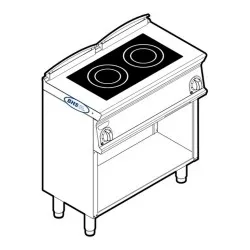
Article number: 716117
An induction cook top transfers energy directly into magnetic cookware without heating the surface i..
Is available
4,399.00€
with VAT: 5,322.79€
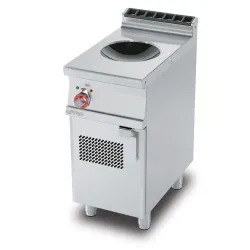
Article number: 08030434
The LOTUS PCIW-74ET is a professional induction cooking wok hob, designed for commercial kitchens. I..
Is available
4,509.00€
with VAT: 5,455.89€
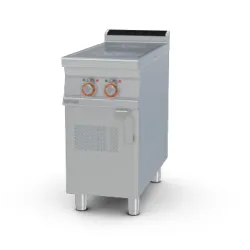
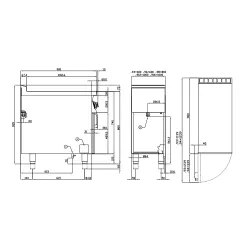
Article number: 09030433
An induction cooking hob transfers energy directly into magnetic cookware, heating the pan without w..
Is available
4,509.00€
with VAT: 5,455.89€
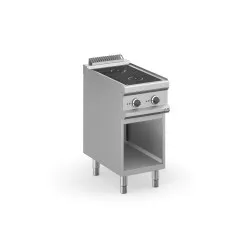
Article number: MIN74A
The MBM MAGISTRA PLUS 700 is an induction cooktop, identified by article number MIN74 A.
Induction c..
Is available
4,529.00€
with VAT: 5,480.09€
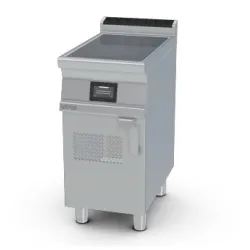
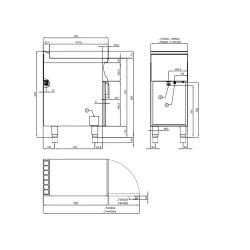
Article number: 0803A433
An induction range transfers energy directly into ferromagnetic cookware by generating a high-freque..
Is available
4,639.00€
with VAT: 5,613.19€
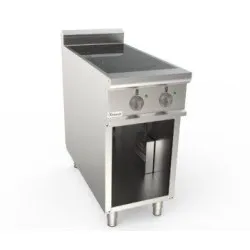
Article number: L9/CUI2HBA
The CASTA Lady 900 L9/CUI2HBA is a professional induction cooker, designed for commercial kitchens. ..
Is available
4,729.00€
with VAT: 5,722.09€
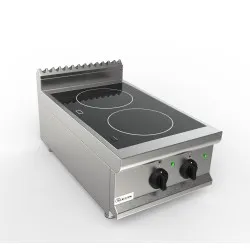
Article number: LQ/CUI2HBB
This professional induction hob heats cookware directly using a magnetic field beneath its ceramic s..
Is available
4,759.00€
with VAT: 5,758.39€
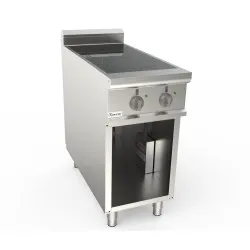
Article number: LQ/CUI2HBA
An induction hob transfers energy directly into the base of a pan using an electromagnetic field. Th..
Is available
4,899.00€
with VAT: 5,927.79€
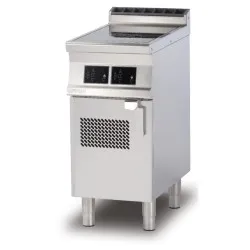
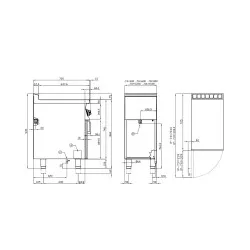
Article number: 08030438
An induction wok hob that heats only the steel pan, not the surrounding air or worktop. A high-frequ..
Is available
5,249.00€
with VAT: 6,351.29€
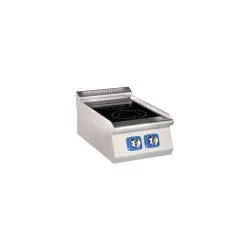
Article number: GC1300-040GV
An induction cooking top replaces flame or radiant heat with an electromagnetic field that heats the..
Is available
5,459.00€
with VAT: 6,605.39€
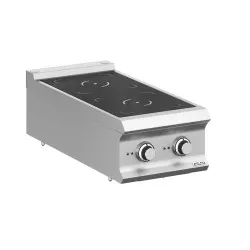
Article number: IN94T
The MBM DOMINA PRO 900 is an induction cooker, identified by article number IN94T. This appliance is..
Is available
6,079.00€
with VAT: 7,355.59€
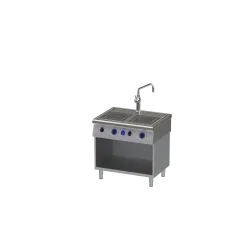
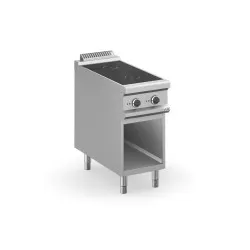
Article number: I2/700 (3.5-3.5)
An induction range transfers energy directly into ferromagnetic cookware using electromagnetic field..
Is available
6,299.00€
with VAT: 7,621.79€
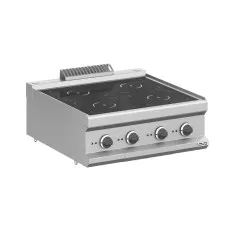
Article number: MIN94A
An induction hob transfers energy directly into induction-compatible cookware without heating the ce..
Is available
6,299.00€
with VAT: 7,621.79€
Article number: MIN77T
The MBM MAGISTRA PLUS 700 is an induction cooker, article number MIN77T.
Induction cookers operate b..
Is available
6,419.00€
with VAT: 7,766.99€
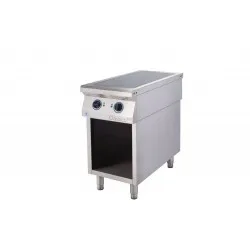
Article number: I4/700 (5)
An induction range transfers energy directly into ferromagnetic cookware using a high-frequency elec..
Is available
6,679.00€
with VAT: 8,081.59€
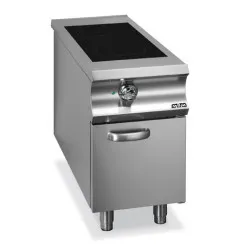
Article number: E411I
An induction cooker transfers energy directly into induction-friendly pans without heating the surro..
Is available
6,999.00€
with VAT: 8,468.79€
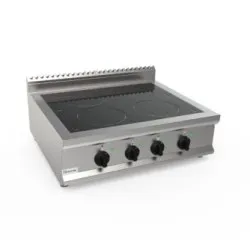
Article number: L7/CUI4BB.L
This professional induction hob heats cookware directly using an electromagnetic field beneath the s..
Is available
7,199.00€
with VAT: 8,710.79€
Article number: I4/700 (8)
An induction range transfers energy directly into ferromagnetic cookware without heating the surface..
Is available
7,239.00€
with VAT: 8,759.19€
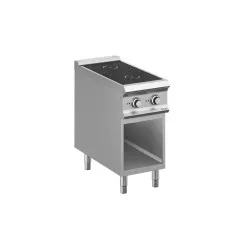
Article number: IN94A
An induction hob generates heat directly inside compatible pans and pots, using a magnetic field ben..
Is available
7,299.00€
with VAT: 8,831.79€
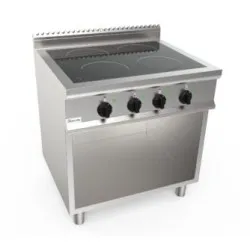
Article number: L7/CUI4BA.L
This professional induction hob uses a magnetic field to heat pans directly, ensuring minimal heat l..
Is available
7,489.00€
with VAT: 9,061.69€
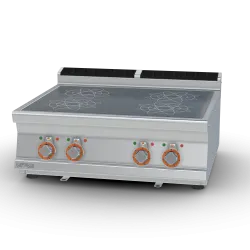
Article number: 18030833
An induction cooking top transfers energy directly into magnetic cookware without heating the surfac..
Is available
7,519.00€
with VAT: 9,097.99€
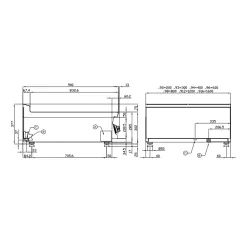
Article number: 19030833
An induction cooking top generates heat directly inside ferromagnetic cookware through a high-freque..
Is available
7,619.00€
with VAT: 9,218.99€
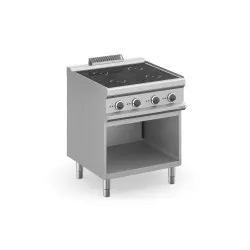
Article number: MIN77A-M1
An induction cooker transfers energy directly into induction-compatible pans and pots without heatin..
Is available
7,629.00€
with VAT: 9,231.09€
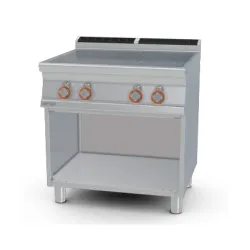
Article number: 08030833
The LOTUS Induction cooking PCI-78ET is a specialist Induction cooking appliance designed for high-t..
Is available
7,759.00€
with VAT: 9,388.39€
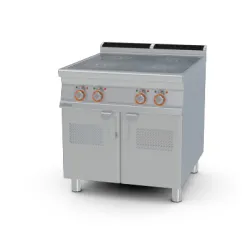
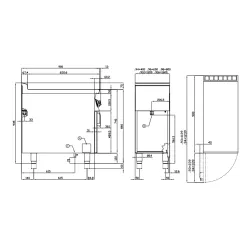
Article number: 09030833
An induction hob transfers energy directly into the base of a pan through a magnetic field, eliminat..
Is available
7,959.00€
with VAT: 9,630.39€
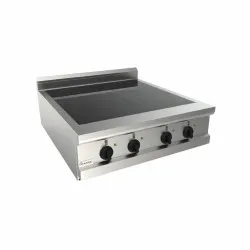
Article number: LQ/CUI4HBB
An induction hob transfers energy directly into the base of a pan without heating the air around it...
Is available
7,999.00€
with VAT: 9,678.79€
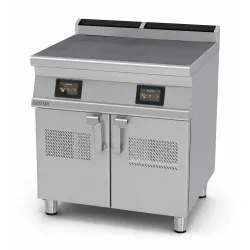
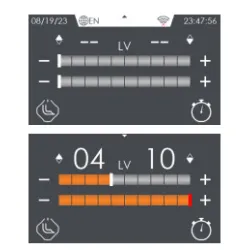
Article number: 0803A833
An induction range transfers energy directly into ferromagnetic cookware using a high-frequency elec..
Is available
8,289.00€
with VAT: 10,029.69€
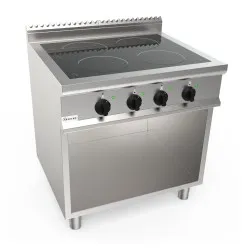
Article number: LQ/CUI4HBA
An induction hob heats only the pan, not the air around it. A coil beneath the glass ceramic surface..
Is available
8,299.00€
with VAT: 10,041.79€
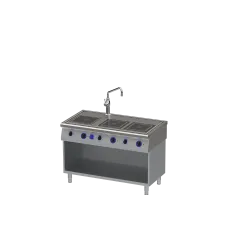
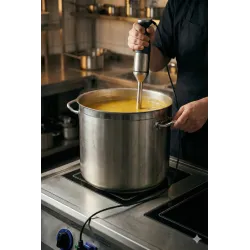
Article number: I3/700 (3.5-3.5-3.5)
An induction range transfers energy directly into ferrous cookware using electromagnetic fields, eli..
Is available
8,599.00€
with VAT: 10,404.79€
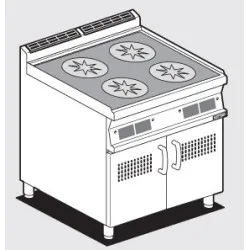
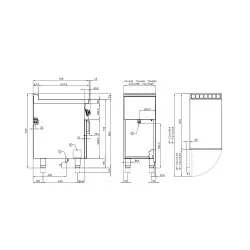
Article number: 08030838
The LOTUS PCI-78ETD is a professional induction cooking appliance, designed as a wok hob on a cabine..
Is available
9,869.00€
with VAT: 11,941.49€
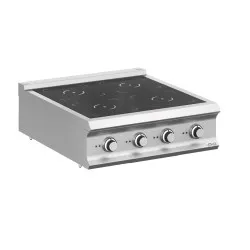
Article number: IN98T
The MBM DOMINA PRO 900 is an induction cooker, article IN98T, from MBM. Induction cookers operate by..
Is available
9,999.00€
with VAT: 12,098.79€
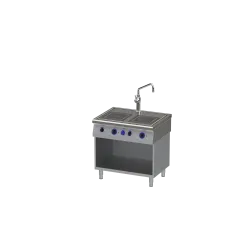
Article number: I8/700 (5-5)
An induction range transfers energy directly into ferromagnetic cookware by generating a high-freque..
Is available
10,289.00€
with VAT: 12,449.69€
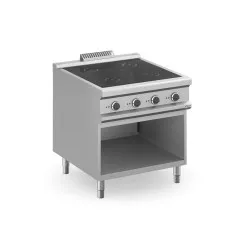
Article number: MIN98A
An induction hob transfers energy directly into induction-compatible cookware through a magnetic fie..
Is available
10,299.00€
with VAT: 12,461.79€
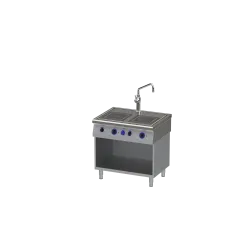
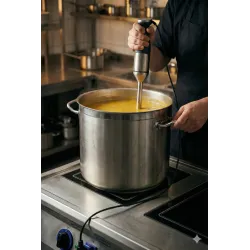
Article number: I8/700 (8-8)
An induction range transfers energy directly into magnetic cookware, heating the pan without warming..
Is available
10,789.00€
with VAT: 13,054.69€
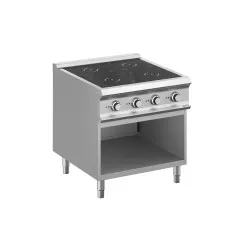
Article number: IN98A
An induction hob that transfers energy directly into induction-compatible cookware without heating t..
Is available
10,999.00€
with VAT: 13,308.79€
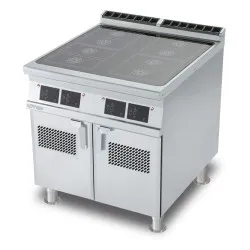
Article number: 09120838X
The LOTUS TPI-98ETDX is a professional induction cooking hob, specifically designed as a wok hob on ..
Is available
14,199.00€
with VAT: 17,180.79€
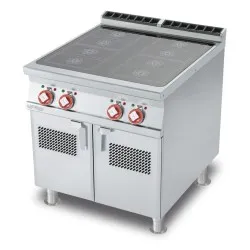
Article number: 09120833X
An induction wok hob that heats only the steel pan and its contents through a high-frequency magneti..
Is available
15,255.00€
with VAT: 18,458.55€