

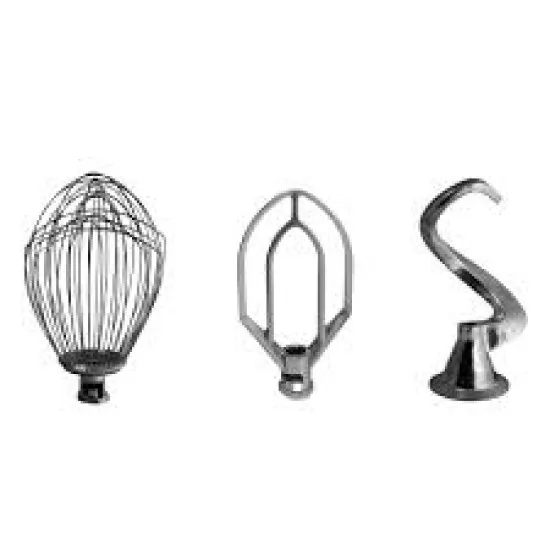
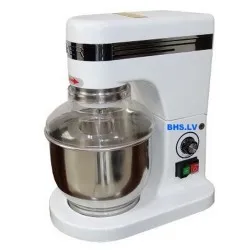
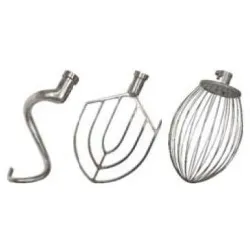
Article number: 782050
A planetary mixer blends, whips and kneads by driving a beater in two motions at once: the beater sp..
Is available
443.48€
with VAT: 536.61€
Article number: 783071
A planetary mixer blends ingredients by driving a beater in two simultaneous motions: the beater orb..
Is available
464.40€
with VAT: 561.92€
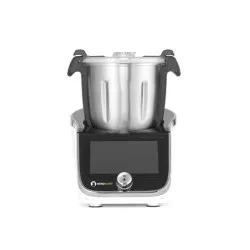
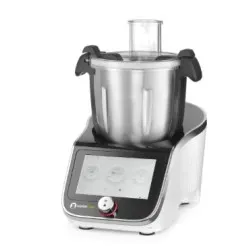
Article number: 221761
The HENDI HENDICHEF is a multifunction device designed for professional kitchen use. This unit, arti..
Is available
465.00€
with VAT: 562.65€
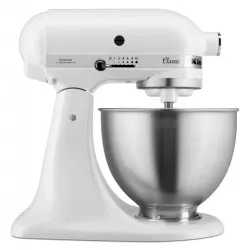

Article number: 5K45SSE
The KitchenAid CLASSIC is a planetary mixer, article number 5K45SSE. This type of mixer operates wit..
Is available
511.57€
with VAT: 619.00€
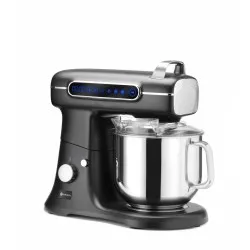
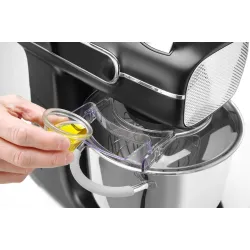
Article number: 221570
This planetary dough mixer combines a rotating beater with a counter-rotating bowl, ensuring even mi..
Is available
558.00€
with VAT: 675.18€


Article number: 5KSM125
A planetary mixer blends, whips and kneads by driving a beater in two motions at once. The beater sp..
Is available
636.36€
with VAT: 770.00€
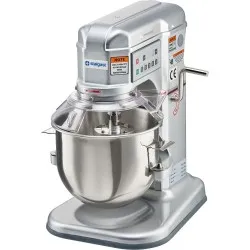
-250x250.webp "Planetary mixer Stalgast 783070")
Article number: 783070
A planetary mixer combines a fixed bowl with a beater that travels around its own axis while circlin..
Is available
756.00€
with VAT: 914.76€
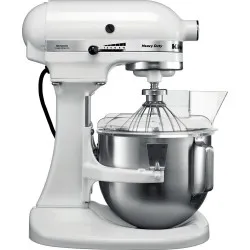
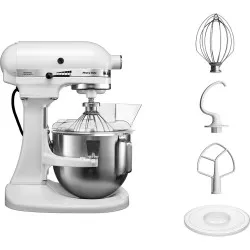
Article number: 5KPM5E
This KitchenAid 5KPM5E is a HEAVY DUTY planetary mixer, designed for professional use within the HOR..
Is available
825.62€
with VAT: 999.00€
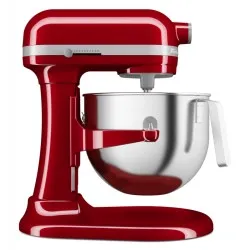
-250x250.webp "Planetary mixer KitchenAid 5KSM70JPXE")
Article number: 5KSM70JPXE
To operate, the bowl is positioned onto the three-point locking mechanism and secured. Ingredients g..
Is available
825.62€
with VAT: 999.00€
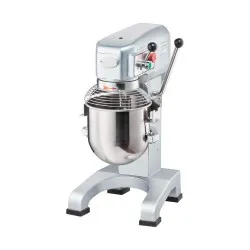
Article number: 783100
The Stalgast planetary mixer, article 783100, is a piece of electromechanical equipment designed for..
Is available
857.25€
with VAT: 1,037.27€
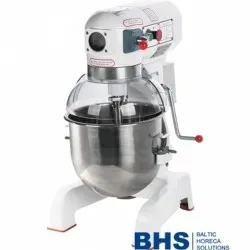
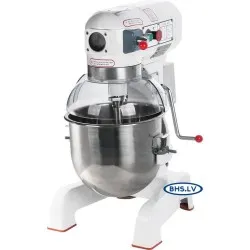
Article number: 783210
A planetary mixer blends, whips and kneads by driving a beater in a circular path while the beater i..
Is available
876.83€
with VAT: 1,060.96€
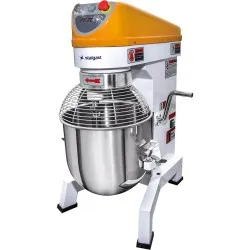
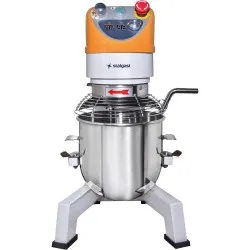
Article number: 783101
This planetary mixer blends, kneads and aerates by moving a beater in a circular path around a fixed..
Is available
944.33€
with VAT: 1,142.64€
-250x250.webp "Planetary mixer KitchenAid 5KSM7990XE")
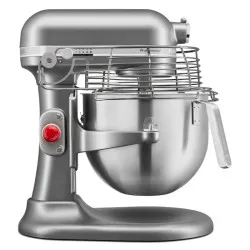
Article number: 5KSM7990XE
The KitchenAid 5KSM7990XE is a planetary mixer, categorised as electromechanical equipment. This typ..
Is available
990.91€
with VAT: 1,199.00€
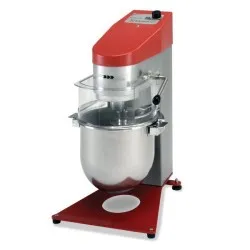
Article number: 1500180
A planetary mixer combines a rotating beater with a counter-rotating bowl to fold ingredients evenly..
Is available
999.00€
with VAT: 1,208.79€
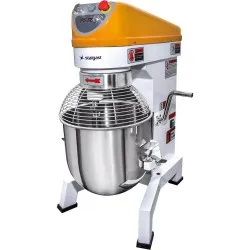
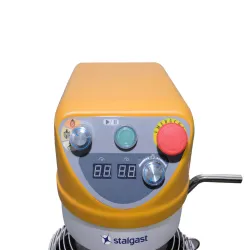
Article number: 783201
A planetary mixer combines a rotating bowl with a spinning beater that travels around its own axis, ..
Is available
1,214.33€
with VAT: 1,469.34€
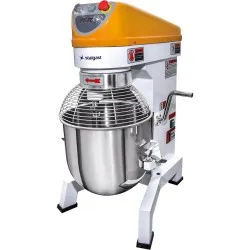
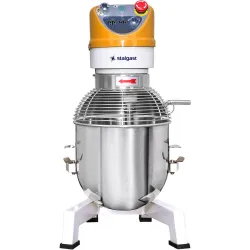
Article number: 783301
A planetary mixer drives a beater in two motions at once: the tool spins on its own axis while the a..
Is available
1,215.00€
with VAT: 1,470.15€
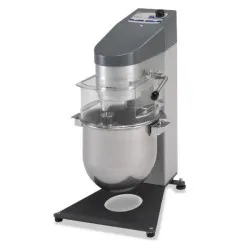
Article number: 1500170
The SAMMIC BM-5 is a 5-litre planetary mixer designed for professional use. This compact model is co..
Is available
1,239.00€
with VAT: 1,499.19€
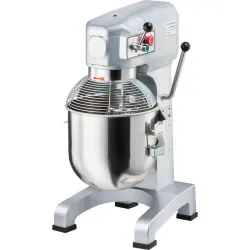
Article number: 783250
A planetary mixer combines two motions to fold, knead and whip ingredients evenly. The beater rotate..
Is available
1,308.15€
with VAT: 1,582.86€
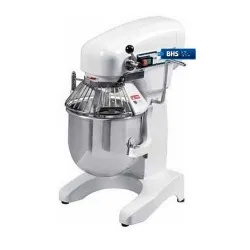
Article number: TIIP 20 F
A planetary mixer features a fixed bowl and a beater that spins while travelling around the bowl's i..
Is available
1,569.00€
with VAT: 1,898.49€
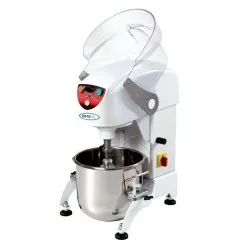
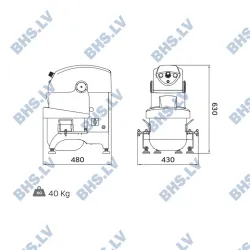
Article number: BULL12
A planetary mixer uses a rotating beater alongside a bowl that spins in the opposite direction, ensu..
Is available
1,959.00€
with VAT: 2,370.39€
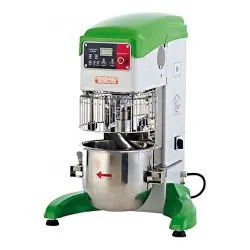
Article number: CHEF7.5
A planetary mixer combines a rotating beater with a bowl that moves in the opposite direction, ensur..
Is available
1,999.00€
with VAT: 2,418.79€
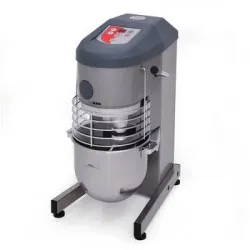
Article number: 1500210
A planetary mixer moves a beater in two overlapping circles at once, mimicking the motion of a hand ..
Is available
2,239.00€
with VAT: 2,709.19€
-250x250.webp "Planetary mixer SAMMIC 1500310")
Article number: 1500310
The SAMMIC BP-10 is a planetary mixer suitable for countertop installation. It has a 10-litre bowl w..
Is available
2,269.00€
with VAT: 2,745.49€
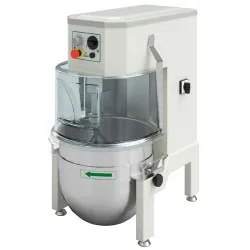
Article number: PLN12BV
This planetary dough mixer combines two movements to mix ingredients thoroughly. The beater rotates ..
Is available
2,325.00€
with VAT: 2,813.25€
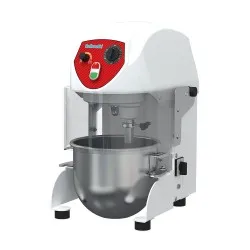
Article number: BULL B10
A planetary mixer combines two movements: the attachment spins while also circling the bowl. This ac..
Is available
2,369.00€
with VAT: 2,866.49€
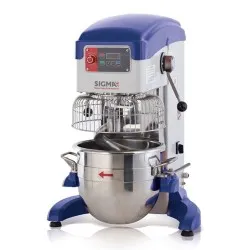
Article number: AEROMIX7,5
A planetary mixer combines two motions to fold, whip and knead without leaving unmixed pockets. The ..
Is available
2,479.00€
with VAT: 2,999.59€
Article number: CHEF10
A planetary mixer combines a rotating beater with a bowl that orbits in the opposite direction. The ..
Is available
2,629.00€
with VAT: 3,181.09€
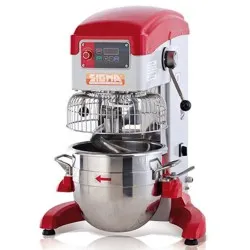
Article number: BM10
A planetary mixer combines a rotating bowl with an offset beater that travels its own circular path...
Is available
2,759.00€
with VAT: 3,338.39€
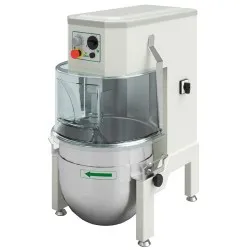
Article number: PLN20BV
A planetary mixer blends ingredients by driving a beater in a circular path while the beater itself ..
Is available
2,850.00€
with VAT: 3,448.50€
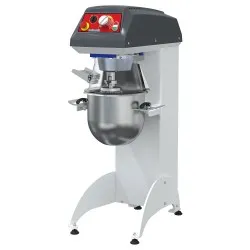
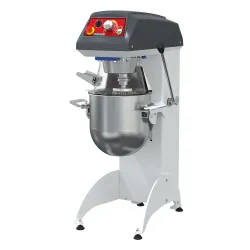
Article number: BULL B30F
The ROLLMATIC BULL B30F is a 30-litre planetary mixer designed for professional kitchen applications..
Is available
2,989.00€
with VAT: 3,616.69€
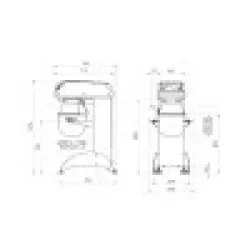
Article number: BULL B20F
This planetary mixer rotates a beater in dual overlapping paths, blending mixtures thoroughly withou..
Is available
3,259.00€
with VAT: 3,943.39€
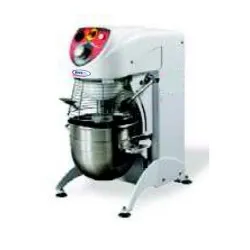
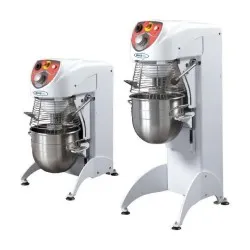
Article number: BULL20
A planetary mixer combines a rotating beater with a bowl that orbits in the opposite direction. The ..
Is available
3,269.00€
with VAT: 3,955.49€
Article number: BULL B20FP
The ROLLMATIC BULL B20FP is a planetary mixer designed for professional food preparation. This type ..
Is available
3,349.00€
with VAT: 4,052.29€
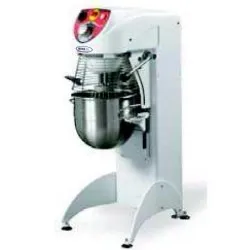
Article number: BULL20C
A planetary mixer draws its tools in two overlapping circles, scraping the bowl sides while folding ..
Is available
3,359.00€
with VAT: 4,064.39€
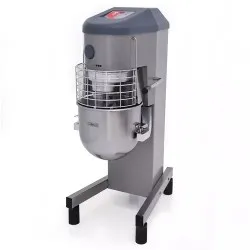
Article number: 1500330
A planetary mixer combines a fixed bowl with a beater that travels around its own axis while orbitin..
Is available
3,389.00€
with VAT: 4,100.69€
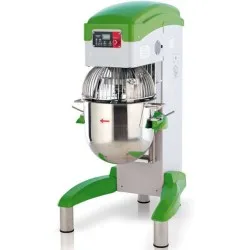
Article number: CHEF20H
A planetary mixer operates with a mixing tool that rotates on its own axis while simultaneously revo..
Is available
3,399.00€
with VAT: 4,112.79€
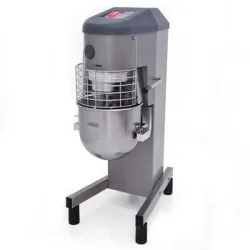
Article number: 1500220
The SAMMIC BE-20 is a planetary mixer designed for professional kitchen use. A planetary mixer opera..
Is available
3,589.00€
with VAT: 4,342.69€
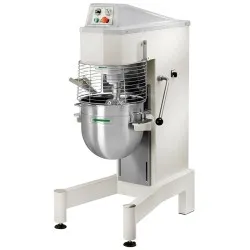
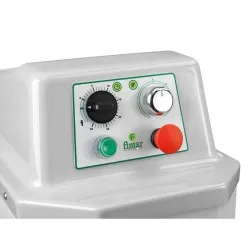
Article number: PLN20M
The FIMAR PLN20M is a planetary dough mixer designed for professional kitchens. This type of mixer o..
Is available
3,697.50€
with VAT: 4,473.98€
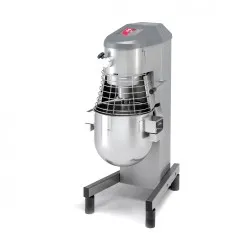
Article number: 1500350
The SAMMIC BP-30 is a planetary mixer designed for professional use. It features a 30 litre bowl, ca..
Is available
3,699.00€
with VAT: 4,475.79€
Article number: BM20H
The SIGMA BM20H is a 20 litre planetary mixer, classified as electromechanical equipment. A planetar..
Is available
3,849.00€
with VAT: 4,657.29€
-250x250h.webp "Planetary mixer SIGMA AEROMIX10")
Article number: AEROMIX10
A planetary mixer blends ingredients through dual motion: the beater spins while the head circles th..
Is available
3,949.00€
with VAT: 4,778.29€
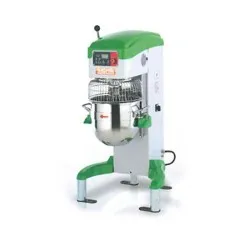
Article number: CHEF30
A planetary mixer combines a rotating beater with a revolving bowl to fold, whip and knead without l..
Is available
3,999.00€
with VAT: 4,838.79€
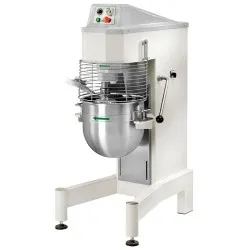
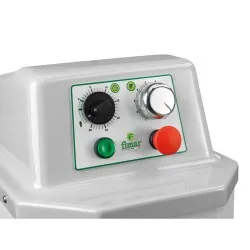
Article number: PLN20V
This planetary dough mixer blends ingredients by rotating a beater inside a turning bowl, eliminatin..
Is available
4,035.00€
with VAT: 4,882.35€
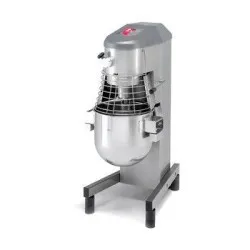
Article number: 1500280
The SAMMIC BE-30 is a planetary mixer, designed for professional food preparation. This type of mixe..
Is available
4,099.00€
with VAT: 4,959.79€
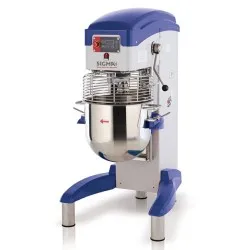
Article number: AEROMIX20H
The SIGMA AEROMIX20H is a planetary mixer designed for professional use. A planetary mixer operates ..
Is available
4,279.00€
with VAT: 5,177.59€
Article number: BULL B30P
The BULL B30P is a 30 litre planetary mixer from ROLLMATIC. Planetary mixers operate by having a mix..
Is available
4,459.00€
with VAT: 5,395.39€
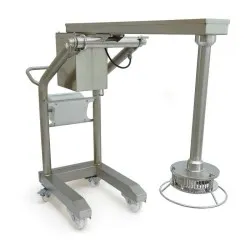
Article number: 3030501
The SAMMIC Turbo mixer, model TRX-21, is a professional-grade turbo mixer designed for food preparat..
Is available
4,499.00€
with VAT: 5,443.79€
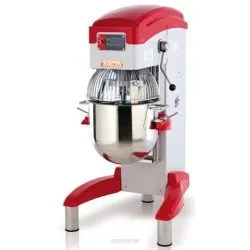
Article number: BM30
A planetary mixer combines a fixed bowl with an offset mixing tool that rotates on its own axis whil..
Is available
4,499.00€
with VAT: 5,443.79€
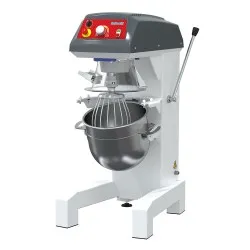
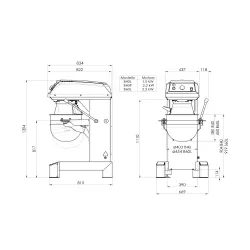
Article number: BULL B40L
This planetary mixer features a fixed bowl paired with a beater that rotates on its own axis while m..
Is available
4,931.00€
with VAT: 5,966.51€
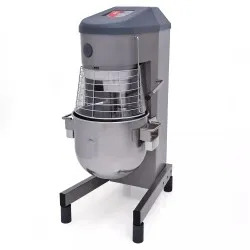
Article number: 1500370
The SAMMIC BP-40 is a planetary mixer designed for professional use. It features a 40 L bowl volume ..
Is available
4,999.00€
with VAT: 6,048.79€
Article number: 3030506
The SAMMIC Mixer Turbo, model TRX-22, is a mixer turbo designed for professional food preparation.
T..
Is available
5,339.00€
with VAT: 6,460.19€
Article number: BULL B40P
The ROLLMATIC BULL B40P is a 40-litre planetary mixer designed for mixing doughs, batters, and other..
Is available
5,369.00€
with VAT: 6,496.49€
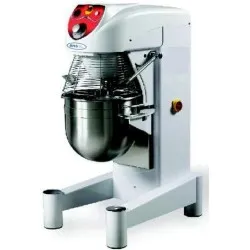
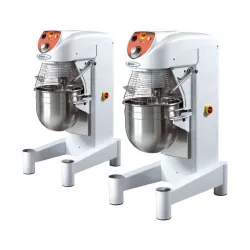
Article number: BULL40P
A planetary mixer blends dough and batters by driving a beater in a circular path around a stationar..
Is available
5,369.00€
with VAT: 6,496.49€
Article number: CHEF40
A planetary mixer combines a rotating beater with a counter-rotating bowl to fold, stretch and aerat..
Is available
5,429.00€
with VAT: 6,569.09€
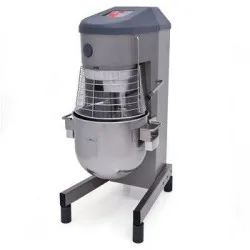
Article number: 1500240
A planetary mixer operates with a mixing tool that rotates on its own axis while simultaneously revo..
Is available
5,579.00€
with VAT: 6,750.59€
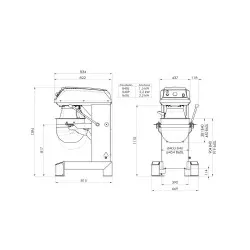
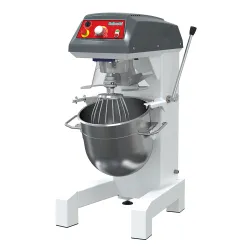
Article number: BULL B60L
A planetary mixer operates by having a beater that rotates on its own axis while also orbiting aroun..
Is available
5,599.00€
with VAT: 6,774.79€
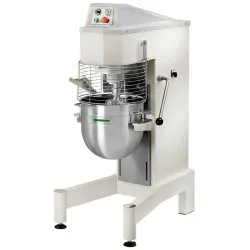
Article number: PLN40M
A planetary dough mixer combines two motions to knead, whip or blend ingredients evenly. The mixing ..
Is available
5,745.00€
with VAT: 6,951.45€
Article number: AEROMIX30
A planetary mixer combines a rotating bowl with an offset mixing tool that travels around its own ax..
Is available
5,769.00€
with VAT: 6,980.49€
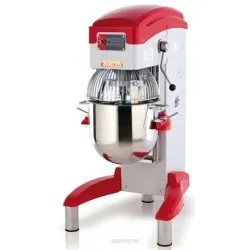
Article number: BM40
A planetary mixer combines a rotating bowl with a beater that travels around its own axis, mimicking..
Is available
5,799.00€
with VAT: 7,016.79€
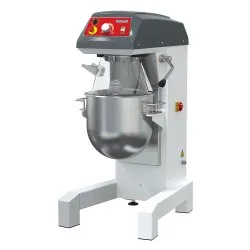
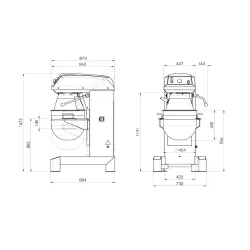
Article number: BULL B60
A planetary mixer uses a stationary bowl paired with a beater that rotates on its own axis while cir..
Is available
5,879.00€
with VAT: 7,113.59€
Article number: BULL B60P
This planetary mixer blends ingredients thoroughly by rotating the beater while it circles the bowl...
Is available
5,999.00€
with VAT: 7,258.79€
Article number: BULL60P
A planetary mixer combines a rotating beater with a revolving bowl to fold, stretch and aerate dough..
Is available
5,999.00€
with VAT: 7,258.79€
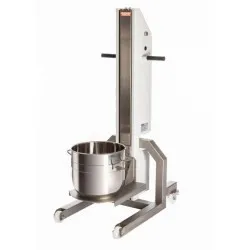
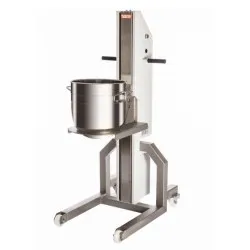
Article number: SVPB
A battery powered lifter removes the effort of lifting heavy planetary mixer bowls onto and off the ..
Is available
6,069.00€
with VAT: 7,343.49€
Article number: SVPR
This SIGMA SVPR is a battery powered lifter designed for planetary mixer bowls. Constructed from ele..
Is available
6,279.00€
with VAT: 7,597.59€
Article number: PLN40V
The FIMAR PLN40 V is a planetary dough mixer for professional kitchens.
A planetary mixer uses a rot..
Is available
6,660.00€
with VAT: 8,058.60€
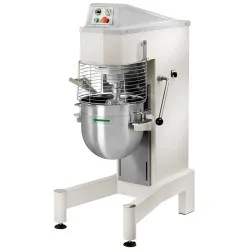
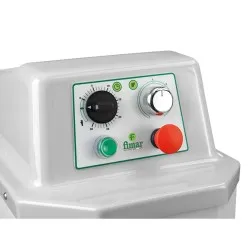
Article number: PLN60M
The FIMAR PLN60M is a planetary dough mixer designed for professional use.
Planetary mixers operate ..
Is available
6,885.00€
with VAT: 8,330.85€
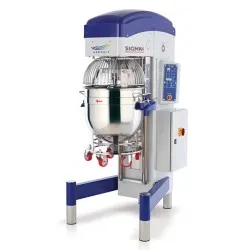
Article number: AEROMIX40
The SIGMA AEROMIX40 is a 40 litre planetary mixer. Planetary mixers operate by having a beater attac..
Is available
6,999.00€
with VAT: 8,468.79€
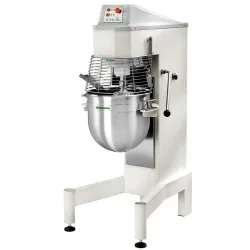
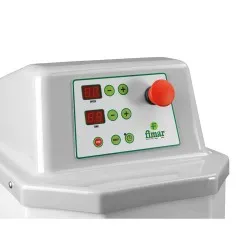
Article number: PLN40D
The FIMAR PLN40D is a planetary dough mixer designed for professional use. Planetary dough mixers op..
Is available
7,042.50€
with VAT: 8,521.43€
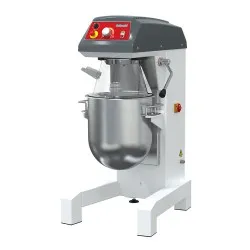
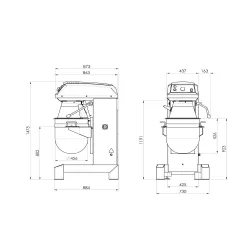
Article number: BULL B80L
A planetary mixer features a fixed bowl paired with a beater that orbits the bowl while rotating. Th..
Is available
7,119.00€
with VAT: 8,613.99€
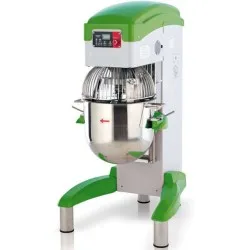
Article number: CHEF60
Its primary function is to combine ingredients using a mixing tool that orbits within a stationary b..
Is available
7,459.00€
with VAT: 9,025.39€
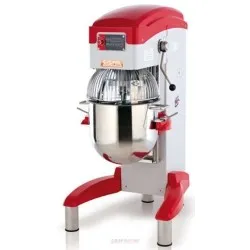
Article number: BM60
The SIGMA BM60 is a 60 L planetary mixer. It operates with a rotating tool that moves in an orbital ..
Is available
7,499.00€
with VAT: 9,073.79€
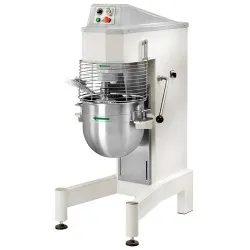
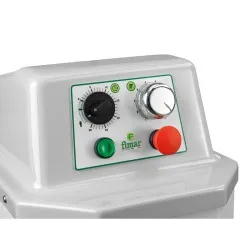
Article number: PLN60V
The FIMAR PLN60 V is a planetary dough mixer designed for professional use.
Planetary mixers operate..
Is available
7,837.50€
with VAT: 9,483.38€
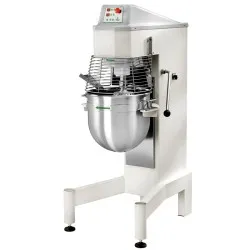
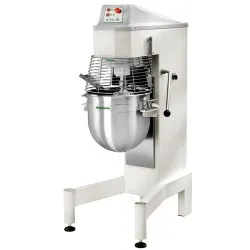
Article number: PLN60D
A planetary dough mixer combines a rotating bowl with a beater that moves in the opposite direction,..
Is available
8,070.00€
with VAT: 9,764.70€
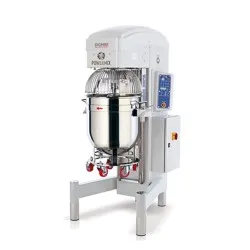
Article number: POWERMIX60
The SIGMA POWERMIX 60 L is a planetary mixer from SIGMA.
Planetary mixers operate by having a mixing..
Is available
8,589.00€
with VAT: 10,392.69€
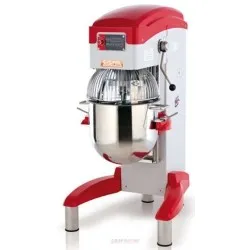
Article number: BM80
A planetary mixer combines two motions to fold, whip and knead large batches evenly. The beater rota..
Is available
8,959.00€
with VAT: 10,840.39€
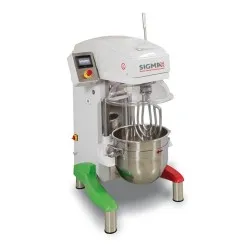
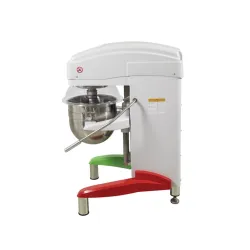
Article number: PERFECTMIX60
The SIGMA PERFECT MIX 60 L is a planetary mixer. It operates using a beater that moves in an eccentr..
Is available
9,349.00€
with VAT: 11,312.29€
Article number: PERFECTMIX40
The SIGMA PERFECT MIX 40 L is a planetary mixer from SIGMA, designed for professional use.
A planeta..
Is available
9,379.00€
with VAT: 11,348.59€
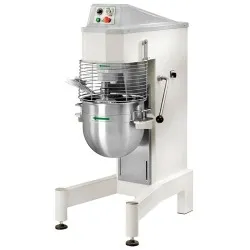
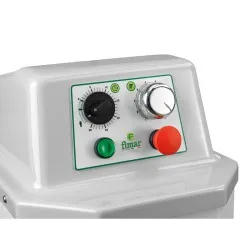
Article number: PLN80V
A planetary dough mixer combines a rotating beater with a bowl that moves in the opposite direction,..
Is available
9,390.00€
with VAT: 11,361.90€
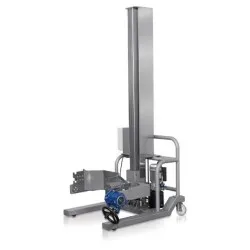
Article number: SVP1
Planetary mixer bowls rise and tilt on the SIGMA SVP1 lifters to discharge dough, batter or cream wi..
Is available
9,399.00€
with VAT: 11,372.79€
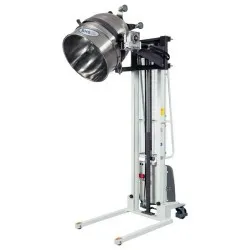
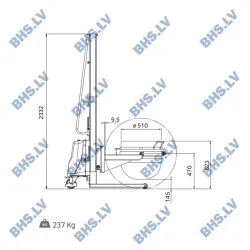
Article number: SOLL100E
An electric bowl lifter automates the raising and lowering of mixing bowls on planetary mixers. The ..
Is available
9,639.00€
with VAT: 11,663.19€
Article number: PLN80D
The FIMAR PLN80D is a planetary dough mixer. It operates with a central beater that moves in an orbi..
Is available
9,667.50€
with VAT: 11,697.68€
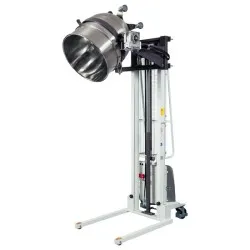
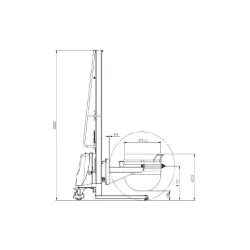
Article number: SOLL100-E
A bowl lifter raises and lowers the mixing bowl of a planetary mixer without manual lifting. The ele..
Is available
9,689.00€
with VAT: 11,723.69€
Article number: SOLL160-E
A bowl lifter raises and lowers the mixing bowl of a planetary mixer without manual lifting, letting..
Is available
9,799.00€
with VAT: 11,856.79€
Article number: AEROMIX60
The SIGMA AEROMIX60 is a 60-litre planetary mixer for professional use.
A planetary mixer has a mixi..
Is available
9,999.00€
with VAT: 12,098.79€
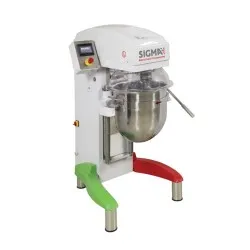
Article number: PERFECTMIX40DT
A planetary mixer moves a beater in two simultaneous circles: one around the bowl and one around its..
Is available
9,999.00€
with VAT: 12,098.79€
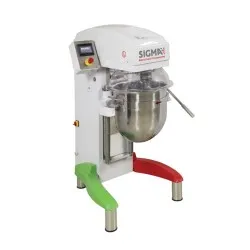
Article number: PERFECTMIX60DT
The SIGMA PERFECT MIX DT 60 L is a planetary mixer. It operates using a mixing tool that rotates on ..
Is available
10,239.00€
with VAT: 12,389.19€
Article number: POWERMIX70
A planetary mixer combines a fixed bowl with a tool that orbits its own axis while travelling around..
Is available
10,279.00€
with VAT: 12,437.59€
Article number: SVP2
Planetary mixer bowls rise to a 2000 mm discharge height on these SIGMA SVP2 hydraulic lifters, lett..
Is available
10,329.00€
with VAT: 12,498.09€
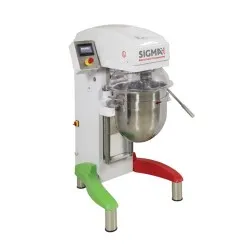
Article number: PERFECTMIX80DT
The SIGMA PERFECT MIX DT 80 L is a planetary mixer designed for professional use. This type of mixer..
Is available
10,589.00€
with VAT: 12,812.69€
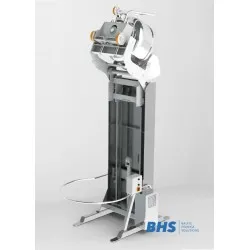
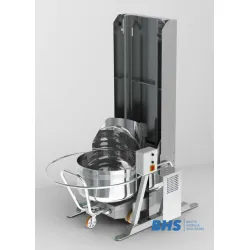
Article number: MACISTE-1300
This planetary mixer bowl lifter automates the raising and tilting of mixing bowls, eliminating manu..
Is available
13,069.00€
with VAT: 15,813.49€
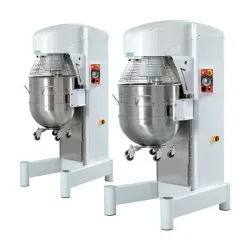
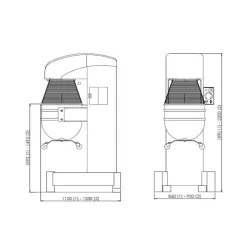
Article number: BULL B100L
This planetary mixer features a stationary bowl paired with a beater that rotates on its own axis wh..
Is available
13,472.00€
with VAT: 16,301.12€
Article number: MACISTE-1600
A planetary mixer bowl lifter removes the need to lift heavy mixing bowls by hand. The MACISTE 1600 ..
Is available
13,549.00€
with VAT: 16,394.29€
Article number: BULL B100
The ROLLMATIC BULL B100 is a planetary mixer designed for both artisanal and industrial use. It feat..
Is available
13,679.00€
with VAT: 16,551.59€
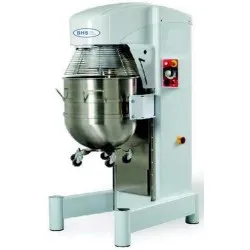
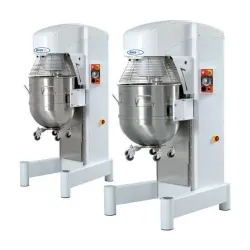
Article number: BULL100
A planetary mixer combines a stationary bowl with a rotating beater that travels around the bowl's c..
Is available
13,679.00€
with VAT: 16,551.59€
Article number: MACISTE-1900
A hydraulic bowl lifter raises and tilts mixing bowls that weigh several hundred kilograms without m..
Is available
13,849.00€
with VAT: 16,757.29€
Article number: SOLL100B
The SOLL100B is a battery-powered bowl lifter from ROLLMATIC, designed to assist with the movement o..
Is available
14,210.00€
with VAT: 17,194.10€
Article number: AEROMIX80
A planetary mixer combines two motions to fold, whip and knead without leaving unmixed pockets. The ..
Is available
14,269.00€
with VAT: 17,265.49€
Article number: AEROMIX100
The SIGMA AEROMIX 100 L is a planetary mixer designed for professional use. A planetary mixer operat..
Is available
14,429.00€
with VAT: 17,459.09€
Article number: MACISTE-2700
A hydraulic bowl lifter raises and lowers the mixing bowl of a planetary mixer without manual strain..
Is available
14,499.00€
with VAT: 17,543.79€
Article number: POWERMIX100
The SIGMA POWERMIX 100 L is a planetary mixer. This type of mixer operates by employing a mixing too..
Is available
14,749.00€
with VAT: 17,846.29€
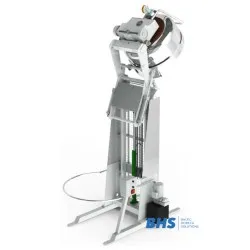
Article number: MACISTE-MAX-1600
A planetary mixer bowl lifter engineered for the heaviest mixing tasks in professional kitchens, the..
Is available
15,199.00€
with VAT: 18,390.79€
Article number: MACISTE-MAX-1900
The SIGMA MACISTE MAX 1900 is a bowl lifter designed for use with planetary mixers. Its primary func..
Is available
15,499.00€
with VAT: 18,753.79€
Article number: BULL B160
The ROLLMATIC BULL B160 is a planetary mixer designed for both artisanal and industrial food process..
Is available
15,729.00€
with VAT: 19,032.09€
Article number: BULL160
A planetary mixer combines a fixed bowl with a beater that revolves on its own axis while orbiting t..
Is available
15,929.00€
with VAT: 19,274.09€
Article number: MACISTE-MAX-2700
The SIGMA MACISTE MAX 2700 is a planetary mixer designed for professional use.
A planetary mixer ope..
Is available
16,679.00€
with VAT: 20,181.59€
Article number: POWERMIX80
A planetary mixer combines a rotating bowl with a tool that moves in the opposite direction, coverin..
Is available
16,769.00€
with VAT: 20,290.49€
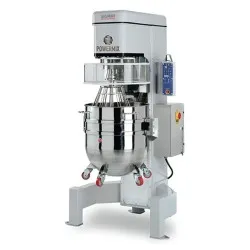
Article number: POWERMIX120
The SIGMA POWERMIX120 is a 120 litre planetary mixer. Planetary mixers operate by having a beater or..
Is available
19,329.00€
with VAT: 23,388.09€
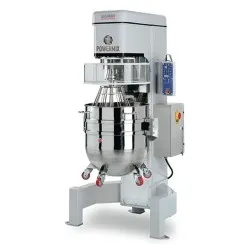
Article number: POWERMIX160
A planetary mixer combines a rotating mixing tool with a revolving bowl to fold, whip and knead ingr..
Is available
21,179.00€
with VAT: 25,626.59€
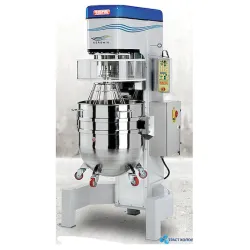
Article number: AEROMIX120
A planetary mixer combines two motions to fold, whip and knead evenly. The beater orbits the bowl li..
Is available
22,709.00€
with VAT: 27,477.89€
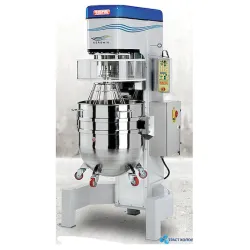
Article number: AEROMIX160
The SIGMA AEROMIX 160 L is a planetary mixer. A planetary mixer operates with a mixing tool that rot..
Is available
23,869.00€
with VAT: 28,881.49€