

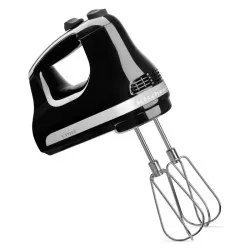
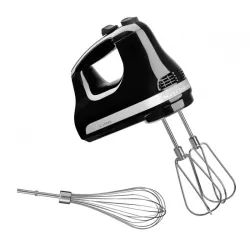
Article number: 5KHM5110E
The KitchenAid CLASSIC Hand Mixer, article number 5KHM5110E, is designed for various mixing tasks wi..
Is available
98.35€
with VAT: 119.00€
Article number: ME2530
A blender attachment transforms a commercial mixer into a high-speed blender by replacing the standa..
Is available
99.00€
with VAT: 119.79€
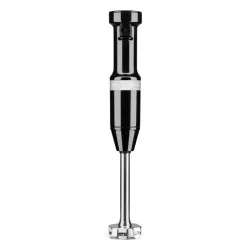
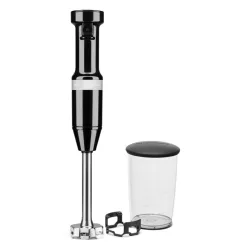
Article number: 5KHBV53E
An immersion blender allows direct blending in pots, jugs, or bowls. A motor in the handle drives a ..
Is available
99.99€
with VAT: 120.99€
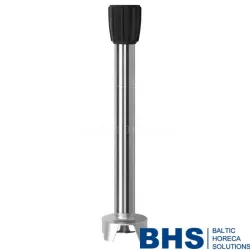
Article number: ME4030
A blender attachment transforms a commercial mixer into a high-speed blender, letting the same machi..
Is available
109.00€
with VAT: 131.89€
Article number: ME4040
A hand blender attachment extends the reach of a commercial immersion blender, allowing the operator..
Is available
109.00€
with VAT: 131.89€
Article number: ME4050
A hand blender attachment extends the working length of an immersion blender, letting the operator p..
Is available
119.00€
with VAT: 143.99€

Article number: MXM25
A motor block powers the mechanical action of a commercial mixer, converting electrical energy into ..
Is available
119.00€
with VAT: 143.99€
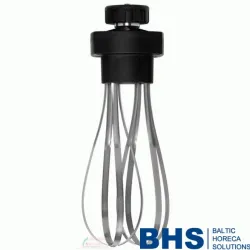
Article number: FM3
The FIMAR FM3 is a whisk for hand blenders...
Is available
129.00€
with VAT: 156.09€
Article number: ME4060
A hand blender attachment extends the reach of a commercial stick blender, letting the operator proc..
Is available
139.00€
with VAT: 168.19€
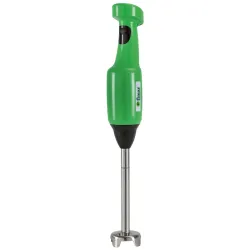
Article number: MX20
The FIMAR MX20 is a professional immersion blender designed for a variety of food preparation tasks...
Is available
139.00€
with VAT: 168.19€
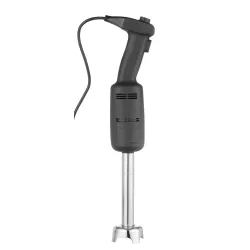
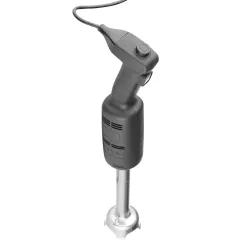
Article number: 222140
This immersion blender lets you blend directly in pots or bowls, avoiding the need to move hot liqui..
Is available
157.00€
with VAT: 189.97€
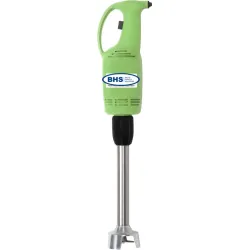
Article number: MX25
The FIMAR MX25 is an immersion blender designed for grinding and mixing food items. Its primary func..
Is available
189.00€
with VAT: 228.69€
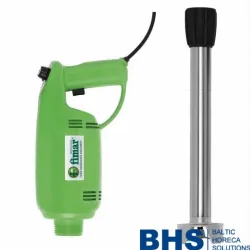
Article number: FX42S
An immersion blender pulverises food by spinning a blade at high speed inside a liquid or soft mixtu..
Is available
229.00€
with VAT: 277.09€
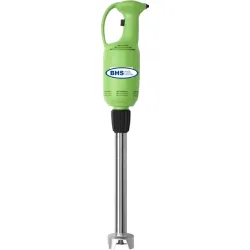
Article number: MX42S
The FIMAR MX42S is an immersion blender designed for professional kitchen use. This model operates w..
Is available
229.00€
with VAT: 277.09€
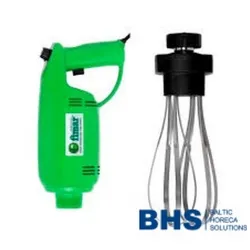
Article number: FX42F
An immersion blender drives a blade or whisk directly into the bowl, jug or pan where the ingredient..
Is available
279.00€
with VAT: 337.59€
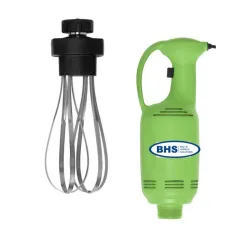
Article number: MX42F
An immersion blender that lowers directly into pots, pans or containers to blend, purée or emulsify ..
Is available
279.00€
with VAT: 337.59€

Article number: MXM40S
The FIMAR MXM40S is a motor block. This unit provides the motive power for an appliance but does not..
Is available
289.00€
with VAT: 349.69€

Article number: FXM40S
A motor block drives the planetary or spiral arm of a professional mixer, converting electrical powe..
Is available
299.00€
with VAT: 361.79€
Article number: MXM40
The FIMAR MXM40 motor block powers commercial food mixers, delivering controlled rotary motion for m..
Is available
299.00€
with VAT: 361.79€

Article number: FXM40
The FIMAR motor block FXM40 is a motor with speed regulator. It is listed for hand mixer application..
Is available
319.00€
with VAT: 385.99€
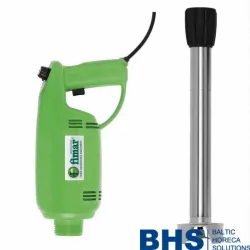
Article number: FX42
A hand blender transfers motor power directly into the bowl through a rotating shaft, eliminating th..
Is available
329.00€
with VAT: 398.09€
Article number: MX42
An immersion blender lets the operator blend, purée or emulsify directly in the cooking vessel, elim..
Is available
329.00€
with VAT: 398.09€
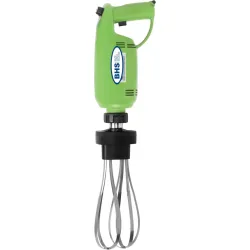
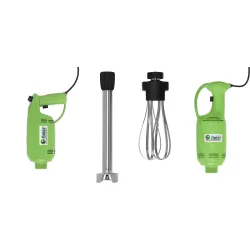
Article number: FX40
An immersion blender lets the operator blend, purée or emulsify directly in the cooking vessel, elim..
Is available
369.00€
with VAT: 446.49€
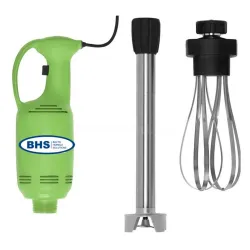
Article number: MX40
This immersion blender allows direct work in the food container, cutting down on transfers and clean..
Is available
369.00€
with VAT: 446.49€
Article number: A14DB01061
A hand mixer built for continuous mixing, whisking and blending in pizzerias and professional kitche..
Is available
479.00€
with VAT: 579.59€
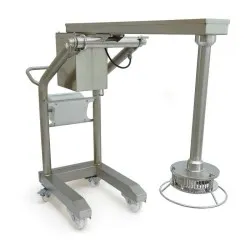
Article number: 3030501
The SAMMIC Turbo mixer, model TRX-21, is a professional-grade turbo mixer designed for food preparat..
Is available
4,499.00€
with VAT: 5,443.79€
Article number: 3030506
The SAMMIC Mixer Turbo, model TRX-22, is a mixer turbo designed for professional food preparation.
T..
Is available
5,339.00€
with VAT: 6,460.19€