

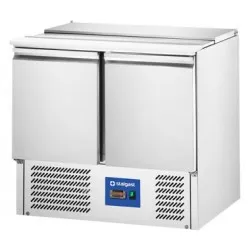
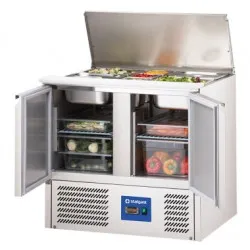
Article number: 832129
A cooling counter keeps prepared ingredients and plated dishes chilled without drying them out. It c..
Is available
607.50€
with VAT: 735.08€
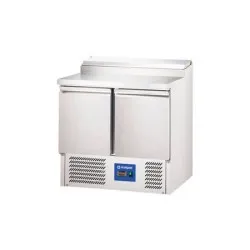
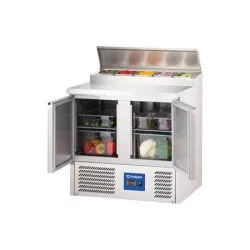
Article number: 832328
This Stalgast cooling counter, article 832328, functions as a table refrigerator. This type of cooli..
Is available
708.75€
with VAT: 857.59€
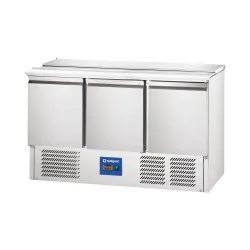
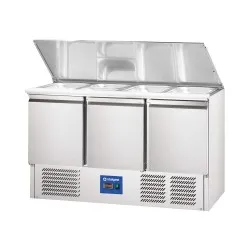
Article number: 832139
This Stalgast cooling counter, article 832139, is a table refrigerator designed for professional use..
Is available
911.25€
with VAT: 1,102.61€
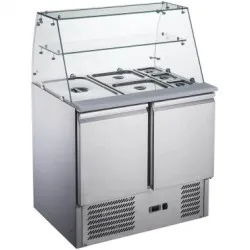
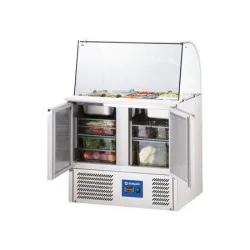
Article number: 832222
This Stalgast cooling counter, article 832222, is designed for professional food service environment..
Is available
945.00€
with VAT: 1,143.45€
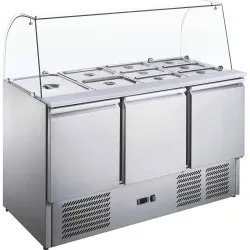
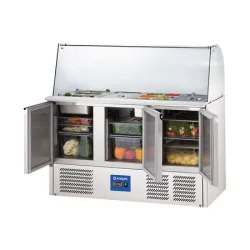
Article number: 832232
A refrigerated counter that keeps prepared salads, dressings and cold buffet items chilled while dis..
Is available
1,053.00€
with VAT: 1,274.13€
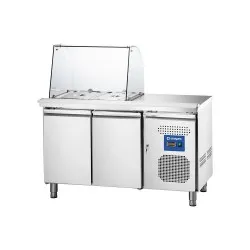
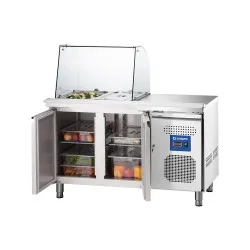
Article number: 832225
A cooling counter designed for organised salad bars and chilled displays keeps prepared ingredients ..
Is available
1,449.00€
with VAT: 1,753.29€
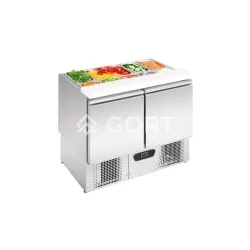
Article number: CL01-095EV
The BHS-G CL01-095EV is a salad refrigerated counter, also listed in the catalogue as a salad table ..
Is available
1,599.00€
with VAT: 1,934.79€
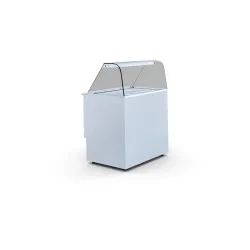
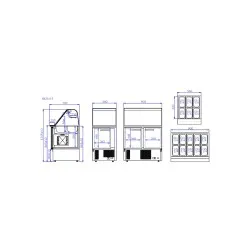
Article number: IB02
The IGLOO IBIZA 560 mm is a table-refrigerator salad bar.
This appliance maintains a chilled environ..
Is available
1,699.00€
with VAT: 2,055.79€
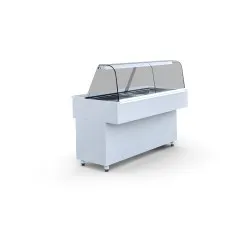
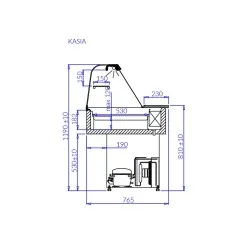
Article number: KA100TS
A refrigerated salad bar keeps prepared salads, fruits and chilled desserts at serving temperature w..
Is available
1,699.00€
with VAT: 2,055.79€
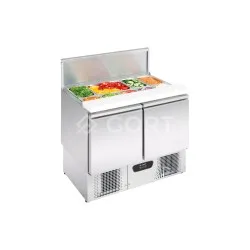
Article number: CL02-095EV
A refrigerated counter designed to keep salad ingredients crisp and fresh during service without bre..
Is available
1,749.00€
with VAT: 2,116.29€
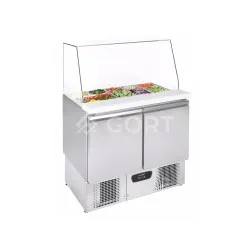
Article number: CL03-095EV
A refrigerated salad counter keeps prepared ingredients chilled while displaying them under a glass ..
Is available
1,809.00€
with VAT: 2,188.89€
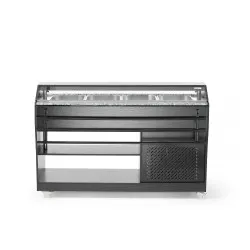
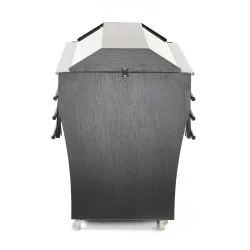
Article number: 274057
This Arktic salad buffet, article number 274057, is designed for the presentation and storage of chi..
Is available
1,899.00€
with VAT: 2,297.79€
Article number: IB01
The IBIZA 900 mm is a table-refrigerator salad bar from IGLOO, article IB01. This appliance cools it..
Is available
1,899.00€
with VAT: 2,297.79€
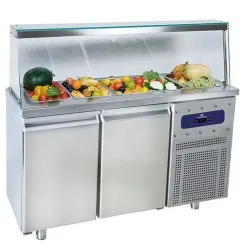
Article number: BNA0068
A refrigerated salad table maintains fresh ingredients at precise chilled temperatures while providi..
Is available
1,899.00€
with VAT: 2,297.79€
Article number: KA101TS
A refrigerated salad bar keeps prepared salads, fruits and chilled dishes at serving temperature whi..
Is available
1,949.00€
with VAT: 2,358.29€
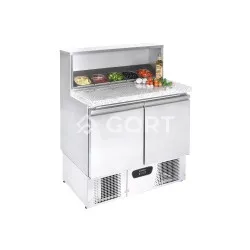
Article number: CL04-095EV
A refrigerated salad counter keeps prepared ingredients chilled while presenting them under a solid ..
Is available
1,959.00€
with VAT: 2,370.39€
-250x250.webp "Saladette counter TEFCOLD SS8300")
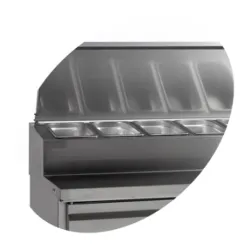
Article number: SS8300
A refrigerated salad table keeps prepared ingredients at serving-safe temperatures without drying th..
Is available
1,959.00€
with VAT: 2,370.39€
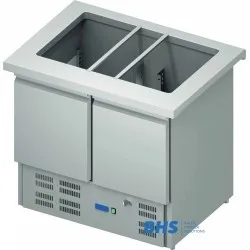
Article number: BHS206101
A refrigerated salad table keeps prepared ingredients chilled while providing a worktop for assembli..
Is available
1,999.00€
with VAT: 2,418.79€
Article number: KA102TS
The IGLOO KASIA is a table-refrigerator salad bar, article number KA102TS. This appliance is designe..
Is available
2,099.00€
with VAT: 2,539.79€
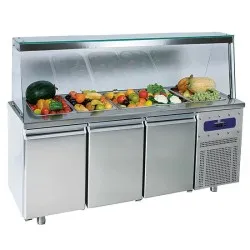
Article number: BNA0069
A refrigerated salad table keeps prepared ingredients chilled and ready for service without freezing..
Is available
2,199.00€
with VAT: 2,660.79€
Article number: KA103TS
A refrigerated salad bar keeps prepared salads, fruits and chilled desserts at serving temperature w..
Is available
2,239.00€
with VAT: 2,709.19€
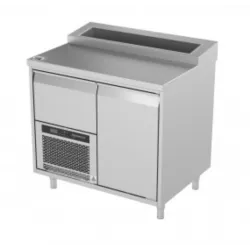
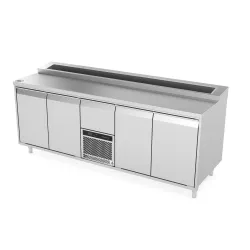
Article number: FS0-E101-94/70/90
A refrigerated worktop keeps salad ingredients and prepared components chilled while they are choppe..
Is available
2,260.00€
with VAT: 2,734.60€
Article number: GL107
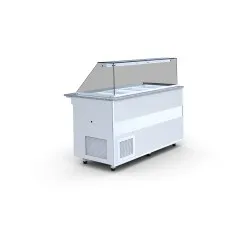
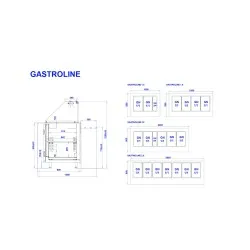
A refrigerated salad bar keeps prepared salads, fruits and cold dishes at serving temperature while ..
Is available
2,289.00€
with VAT: 2,769.69€
Article number: KA104TS
A refrigerated salad bar keeps prepared salads, fruits and chilled dishes at serving temperature whi..
Is available
2,379.00€
with VAT: 2,878.59€
-250x250.webp "Saladette counter Novameta FS0-E111-94/70/90")
Article number: FS0-E111-94/70/90
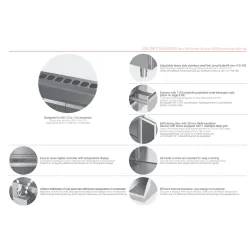
A refrigerated worktop that keeps salad ingredients and prepared components chilled while providing ..
Is available
2,450.00€
with VAT: 2,964.50€
Article number: GL100
A refrigerated salad bar keeps fresh produce visible and chilled at the same time. The cooling unit ..
Is available
2,489.00€
with VAT: 3,011.69€
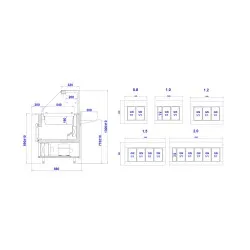
Article number: GLP100
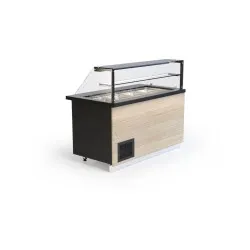
A refrigerated salad bar keeps fresh produce chilled while presenting it to customers without openin..
Is available
2,489.00€
with VAT: 3,011.69€
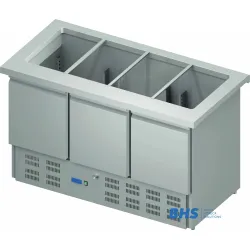
Article number: BHS207151
A refrigerated salad table keeps prepared ingredients chilled at worktop height while providing orga..
Is available
2,499.00€
with VAT: 3,023.79€
-250x250.webp "Saladette counter Novameta FS0-E121-94/70/90")
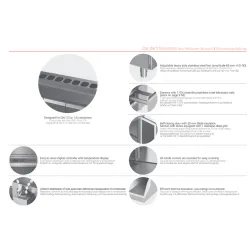
Article number: FS0-E121-94/70/90
A refrigerated saladette counter keeps ingredients chilled while they are sliced, tossed and plated...
Is available
2,546.00€
with VAT: 3,080.66€
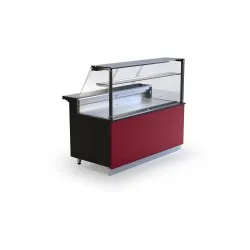
Article number: GLP110
A refrigerated salad bar keeps fresh produce chilled while presenting it to customers without openin..
Is available
2,549.00€
with VAT: 3,084.29€
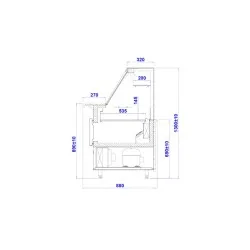
Article number: GLP110EX
A refrigerated salad bar keeps prepared fruits and salads at serving temperature while presenting th..
Is available
2,599.00€
with VAT: 3,144.79€
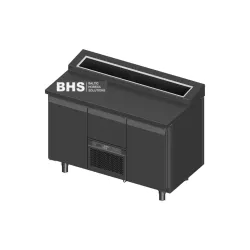
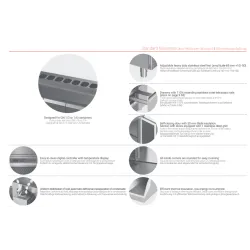
Article number: BHS-FS0-E202-130/70/90
The Novameta P202 is a saladette counter, article code BHS-FS0-E202-130/70/90. This unit is construc..
Is available
2,690.80€
with VAT: 3,255.87€
Article number: GLP120
A refrigerated salad bar creates a self-service display where customers lift fresh ingredients direc..
Is available
2,699.00€
with VAT: 3,265.79€
Article number: GL101
The GASTROLINE 2000 mm salad bar by IGLOO is a refrigerated display unit designed for presenting chi..
Is available
2,739.00€
with VAT: 3,314.19€
-250x250.webp "Saladette counter Novameta FS0-E230-130/70/90")
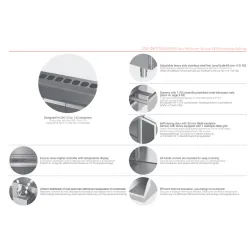
Article number: FS0-E230-130/70/90
This professional refrigerated worktop maintains ingredients at a steady chill while offering a larg..
Is available
2,879.80€
with VAT: 3,484.56€
-250x250.webp "Saladette counter Novameta FS0-E240-130/70/90")
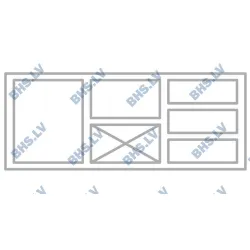
Article number: FS0-E240-130/70/90
A refrigerated worktop that keeps salad ingredients chilled while providing a stable surface for pre..
Is available
2,975.20€
with VAT: 3,599.99€
Article number: GLP130
A refrigerated salad bar keeps fresh produce at serving temperature while presenting it to customers..
Is available
3,059.00€
with VAT: 3,701.39€
-250x250.webp "Saladette counter Novameta FS0-E212-130/70/90")
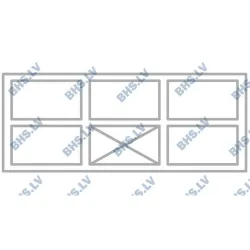
Article number: FS0-E212-130/70/90
A refrigerated worktop that keeps salad ingredients chilled while providing a stable surface for pre..
Is available
3,069.40€
with VAT: 3,713.97€
Article number: GLP130EX
A refrigerated salad bar keeps prepared fruits and salads at serving temperature while presenting th..
Is available
3,159.00€
with VAT: 3,822.39€
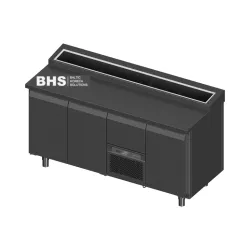
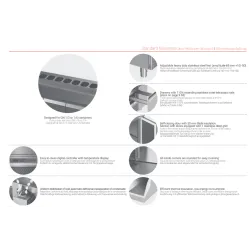
Article number: BHS-FS0-E303-172/70/90
A refrigerated worktop that keeps salad ingredients and prepared components chilled while providing ..
Is available
3,180.00€
with VAT: 3,847.80€
-250x250.webp "Saladette counter Novameta FS0-E222-130/70/90")
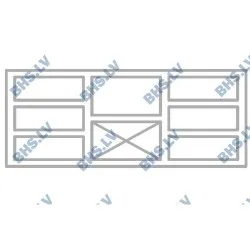
Article number: FS0-E222-130/70/90
The Novameta P222 is a saladette counter, identified by article number FS0-E222-130/70/90. This unit..
Is available
3,259.00€
with VAT: 3,943.39€
Article number: GL102
A refrigerated salad bar keeps fresh produce chilled while presenting it to customers in a self-serv..
Is available
3,269.00€
with VAT: 3,955.49€
-250x250.webp "Saladette counter Novameta FS0-E332-172/70/90")
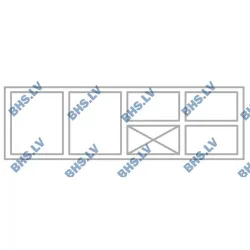
Article number: FS0-E332-172/70/90
The Novameta P332 is a professional saladette counter, article code FS0-E332-172/70/90. This unit is..
Is available
3,370.20€
with VAT: 4,077.94€
Article number: GLP140
A refrigerated salad bar keeps fresh produce at serving temperature while presenting it openly to cu..
Is available
3,379.00€
with VAT: 4,088.59€
-250x250.webp "Saladette counter Novameta FS0-E342-172/70/90")
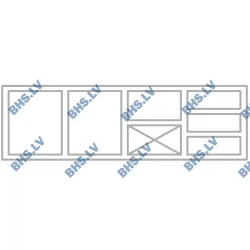
Article number: FS0-E342-172/70/90
A refrigerated worktop that keeps ingredients chilled while providing a spacious surface for salad p..
Is available
3,465.60€
with VAT: 4,193.38€
-250x250.webp "Saladette counter Novameta FS0-E335-172/70/90")
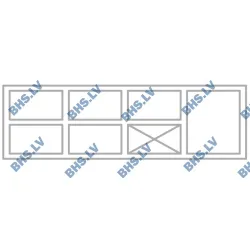
Article number: FS0-E335-172/70/90
The Novameta P335 is a type of saladette counter, identified by the article number FS0-E335-172/70/9..
Is available
3,559.80€
with VAT: 4,307.36€
-250x250.webp "Saladette counter Novameta FS0-E313-172/70/90")
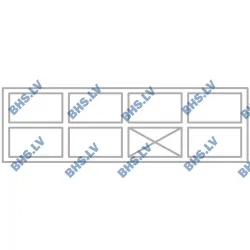
Article number: FS0-E313-172/70/90
A refrigerated worktop keeps ingredients at a steady chill while the chef works directly above them...
Is available
3,749.00€
with VAT: 4,536.29€
-250x250.webp "Saladette counter Novameta FS0-E345-172/70/90")
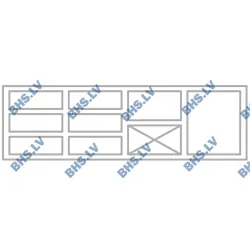
Article number: FS0-E345-172/70/90
A refrigerated worktop that keeps salad ingredients chilled while providing a spacious cutting and a..
Is available
3,749.00€
with VAT: 4,536.29€
Article number: GLP140EX
A refrigerated salad bar keeps prepared salads, fruits and chilled dishes at serving temperature whi..
Is available
3,799.00€
with VAT: 4,596.79€
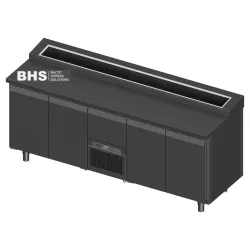
Article number: BHS-FS0-E404-213/70/90
A refrigerated worktop that keeps salad ingredients and fresh produce at controlled temperatures whi..
Is available
3,849.20€
with VAT: 4,657.53€
-250x250.webp "Saladette counter Novameta FS0-E323-172/70/90")
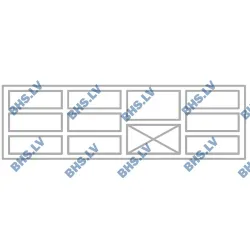
Article number: FS0-E323-172/70/90
A refrigerated worktop keeps ingredients chilled while they are prepared, sliced or arranged. The No..
Is available
4,034.40€
with VAT: 4,881.62€
-250x250.webp "Saladette counter Novameta FS0-E433-213/70/90")
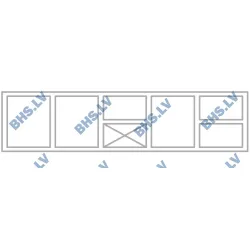
Article number: FS0-E433-213/70/90
A refrigerated worktop that keeps salad ingredients chilled while providing a spacious cutting and a..
Is available
4,039.40€
with VAT: 4,887.67€
-250x250.webp "Saladette counter Novameta FS0-E443-213/70/90")
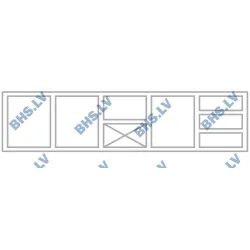
Article number: FS0-E443-213/70/90
This Novameta saladette counter, article number FS0-E443-213/70/90, is a type of refrigerated prepar..
Is available
4,134.80€
with VAT: 5,003.11€
-250x250.webp "Saladette counter Novameta FS0-E436-213/70/90")
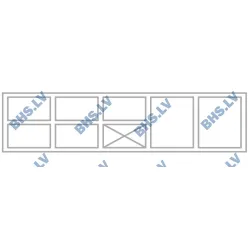
Article number: FS0-E436-213/70/90
The Novameta P436 is a saladette counter, designed for professional kitchens. This unit features a s..
Is available
4,229.00€
with VAT: 5,117.09€
-250x250.webp "Saladette counter Novameta FS0-E438-213/70/90")
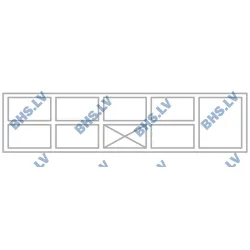
Article number: FS0-E438-213/70/90
This refrigerated worktop maintains ingredients at a safe chill while they are prepared. The Novamet..
Is available
4,418.60€
with VAT: 5,346.51€
-250x250.webp "Saladette counter Novameta FS0-E446-213/70/90")
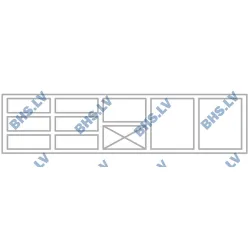
Article number: FS0-E446-213/70/90
A refrigerated saladette counter keeps ingredients at a steady chill without freezing, using a compr..
Is available
4,418.60€
with VAT: 5,346.51€
-250x250.webp "Saladette counter Novameta FS0-E414-213/70/90")
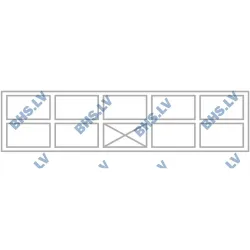
Article number: FS0-E414-213/70/90
The Novameta P414 is a refrigerated saladette counter designed for professional kitchens. This unit ..
Is available
4,609.40€
with VAT: 5,577.37€
-250x250.webp "Saladette counter Novameta BHS-FS0-E448-213/70/90")
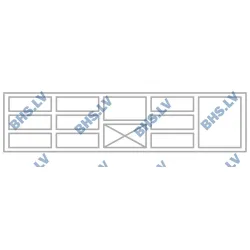
Article number: BHS-FS0-E448-213/70/90
A refrigerated worktop designed to maintain salad ingredients, dressings, and garnishes at consisten..
Is available
4,704.20€
with VAT: 5,692.08€
-250x250.webp "Saladette counter Novameta BHS-FS0-E424-213/70/90")
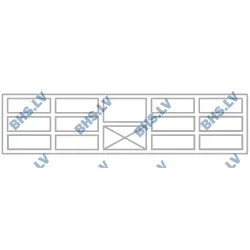
Article number: BHS-FS0-E424-213/70/90
The Novameta P424 is a professional saladette counter, designed for food preparation and storage. Th..
Is available
4,990.40€
with VAT: 6,038.38€