

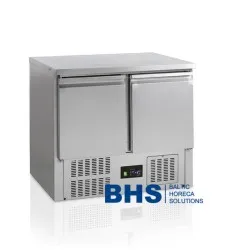
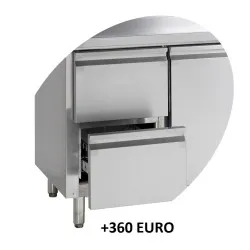
Article number: GS91
A refrigerated saladette counter maintains fresh ingredients at serving temperature by circulating c..
Is available
759.00€
with VAT: 918.39€
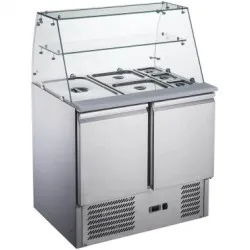
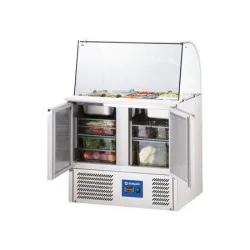
Article number: 832222
This Stalgast cooling counter, article 832222, is designed for professional food service environment..
Is available
945.00€
with VAT: 1,143.45€
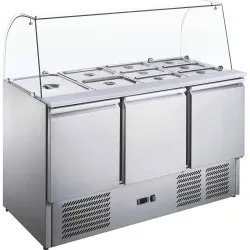
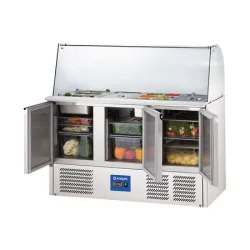
Article number: 832232
A refrigerated counter that keeps prepared salads, dressings and cold buffet items chilled while dis..
Is available
1,053.00€
with VAT: 1,274.13€
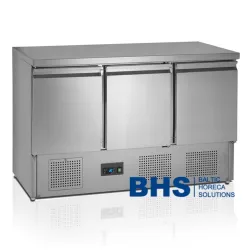
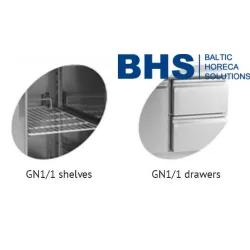
Article number: SA1365-SS
Chilled air circulates evenly across all shelves, ensuring consistent cooling from loading to platin..
Is available
1,189.00€
with VAT: 1,438.69€
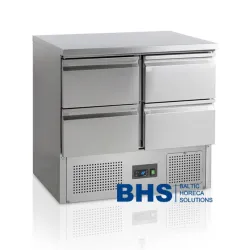
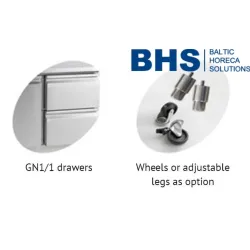
Article number: SA914
A refrigerated counter keeps prepared ingredients chilled without freezing, circulating cold air eve..
Is available
1,229.00€
with VAT: 1,487.09€
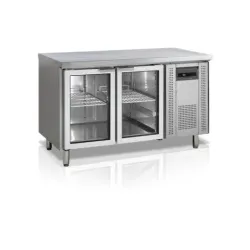
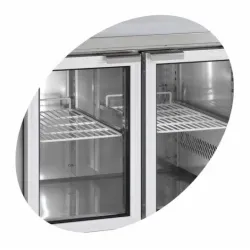
Article number: CK7210G
The TEFCOLD CK7210G is a cooling counter, categorised as a table refrigerator without drawers. This ..
Is available
1,369.00€
with VAT: 1,656.49€
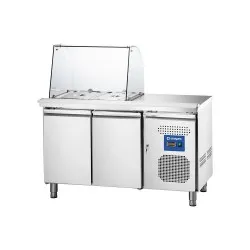
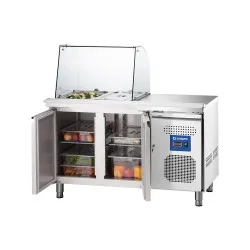
Article number: 832225
A cooling counter designed for organised salad bars and chilled displays keeps prepared ingredients ..
Is available
1,449.00€
with VAT: 1,753.29€
-250x250.webp "Counter refrigerator table without drawers TEFCOLD SS7200")
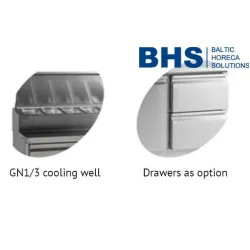
Article number: SS7200
A refrigerated sandwich preparation counter keeps ingredients chilled while they are assembled into ..
Is available
1,499.00€
with VAT: 1,813.79€
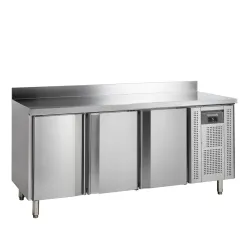
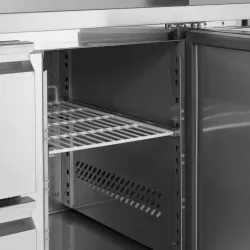
Article number: CK7310X1SP
This ventilated cooling counter maintains chilled food at consistent serving temperatures, even with..
Is available
1,819.00€
with VAT: 2,200.99€
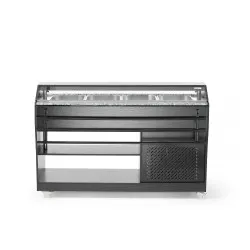
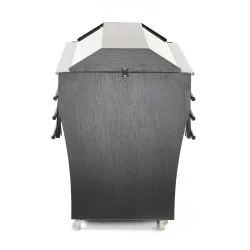
Article number: 274057
This Arktic salad buffet, article number 274057, is designed for the presentation and storage of chi..
Is available
1,899.00€
with VAT: 2,297.79€
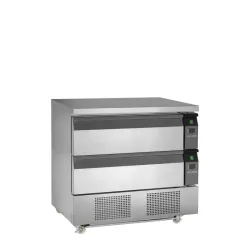
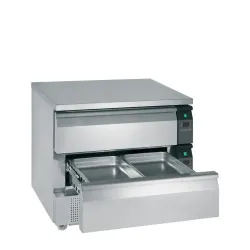
Article number: UD2-22
This TEFCOLD worktop unit offers both chilling and freezing in a single appliance. Two gastronorm 2/..
Is available
1,969.00€
with VAT: 2,382.49€
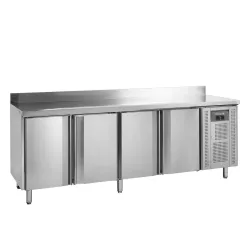
Article number: CK7410X1SP
A ventilated cooling counter keeps food chilled by circulating cold air evenly around every shelf. A..
Is available
2,079.00€
with VAT: 2,515.59€
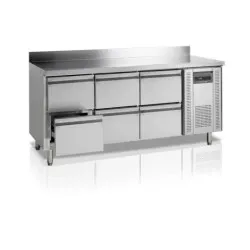
Article number: CK7360
A cooling counter keeps prepared ingredients chilled at serving height, ready for plating without le..
Is available
2,269.00€
with VAT: 2,745.49€
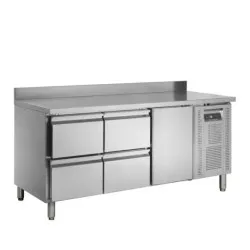
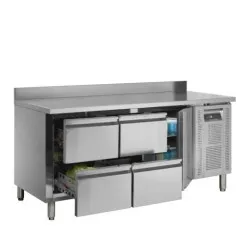
Article number: CK7340
The TEFCOLD CK7340 is a cooling counter designed for professional kitchens. This type of appliance o..
Is available
2,329.00€
with VAT: 2,818.09€
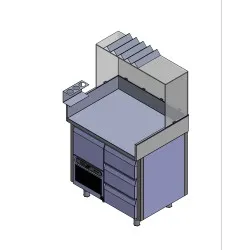
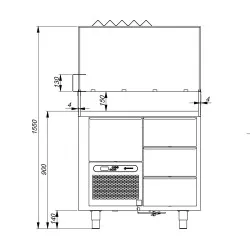
Article number: XKJ21-0030.000.00-SB
A hot-dog work table provides a dedicated surface for assembling and holding hot-dogs in a commercia..
Is available
2,414.00€
with VAT: 2,920.94€
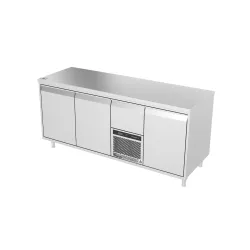
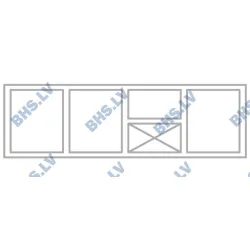
Article number: BHS-FP0-E307-196/70/90
A refrigerated worktop built for 600×400 mm baking trays keeps doughs, creams and par-baked goods at..
Is available
2,959.20€
with VAT: 3,580.63€
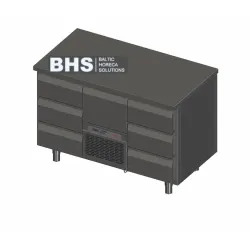
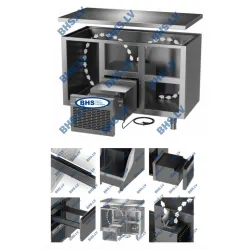
Article number: BHS-FP0-E222-130/70/90
A cooling counter keeps prepared food at safe holding temperatures without freezing it. The refriger..
Is available
2,988.40€
with VAT: 3,615.96€
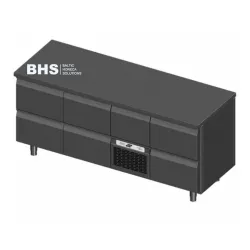
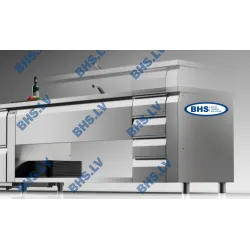
Article number: BHS-FP0-E313-172/70/90
A cooling counter keeps prepared ingredients and plated dishes at safe holding temperatures without ..
Is available
3,363.00€
with VAT: 4,069.23€
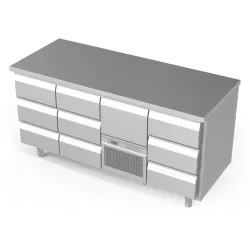
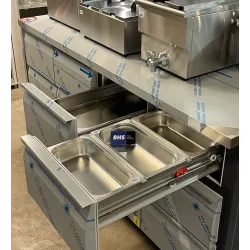
Article number: FP0-E323-172/70/90
This cooling counter maintains prepared food at serving height, allowing staff to plate dishes witho..
Is available
3,654.00€
with VAT: 4,421.34€
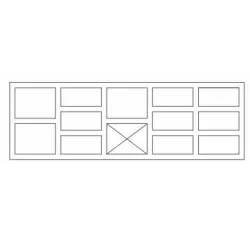
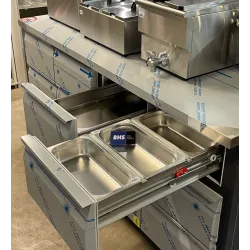
Article number: BHS-BHS-E448-213/70/90
A refrigerated worktop that keeps ingredients chilled while providing a seamless stainless steel sur..
Is available
3,799.00€
with VAT: 4,596.79€
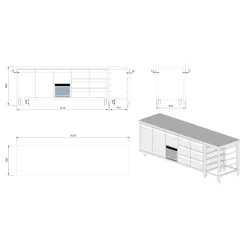
Article number: XKK25-0032.000.00
A table-refrigerator combines chilled storage with a worktop, letting kitchen staff keep ingredients..
Is available
4,015.00€
with VAT: 4,858.15€
_mod%20CZ-250x250w.webp "Refrigerated counter with drawers BHS-G GR1222-160GV")
Article number: GR1222-160GV
A refrigerated base unit keeps prepared ingredients and plated dishes chilled while they wait for se..
Is available
4,589.00€
with VAT: 5,552.69€