More from this brand
Technical data
| Attributes | |
| ARTICLE | ST256071 |
| SIZE L/W/H | 715/ 450/ 700 |
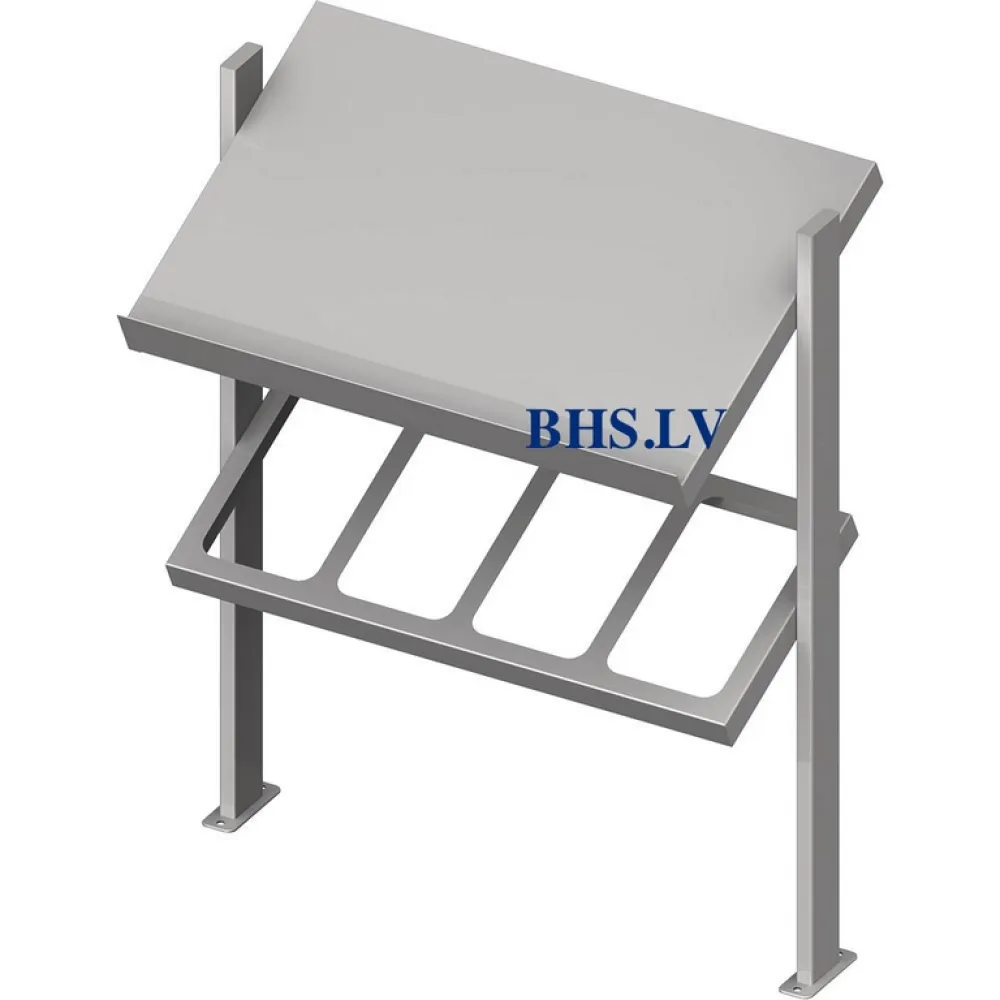
A sideboard keeps cutlery and serving utensils within arm's reach of the worktop where plating or carving happens. Instead of walking to a distant cupboard, the chef or server opens a drawer or slides out a tray at waist height, selects the required piece, and returns to the task without breaking stride. The unit stands against a wall or between other kitchen furniture, using its depth and height to store a full set of knives, forks, spoons and serving tools while occupying minimal floor space.
The sideboard's construction provides flat surfaces above and below the storage area. The top acts as an additional work surface for temporary placement of trays, plates or ingredients, while the lower shelf or cupboard can hold backup stock or cleaning supplies. Drawers or pull-out trays organise cutlery by type, preventing contact between blades and tines that could dull edges or scratch finishes. Some models include dividers or inserts that standardise the layout, so every piece has a designated slot and returns to the same place after washing.
To use the sideboard, the operator first loads clean cutlery into the appropriate compartments. During service, each drawer or tray is pulled out to the required depth, the needed utensil is lifted, and the drawer is closed again. After service, the contents are removed for washing, and the interior is wiped down to remove any food debris or moisture that could cause corrosion or tarnishing.
The Stalgast ST256071 sideboard measures 715 mm wide, 450 mm deep and 700 mm high. These dimensions create a footprint that fits between standard worktops and under wall-mounted shelves or extractor hoods, while the 700 mm height places the top surface at a comfortable working level for most adults. The width allows multiple drawers or compartments to run side by side, so different types of cutlery can be stored separately without crowding.
Cleaning follows from the materials and construction: wipe the exterior and interior surfaces with a damp cloth and mild detergent, then dry thoroughly to prevent water spots or corrosion. Drawers or trays should be removed periodically to clean underneath and to check for any trapped debris that could impede smooth operation. Regular inspection of slides or runners ensures that drawers continue to open and close without sticking or sagging.