

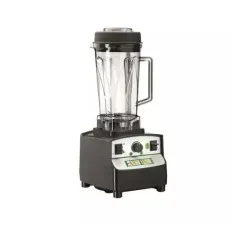
Article number: BL010
A blender reduces, emulsifies and aerates ingredients by driving a high-speed blade through them. Th..
Is available
139.00€
with VAT: 168.19€

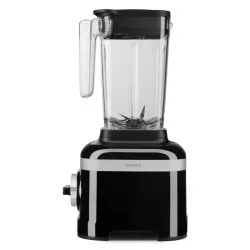
Article number: 5KSB1320E
The KitchenAid Blender CLASSIC K130, article 5KSB1320E, is a blender suitable for the HORECA segment..
Is available
189.26€
with VAT: 229.00€

Article number: BL020BN
This professional blender processes ingredients by rotating a high-speed blade inside a fixed cup. T..
Is available
199.00€
with VAT: 240.79€

Article number: BL020S
A commercial blender built to liquefy, emulsify and crush at high speed. The motor spins a four-blad..
Is available
219.00€
with VAT: 264.99€
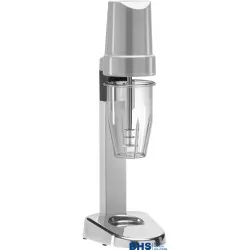
Article number: FP1P
A high-speed countertop mixer built for rapid emulsification, blending and aeration of small batches..
Is available
229.00€
with VAT: 277.09€
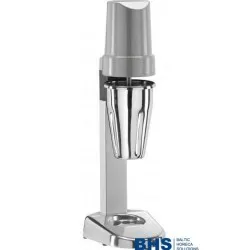
Article number: FP1L
A high-speed countertop mixer drives a small beater or whisk at thousands of revolutions per minute,..
Is available
239.00€
with VAT: 289.19€
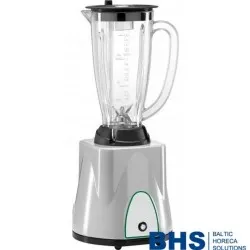
Article number: FR150P
The FIMAR FR150P is a blender. It is part of FIMAR's range of bar equipment and kitchen blenders.
A ..
Is available
299.00€
with VAT: 361.79€

Article number: FT901MD
A soundproof blender built to run in open kitchens without disrupting service. The motor spins the b..
Is available
299.00€
with VAT: 361.79€
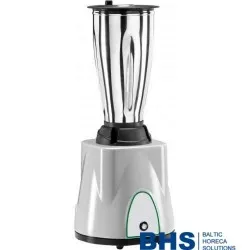
Article number: FR150L
The FIMAR FR150 L is a blender fr. It is suitable for bar equipment and kitchen blender applications..
Is available
389.00€
with VAT: 470.69€
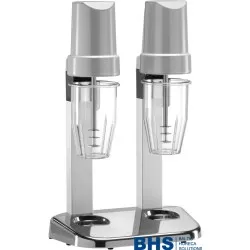
Article number: FP2P
The FIMAR FP2P is a mixer of the mixer fp type, suitable for bar equipment and kitchen blenders.
A m..
Is available
449.00€
with VAT: 543.29€
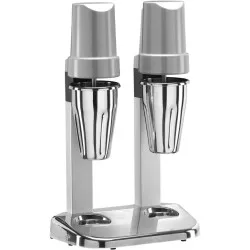
Article number: FP2L
This high-speed mixer features two independent stainless-steel bowls, each driven at a fixed rate of..
Is available
459.00€
with VAT: 555.39€
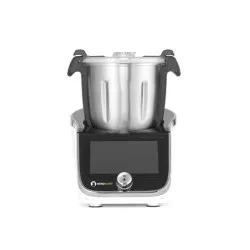
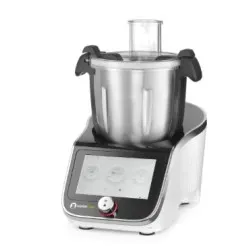
Article number: 221761
The HENDI HENDICHEF is a multifunction device designed for professional kitchen use. This unit, arti..
Is available
465.00€
with VAT: 562.65€
Article number: FR200P
A countertop blender built for continuous duty in professional kitchens, the FIMAR FR200P uses a hig..
Is available
519.00€
with VAT: 627.99€
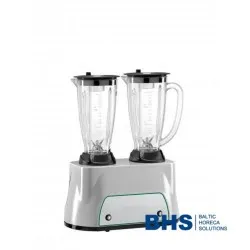
Article number: FR2150P
A professional blender built for high-speed, simultaneous blending of two batches, the FIMAR FR2150P..
Is available
579.00€
with VAT: 700.59€
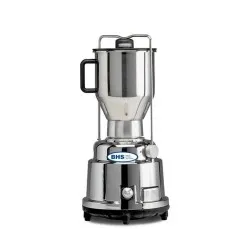
Article number: FR2093
The VEMA FR2093 is a blender fr suitable for bar and kitchen use. It features a transparent jug.
A b..
Is available
659.00€
with VAT: 797.39€
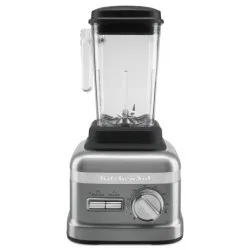

Article number: 5KSBC1B0ECU
A commercial blender built to create ultra-smooth blends by generating a powerful vortex of ingredie..
Is available
701.65€
with VAT: 849.00€
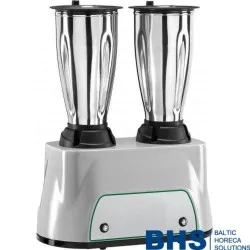
Article number: FR2150L
The FIMAR FR2150 L is a professional blender designed for use in bars and kitchens. This appliance i..
Is available
749.00€
with VAT: 906.29€
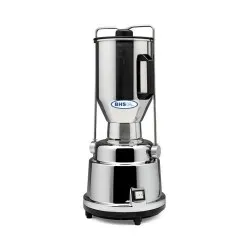
Article number: FR2010
The VEMA FR2010 is a blender, specifically designed for professional use. Blenders of this type oper..
Is available
749.00€
with VAT: 906.29€

Article number: FC2084
The VEMA FC2084 is a cutter blender, designed for professional use. It is listed in the catalogue un..
Is available
1,099.00€
with VAT: 1,329.79€