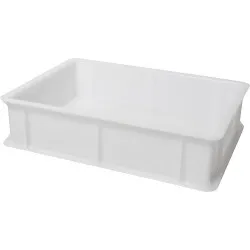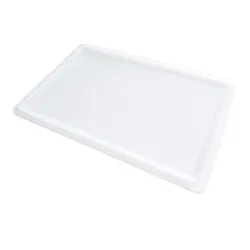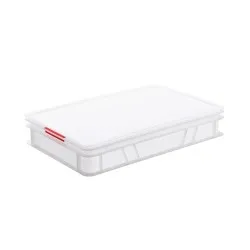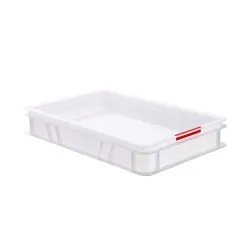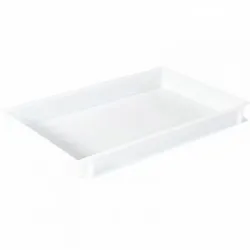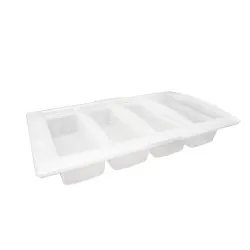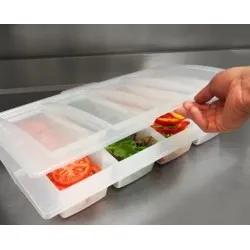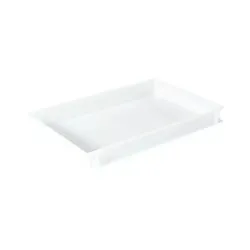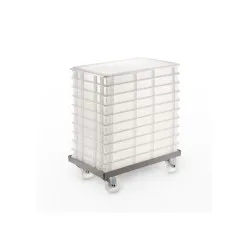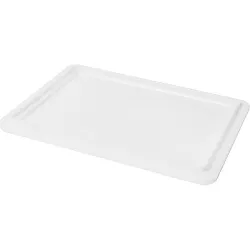
Dough containers are specialised containers for storing, proofing and portioning pizza dough, bread dough and other leavened doughs in pizzerias, bakeries, patisseries and other HoReCa businesses across Europe, where the regular and hygienic handling of leavened doughs is a central part of the workflow. Professional dough containers differ from ordinary kitchen containers with their hermetically sealable lids, precise volume markings, durable food-safe plastic or stainless-steel construction, and storage optimisation in refrigerators or kitchen environments. BHS offers dough containers as part of a wide range of Pizza Bags, Peels and Accessories for HoReCa businesses.
BHS specialists help you choose the most suitable dough containers based on the type of dough, volume and storage conditions. Also explore Pizza Pans, Pizza Peels and Pizza Boards.
Dough containers are a critical piece of equipment for any pizzeria or bakery: they ensure the correct storage conditions for leavened dough, prevent contamination and allow precise portioning of dough during preparation. Properly selected dough containers improve dough quality, work efficiency and kitchen hygiene standards.
Types and materials of dough containers
Professional dough containers are available in various materials and designs to suit the type of dough and workflow requirements. Food-safe plastic (PP or PE) containers are lightweight, durable, transparent or opaque, with a hermetic or simple lid; the most common material for pizza dough containers. Stainless-steel containers are premium dough containers with excellent hygiene and durability, suitable for high-use bakeries. Polypropylene GN standard containers are standardised dough containers compatible with GN shelving and kitchen equipment. Hermetic lids protect dough from air, prevent drying and contamination during storage. Transparent walls allow you to monitor the proofing progress without opening the lid. Also explore Pizza Pans for pizza baking.
Volumes and portioning
The choice of dough container volume is based on production volume and the dough portioning system in the pizzeria or bakery. Small-volume containers (0.5–2 l) are suitable for proofing individual dough balls in the refrigerator, with one container per pizza. Medium-volume containers (2–10 l) are suitable for dividing and proofing large batches of dough or storing dough portions in small bakeries. Large-volume containers (10–30 l and more) are for the initial proofing or preparation of large batches of dough before portioning. Volume markings are precise graduations inside or outside the container, allowing you to accurately track the amount of dough and proofing progress. Stackable containers are flat, uniform-sized containers that can be stacked to optimise space in the refrigerator or on shelves.
Proofing and storing pizza dough
The correct use of dough containers directly affects the quality of pizza dough proofing and the final product’s flavour. Cold proofing is the slow proofing of dough in the refrigerator (4–48 hours), which is the basis for high-quality Neapolitan-style pizza; dough containers protect the dough from air and drying during cold proofing. Room-temperature proofing is faster proofing (1–4 hours) before pizza preparation; hermetic containers prevent a crust from forming on the dough’s surface. Dough division is weighing and dividing the dough into individual portions according to pizza size after proofing; precise volume containers make this process easier. Dough ball storage is storing individual containers with dough balls in the refrigerator until baking. Also explore Pizza Screens and Pizza Peels.
Hygiene and HACCP compliance
Maintaining the hygiene of dough containers is essential to ensure HACCP compliance in food production and HoReCa businesses. Regular cleaning is washing dough containers after each use with hot water and food-safe cleaning agents. Disinfection is regular disinfection with appropriate agents to prevent mould and bacterial growth. Lid cleaning is checking and cleaning hermetic lids to maintain a proper seal. Food-safe plastic is BPA-free plastic approved for contact with food. Also explore Brushes for Oven Cleaning to maintain overall pizzeria hygiene.
HoReCa use scenarios
A pizzeria using the cold-proofing method uses individual dough containers for each dough ball to ensure optimal proofing conditions in the refrigerator for 24–48 hours, improving the pizza dough’s flavour and texture. A bakery with various types of dough uses different-sized dough containers to ensure the correct storage conditions for each type of dough. A patisserie uses dough and cream containers for hygienic, convenient and HACCP-compliant storage of ingredients.
Frequently asked questions
Can dough containers be washed in a dishwasher? For most food-safe plastic models, yes; check the specifications of the particular model. Contact the BHS team. Explore Pizza Pans.
What volume is needed for each pizza dough ball? A standard 0.5–1 l is sufficient for proofing space per ball. Contact BHS. Also explore Pizza Boards.
Why choose BHS?
BHS – Baltic HoReCa Solutions supplies professional equipment for restaurants, cafés, hotels and canteens: more than 20,000 products from many manufacturers. Our specialists help you choose the right equipment and spare parts for your kitchen or bar.
Delivery
We deliver across the European Union. Delivery time and cost depend on the order volume and destination — contact the BHS team for an exact price and lead time.