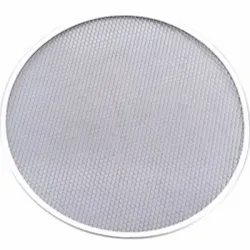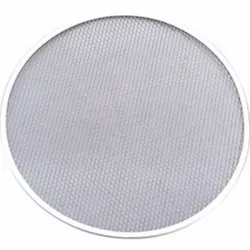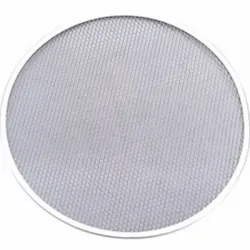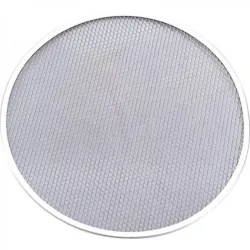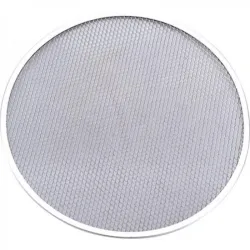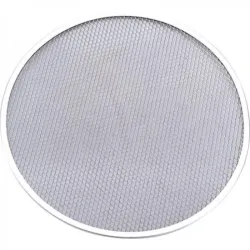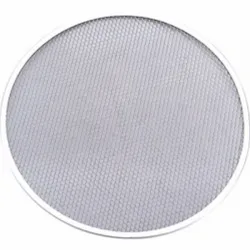
Pizza Screens are professional stainless steel or aluminium mesh constructions that serve as the base for baking pizzas, replacing solid pizza pans when maximum air circulation from beneath the pizza dough is needed for crispiness in pizzerias, restaurants and other HoReCa businesses across Europe. The mesh structure allows heat and air to circulate freely through the entire underside of the pizza, ensuring an even and crispy result without direct contact with a solid, unventilated surface. Pizza Screens are a popular solution in pizzerias where pizza is baked in the classic Italian style with a thin, crispy base. BHS offers Pizza Screens as part of the Pizza Bags, Peels and Accessories range for HoReCa businesses.
BHS specialists help choose the most suitable screen based on the oven type and desired baking result. Also explore Pizza Pans, Pizza Peels and Pizza Bags.
Pizza Screens are the ideal solution for pizzerias where a crispy, lightly baked pizza base is a standard part of the menu. Unlike solid pizza pans, the mesh surface ensures full air access to the pizza base from underneath, allowing moisture to evaporate and providing an even, crispy texture without drying out the dough.
Pizza Screen materials and construction
Professional Pizza Screens are available in various materials and mesh structures. Aluminium pizza screens are lightweight, with good heat transfer, economical and widely used in pizza restaurants. Stainless steel pizza screens are more durable, with a longer service life and higher corrosion resistance, suitable for intensive use environments. The mesh size (aperture) — a finer mesh structure provides better support for the dough and reduces the risk of toppings falling through; a coarser mesh allows better air circulation. Screen depth — flat screens are ideal for classic Italian pizza, while deeper screens are for thicker dough pizzas with a higher edge. Frame strength — a more robust frame ensures the screen’s shape stability under intensive use conditions. Also explore Pizza Pans for an alternative baking solution.
Sizes and standardisation
Pizza Screens are available in various standard sizes to match the pizza sizes offered by the pizzeria. Small screens (20–24 cm) for individual portion pizzas or children’s meals. Medium screens (26–30 cm) for standard-sized pizzas in most pizzerias. Large screens (32–36 cm) for large pizzas and family portions. Jumbo-sized screens (38 cm and larger) for event buffet pizzas and catering offers. A consistent size set — pizzerias are advised to purchase screens of one size in a single set to ensure a consistent baking result. Also explore Pizza Peels in the appropriate size for handling screens.
Use and baking technique
Proper use of a Pizza Screen ensures an optimal baking result in the pizzeria. Oiling before use — a thin layer of oil or a non-stick coating prevents the dough from sticking to the screen surface. Placing the dough — the dough is placed directly onto the screen, which is already at hand before baking. Baking directly on the oven shelf or stone — the screen’s thin construction allows the pizza base to come into direct contact with the oven’s heat source. Cutter — after baking, the pizza is sliced directly on the screen or transferred to a board for cutting; explore Pizza Boards. Also explore Brushes for Oven Cleaning for oven maintenance.
Maintenance and cleaning
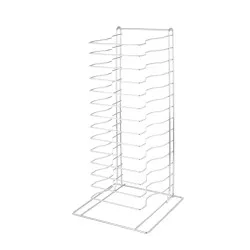
Regular cleaning and proper care of Pizza Screens extend their service life and maintain baking quality. Oil and dough residue — after each baking, the screen may accumulate dough and oil residue. Cleaning with a brush — used screens are cleaned with a special brush, avoiding water; dry brushing is suitable for screen cleaning. Some models can be washed — aluminium or stainless steel screens with a durable construction can be washed in a dishwasher or by hand with warm water and a non-abrasive cleaning agent. Screen inspection — the screen’s integrity should be checked regularly; dented or deformed screens should be replaced, as a damaged screen can bake the dough unevenly. Proper storage — store flat in a stack or on a special rack to maintain shape.
HoReCa usage scenarios
An Italian pizzeria with a classic thin pizza offering — Pizza Screens as the main baking surface for authentic Neapolitan-style baking with a crispy base. A restaurant with a varied pizza menu — a combination of screens and solid pans for different pizza styles and base texture results. A fast-food pizzeria with a high pizza volume — durable aluminium screens as an efficient and economical solution for large-scale pizza baking.
Frequently asked questions
Is a screen or a pan better for pizza? A screen for a crispier, thin pizza; a pan for thicker dough or softer base pizzas. Explore Pizza Pans for comparison.
How to clean an aluminium pizza screen? Clean with a dry or slightly damp brush after baking; avoid soaking in water. Contact the BHS team. Also explore Pizza Bags for delivery.
Why choose BHS?
BHS – Baltic HoReCa Solutions supplies professional equipment for restaurants, cafés, hotels and canteens: more than 20,000 products from many manufacturers. Our specialists help you choose the right equipment and spare parts for your kitchen or bar.
Delivery
We deliver across the European Union. Delivery time and cost depend on the order volume and destination — contact the BHS team for an exact price and lead time.