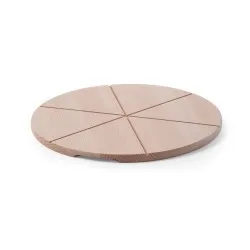
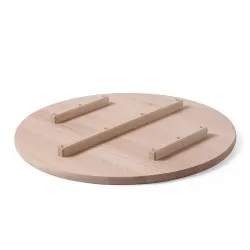
Pizza Boards are an important element of the pizza serving experience in pizzerias and restaurants — they influence not only the functionality for slicing pizza, but also the visual aesthetics and the impression created for guests. A properly chosen pizza board enhances serving quality, reduces tableware use and provides an authentic pizzeria atmosphere.
Pizza Board Materials and Types
Professional pizza boards are available in various materials to suit the pizzeria concept and hygiene requirements. Wooden boards — a traditional and aesthetically appealing material, often used in Italian-style pizzerias with authentic serving; acacia, bamboo and other dense wood types. Bamboo boards — an eco-friendly, dense and water-resistant material, suitable for slicing pizza with greater durability against moisture. Plastic (PE or PP) boards — more hygienic and easier to disinfect than wooden models, available in a HACCP compliant colour-coding system, more suitable for classic canteens. Melamine boards — durable, easy-to-clean and aesthetically appealing serving plates for pizza presentation. Granite or stone boards — high-end aesthetic solutions for premium restaurants. Also check out Pizza Peels for placing and removing pizza from the oven.
Sizes and Shapes
The pizza board size should match the standard pizza size in the pizzeria to ensure convenient slicing and serving. Round boards (30–45 cm in diameter) — the traditional shape for round pizza; diameter with a 2–3 cm margin larger than the pizza diameter. Rectangular boards — suitable for slicing and serving rectangular or Sicilian-style pizza. Wooden cutting boards with juice grooves — with a rimmed edge or side retaining lip to prevent pizza juices from spilling off the board. Boards with handles — for easier serving and carrying from the kitchen to the table. Boards of various thicknesses — thicker boards are more durable for intensive slicing, thinner ones are lighter to carry. Also check out Pizza Pans.
Hygiene and HACCP Compliance
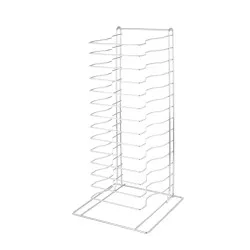
Board hygiene is a critical part of meeting food safety requirements in pizzerias and restaurants. Wooden boards — wash with warm water and a non-abrasive cleaning agent, not in a dishwasher; must be completely dried before storage. Plastic boards — dishwasher-safe at high temperatures, which is also recommended for regular disinfection. HACCP colour coding — some pizzerias use different coloured boards for different product types (e.g., prepared pizza and unprocessed dough) to reduce cross-contamination risk. Regular visual inspection — damaged or cracked boards, where bacteria can accumulate, must be replaced. Proper storage — vertically in a stand or on a rack to ensure air circulation around the board surfaces. Also check out Brushes for Oven Cleaning.
HoReCa Usage Scenarios
Italian-style pizzeria with an authentic concept — wooden or bamboo boards for serving pizza directly from the oven to the table, creating a visually appealing and authentic dining experience. Modern restaurant with pizza offerings — premium wooden boards with engraved company logo as a brand identity element. Fast food pizzeria — durable plastic boards with a HACCP compliant hygiene system for intensive daily use with high turnover.
Frequently Asked Questions
Which material is more hygienic — wood or plastic? Plastic is easier to disinfect and more HACCP compliant; wood is more aesthetically appealing. The choice depends on the concept. Check out Pizza Pans.
Can a rolling pizza cutter be used on a wooden board? Yes — wood is suitable for double-sided cutting knives; check if the cutting blade is appropriate for the specific board material. Also check out Pizza Bags.
Why choose BHS?
BHS – Baltic HoReCa Solutions supplies professional equipment for restaurants, cafés, hotels and canteens: more than 20,000 products from many manufacturers. Our specialists help you choose the right equipment and spare parts for your kitchen or bar.
Delivery
We deliver across the European Union. Delivery time and cost depend on the order volume and destination — contact the BHS team for an exact price and lead time.