More from this brand
Technical data
| Attributes | |
| ARTICLE | 13970 |
| WEIGHT | 0.2 kg |
FSC890
- : Tefcold SpareParts
- Article number: 13970
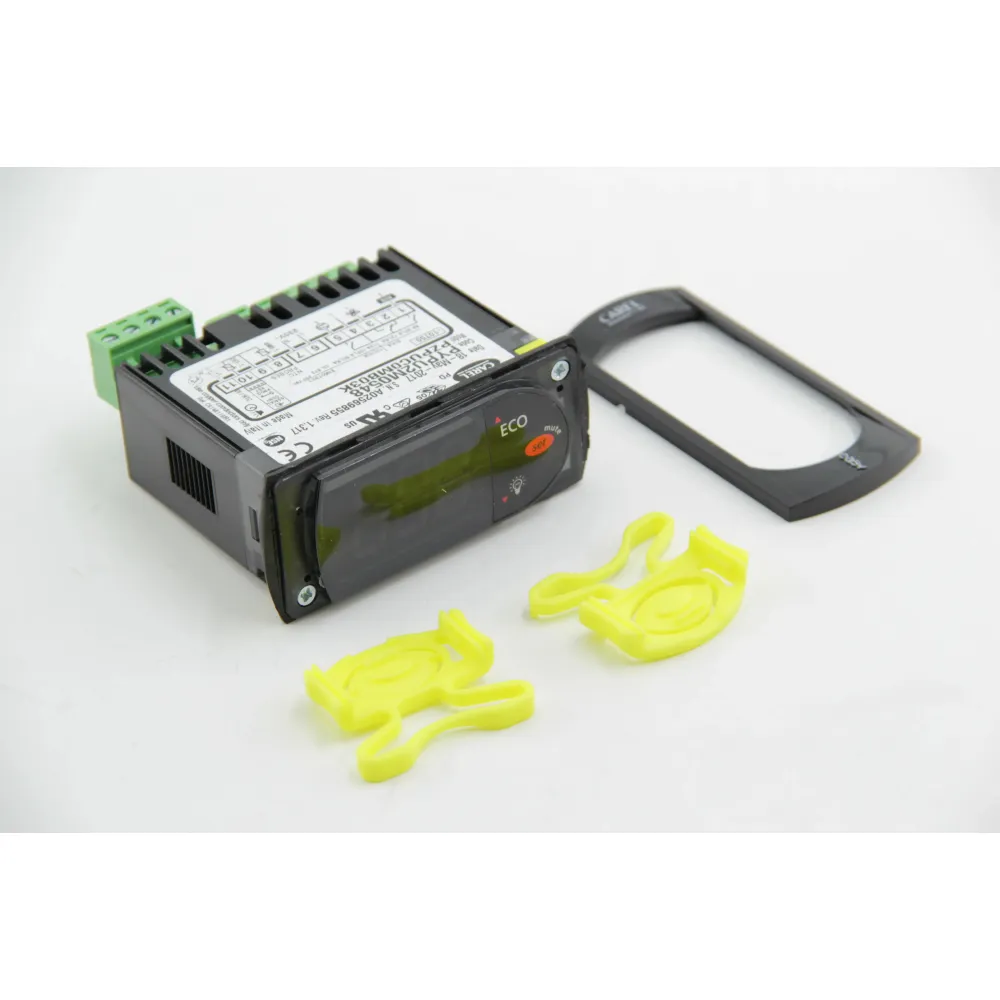
A thermostat regulates the temperature inside catering equipment by switching heating or cooling elements on and off at set points. In refrigeration units, it senses the internal air and cuts power to the compressor once the target is reached, then restarts it when the temperature rises again. In ovens and heated cabinets, the same principle reverses: the element stays on until the thermostat detects the programmed level, then cycles off to prevent overheating. The Carel PZPU thermostat is designed for this continuous, precise control, ensuring consistent conditions without manual adjustment.
The operator sets the desired temperature on the thermostat's dial or digital interface, if present. Once installed, the unit monitors the environment continuously, activating or deactivating the connected system as needed. No further intervention is required beyond periodic checks to confirm the temperature remains stable and within the expected range.
As a spare part, the Carel PZPU thermostat fits a range of professional catering appliances where temperature control is critical. It is commonly used in refrigerated counters, blast chillers, heated holding cabinets, and combi ovens from various manufacturers. Installation requires matching the thermostat's electrical rating to the equipment's supply and securing it in the designated mounting location, typically within the control panel or near the sensor probe.
The thermostat's role is to maintain the exact conditions required for food safety, cooking consistency, or storage compliance. Its accuracy and responsiveness directly affect the performance of the appliance it controls, making it a key component in professional kitchens where temperature fluctuations can compromise quality or safety.
Cleaning and maintenance involve ensuring the sensor remains free of dust or grease, which could interfere with its readings. The thermostat itself is not user-serviceable beyond basic checks, and any faults typically require replacement rather than repair.