

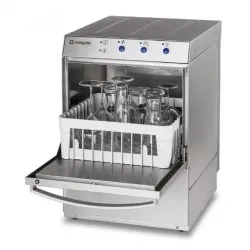
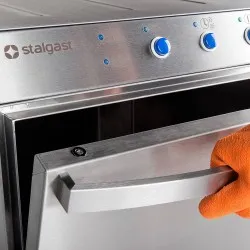
Article number: 801352
A glassware dishwasher built for speed and hygiene in professional bars and cafés. Hot water jets fr..
Is available
765.45€
with VAT: 926.19€
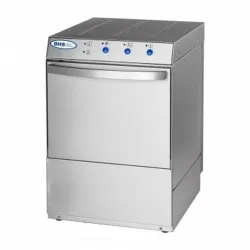
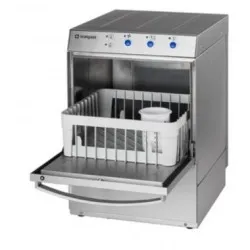
Article number: 801350
A glassware washer cleans and sanitises by spraying hot water through rotating arms under pressure. ..
Is available
810.00€
with VAT: 980.10€
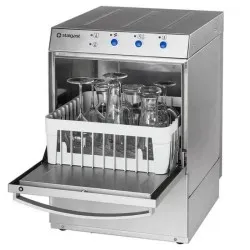
Article number: 801402
This Stalgast 801402 is a professional dishwasher designed specifically for glassware. It operates u..
Is available
835.72€
with VAT: 1,011.22€
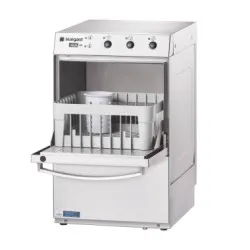
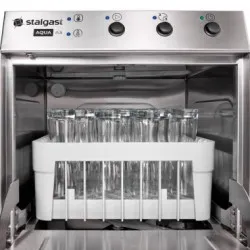
Article number: 801351
A dedicated glassware dishwasher removes residues from glasses, cutlery and small plates without the..
Is available
863.53€
with VAT: 1,044.87€
Article number: 801400
A glassware washer built for the pace of professional bars and cafés removes residues, sanitises and..
Is available
870.48€
with VAT: 1,053.28€
Article number: 801401
A dedicated glassware dishwasher designed for bars, cafés and small catering operations that need sp..
Is available
943.45€
with VAT: 1,141.57€
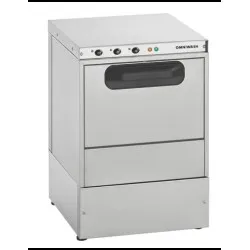
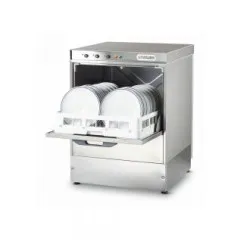
Article number: E50
A commercial under-counter dishwasher built to clear a full 500 mm square basket in a single 120-sec..
Is available
1,179.00€
with VAT: 1,426.59€
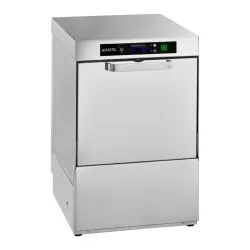
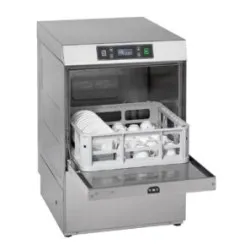
Article number: FK38ESI
A glass dishwasher designed for frequent, gentle cleaning of barware and small tableware in professi..
Is available
1,199.00€
with VAT: 1,450.79€
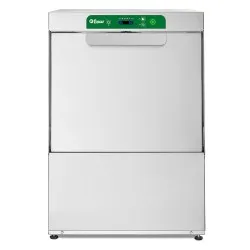
Article number: LABI35N
This glasswasher sanitises glassware by circulating hot water through rotating arms, removing residu..
Is available
1,220.00€
with VAT: 1,476.20€
Article number: FK40ESI
A glasswasher built for the pace of a busy bar or café, the KASTEL FK40ESI cleans and sanitises glas..
Is available
1,239.00€
with VAT: 1,499.19€
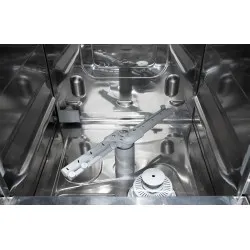
Article number: FK35ESI
The KASTEL FK 35 ESI is a professional dishwasher designed specifically for washing glasses, cups, p..
Is available
1,289.00€
with VAT: 1,559.69€
-250x250h.webp "Glasswasher OMNIWASH E35")
Article number: E35
The OMNIWASH EASY 35 is a professional dishwasher, article number E35. It is suitable for washing gl..
Is available
1,369.00€
with VAT: 1,656.49€
Article number: LABI35PLN
A glasswasher cleans and sanitises glassware by spraying hot detergent solution and then hot rinse w..
Is available
1,389.00€
with VAT: 1,680.69€
Article number: LABI40N
A glasswasher removes residues from glassware by spraying hot water under pressure, then rinsing wit..
Is available
1,399.00€
with VAT: 1,692.79€
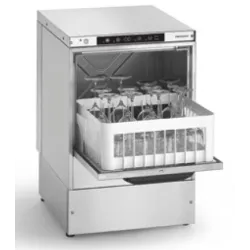
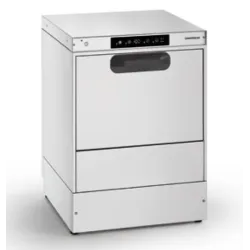
Article number: S35
This under-counter dishwasher handles a full load of dishes, glasses or cutlery in two to four minut..
Is available
1,459.00€
with VAT: 1,765.39€
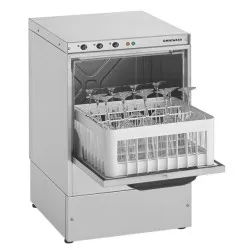
Article number: E40
The OMNIWASH EASY 40 is a professional dishwasher, article E40. This appliance is designed for comme..
Is available
1,479.00€
with VAT: 1,789.59€
Article number: LABI40PLN
A glasswasher removes residues from glassware by directing hot water through rotating arms under pre..
Is available
1,529.00€
with VAT: 1,850.09€
Article number: S40 Smart
The OMNIWASH SMART 40 is a compact dishwasher tailored for busy catering environments. It handles pl..
Is available
1,559.00€
with VAT: 1,886.39€
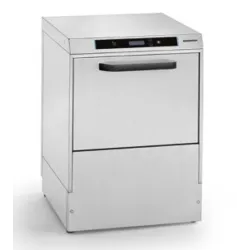
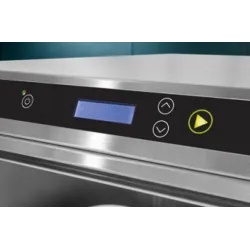
Article number: P40
A commercial under-counter dishwasher that cleans and sanitises tableware in a single cycle by combi..
Is available
1,659.00€
with VAT: 2,007.39€
Article number: E50T
The OMNIWASH EASY 50T is a professional dishwasher designed for commercial use.
This type of dishwas..
Is available
1,799.00€
with VAT: 2,176.79€
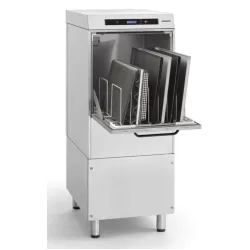
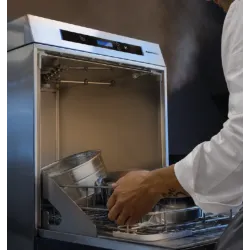
Article number: P80
The OMNIWASH PRESTIGE 80 is a professional dishwasher, article P80, from the OMNIWASH brand.
Dishwas..
Is available
3,279.00€
with VAT: 3,967.59€
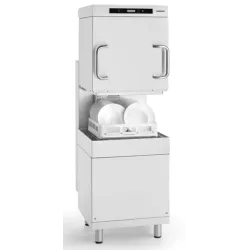
Article number: P60
The OMNIWASH PRESTIGE 60 is a commercial dishwasher, article P60, from the OMNIWASH brand.
This appl..
Is available
3,319.00€
with VAT: 4,015.99€