

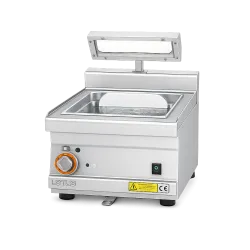
Article number: 16040410
A fry dump maintains the serving temperature of fried foods without steaming them soggy. An infrared..
Is available
999.00€
with VAT: 1,208.79€
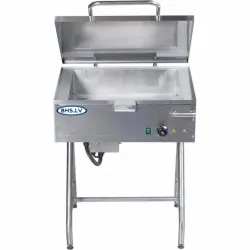
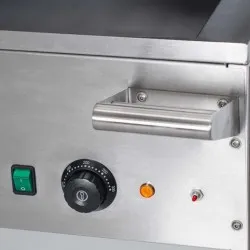
Article number: 778002
A tilting electric pan heats a large, flat bowl with an embedded element, letting chefs fry, braise,..
Is available
1,099.00€
with VAT: 1,329.79€
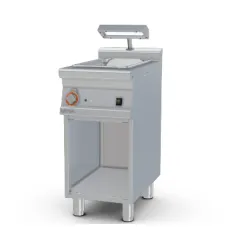
Article number: 08040410
A fry dump unit holds fried food at serving temperature without overcooking or drying it out. Instea..
Is available
1,559.00€
with VAT: 1,886.39€
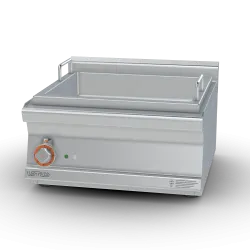
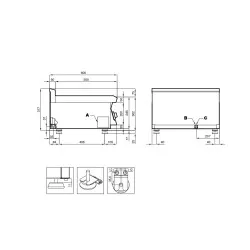
Article number: 16070630
A bratt pan combines the functions of a tilting fryer, a griddle and a shallow braising pan in one f..
Is available
1,569.00€
with VAT: 1,898.49€
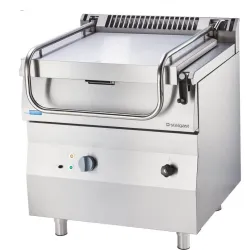
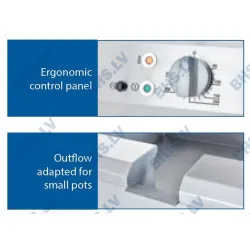
Article number: 9740000
A bratt pan combines a deep, heated work surface with a tilting bowl to hold liquids and solids toge..
Is available
2,328.75€
with VAT: 2,817.79€
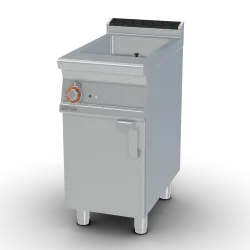
Article number: 08070433
A fixed electric braising pan heats a shallow stainless-steel bowl with embedded elements, transferr..
Is available
2,389.00€
with VAT: 2,890.69€
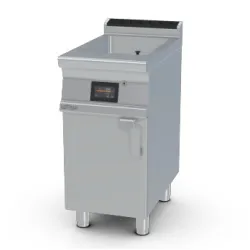
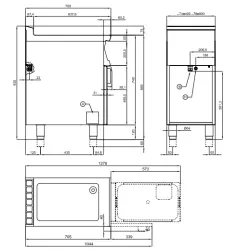
Article number: 0807A433
A fixed braising pan heats a shallow stainless-steel bowl from below, circulating warmth evenly thro..
Is available
2,889.00€
with VAT: 3,495.69€
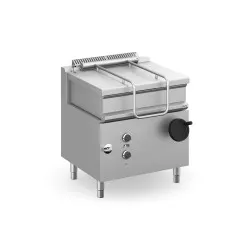
Article number: MBRE78A
A tilting electric pan distributes heat evenly across a broad, shallow stainless steel tank, allowin..
Is available
3,319.00€
with VAT: 4,015.99€
/BHS-GP1151-080EV+S00%20(2)-250x250w.webp "Electric deep fryer BHS-G GP1151-080EV+S00")
/BHS-GP1151-080EV+S00%20(1)-250x250w.webp "Electric deep fryer BHS-G GP1151-080EV+S00")
Article number: GP1151-080EV+S00
A 60 litre electric deep pan built for continuous frying and gentle stewing in professional kitchens..
Is available
3,419.00€
with VAT: 4,136.99€
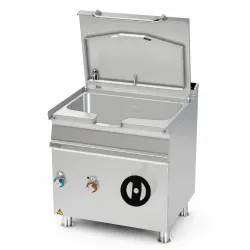
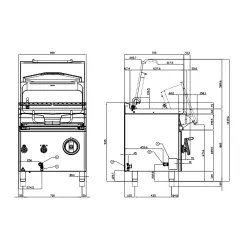
Article number: 08130830
A deep bratt pan combines the functions of a frying pan, griddle, braising pan and stockpot in one l..
Is available
3,579.00€
with VAT: 4,330.59€
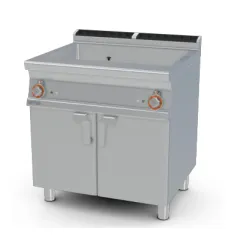
Article number: 08070833
The LOTUS BRF-78ET is a multi-function fixed electric braising pan. A braising pan operates by heati..
Is available
3,679.00€
with VAT: 4,451.59€
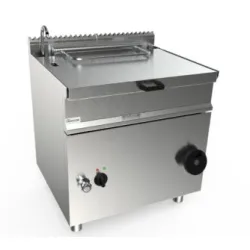
Article number: L7/BREI50M
A bratt pan combines a deep, tilting cooking vessel with a heating element beneath, allowing chefs t..
Is available
3,699.00€
with VAT: 4,475.79€
Article number: 08130830X
A deep bratt pan heats a large, shallow stainless-steel bowl with an electric element beneath a thic..
Is available
3,969.00€
with VAT: 4,802.49€
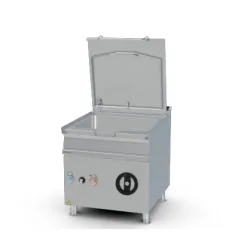
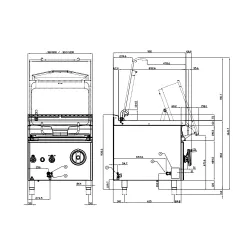
Article number: 09130830
A deep bratt pan combines the functions of a frying surface, a braising pan and a stockpot in one he..
Is available
4,129.00€
with VAT: 4,996.09€
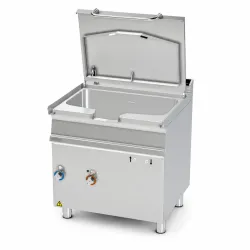
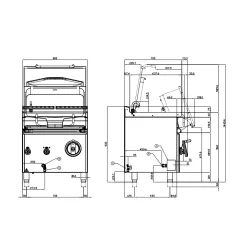
Article number: 08130831
A deep electric bratt pan heats a large, shallow stainless-steel bowl from below, spreading heat eve..
Is available
4,179.00€
with VAT: 5,056.59€
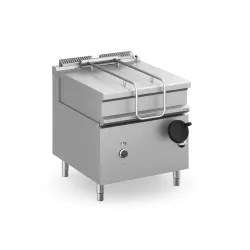
Article number: MBRE98A
A tilting electric pan heats a large, shallow stainless-steel tank with armoured elements fixed to i..
Is available
4,229.00€
with VAT: 5,117.09€
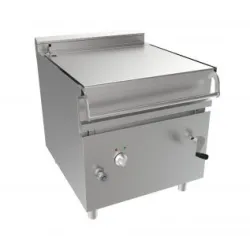
Article number: LQ/BREI80M
A bratt pan combines the functions of a frying pan, braising pan, griddle and stockpot in one large,..
Is available
4,369.00€
with VAT: 5,286.49€
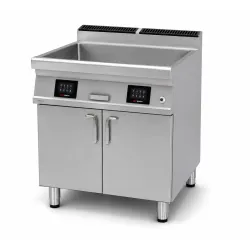
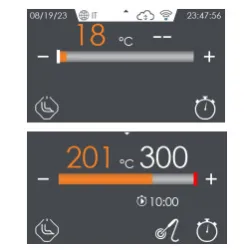
Article number: 0807A833
A fixed electric braising pan heats a shallow stainless-steel bowl from below, circulating warmth ev..
Is available
4,399.00€
with VAT: 5,322.79€
Article number: 08130831X
A deep bratt pan combines the functions of a frying surface, a braising vessel and a shallow stockpo..
Is available
4,469.00€
with VAT: 5,407.49€
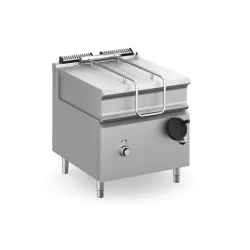
Article number: BRE98A
The MBM DOMINA PRO 900 is an electric deep pan, identified by article code BRE98 A. It is designed f..
Is available
4,599.00€
with VAT: 5,564.79€
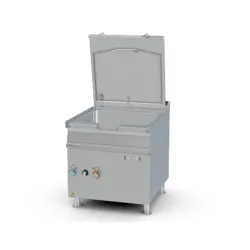
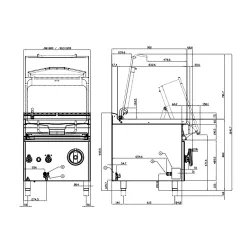
Article number: 09130831
This electric deep bratt pan merges the roles of a fryer, braising pan and stockpot into one heated ..
Is available
4,749.00€
with VAT: 5,746.29€
-250x250h.webp "Electric deep fryer BHS-G GP1261-080GV+S00")
-250x250h.webp "Electric deep fryer BHS-G GP1261-080GV+S00")
Article number: GP1261-080GV+S00
A tilting bratt pan combines the functions of a frying surface, braising pan and stockpot in one mob..
Is available
4,949.00€
with VAT: 5,988.29€
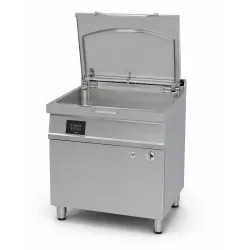
Article number: 0813A831
A tilting bratt pan combines a deep, flat cooking surface with a mechanism that tips the entire bowl..
Is available
4,989.00€
with VAT: 6,036.69€
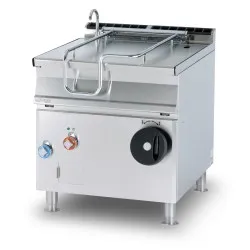
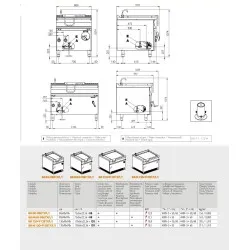
Article number: 09070835X
A braising pan combines a shallow, wide cooking surface with a tight-fitting lid to hold steam. The ..
Is available
5,119.00€
with VAT: 6,193.99€
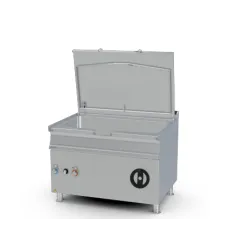
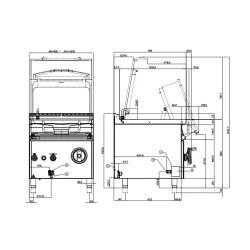
Article number: 09131230X
A deep bratt pan combines the functions of a fryer, griddle, braising pan and stockpot in a single h..
Is available
5,159.00€
with VAT: 6,242.39€
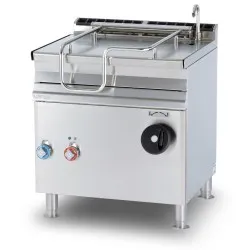
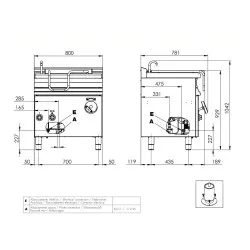
Article number: 08070835X
A braising pan heats a large, shallow vat of liquid or fat indirectly through a water-filled jacket ..
Is available
5,209.00€
with VAT: 6,302.89€
-250x250w.webp "Electric deep fryer CASTA LQ/BREI80A")
Article number: LQ/BREI80A
A tilting bratt pan combines a deep, flat cooking surface with a pivoting mechanism that lets the op..
Is available
5,339.00€
with VAT: 6,460.19€
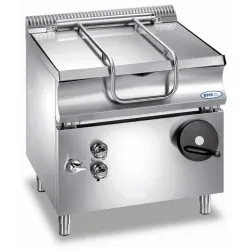
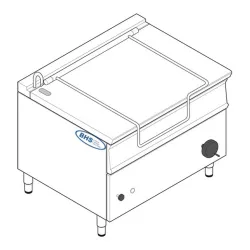
Article number: 316105
The TECNOINOX B12FAE9 is an electric bratt pan with a 120-litre capacity. This appliance is designed..
Is available
5,999.00€
with VAT: 7,258.79€
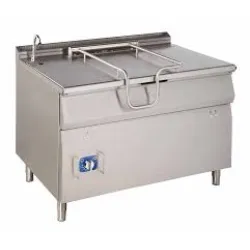
Article number: GP1261-120GV+S00
A tilting bratt pan combines a deep, flat cooking surface with a pivoting mechanism, allowing chefs ..
Is available
6,109.00€
with VAT: 7,391.89€
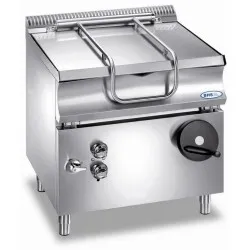
Article number: 316113
A bratt pan combines a deep, tilting fryer with a griddle and a braising pan in one mobile unit. Ele..
Is available
6,259.00€
with VAT: 7,573.39€
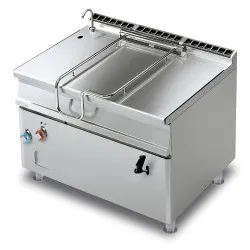
Article number: 09071235X
A braising pan heats a large, shallow vat of liquid or sauce indirectly through a surrounding water ..
Is available
6,740.00€
with VAT: 8,155.40€
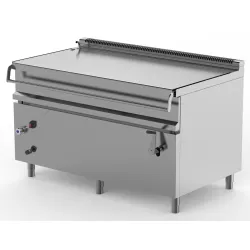
Article number: BR1E150I
A bratt pan combines the depth of a stockpot with the surface of a griddle, letting a kitchen braise..
Is available
7,769.00€
with VAT: 9,400.49€
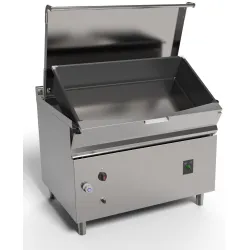
Article number: BR1E150I.M
A bratt pan combines a deep, tilting cooking vessel with even heat distribution to braise, stew, poa..
Is available
8,399.00€
with VAT: 10,162.79€
Article number: BR1E200I
The LOTUS BR1E200I is a large-capacity electric bratt pan designed for professional cooking.
Bratt p..
Is available
12,099.00€
with VAT: 14,639.79€
Article number: BR1E200I.M
A bratt pan combines the functions of a braising pan, fryer, griddle and stockpot in one large, tilt..
Is available
14,199.00€
with VAT: 17,180.79€
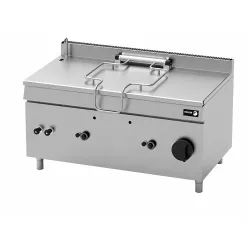
Article number: 19072695
A bratt pan combines the functions of a frying surface, a braising pan, a boiling kettle and a shall..
Is available
15,089.00€
with VAT: 18,257.69€
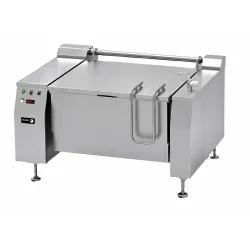
Article number: 19085087
A tilting bratt pan combines the functions of a griddle, fryer, braising pan and stockpot in a singl..
Is available
17,359.00€
with VAT: 21,004.39€
Article number: 19085076
This motorised bratt pan features a shallow, flat cooking surface that tilts to empty or transfer co..
Is available
22,099.00€
with VAT: 26,739.79€
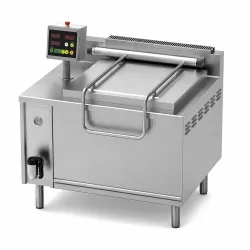
Article number: 19084250
A bratt pan combines the functions of a tilting braising pan, a deep fryer and a shallow griddle in ..
Is available
27,879.00€
with VAT: 33,733.59€
Article number: 19085085
A tilting bratt pan combines a deep, flat cooking surface with the ability to pour contents directly..
Is available
29,589.00€
with VAT: 35,802.69€
Article number: 19084251
A bratt pan combines the functions of a tilting braising pan, a griddle and a shallow fryer in one h..
Is available
41,599.00€
with VAT: 50,334.79€
Article number: 19085088
A tilting bratt pan combines a deep, flat cooking surface with the ability to pour contents directly..
Is available
53,599.00€
with VAT: 64,854.79€
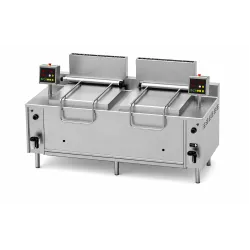
Article number: 19084256
A bratt pan combines the functions of a tilting fryer, a griddle, a braising pan and a stock pot in ..
Is available
53,879.00€
with VAT: 65,193.59€
Article number: 19085089
A bratt pan tilts to pour its contents without lifting, using a heated base that cooks food directly..
Is available
69,719.00€
with VAT: 84,359.99€
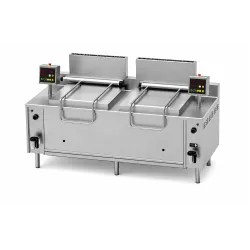
Article number: 19084257
A bratt pan combines a deep, tilting fry-pan with a pressure-cooker's sealed lid. Electric elements ..
Is available
73,429.00€
with VAT: 88,849.09€