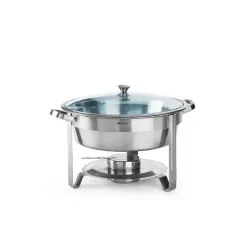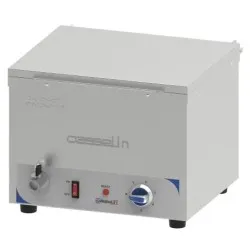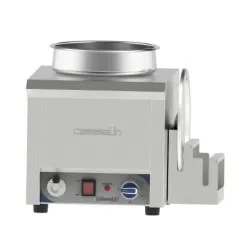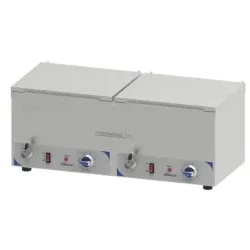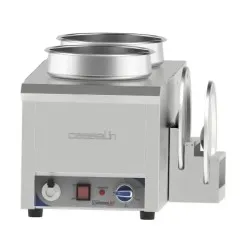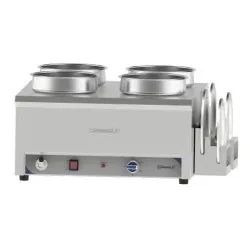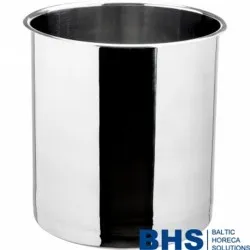
A soup kettle is professional heating equipment for maintaining the temperature of soups, porridge, sautés and other hot liquid dishes during service in restaurants, hotel buffets, canteens, cafés and other HoReCa businesses across Europe. The soup kettle ensures that prepared food remains warm and ready to serve throughout the entire shift without reheating, preserving product quality and food safety standards. Professional soup kettles are equipped with a thermoregulation system, an insulated body, a stainless steel container and a drainage tap for convenient workflow organisation. BHS offers soup kettles as part of the Chafing Dishes and Accessories range for HoReCa businesses.
BHS specialists help you choose the most suitable soup kettle based on capacity and heating type. Also explore electric soup kettles, electric chafing dishes and chafing dish heaters.
A soup kettle is the main tool for keeping hot dishes warm in self-service restaurants, hotel breakfasts and large-scale catering businesses. It allows soups to be prepared in advance, stored at the optimal temperature and served throughout working hours, ensuring consistent quality from the first to the last portion.
Types of soup kettles
Professional soup kettles are available in various designs and heating system options. Electric soup kettles feature a built-in electric heating element and thermostatic control for precise temperature maintenance without an open flame. Water bath-based kettles (bain-marie type) have the product container placed in a warm water bath, providing gentle, even ambient heat without the risk of burning. Induction soup kettles use induction heating, which quickly and precisely heats a small surface with high energy efficiency. Stationary buffet kettles are built-in or freestanding models for equipping a buffet table with a hot food zone. Portable kettles with lids have handles and a tightly sealing lid for easy transport from the kitchen to the serving area. Also explore electric soup kettles.
Capacity and serving capacity
The choice of soup kettle capacity depends on the size of the business and the duration of service. Small kettles (4–8 l) are suitable for cafés and small restaurants with a limited soup menu or daily soup rotation. Medium-capacity kettles (8–15 l) are ideal for restaurants with 30–60 seats and daily soup service during lunch. Large kettles (15–25 l or more) are designed for large canteens, hotel buffets and catering businesses with high portion demand. Multi-section systems consist of several small-capacity kettles in one buffet section for serving different soups and sautés simultaneously. The position of the tap opening—bottom tap or side opening—facilitates portioning with a ladle or serving spoon. Also explore electric chafing dishes.
Material, hygiene and maintenance
The choice of material for soup kettles affects their hygiene compliance with food safety requirements. A stainless steel container made of AISI 304 material provides a HACCP compliant food contact surface that is resistant to corrosion and bacteria. An insulated body features high-quality thermal insulation between the inner container and the outer body, reducing energy loss and maintaining the product’s temperature for longer. A drainage tap allows for easy complete emptying and cleaning of the kettle at the end of a shift. Ease of cleaning is ensured by a smooth stainless steel surface and rounded corners, making manual cleaning easier after each shift. Regular disinfection is essential as the soup kettle comes into contact with hot food all day; daily cleaning and disinfection ensure HACCP compliance. Also explore chafing dish heaters.
HoReCa usage scenarios
Hotel breakfast buffets offer a soup kettle for porridge or soup service in the morning, providing convenient self-service from 7:00 to 11:00 with stable warmth. A restaurant’s lunch menu may feature one or two soup kettles for daily soup and cream soup service in a buffet-style self-service setup, reducing staff workload. School or workplace canteens use large soup kettles with a 15–20 l capacity for serving hot lunches to hundreds of students or employees within a set time.
Frequently asked questions
What temperature does a soup kettle maintain? Typically, 70–95°C compliant hot holding for food safety requirements. Contact BHS.
Can a soup kettle also be used for sauces? Yes, a soup kettle is also suitable for thick sauces, sautés and porridge.
Why choose BHS?
BHS – Baltic HoReCa Solutions supplies professional equipment for restaurants, cafés, hotels and canteens: more than 20,000 products from many manufacturers. Our specialists help you choose the right equipment and spare parts for your kitchen or bar.
Delivery
We deliver across the European Union. Delivery time and cost depend on the order volume and destination — contact the BHS team for an exact price and lead time.