

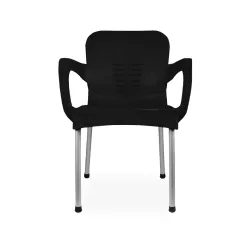
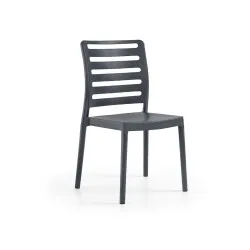
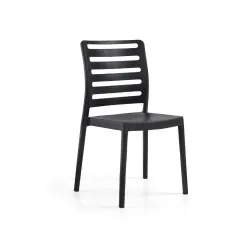
Article number: BistroBlack
A black outdoor bistro chair built for pavement cafés and al fresco dining areas. The open-frame des..
Is available
29.60€
with VAT: 35.82€
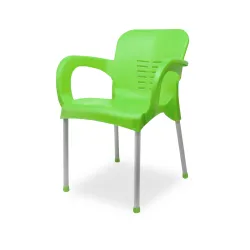
Article number: BistroGreen
This outdoor bistro chair offers practical seating for dining areas. Its design balances portability..
Is available
29.60€
with VAT: 35.82€
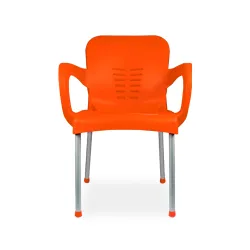
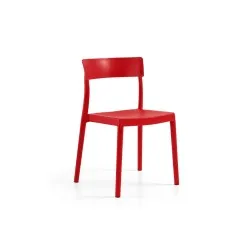
Article number: BistroOrange
A bistro chair supports quick table turnover in cafés, bars and event catering. The seat and backres..
Is available
29.60€
with VAT: 35.82€
-250x250h.webp "Café chair BHS-HoReCa BistroWhite")
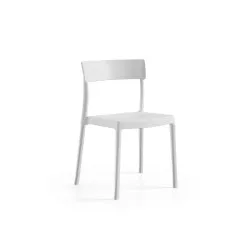
Article number: BistroWhite
A white outdoor bistro chair designed for cafés, bars and event catering where seating must be moved..
Is available
29.60€
with VAT: 35.82€
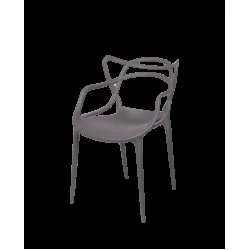
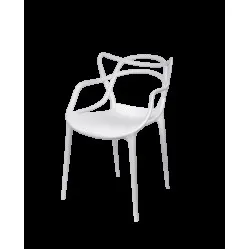
Article number: KKA/VEGAS.201/PU/STM
A chair built for frequent movement and compact storage, the VEGAS 201 relies on polypropylene's bal..
Is available
29.80€
with VAT: 36.06€
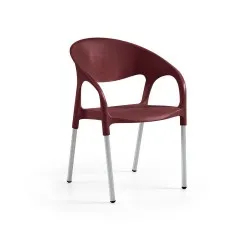
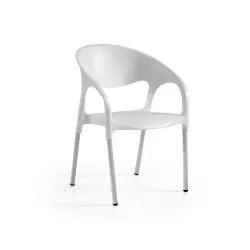
Article number: 3G-LunaChair
The BHS Chair Luna is designed for catering environments, offering height adjustment to suit various..
Is available
32.86€
with VAT: 39.76€
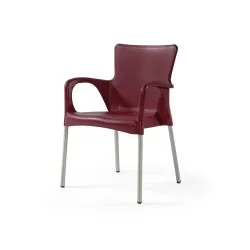
-250x250h.webp "Outdoor chair BHS-HoReCa 3G-VeraChair")
Article number: 3G-VeraChair
An armchair designed for the rest periods of professional catering staff, the BHS Armchair Vera prov..
Is available
32.86€
with VAT: 39.76€
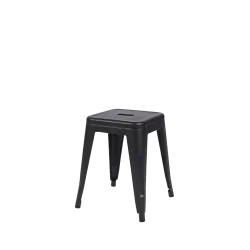
Article number: KL/T.PARIS100/BS/STM
A stacking chair built for frequent handling in professional dining spaces, the PARIS100 TOLIX model..
Is available
32.99€
with VAT: 39.92€
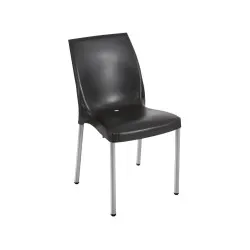
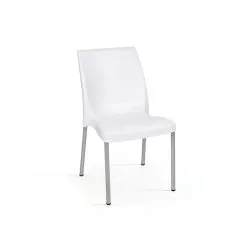
Article number: 3G-CindyChair
A chair designed for professional catering workstations must adapt to the varied tasks of food prepa..
Is available
35.14€
with VAT: 42.52€
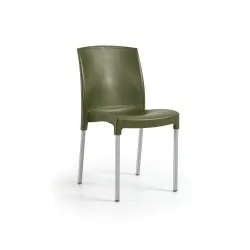
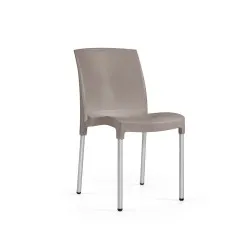
Article number: 3G-JennyChair
A chair jenny provides adjustable-height seating at catering workstations where staff stand for long..
Is available
36.86€
with VAT: 44.60€
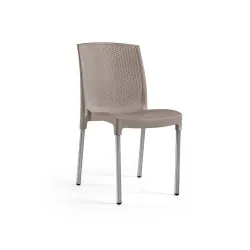
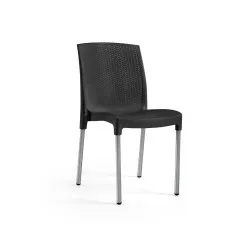
Article number: 3G-SilvyChair
This adjustable chair is designed to support users who need to switch between seated and standing ta..
Is available
36.86€
with VAT: 44.60€
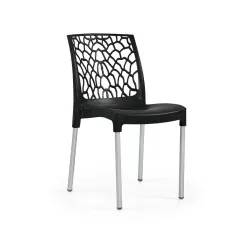
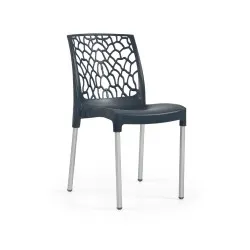
Article number: 3G-SophieChair
A chair designed for the demands of professional catering environments must balance mobility with st..
Is available
36.86€
with VAT: 44.60€
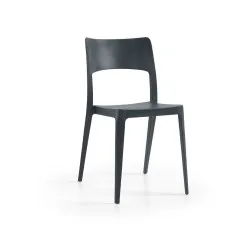
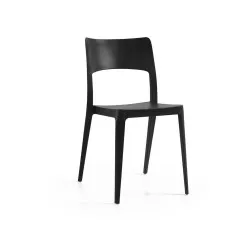
Article number: 3G-VanityChair
A vanity chair provides stable, adjustable seating at a salon or spa workstation, allowing the styli..
Is available
38.00€
with VAT: 45.98€
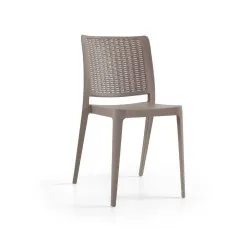
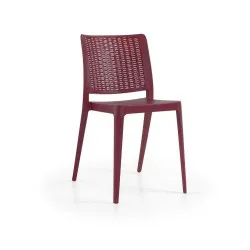
Article number: 3G-JuneChair
A worktop-height chair built for the demands of commercial kitchens, staff rest areas and front-of-h..
Is available
38.29€
with VAT: 46.33€
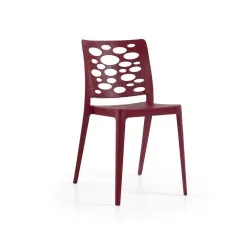
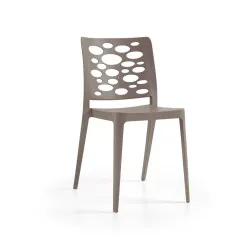
Article number: 3G-VenusChair
A chair built for the demands of a professional catering workstation, the BHS Chair Venus provides s..
Is available
38.29€
with VAT: 46.33€
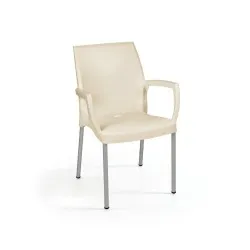
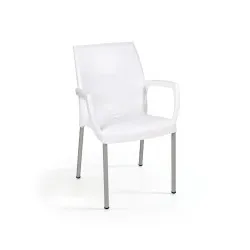
Article number: 3G-JadeChair
This chair adapts to various heights found in catering workstations, prep tables, and mobile trolley..
Is available
39.72€
with VAT: 48.06€
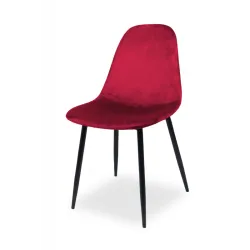
-250x250.webp "Café chair BHS-HoReCa KKT/BELLA.MILANO.294/PK/STM")
Article number: KKT/BELLA.MILANO.294/PK/STM
A seating solution designed for demanding environments, the BELLA MILANO chair pairs a welded steel ..
Is available
39.99€
with VAT: 48.39€
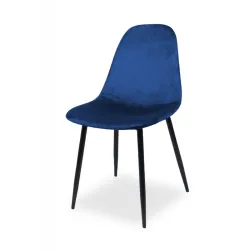
-250x250.webp "Café chair BHS-HoReCa KKT/BELLA.MILANO.396/PK/STM")
Article number: KKT/BELLA.MILANO.396/PK/STM
A seating unit built for the rhythm of professional catering, the BELLA MILANO chair combines a weld..
Is available
39.99€
with VAT: 48.39€
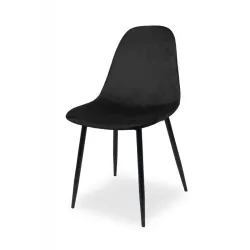
-250x250.webp "Café chair BHS-HoReCa KKT/BELLA.MILANO.685/PK/STM")
Article number: KKT/BELLA.MILANO.685/PK/STM
A chair designed for commercial catering spaces must balance comfort, durability and a compact footp..
Is available
39.99€
with VAT: 48.39€
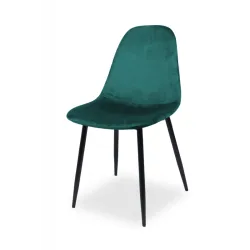
-250x250.webp "Café chair BHS-HoReCa KKT/BELLA.MILANO.931/PK/STM")
Article number: KKT/BELLA.MILANO.931/PK/STM
A green velour chair built for the pace of professional dining rooms, the BELLA MILANO combines a we..
Is available
39.99€
with VAT: 48.39€
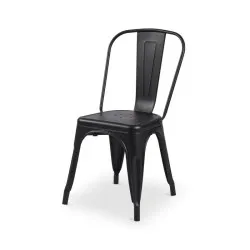
-250x250.webp "Café chair BHS-HoReCa KL/K.PARIS100/BS/STM")
Article number: KL/K.PARIS100/BS/STM
This stacking chair is built for busy catering environments where seating must be moved and stored e..
Is available
39.99€
with VAT: 48.39€
Article number: 3G-LibbyChair
This seating solution is tailored for catering staff who spend long hours at workstations. The Chair..
Is available
40.50€
with VAT: 49.01€
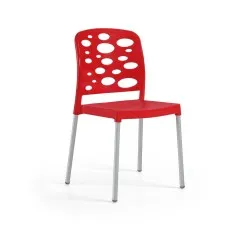
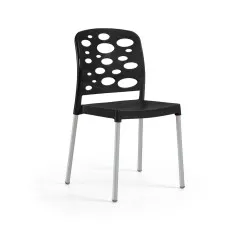
Article number: 3G-BubbleChair
A height-adjustable seating unit designed to keep staff comfortable at catering workstations, prep t..
Is available
40.80€
with VAT: 49.37€
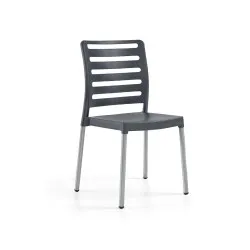
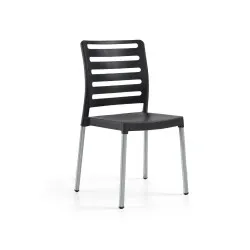
Article number: 3G-DivaChair
A chair designed for the demands of professional catering workstations, the BHS Chair Diva provides ..
Is available
40.80€
with VAT: 49.37€
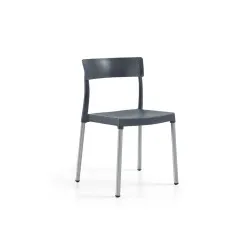
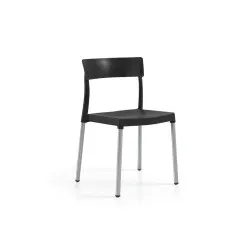
Article number: 3G-LillyChair
Designed for the demands of professional catering, the BHS Chair Lilly provides adjustable seating a..
Is available
40.80€
with VAT: 49.37€
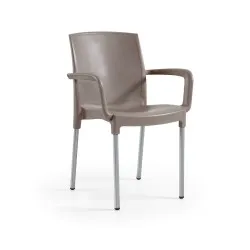
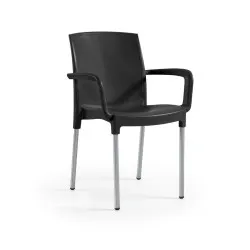
Article number: 3G-ClaireChair
This chair adjusts in height to fit prep tables, plating counters and service stations without tools..
Is available
41.28€
with VAT: 49.95€
Article number: 3G-DianaChair
The Chair Diana from BHS is designed for professional workstations, offering adjustable seating that..
Is available
41.28€
with VAT: 49.95€
Article number: 3G-AracnaChair
Designed for the demands of a busy kitchen, the BHS Chair Aracna offers stable seating that adapts t..
Is available
42.57€
with VAT: 51.51€
Article number: 3G-AcasaChair
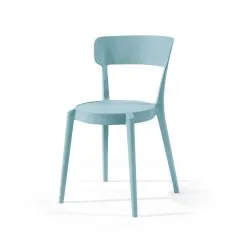
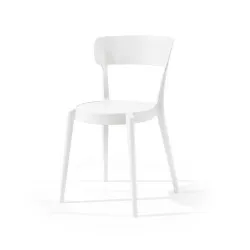
A chair built for the varying heights of catering workstations, the Chair Acasa adjusts to let staff..
Is available
42.58€
with VAT: 51.52€
Article number: KKA/GOMERA.FULL.121/TI/STM
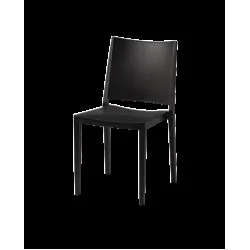
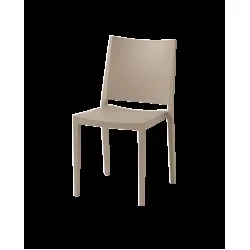
A chair built for frequent handling in cafés and terraces must balance lightness with strength. The ..
Is available
44.00€
with VAT: 53.24€
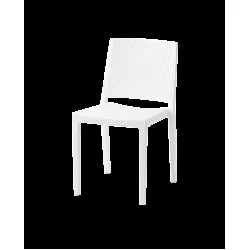
-250x250h.webp "Terrace chair BHS-HoReCa KKA/GOMERA.NET.521/TI/STM")
Article number: KKA/GOMERA.NET.521/TI/STM
A chair designed for high-turnover seating in cafés, terraces and public spaces must balance lightne..
Is available
44.00€
with VAT: 53.24€
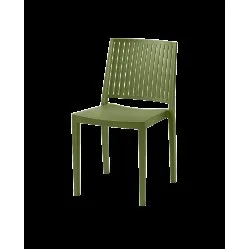
-250x250h.webp "Terrace chair BHS-HoReCa KKA/GOMERA.STRIPES.215/TI/STM")
Article number: KKA/GOMERA.STRIPES.215/TI/STM
A stacking chair built for repeated use in cafés, terraces and public spaces, where seating must be ..
Is available
44.00€
with VAT: 53.24€
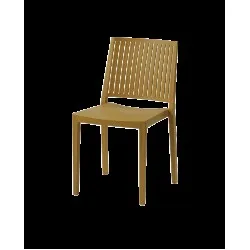
-250x250h.webp "Terrace chair BHS-HoReCa KKA/GOMERA.STRIPES.315/TI/STM")
Article number: KKA/GOMERA.STRIPES.315/TI/STM
A stacking chair designed for cafés, terraces and public spaces where seating must be moved, stored ..
Is available
44.00€
with VAT: 53.24€
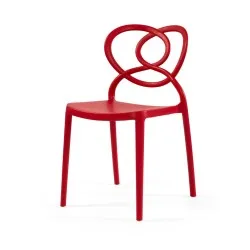
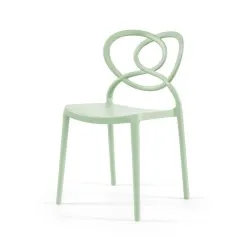
Article number: 3G-LovelyChair
A chair designed for professional catering workstations supports operators during extended shifts at..
Is available
44.28€
with VAT: 53.58€
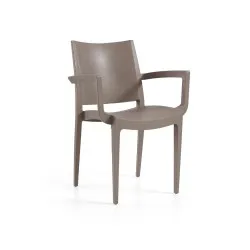
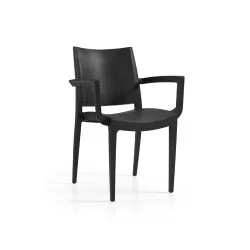
Article number: 3G-WandaChair
A height-adjustable chair built for the demands of professional catering workstations, the BHS Chair..
Is available
44.28€
with VAT: 53.58€
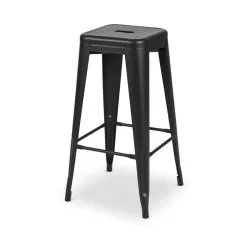
Article number: KL/H.PARIS100/BS/STM
A stacking chair built for the demands of professional catering, where seating must be moved, stored..
Is available
44.99€
with VAT: 54.44€
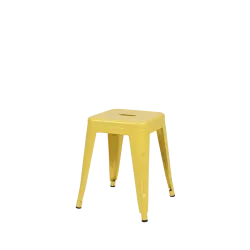
Article number: KL/T.PARIS00/BS/STM
A classic stacking chair built for the demands of professional catering, the TOLIX PARIS00 brings in..
Is available
45.99€
with VAT: 55.65€
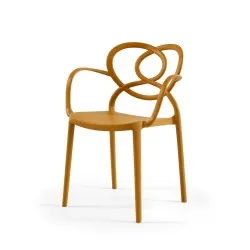
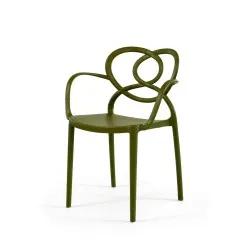
Article number: 3G- LovelyArmchair
This armchair suits rest areas where catering staff take breaks. It offers individual seating, letti..
Is available
46.58€
with VAT: 56.36€
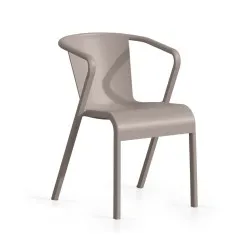
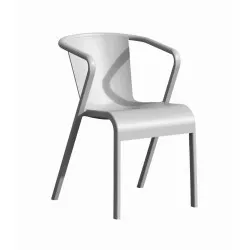
Article number: 3G-LusaChair
Designed for professional environments where staff need seated support during long shifts, the Chair..
Is available
46.58€
with VAT: 56.36€
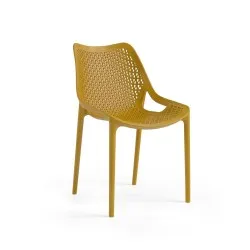
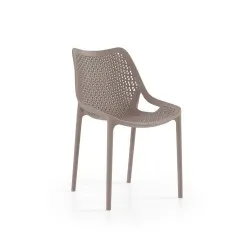
Article number: 3G-OxyChair
A chair built for the demands of a professional catering workstation must combine a stable base with..
Is available
47.19€
with VAT: 57.10€
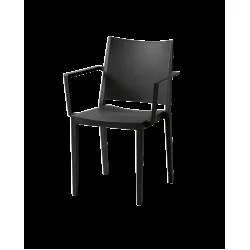
-250x250h.webp "Terrace chair BHS-HoReCa KKA/GOMERA.FULL.GRAND.121/TI/STM")
Article number: KKA/GOMERA.FULL.GRAND.121/TI/STM
A chair designed for high-turnover seating in cafés, outdoor terraces and public spaces where quick ..
Is available
48.80€
with VAT: 59.05€
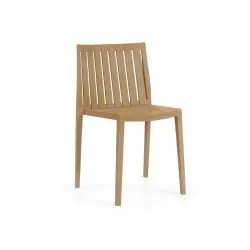
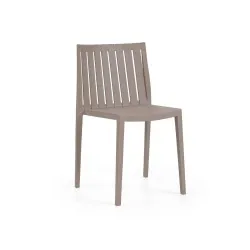
Article number: 3G-EliteChair
A chair built for the standing tasks of a professional kitchen, where staff move between worktops, h..
Is available
49.80€
with VAT: 60.26€
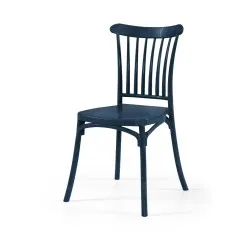
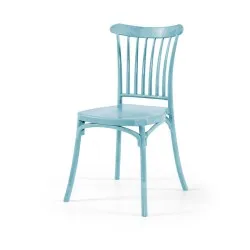
Article number: 3G-HavanaChair
A chair built for the demands of professional catering, the BHS Chair Havana provides stable seating..
Is available
51.14€
with VAT: 61.88€
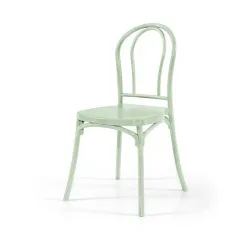
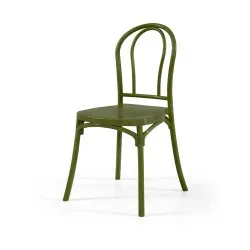
Article number: 3G-MiamiChair
A chair that adjusts in height to suit counters, bars and worktops in professional catering spaces. ..
Is available
51.14€
with VAT: 61.88€
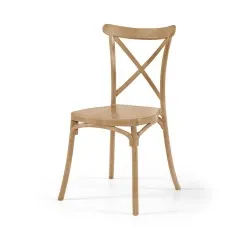
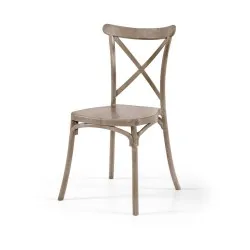
Article number: 3G-PalmaChair
A dining chair built for commercial front-of-house use, the Chair Palma combines a fixed seat and ba..
Is available
51.14€
with VAT: 61.88€
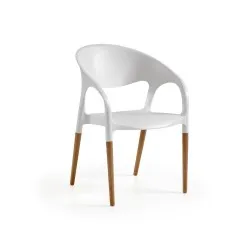
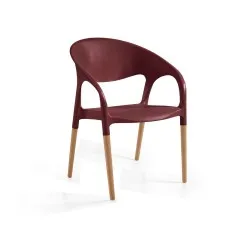
Article number: 3G-LunaChairWood
A seating unit built for the rhythm of professional catering, the BHS Luna chair combines a contoure..
Is available
54.00€
with VAT: 65.34€
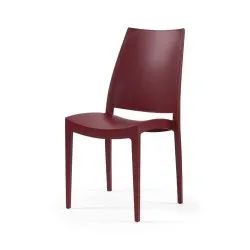
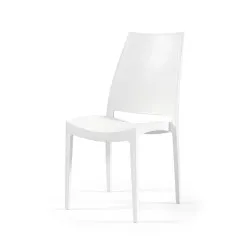
Article number: 3G- AnnaChair
This chair meets the needs of a busy catering kitchen, offering a small footprint and height adjustm..
Is available
55.72€
with VAT: 67.42€
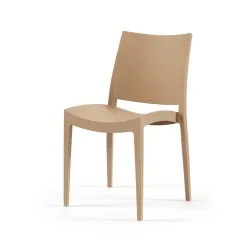
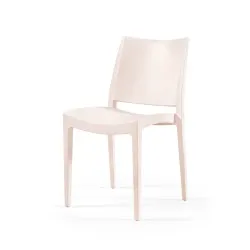
Article number: 3G- JudyChair
A height-adjustable chair built for professional catering workstations, the BHS Chair Judy supports ..
Is available
55.72€
with VAT: 67.42€
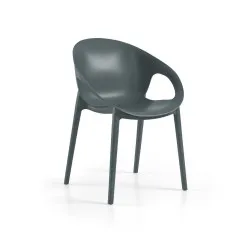
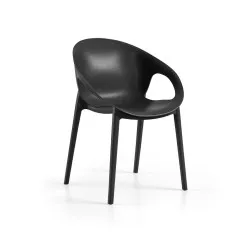
Article number: 3G-CosyChair
A chair cosy transforms standard seating into a stable, insulated station for staff who need to rema..
Is available
55.72€
with VAT: 67.42€
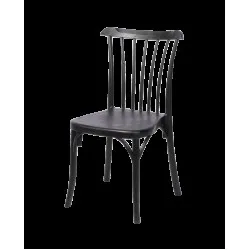
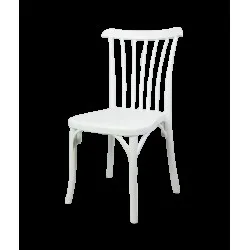
Article number: KKA/PATYCZAK.RETRO.121/TT/STM
A stackable chair built for professional catering environments, the Patyczak Retro 121 combines the ..
Is available
55.80€
with VAT: 67.52€
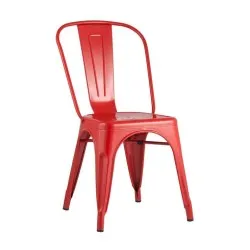
Article number: KL/K.PARIS00.1/BS/STM
This stackable steel chair is designed for environments where seating must be moved and stored effic..
Is available
55.99€
with VAT: 67.75€
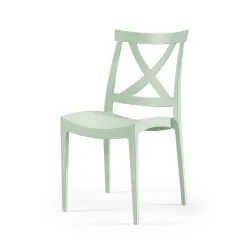
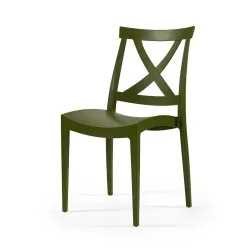
Article number: 3G-MaryChair
A chair built for the demands of a professional catering workstation, where staff stand for long per..
Is available
56.00€
with VAT: 67.76€
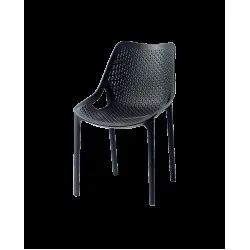
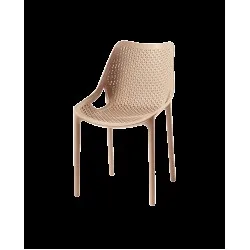
Article number: KKA/CLOUD.130/TI/STM
A stackable chair designed for high-turnover catering spaces where seating must be moved, stored and..
Is available
63.20€
with VAT: 76.47€
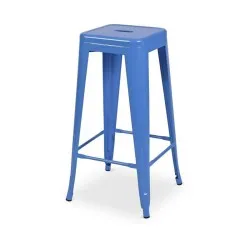
Article number: KL/H.PARIS00/BS/STM
A stackable steel chair built for the demands of professional catering and hospitality, the TOLIX PA..
Is available
64.99€
with VAT: 78.64€
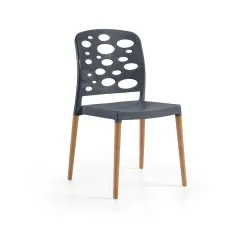
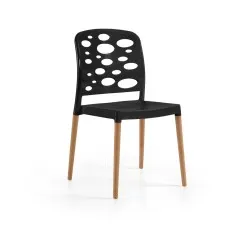
Article number: 3G-BubbleChairWood
A transparent acrylic shell forms the seat and backrest, creating a floating bubble that defines the..
Is available
66.86€
with VAT: 80.90€
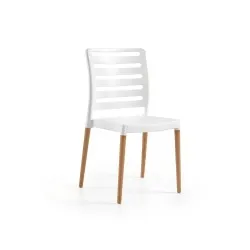
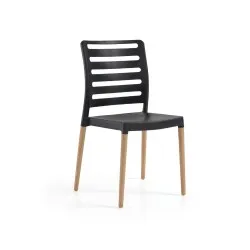
Article number: 3G-DivaChairWood
A dining chair built for the rhythm of professional service, the Chair Diva with wood legs combines ..
Is available
66.86€
with VAT: 80.90€
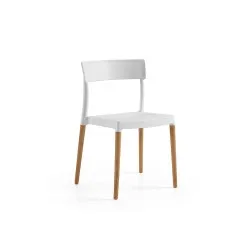
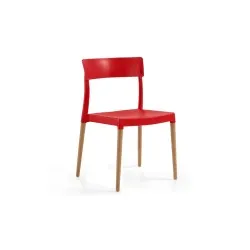
Article number: 3G-LillyChairWood
A chair designed for the demands of professional catering, the BHS Lilly chair combines a stable woo..
Is available
66.86€
with VAT: 80.90€
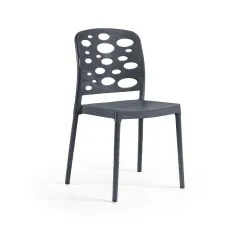
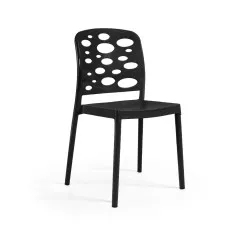
Article number: 3G-BubbleChairPlastic
A seating unit designed for catering workstations, the Chair Bubble combines a contoured seat with a..
Is available
68.72€
with VAT: 83.15€
Article number: 3G-DivaChairPlastic
The BHS Chair Diva with plastic legs offers a practical seating option for catering environments. De..
Is available
68.72€
with VAT: 83.15€
Article number: 3G-LillyChairPlastic
A chair built for the demands of a professional catering setting, the BHS Chair Lilly combines a com..
Is available
68.72€
with VAT: 83.15€
-250x250.webp "Outdoor chair BHS-HoReCa KOP/MATTEO.TX.7001/HH/STM")
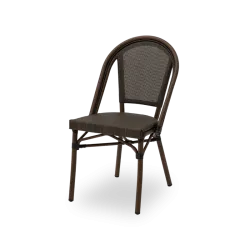
Article number: KOP/MATTEO.TX.7001/HH/STM
A café or restaurant terrace chair must hold guests securely while allowing staff to clear and reset..
Is available
70.00€
with VAT: 84.70€
-250x250.webp "Outdoor chair BHS-HoReCa KOP/CAMILLO.TX.7001/HH/STM")
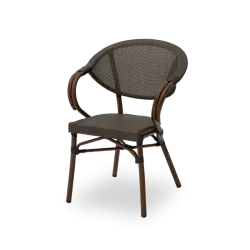
Article number: KOP/CAMILLO.TX.7001/HH/STM
A café or restaurant terrace chair that stacks up to twelve high without tools, clearing floor space..
Is available
74.00€
with VAT: 89.54€
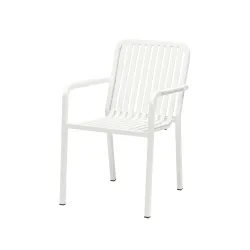
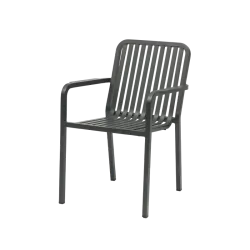
Article number: KOP/PUREZZA.03/HH/STM
A stacking chair built for professional catering environments where seating must be moved, stored an..
Is available
77.80€
with VAT: 94.14€
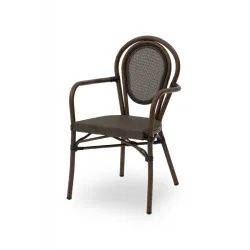
-250x250.webp "Outdoor chair BHS-HoReCa KOP/RICCARDO.ARM.TX.7001/HH/STM")
Article number: KOP/RICCARDO.ARM.TX.7001/HH/STM
A café or restaurant chair built for daily service must balance lightness with strength. The RICCARD..
Is available
86.00€
with VAT: 104.06€
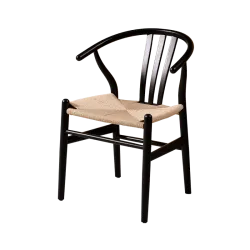
-250x250.webp "Café chair BHS-HoReCa KDR/WISHBONE.4001/JK/STM")
Article number: KDR/WISHBONE.4001/JK/STM
A dining chair built on the wishbone principle combines a curved backrest with a Y-shaped frame that..
Is available
87.40€
with VAT: 105.75€
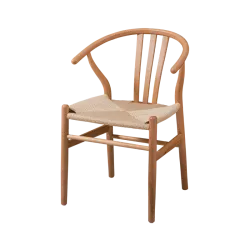
-250x250.webp "Café chair BHS-HoReCa KDR/WISHBONE.4030/JK/STM")
Article number: KDR/WISHBONE.4030/JK/STM
A chair built for the rhythm of a working dining room, where each seat sees dozens of covers a day y..
Is available
87.40€
with VAT: 105.75€
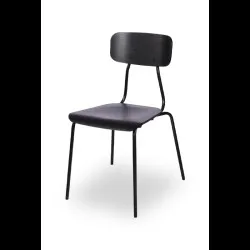
-250x250.webp "Café chair BHS-HoReCa KKO/ARIZONA.01.64/BN/STM")
Article number: KKO/ARIZONA.01.64/BN/STM
A stacking chair built for daily service in catering and conference spaces, where seating must be mo..
Is available
88.00€
with VAT: 106.48€
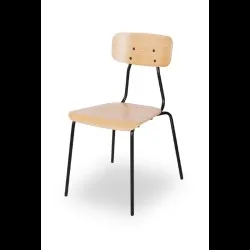
-250x250.webp "Café chair BHS-HoReCa KKO/ARIZONA.01.90/BN/STM")
Article number: KKO/ARIZONA.01.90/BN/STM
A stacking chair built for daily use in catering spaces and meeting rooms, the BHS Arizona BL Natura..
Is available
88.00€
with VAT: 106.48€
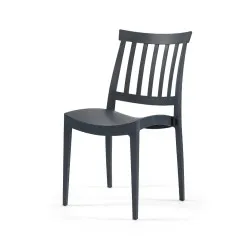
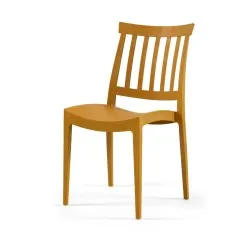
Article number: 3G-SaraChair
A chair built for the demands of a professional catering kitchen, where staff stand for long shifts ..
Is available
133.50€
with VAT: 161.54€
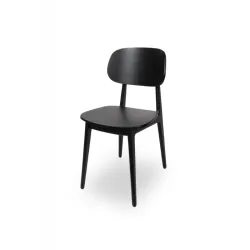
-250x250.webp "Café chair BHS-HoReCa KDR/NORM.015/RV/STM")
Article number: KDR/NORM.015/RV/STM
A chair built for the rhythm of professional catering, where staff and guests sit down and stand up ..
Is available
145.40€
with VAT: 175.93€
-250x250.webp "Café chair BHS-HoReCa KDR/NORM.095/RV/STM")
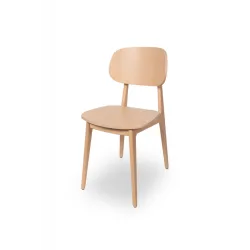
Article number: KDR/NORM.095/RV/STM
A sturdy seating solution designed for the demands of professional catering spaces, the BHS Chair NO..
Is available
145.40€
with VAT: 175.93€
-250x250.webp "Café chair BHS-HoReCa KDR/FUTURA.011/RV/STM")
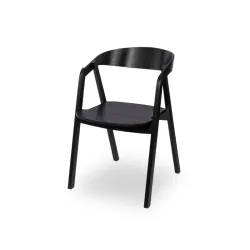
Article number: KDR/FUTURA.011/RV/STM
A solid oak dining chair built to support a 120 kg load while keeping its own weight at 5.8 kg. The ..
Is available
163.00€
with VAT: 197.23€
-250x250.webp "Café chair BHS-HoReCa KDR/FUTURA.080/RV/STM")
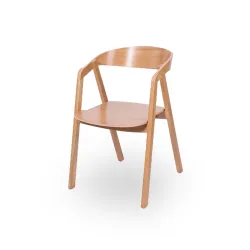
Article number: KDR/FUTURA.080/RV/STM
A stacking chair built for daily service in cafés, restaurants and hotels, the FUTURA 080 combines t..
Is available
163.00€
with VAT: 197.23€
-250x250.webp "Café chair BHS-HoReCa KDG/LEGEND.10.45/FH/STM")
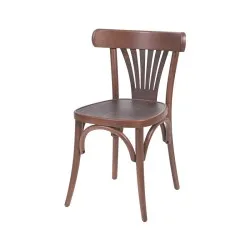
Article number: KDG/LEGEND.10.45/FH/STM
A chair built for the rhythm of service, the LEGEND model by BHS uses solid beechwood to carry the w..
Is available
167.40€
with VAT: 202.55€
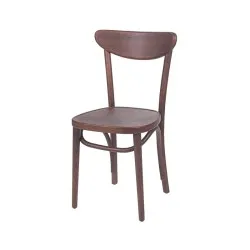
-250x250.webp "Café chair BHS-HoReCa KDG/BOOMERANG.10.45/FH/STM")
Article number: KDG/BOOMERANG.10.45/FH/STM
A chair that carries its own weight with ease, the Boomerang model from BHS is shaped from a single ..
Is available
169.99€
with VAT: 205.69€
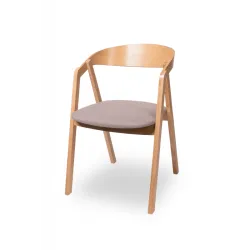
-250x250.webp "Café chair BHS-HoReCa KDR/FUTURA.TAP.080.C02/RV/STM")
Article number: KDR/FUTURA.TAP.080.C02/RV/STM
A stacking chair built for daily service in restaurants, cafés and hotels, where space is saved with..
Is available
175.80€
with VAT: 212.72€
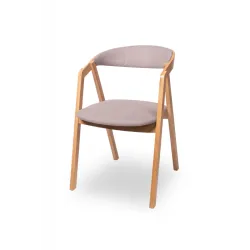
-250x250.webp "Café chair BHS-HoReCa KDR/FUTURA.ALL.TAP.080.C02/RV/STM")
Article number: KDR/FUTURA.ALL.TAP.080.C02/RV/STM
A stacking chair designed for busy hospitality settings like restaurants, cafés, and hotels. The FUT..
Is available
184.40€
with VAT: 223.12€
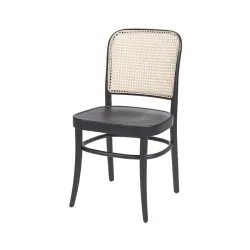
-250x250.webp "Café chair BHS-HoReCa KDG/LOOMI.RT.811.30.95/FH/STM")
Article number: KDG/LOOMI.RT.811.30.95/FH/STM
A wooden chair built for the rhythm of professional dining, the LOOMI 811 balances lightness with th..
Is available
258.00€
with VAT: 312.18€