

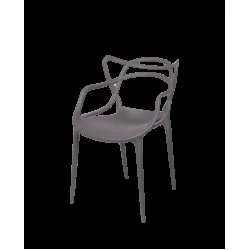
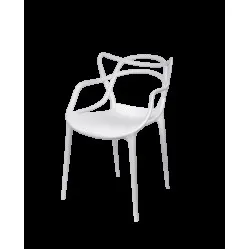
Article number: KKA/VEGAS.201/PU/STM
A chair built for frequent movement and compact storage, the VEGAS 201 relies on polypropylene's bal..
Is available
29.80€
with VAT: 36.06€
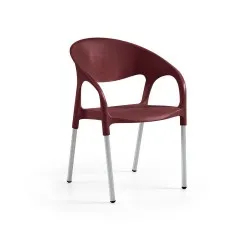
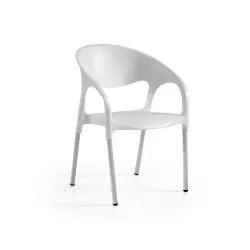
Article number: 3G-LunaChair
The BHS Chair Luna is designed for catering environments, offering height adjustment to suit various..
Is available
32.86€
with VAT: 39.76€
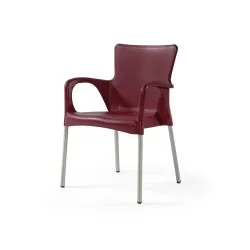
-250x250h.webp "Outdoor chair BHS-HoReCa 3G-VeraChair")
Article number: 3G-VeraChair
An armchair designed for the rest periods of professional catering staff, the BHS Armchair Vera prov..
Is available
32.86€
with VAT: 39.76€
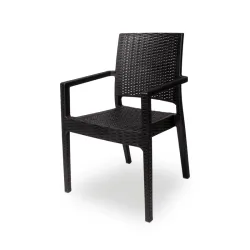
-250x250.webp "Outdoor chair BHS-HoReCa KOP/MARIO.110/BS/STM")
Article number: KOP/MARIO.110/BS/STM
A stackable outdoor chair built for constant use in cafés, restaurants and event spaces, the BHS MAR..
Is available
34.40€
with VAT: 41.62€
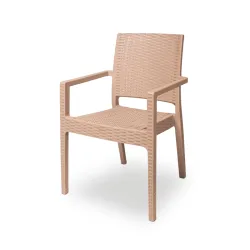
-250x250.webp "Outdoor chair BHS-HoReCa KOP/MARIO.200/BS/STM")
Article number: KOP/MARIO.200/BS/STM
A chair designed for continuous use in cafés, restaurants and terraces, where seating must withstand..
Is available
34.40€
with VAT: 41.62€
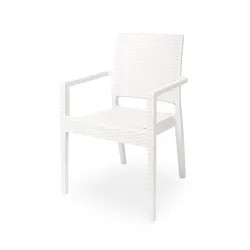
-250x250.webp "Outdoor chair BHS-HoReCa KOP/MARIO.503/BS/STM")
Article number: KOP/MARIO.503/BS/STM
A chair built for the demands of outdoor hospitality, the BHS MARIO 503 combines a sturdy polypropyl..
Is available
34.40€
with VAT: 41.62€
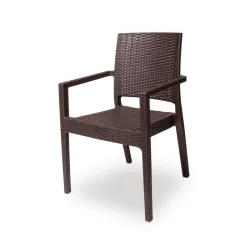
-250x250.webp "Outdoor chair BHS-HoReCa KOP/MARIO.900/BS/STM")
Article number: KOP/MARIO.900/BS/STM
A chair built for the demands of outdoor catering must withstand constant use without warping or fad..
Is available
34.40€
with VAT: 41.62€
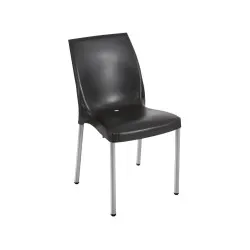
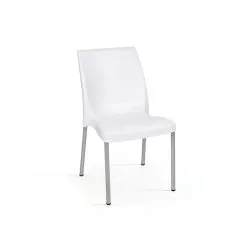
Article number: 3G-CindyChair
A chair designed for professional catering workstations must adapt to the varied tasks of food prepa..
Is available
35.14€
with VAT: 42.52€
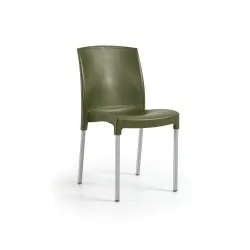
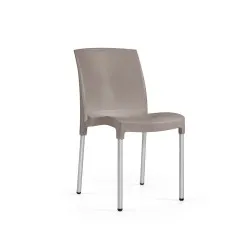
Article number: 3G-JennyChair
A chair jenny provides adjustable-height seating at catering workstations where staff stand for long..
Is available
36.86€
with VAT: 44.60€
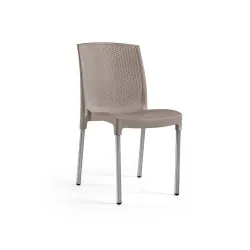
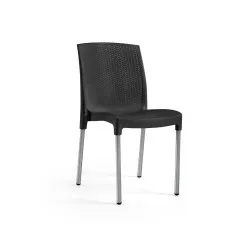
Article number: 3G-SilvyChair
This adjustable chair is designed to support users who need to switch between seated and standing ta..
Is available
36.86€
with VAT: 44.60€
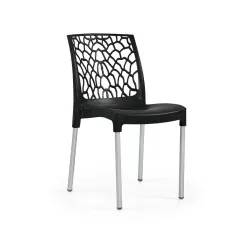
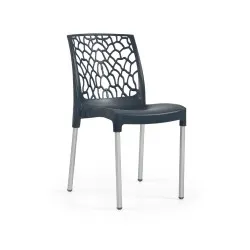
Article number: 3G-SophieChair
A chair designed for the demands of professional catering environments must balance mobility with st..
Is available
36.86€
with VAT: 44.60€
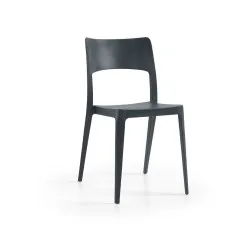
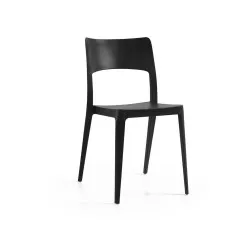
Article number: 3G-VanityChair
A vanity chair provides stable, adjustable seating at a salon or spa workstation, allowing the styli..
Is available
38.00€
with VAT: 45.98€
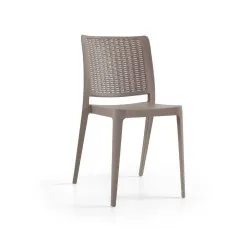
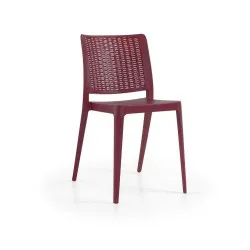
Article number: 3G-JuneChair
A worktop-height chair built for the demands of commercial kitchens, staff rest areas and front-of-h..
Is available
38.29€
with VAT: 46.33€
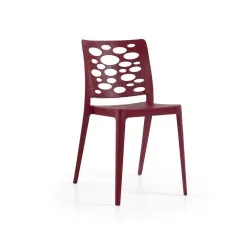
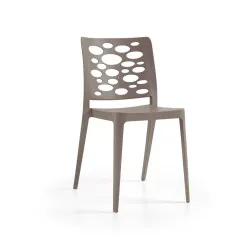
Article number: 3G-VenusChair
A chair built for the demands of a professional catering workstation, the BHS Chair Venus provides s..
Is available
38.29€
with VAT: 46.33€
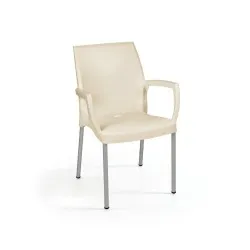
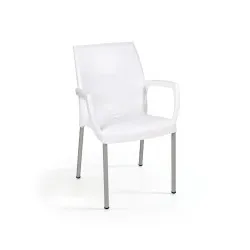
Article number: 3G-JadeChair
This chair adapts to various heights found in catering workstations, prep tables, and mobile trolley..
Is available
39.72€
with VAT: 48.06€
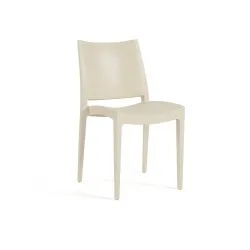
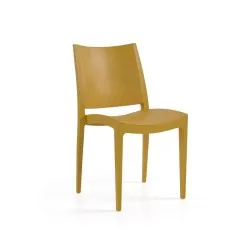
Article number: 3G-LibbyChair
This seating solution is tailored for catering staff who spend long hours at workstations. The Chair..
Is available
40.50€
with VAT: 49.01€
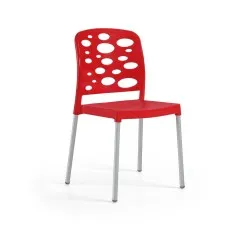
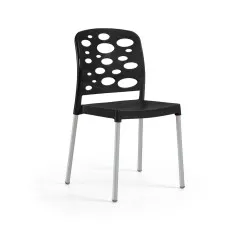
Article number: 3G-BubbleChair
A height-adjustable seating unit designed to keep staff comfortable at catering workstations, prep t..
Is available
40.80€
with VAT: 49.37€
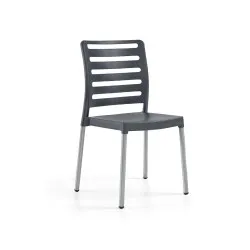
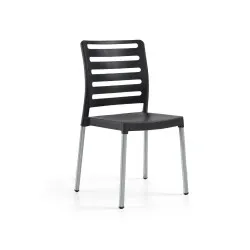
Article number: 3G-DivaChair
A chair designed for the demands of professional catering workstations, the BHS Chair Diva provides ..
Is available
40.80€
with VAT: 49.37€
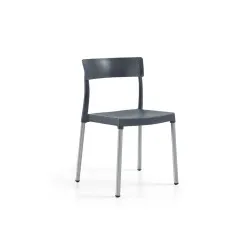
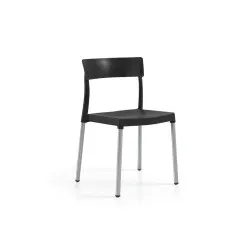
Article number: 3G-LillyChair
Designed for the demands of professional catering, the BHS Chair Lilly provides adjustable seating a..
Is available
40.80€
with VAT: 49.37€
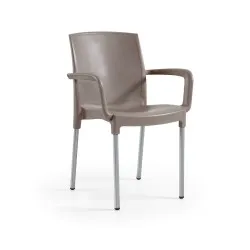
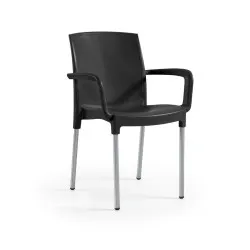
Article number: 3G-ClaireChair
This chair adjusts in height to fit prep tables, plating counters and service stations without tools..
Is available
41.28€
with VAT: 49.95€
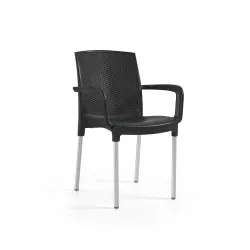
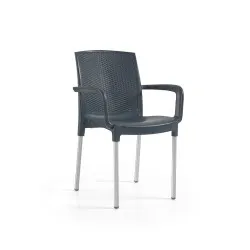
Article number: 3G-DianaChair
The Chair Diana from BHS is designed for professional workstations, offering adjustable seating that..
Is available
41.28€
with VAT: 49.95€
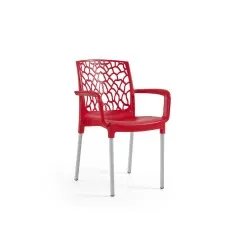
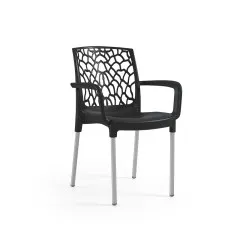
Article number: 3G-AracnaChair
Designed for the demands of a busy kitchen, the BHS Chair Aracna offers stable seating that adapts t..
Is available
42.57€
with VAT: 51.51€
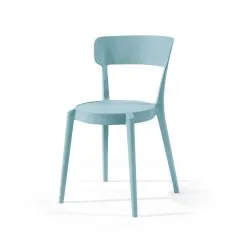
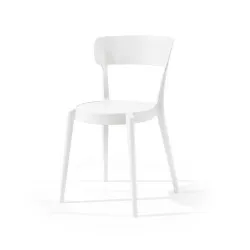
Article number: 3G-AcasaChair
A chair built for the varying heights of catering workstations, the Chair Acasa adjusts to let staff..
Is available
42.58€
with VAT: 51.52€
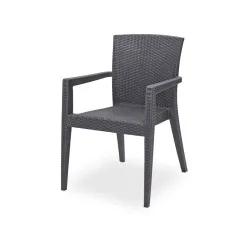
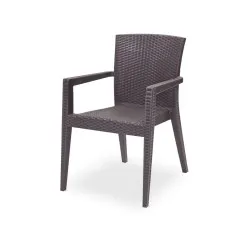
Article number: Mario
A stacking chair built for the demands of professional catering and events, the BHS Mario combines p..
Is available
42.80€
with VAT: 51.79€
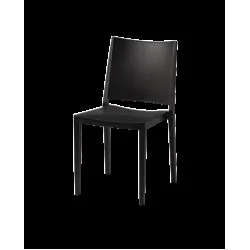
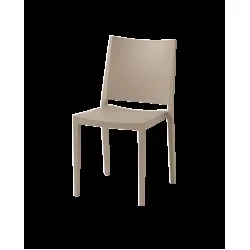
Article number: KKA/GOMERA.FULL.121/TI/STM
A chair built for frequent handling in cafés and terraces must balance lightness with strength. The ..
Is available
44.00€
with VAT: 53.24€
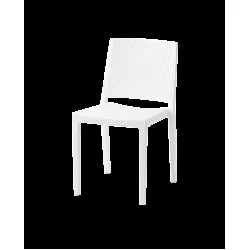
-250x250h.webp "Terrace chair BHS-HoReCa KKA/GOMERA.NET.521/TI/STM")
Article number: KKA/GOMERA.NET.521/TI/STM
A chair designed for high-turnover seating in cafés, terraces and public spaces must balance lightne..
Is available
44.00€
with VAT: 53.24€
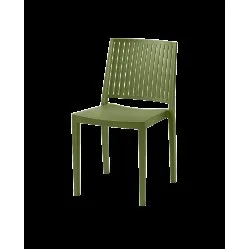
-250x250h.webp "Terrace chair BHS-HoReCa KKA/GOMERA.STRIPES.215/TI/STM")
Article number: KKA/GOMERA.STRIPES.215/TI/STM
A stacking chair built for repeated use in cafés, terraces and public spaces, where seating must be ..
Is available
44.00€
with VAT: 53.24€
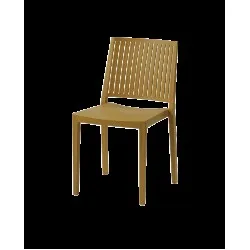
-250x250h.webp "Terrace chair BHS-HoReCa KKA/GOMERA.STRIPES.315/TI/STM")
Article number: KKA/GOMERA.STRIPES.315/TI/STM
A stacking chair designed for cafés, terraces and public spaces where seating must be moved, stored ..
Is available
44.00€
with VAT: 53.24€
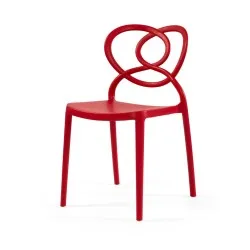
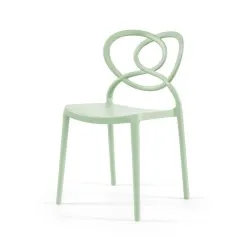
Article number: 3G-LovelyChair
A chair designed for professional catering workstations supports operators during extended shifts at..
Is available
44.28€
with VAT: 53.58€
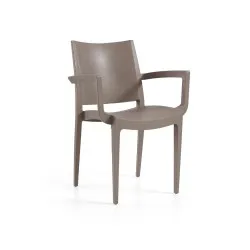
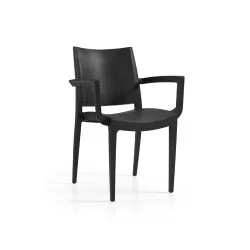
Article number: 3G-WandaChair
A height-adjustable chair built for the demands of professional catering workstations, the BHS Chair..
Is available
44.28€
with VAT: 53.58€
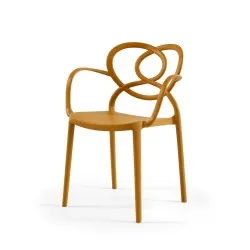
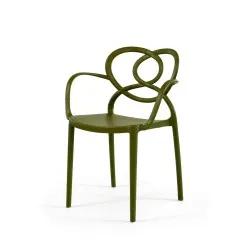
Article number: 3G- LovelyArmchair
This armchair suits rest areas where catering staff take breaks. It offers individual seating, letti..
Is available
46.58€
with VAT: 56.36€
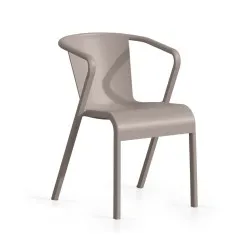
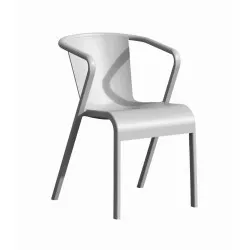
Article number: 3G-LusaChair
Designed for professional environments where staff need seated support during long shifts, the Chair..
Is available
46.58€
with VAT: 56.36€
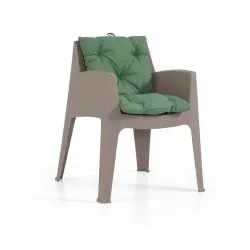
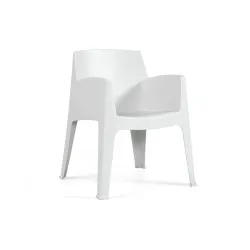
Article number: 3G-SunriseChair
A sunrise chair gives kitchen staff a stable, adjustable-height seat that keeps them at the right le..
Is available
46.86€
with VAT: 56.70€
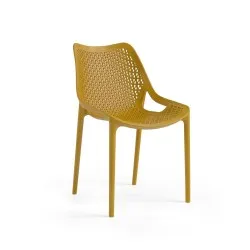
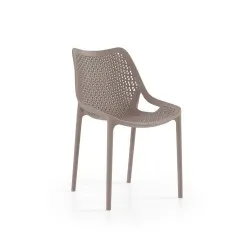
Article number: 3G-OxyChair
A chair built for the demands of a professional catering workstation must combine a stable base with..
Is available
47.19€
with VAT: 57.10€
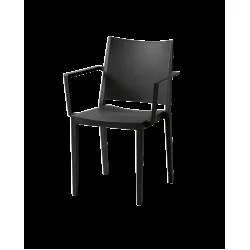
-250x250h.webp "Terrace chair BHS-HoReCa KKA/GOMERA.FULL.GRAND.121/TI/STM")
Article number: KKA/GOMERA.FULL.GRAND.121/TI/STM
A chair designed for high-turnover seating in cafés, outdoor terraces and public spaces where quick ..
Is available
48.80€
with VAT: 59.05€
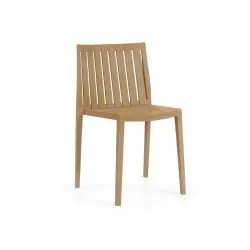
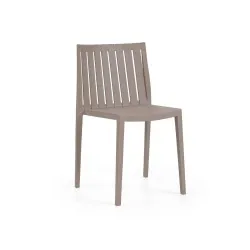
Article number: 3G-EliteChair
A chair built for the standing tasks of a professional kitchen, where staff move between worktops, h..
Is available
49.80€
with VAT: 60.26€
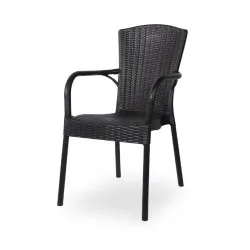
-250x250.webp "Outdoor chair BHS-HoReCa KOP/ANDREA110/TT/STM")
Article number: KOP/ANDREA110/TT/STM
Outdoor seating in a professional setting must withstand constant use without losing shape or appear..
Is available
50.60€
with VAT: 61.23€
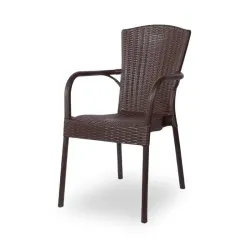
-250x250.webp "Outdoor chair BHS-HoReCa KOP/ANDREA210/TT/STM")
Article number: KOP/ANDREA210/TT/STM
A chair built for the demands of outdoor catering, the ANDREA 210 by BHS stands up to constant use o..
Is available
50.60€
with VAT: 61.23€
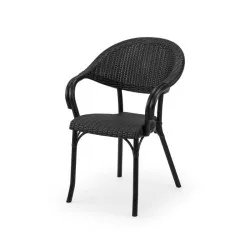
-250x250.webp "Outdoor chair BHS-HoReCa KOP/MARCO110/TT/STM")
Article number: KOP/MARCO110/TT/STM
A stackable chair designed for outdoor service in terraces, cafés and restaurants, where frequent re..
Is available
50.60€
with VAT: 61.23€
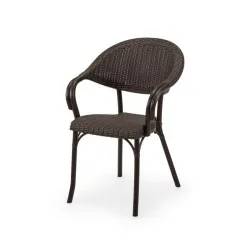
-250x250.webp "Outdoor chair BHS-HoReCa KOP/MARCO210/TT/STM")
Article number: KOP/MARCO210/TT/STM
A stackable chair built for outdoor service in cafés, restaurants and terraces, the MARCO 210 combin..
Is available
50.60€
with VAT: 61.23€
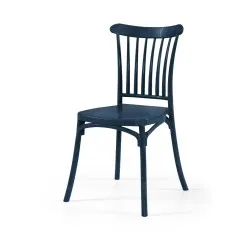
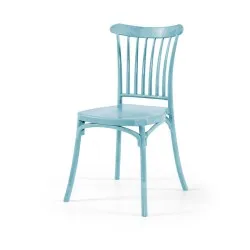
Article number: 3G-HavanaChair
A chair built for the demands of professional catering, the BHS Chair Havana provides stable seating..
Is available
51.14€
with VAT: 61.88€
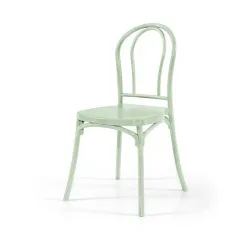
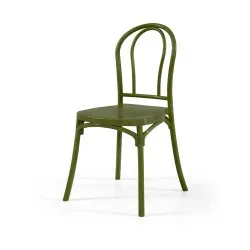
Article number: 3G-MiamiChair
A chair that adjusts in height to suit counters, bars and worktops in professional catering spaces. ..
Is available
51.14€
with VAT: 61.88€
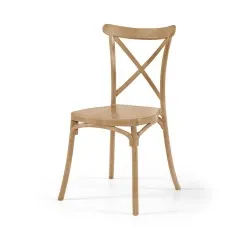
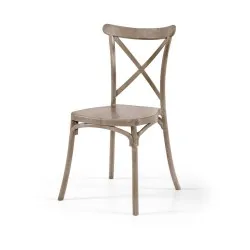
Article number: 3G-PalmaChair
A dining chair built for commercial front-of-house use, the Chair Palma combines a fixed seat and ba..
Is available
51.14€
with VAT: 61.88€
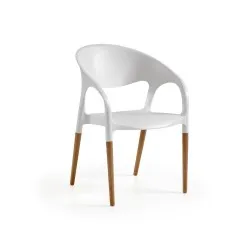
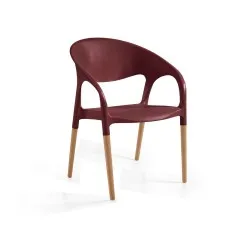
Article number: 3G-LunaChairWood
A seating unit built for the rhythm of professional catering, the BHS Luna chair combines a contoure..
Is available
54.00€
with VAT: 65.34€
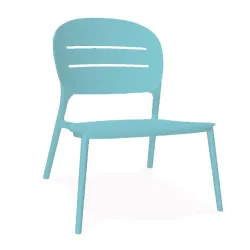
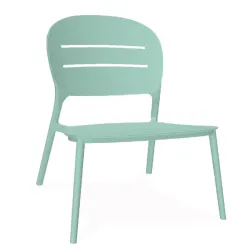
Article number: 3G-bella
The BHS Bella is a durable chair designed for frequent use, stacking efficiently to save space when ..
Is available
54.00€
with VAT: 65.34€
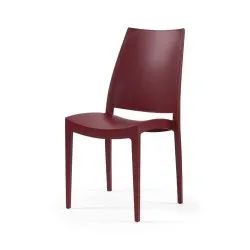
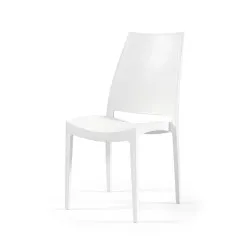
Article number: 3G- AnnaChair
This chair meets the needs of a busy catering kitchen, offering a small footprint and height adjustm..
Is available
55.72€
with VAT: 67.42€
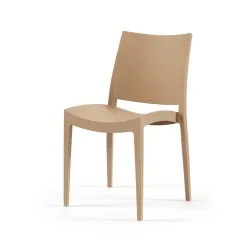
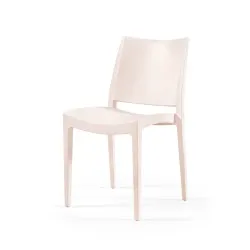
Article number: 3G- JudyChair
A height-adjustable chair built for professional catering workstations, the BHS Chair Judy supports ..
Is available
55.72€
with VAT: 67.42€
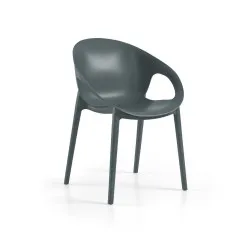
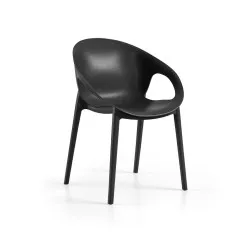
Article number: 3G-CosyChair
A chair cosy transforms standard seating into a stable, insulated station for staff who need to rema..
Is available
55.72€
with VAT: 67.42€
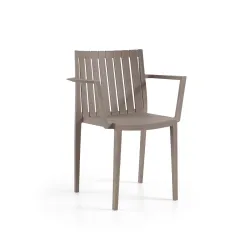
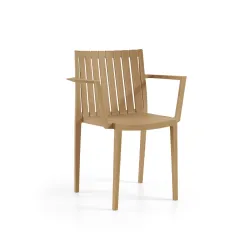
Article number: 3G-Elitearmchair
This adjustable-height armchair is designed for staff rest areas in professional environments, offer..
Is available
55.72€
with VAT: 67.42€
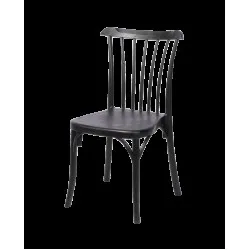
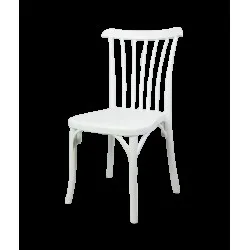
Article number: KKA/PATYCZAK.RETRO.121/TT/STM
A stackable chair built for professional catering environments, the Patyczak Retro 121 combines the ..
Is available
55.80€
with VAT: 67.52€
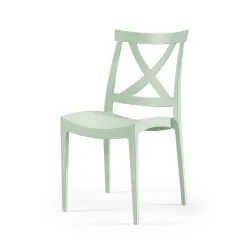
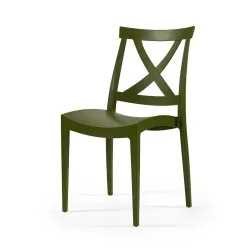
Article number: 3G-MaryChair
A chair built for the demands of a professional catering workstation, where staff stand for long per..
Is available
56.00€
with VAT: 67.76€
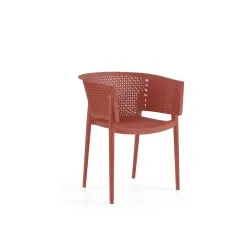
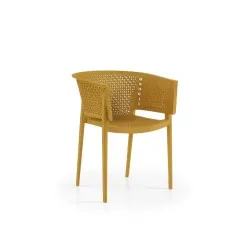
Article number: 3G-Oxyarmchair
An armchair designed for staff rest areas in professional catering kitchens, the BHS Armchair Oxy pr..
Is available
60.00€
with VAT: 72.60€
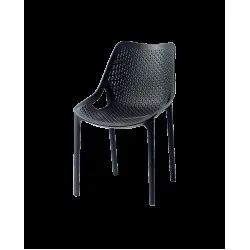
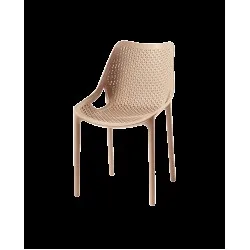
Article number: KKA/CLOUD.130/TI/STM
A stackable chair designed for high-turnover catering spaces where seating must be moved, stored and..
Is available
63.20€
with VAT: 76.47€
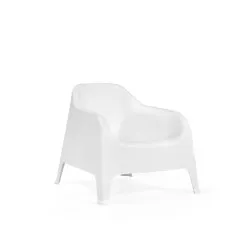
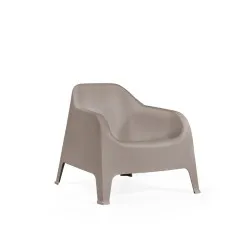
Article number: 3G-SunsetChair
This chair offers stable, height-adjustable seating designed for staff rest periods in professional ..
Is available
64.14€
with VAT: 77.61€
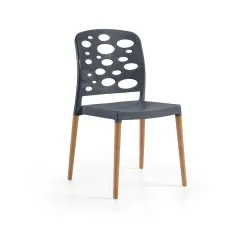
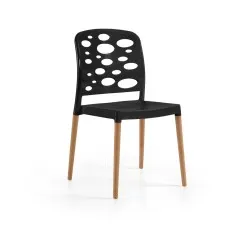
Article number: 3G-BubbleChairWood
A transparent acrylic shell forms the seat and backrest, creating a floating bubble that defines the..
Is available
66.86€
with VAT: 80.90€
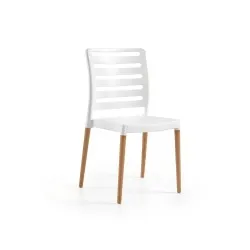
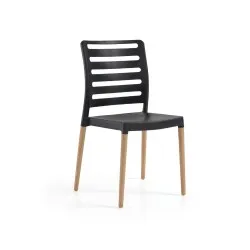
Article number: 3G-DivaChairWood
A dining chair built for the rhythm of professional service, the Chair Diva with wood legs combines ..
Is available
66.86€
with VAT: 80.90€
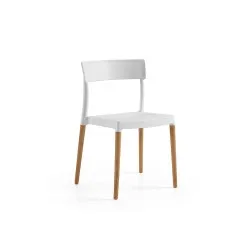
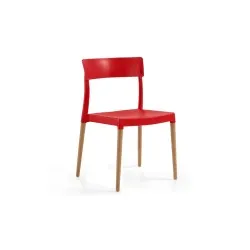
Article number: 3G-LillyChairWood
A chair designed for the demands of professional catering, the BHS Lilly chair combines a stable woo..
Is available
66.86€
with VAT: 80.90€
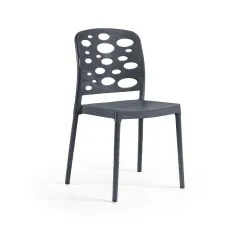
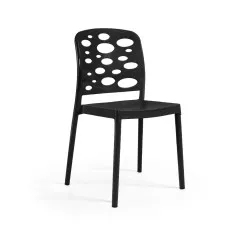
Article number: 3G-BubbleChairPlastic
A seating unit designed for catering workstations, the Chair Bubble combines a contoured seat with a..
Is available
68.72€
with VAT: 83.15€
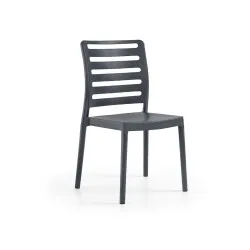
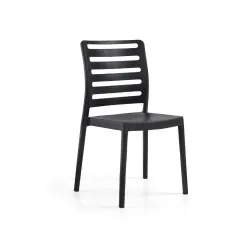
Article number: 3G-DivaChairPlastic
The BHS Chair Diva with plastic legs offers a practical seating option for catering environments. De..
Is available
68.72€
with VAT: 83.15€
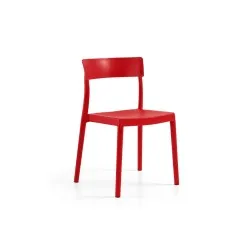
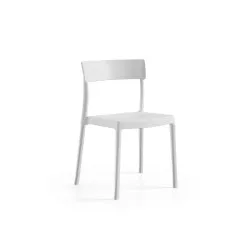
Article number: 3G-LillyChairPlastic
A chair built for the demands of a professional catering setting, the BHS Chair Lilly combines a com..
Is available
68.72€
with VAT: 83.15€
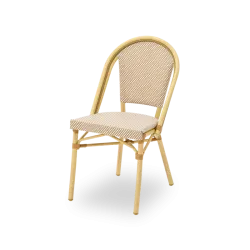
-250x250.webp "Outdoor chair BHS-HoReCa KOP/MATTEO.TX.0377/HH/STM")
Article number: KOP/MATTEO.TX.0377/HH/STM
A café chair built for daily service on terraces and in dining rooms must balance lightness with str..
Is available
70.00€
with VAT: 84.70€
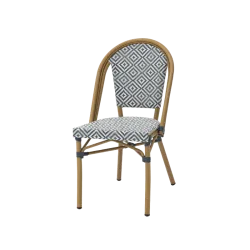
-250x250.webp "Outdoor chair BHS-HoReCa KOP/MATTEO.TX.2070/HH/STM")
Article number: KOP/MATTEO.TX.2070/HH/STM
A café or restaurant terrace chair must balance seating comfort, repeated handling and exposure to w..
Is available
70.00€
with VAT: 84.70€
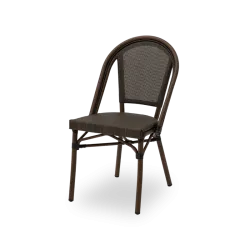
-250x250.webp "Outdoor chair BHS-HoReCa KOP/MATTEO.TX.7001/HH/STM")
Article number: KOP/MATTEO.TX.7001/HH/STM
A café or restaurant terrace chair must hold guests securely while allowing staff to clear and reset..
Is available
70.00€
with VAT: 84.70€
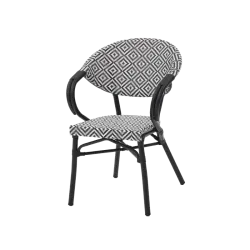
-250x250.webp "Outdoor chair BHS-HoReCa KOP/CAMILLO.TX.0179/HH/STM")
Article number: KOP/CAMILLO.TX.0179/HH/STM
A café or restaurant terrace chair that stacks up to twelve high without losing its shape or stabili..
Is available
74.00€
with VAT: 89.54€
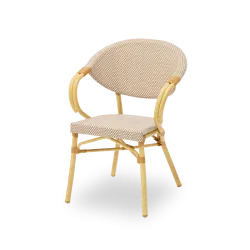
-250x250.webp "Outdoor chair BHS-HoReCa KOP/CAMILLO.TX.0377/HH/STM")
Article number: KOP/CAMILLO.TX.0377/HH/STM
A café chair that stacks twelve high without tools, the BHS Camillo 0377 brings technorattan seating..
Is available
74.00€
with VAT: 89.54€
-250x250.webp "Outdoor chair BHS-HoReCa KOP/CAMILLO.TX.0392/HH/STM")
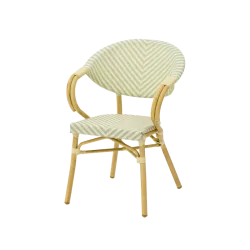
Article number: KOP/CAMILLO.TX.0392/HH/STM
A café or restaurant terrace chair that stacks neatly out of the way when not in use. The Camillo 03..
Is available
74.00€
with VAT: 89.54€
-250x250.webp "Outdoor chair BHS-HoReCa KOP/CAMILLO.TX.7001/HH/STM")
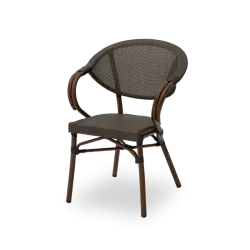
Article number: KOP/CAMILLO.TX.7001/HH/STM
A café or restaurant terrace chair that stacks up to twelve high without tools, clearing floor space..
Is available
74.00€
with VAT: 89.54€
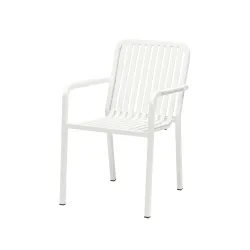
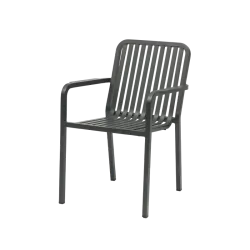
Article number: KOP/PUREZZA.03/HH/STM
A stacking chair built for professional catering environments where seating must be moved, stored an..
Is available
77.80€
with VAT: 94.14€
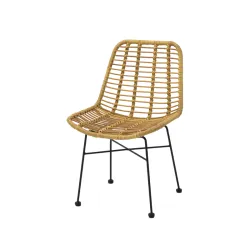
-250x250.webp "Outdoor chair BHS-HoReCa KOP/CUBA.TRP.0117/HH/STM")
Article number: KOP/CUBA.TRP.0117/HH/STM
A dining chair designed for outdoor service combines seating comfort with resistance to weather. The..
Is available
80.00€
with VAT: 96.80€
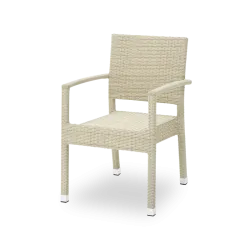
-250x250.webp "Outdoor chair BHS-HoReCa KOP/LEONARDO.TRT.0606/HH/STM")
Article number: KOP/LEONARDO.TRT.0606/HH/STM
A technorattan chair weaves synthetic fibres into a lattice that mimics natural rattan while resisti..
Is available
84.40€
with VAT: 102.12€
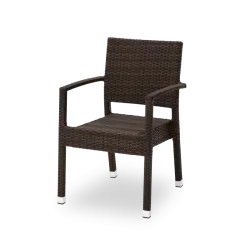
-250x250.webp "Outdoor chair BHS-HoReCa KOP/LEONARDO.TRT.0707/HH/STM")
Article number: KOP/LEONARDO.TRT.0707/HH/STM
A stackable chair designed for frequent use in professional catering spaces, where seating must be m..
Is available
84.40€
with VAT: 102.12€
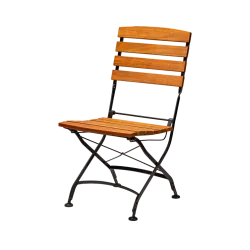
-250x250h.webp "Outdoor chair BHS-HoReCa KOP/LARA.01.10/VL/STM")
Article number: KOP/LARA.01.10/VL/STM
A chair built for the rhythm of professional catering, where seating must appear, serve and disappea..
Is available
85.40€
with VAT: 103.33€
-250x250.webp "Outdoor chair BHS-HoReCa KOP/BAMBOO.TRP.0317/HH/STM")
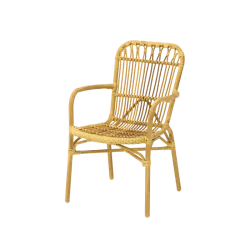
Article number: KOP/BAMBOO.TRP.0317/HH/STM
A stacking chair built for catering use must balance lightness with stability so staff can move and ..
Is available
86.00€
with VAT: 104.06€
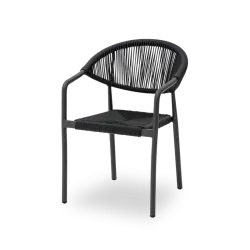
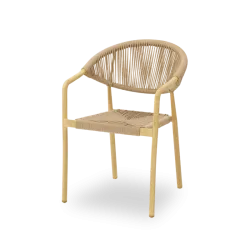
Article number: KOP/CESARE.TRP.1616/HH/STM
A café chair built for daily service on terraces and in dining rooms, where it must be moved, stacke..
Is available
86.00€
with VAT: 104.06€
-250x250.webp "Outdoor chair BHS-HoReCa KOP/RICCARDO.ARM.TRT.2099/HH/STM")
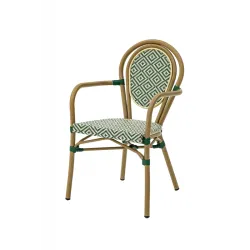
Article number: KOP/RICCARDO.ARM.TRT.2099/HH/STM
A café or restaurant chair must meet the practical needs of daily service while offering comfort. Th..
Is available
86.00€
with VAT: 104.06€
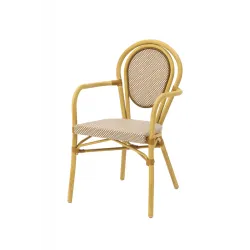
-250x250.webp "Outdoor chair BHS-HoReCa KOP/RICCARDO.ARM.TX.0377/HH/STM")
Article number: KOP/RICCARDO.ARM.TX.0377/HH/STM
A café chair supports guests for hours without sagging or creaking. The RICCARDO ARM 0377 uses an al..
Is available
86.00€
with VAT: 104.06€
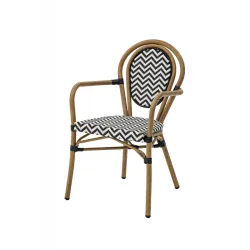
-250x250.webp "Outdoor chair BHS-HoReCa KOP/RICCARDO.ARM.TX.2963/HH/STM")
Article number: KOP/RICCARDO.ARM.TX.2963/HH/STM
A café or restaurant terrace chair must balance comfort, weather resistance and daily wear without s..
Is available
86.00€
with VAT: 104.06€
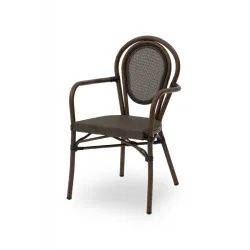
-250x250.webp "Outdoor chair BHS-HoReCa KOP/RICCARDO.ARM.TX.7001/HH/STM")
Article number: KOP/RICCARDO.ARM.TX.7001/HH/STM
A café or restaurant chair built for daily service must balance lightness with strength. The RICCARD..
Is available
86.00€
with VAT: 104.06€
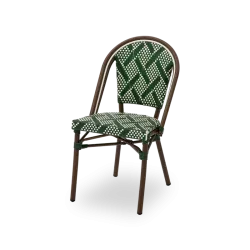
-250x250.webp "Outdoor chair BHS-HoReCa KOP/MATTEO.TRT.7040/HH/STM")
Article number: KOP/MATTEO.TRT.7040/HH/STM
A café or restaurant terrace chair must balance weight, strength and space. The MATTEO 7040 achieves..
Is available
90.00€
with VAT: 108.90€
-250x250.webp "Outdoor chair BHS-HoReCa KOP/LORENZO.TRT.0101/HH/STM")
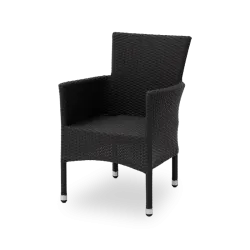
Article number: KOP/LORENZO.TRT.0101/HH/STM
A technorattan chair combines the natural look of woven rattan with the resilience of synthetic mate..
Is available
92.40€
with VAT: 111.80€
-250x250.webp "Outdoor chair BHS-HoReCa KOP/CAMILLO.TRT.0308/HH/STM")
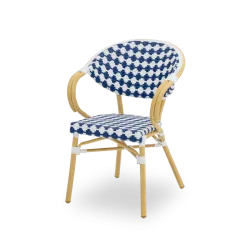
Article number: KOP/CAMILLO.TRT.0308/HH/STM
A café or restaurant terrace chair must balance comfort, durability and ease of handling. The Camill..
Is available
94.00€
with VAT: 113.74€
-250x250.webp "Outdoor chair BHS-HoReCa KOP/CAMILLO.TRT.0903/HH/STM")
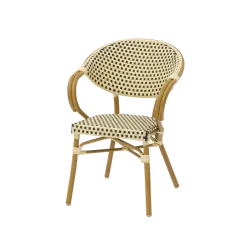
Article number: KOP/CAMILLO.TRT.0903/HH/STM
A café chair built for daily service on terraces and in dining rooms, the Camillo 0903 combines a wo..
Is available
94.00€
with VAT: 113.74€
-250x250.webp "Outdoor chair BHS-HoReCa KOP/CAMILLO.TRT.7040/HH/STM")
-250x250.webp "Outdoor chair BHS-HoReCa KOP/CAMILLO.TRT.7040/HH/STM")
Article number: KOP/CAMILLO.TRT.7040/HH/STM
A café or restaurant terrace chair that stacks neatly out of the way when not in use. The Camillo 70..
Is available
94.00€
with VAT: 113.74€
-250x250.webp "Outdoor chair BHS-HoReCa KOP/FRANCESCO.TX.0377/HH/STM")
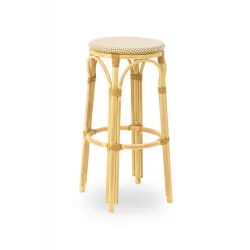
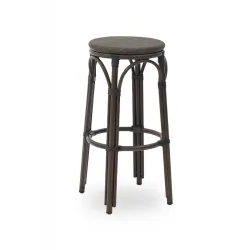
Article number: KOP/FRANCESCO.TX.0377/HH/STM
A hocker built for outdoor catering spaces, the BHS FRANCESCO 0377 combines a lightweight frame with..
Is available
94.00€
with VAT: 113.74€
-250x250.webp "Outdoor chair BHS-HoReCa KOP/FRANCESCO.TX.7001/HH/STM")
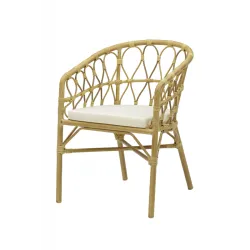
Article number: KOP/FRANCESCO.TX.7001/HH/STM
A hocker designed for outdoor catering spaces, the BHS FRANCESCO 7001 combines seating height with c..
Is available
94.00€
with VAT: 113.74€
-250x250.webp "Outdoor chair BHS-HoReCa KOP/HAWAI.TRP.0317/HH/STM")
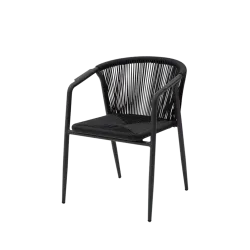
Article number: KOP/HAWAI.TRP.0317/HH/STM
A chair designed for outdoor seating combines lightweight construction with materials that withstand..
Is available
94.00€
with VAT: 113.74€
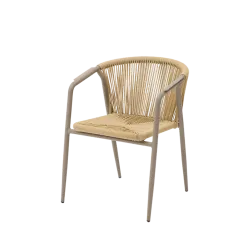
Article number: KOP/LUIGI.TRP.1616/HH/STM
A café or restaurant terrace chair must balance lightness for easy handling with strength for daily ..
Is available
94.00€
with VAT: 113.74€
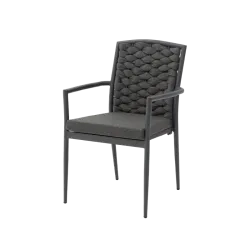
-250x250.webp "Outdoor chair BHS-HoReCa KOP/INTRECCIO.TWI.1616/HH/STM")
Article number: KOP/INTRECCIO.TWI.1616/HH/STM
A stacking chair built for frequent movement between indoor dining rooms and outdoor terraces. The I..
Is available
98.00€
with VAT: 118.58€
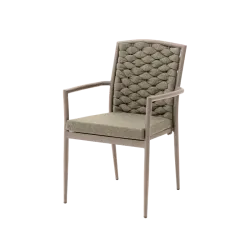
-250x250.webp "Outdoor chair BHS-HoReCa KOP/INTRECCIO.TWI.7116/HH/STM")
Article number: KOP/INTRECCIO.TWI.7116/HH/STM
A chair designed for frequent movement and compact storage, the INTRECCIO 7116 combines a woven tech..
Is available
98.00€
with VAT: 118.58€
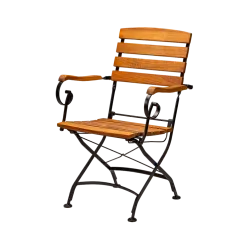
-250x250h.webp "Outdoor chair BHS-HoReCa KOP/LARA.GRAND.01.10/VL/STM")
Article number: KOP/LARA.GRAND.01.10/VL/STM
A folding chair that combines a powder-coated steel frame with a solid acacia wood seat and backrest..
Is available
99.60€
with VAT: 120.52€
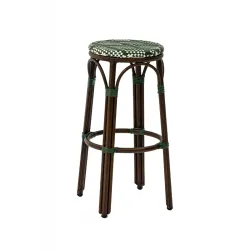
-250x250.webp "Outdoor chair BHS-HoReCa KOP/FRANCESCO.TRT.7040/HH/STM")
Article number: KOP/FRANCESCO.TRT.7040/HH/STM
A stackable hocker built for outdoor catering spaces, the BHS FRANCESCO 7040 combines a lightweight ..
Is available
102.00€
with VAT: 123.42€

-250x250.webp "Outdoor chair BHS-HoReCa KOP/CORDA.TNR.1601/HH/STM")
Article number: KOP/CORDA.TNR.1601/HH/STM
A chair built for outdoor service, the CORDA model wraps a continuous technorattan weave around a li..
Is available
106.00€
with VAT: 128.26€
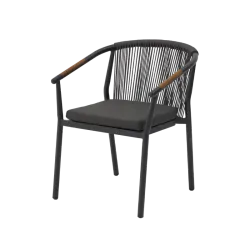
-250x250.webp "Outdoor chair BHS-HoReCa KOP/MODERNO.TRP.1616/HH/STM")
Article number: KOP/MODERNO.TRP.1616/HH/STM
Its construction resists weather, maintaining its look without warping or fading over time.
Delivere..
Is available
106.00€
with VAT: 128.26€
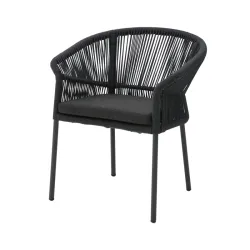
-250x250.webp "Outdoor chair BHS-HoReCa KOP/AUGUSTO.TRP.1616/HH/STM")
Article number: KOP/AUGUSTO.TRP.1616/HH/STM
A stackable outdoor chair built for repeated use in commercial settings, the AUGUSTO 1616 combines a..
Is available
126.00€
with VAT: 152.46€
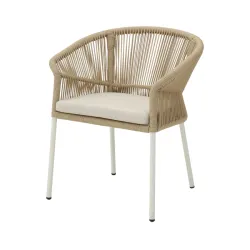
-250x250.webp "Outdoor chair BHS-HoReCa KOP/AUGUSTO.TRP.3017/HH/STM")
Article number: KOP/AUGUSTO.TRP.3017/HH/STM
A technorattan chair designed for outdoor seating combines a synthetic weave with a frame that resis..
Is available
126.00€
with VAT: 152.46€
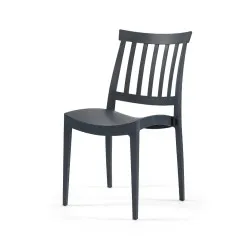
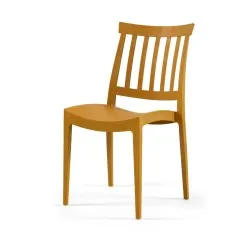
Article number: 3G-SaraChair
A chair built for the demands of a professional catering kitchen, where staff stand for long shifts ..
Is available
133.50€
with VAT: 161.54€