

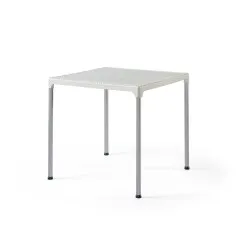
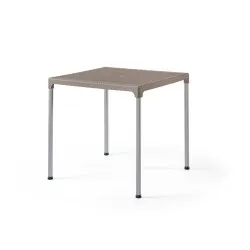
Article number: 3G-TableAlgarve
A worktop that carries prep loads without absorbing moisture or staining from acids and oils. The po..
Is available
49.00€
with VAT: 59.29€
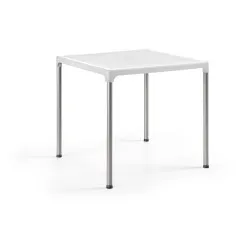
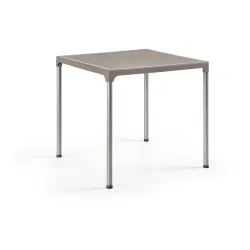
Article number: 3G-TableIBIZA
A polypropylene worktop mounted on aluminium legs provides a stable, non-porous surface for food pre..
Is available
49.00€
with VAT: 59.29€
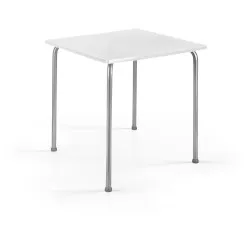
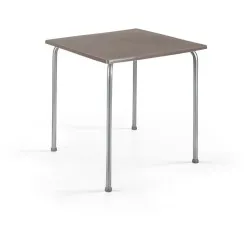
Article number: 3G-TableHotel
A work table built for the pace of professional kitchens, the BHS Table HOTEL provides a flat, non-p..
Is available
129.00€
with VAT: 156.09€
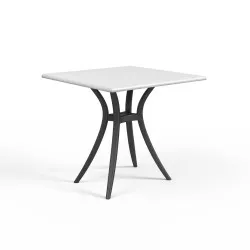
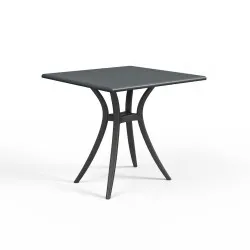
Article number: 3G-TableClasicMelamine19
This classic table features a melamine worktop designed for durability in demanding environments. Th..
Is available
136.00€
with VAT: 164.56€
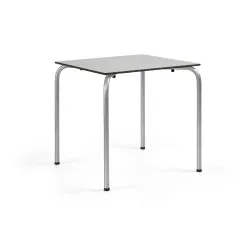
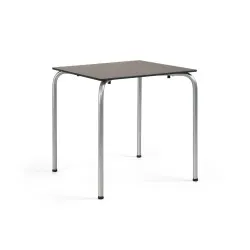
Article number: 3G-TableMare
A work surface built for the pace of professional kitchens, the Table MARE provides a rigid, non-por..
Is available
139.00€
with VAT: 168.19€
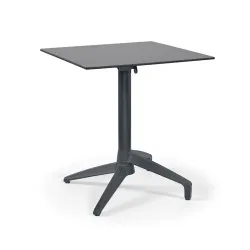
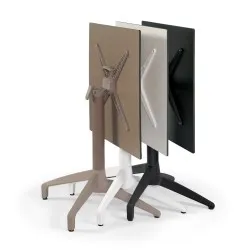
Article number: 3G-03.02220.954
A folding worktop that creates an instant extra surface in a professional kitchen or service area. W..
Is available
140.00€
with VAT: 169.40€
Article number: 3G-03.03291.00
A folding worktop creates temporary bench space that collapses out of the way when not needed. The t..
Is available
140.00€
with VAT: 169.40€
Article number: 3G-03.03293.900
A folding worktop that unfolds to a square metre of temporary bench space and folds flat for storage..
Is available
140.00€
with VAT: 169.40€
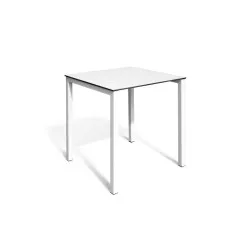
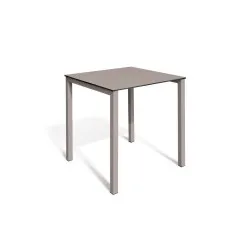
Article number: 3G-TableHost
A steady work surface is the foundation of any catering operation, whether indoors or exposed to the..
Is available
149.00€
with VAT: 180.29€
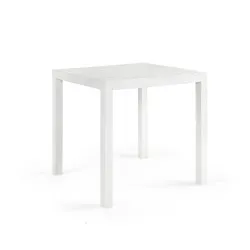
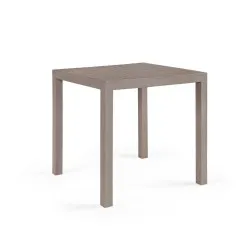
Article number: 3G-TableWoody
A worktop that carries ingredients, utensils and small appliances without flexing or shifting under ..
Is available
159.00€
with VAT: 192.39€
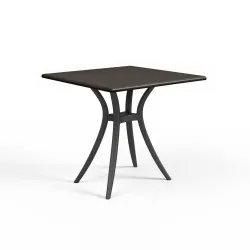
Article number: 3G-TableClasicMelamine38
A solid melamine worktop provides a stable, hygienic surface for food preparation, plating and kitch..
Is available
164.00€
with VAT: 198.44€
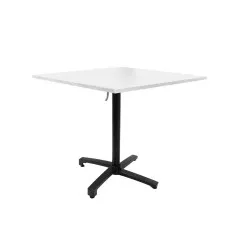
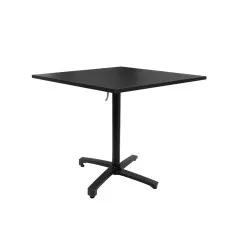
Article number: 3G-TablePortoMelamine19
A melamine worktop provides a smooth, non-porous surface that resists moisture, stains and scratches..
Is available
164.00€
with VAT: 198.44€
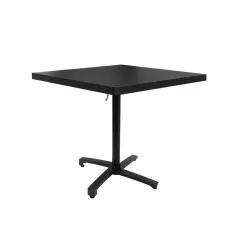
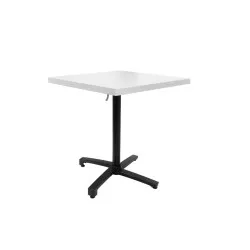
Article number: 3G-TablePortoMelamine38
A melamine-topped worktable built for the demands of a professional kitchen. The Table Porto provide..
Is available
176.00€
with VAT: 212.96€
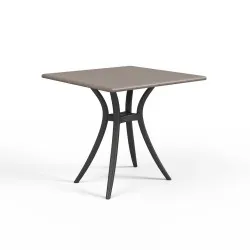
Article number: 3G-TableClasicPhenolicCompact
A phenolic compact table provides a rigid, non-porous work surface that resists heat, moisture and c..
Is available
192.00€
with VAT: 232.32€
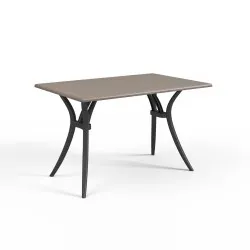
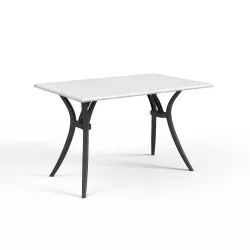
Article number: 3G-TableClasicXLMelamine19
A solid melamine worktop provides a durable, hygienic surface for food preparation, plating and asse..
Is available
230.00€
with VAT: 278.30€
Article number: 3G-TableClasicXLMelamine38
A solid worktop built for the demands of professional catering, the BHS Table Classic XL provides a ..
Is available
270.00€
with VAT: 326.70€
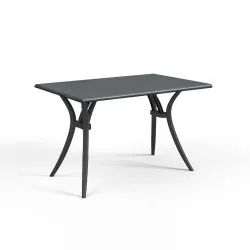
Article number: 3G-TableClasicXLPhenolicCompact
A solid phenolic-resin worktop forms the heart of any organised kitchen station. The material resist..
Is available
336.00€
with VAT: 406.56€