

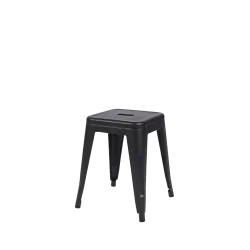
Article number: KL/T.PARIS100/BS/STM
A stacking chair built for frequent handling in professional dining spaces, the PARIS100 TOLIX model..
Is available
32.99€
with VAT: 39.92€
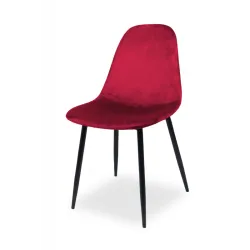
-250x250.webp "Café chair BHS-HoReCa KKT/BELLA.MILANO.294/PK/STM")
Article number: KKT/BELLA.MILANO.294/PK/STM
A seating solution designed for demanding environments, the BELLA MILANO chair pairs a welded steel ..
Is available
39.99€
with VAT: 48.39€
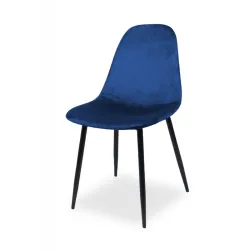
-250x250.webp "Café chair BHS-HoReCa KKT/BELLA.MILANO.396/PK/STM")
Article number: KKT/BELLA.MILANO.396/PK/STM
A seating unit built for the rhythm of professional catering, the BELLA MILANO chair combines a weld..
Is available
39.99€
with VAT: 48.39€
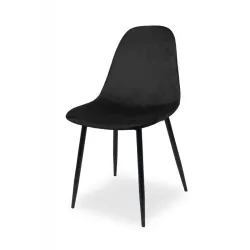
-250x250.webp "Café chair BHS-HoReCa KKT/BELLA.MILANO.685/PK/STM")
Article number: KKT/BELLA.MILANO.685/PK/STM
A chair designed for commercial catering spaces must balance comfort, durability and a compact footp..
Is available
39.99€
with VAT: 48.39€
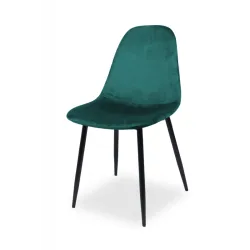
-250x250.webp "Café chair BHS-HoReCa KKT/BELLA.MILANO.931/PK/STM")
Article number: KKT/BELLA.MILANO.931/PK/STM
A green velour chair built for the pace of professional dining rooms, the BELLA MILANO combines a we..
Is available
39.99€
with VAT: 48.39€
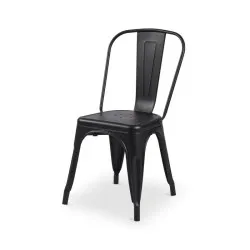
-250x250.webp "Café chair BHS-HoReCa KL/K.PARIS100/BS/STM")
Article number: KL/K.PARIS100/BS/STM
This stacking chair is built for busy catering environments where seating must be moved and stored e..
Is available
39.99€
with VAT: 48.39€
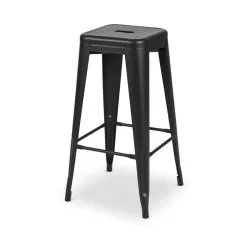
Article number: KL/H.PARIS100/BS/STM
A stacking chair built for the demands of professional catering, where seating must be moved, stored..
Is available
44.99€
with VAT: 54.44€
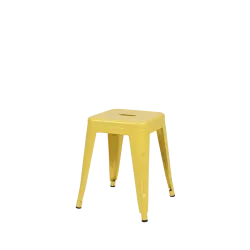
Article number: KL/T.PARIS00/BS/STM
A classic stacking chair built for the demands of professional catering, the TOLIX PARIS00 brings in..
Is available
45.99€
with VAT: 55.65€
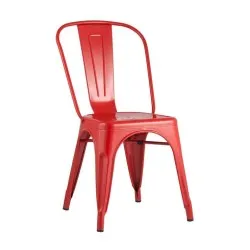
Article number: KL/K.PARIS00.1/BS/STM
This stackable steel chair is designed for environments where seating must be moved and stored effic..
Is available
55.99€
with VAT: 67.75€
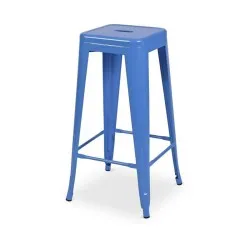
Article number: KL/H.PARIS00/BS/STM
A stackable steel chair built for the demands of professional catering and hospitality, the TOLIX PA..
Is available
64.99€
with VAT: 78.64€
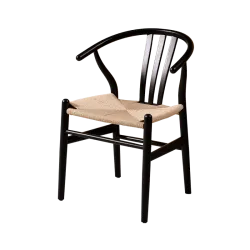
-250x250.webp "Café chair BHS-HoReCa KDR/WISHBONE.4001/JK/STM")
Article number: KDR/WISHBONE.4001/JK/STM
A dining chair built on the wishbone principle combines a curved backrest with a Y-shaped frame that..
Is available
87.40€
with VAT: 105.75€
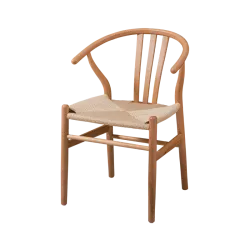
-250x250.webp "Café chair BHS-HoReCa KDR/WISHBONE.4030/JK/STM")
Article number: KDR/WISHBONE.4030/JK/STM
A chair built for the rhythm of a working dining room, where each seat sees dozens of covers a day y..
Is available
87.40€
with VAT: 105.75€
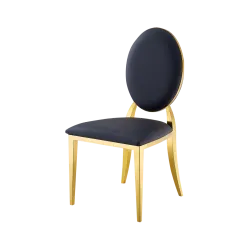
-250x250h.webp "Restaurant chair BHS-HoReCa KSM/GLAMOUR.ALL.TAP.B60.100/FS/STM")
Article number: KSM/GLAMOUR.ALL.TAP.B60.100/FS/STM
A chair designed for swift transformation of event spaces, the GLAMOUR ALL TAP combines a lightweigh..
Is available
129.80€
with VAT: 157.06€
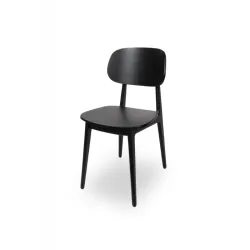
-250x250.webp "Café chair BHS-HoReCa KDR/NORM.015/RV/STM")
Article number: KDR/NORM.015/RV/STM
A chair built for the rhythm of professional catering, where staff and guests sit down and stand up ..
Is available
145.40€
with VAT: 175.93€
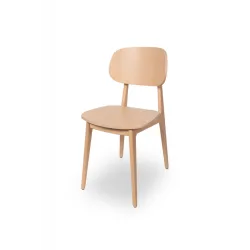
-250x250.webp "Café chair BHS-HoReCa KDR/NORM.095/RV/STM")
Article number: KDR/NORM.095/RV/STM
A sturdy seating solution designed for the demands of professional catering spaces, the BHS Chair NO..
Is available
145.40€
with VAT: 175.93€
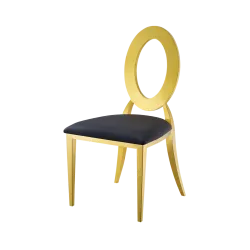
-250x250h.webp "Restaurant chair BHS-HoReCa KSM/GLAMOUR.TAP.B60.100/FS/STM")
Article number: KSM/GLAMOUR.TAP.B60.100/FS/STM
A chair designed for weddings and celebrations, the GLAMOUR TAP combines a lightweight stainless-ste..
Is available
148.80€
with VAT: 180.05€
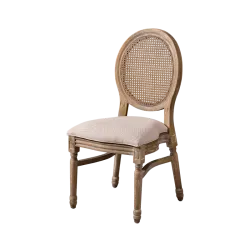
-250x250.webp "Wedding chair BHS-HoReCa KDR/MEDALION.2080/JK/STM")
Article number: KDR/MEDALION.2080/JK/STM
Designed for commercial environments, the MEDALION 2080 chair offers lasting stability and comfort. ..
Is available
153.80€
with VAT: 186.10€
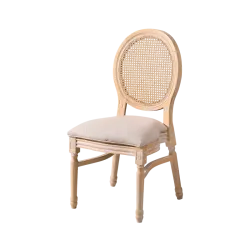
-250x250.webp "Wedding chair BHS-HoReCa KDR/MEDALION.RT.2060/JK/STM")
Article number: KDR/MEDALION.RT.2060/JK/STM
A wooden chair built for daily use in restaurants, hotels and event spaces, where appearance and end..
Is available
153.80€
with VAT: 186.10€
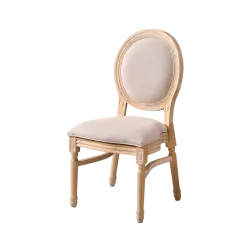
-250x250.webp "Wedding chair BHS-HoReCa KDR/MONARCH.FULL.TAP.2060/JK/STM")
Article number: KDR/MONARCH.FULL.TAP.2060/JK/STM
A wooden chair built for the rhythm of event service, where staff and guests sit repeatedly over lon..
Is available
153.80€
with VAT: 186.10€
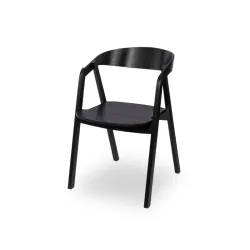
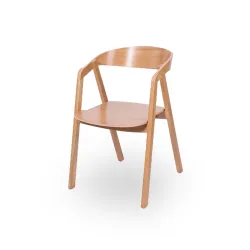
-250x250.webp "Café chair BHS-HoReCa KDR/FUTURA.011/RV/STM")
Article number: KDR/FUTURA.011/RV/STM
A solid oak dining chair built to support a 120 kg load while keeping its own weight at 5.8 kg. The ..
Is available
163.00€
with VAT: 197.23€
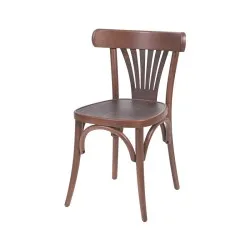
-250x250.webp "Café chair BHS-HoReCa KDR/FUTURA.080/RV/STM")
Article number: KDR/FUTURA.080/RV/STM
A stacking chair built for daily service in cafés, restaurants and hotels, the FUTURA 080 combines t..
Is available
163.00€
with VAT: 197.23€
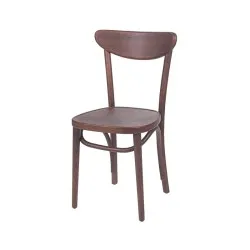
-250x250.webp "Café chair BHS-HoReCa KDG/LEGEND.10.45/FH/STM")
Article number: KDG/LEGEND.10.45/FH/STM
A chair built for the rhythm of service, the LEGEND model by BHS uses solid beechwood to carry the w..
Is available
167.40€
with VAT: 202.55€
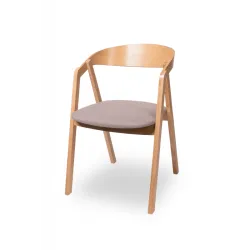
-250x250.webp "Café chair BHS-HoReCa KDG/BOOMERANG.10.45/FH/STM")
Article number: KDG/BOOMERANG.10.45/FH/STM
A chair that carries its own weight with ease, the Boomerang model from BHS is shaped from a single ..
Is available
169.99€
with VAT: 205.69€
-250x250.webp "Café chair BHS-HoReCa KDR/FUTURA.TAP.080.C02/RV/STM")
Article number: KDR/FUTURA.TAP.080.C02/RV/STM
A stacking chair built for daily service in restaurants, cafés and hotels, where space is saved with..
Is available
175.80€
with VAT: 212.72€
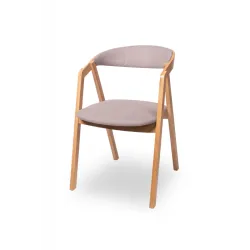
-250x250.webp "Café chair BHS-HoReCa KDR/FUTURA.ALL.TAP.080.C02/RV/STM")
Article number: KDR/FUTURA.ALL.TAP.080.C02/RV/STM
A stacking chair designed for busy hospitality settings like restaurants, cafés, and hotels. The FUT..
Is available
184.40€
with VAT: 223.12€
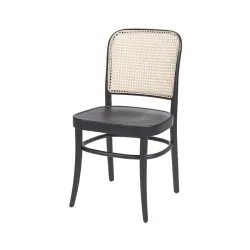
-250x250.webp "Café chair BHS-HoReCa KDG/LOOMI.RT.811.30.95/FH/STM")
Article number: KDG/LOOMI.RT.811.30.95/FH/STM
A wooden chair built for the rhythm of professional dining, the LOOMI 811 balances lightness with th..
Is available
258.00€
with VAT: 312.18€