

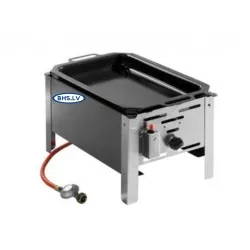
Article number: 154601
A gas pann heats a flat metal tray directly with a burner flame beneath, transferring heat evenly ac..
Is available
163.00€
with VAT: 197.23€
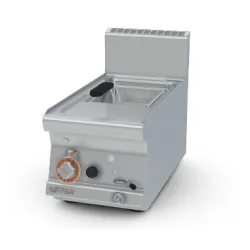
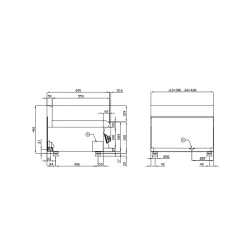
Article number: 16260350
This LOTUS F8T-63G is a gas fryer for professional kitchens.
Fryers heat oil for rapid cooking, crea..
Is available
1,299.00€
with VAT: 1,571.79€
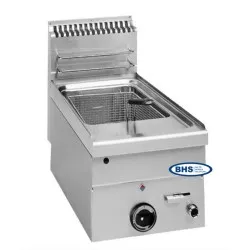
Article number: GF46
A gas fryer transfers heat from a burner beneath the vat directly into the oil, raising its temperat..
Is available
1,319.00€
with VAT: 1,595.99€
-250x250w.webp "Gas fryer CASTA P7/FRG1V8")
Article number: P7/FRG1V8
A gas fryer heats a measured volume of oil with a burner beneath the vat, raising the temperature qu..
Is available
1,669.00€
with VAT: 2,019.49€
Article number: MFRG74T
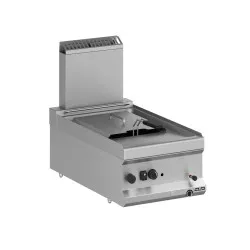
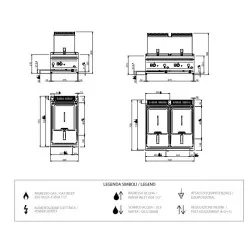
A gas fryer heats cooking oil by burning gas beneath a stainless steel tank. The burner produces a h..
Is available
1,669.00€
with VAT: 2,019.49€
Article number: CFG10
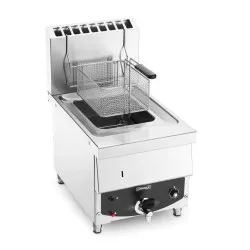
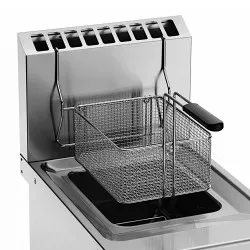
A gas fryer heats cooking oil by burning natural gas or propane beneath a stamped stainless-steel ta..
Is available
1,679.00€
with VAT: 2,031.59€
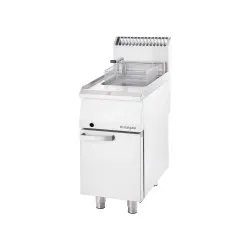

Article number: 9725110
A gas fryer heats oil by burning gas beneath a vat, transferring energy directly to the oil. The col..
Is available
1,721.25€
with VAT: 2,082.71€
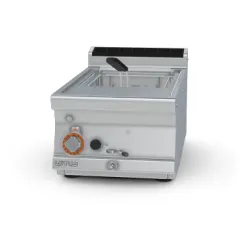
Article number: 18260450
A gas fryer heats a tank of oil with a burner beneath, raising the oil to frying temperature quickly..
Is available
1,729.00€
with VAT: 2,092.09€
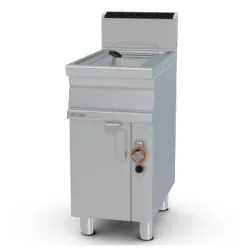
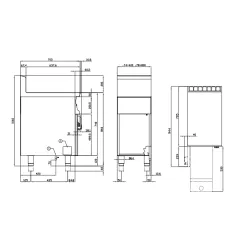
Article number: 08260450
A gas fryer heats a fixed volume of oil with a burner beneath the vat. The burner's flame transfers ..
Is available
1,759.00€
with VAT: 2,128.39€
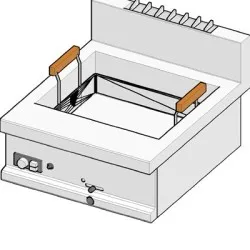
Article number: 40032050
Confectioner's fryers operate by heating oil within a tank to a specific temperature, allowing food ..
Is available
1,799.00€
with VAT: 2,176.79€
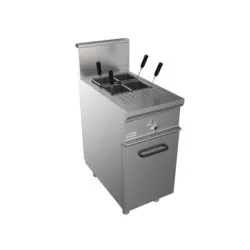
Article number: E7/KPG1V40
This CASTA E7/KPG1V40 is a gas fryer designed for preparing pasta. It features a 1.2 mm thick AISI 3..
Is available
1,829.00€
with VAT: 2,213.09€
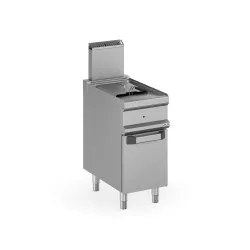
Article number: MFRG74A
The MBM MAGISTRA PLUS 700 is a gas-powered fryer designed for professional catering. This unit has a..
Is available
1,859.00€
with VAT: 2,249.39€
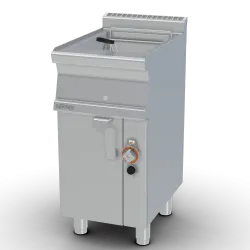
Article number: 06260450
A gas fryer heats cooking oil with a burner beneath the tank, raising the oil to the temperature nee..
Is available
1,869.00€
with VAT: 2,261.49€
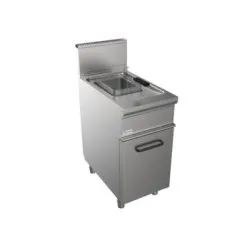
Article number: E7/FLG1V13
This CASTA EASY 700 E7/FLG1V13 is a professional gas fryer with a 13-litre capacity.
Heat is supplie..
Is available
1,889.00€
with VAT: 2,285.69€
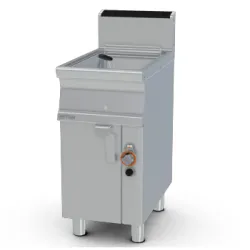
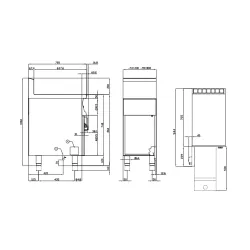
Article number: 08260451
A gas fryer heats cooking oil with a high-efficiency burner beneath the vat, raising the temperature..
Is available
1,889.00€
with VAT: 2,285.69€
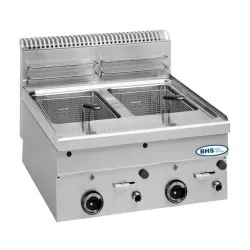
Article number: GF66
The MBM F62G 8+8 litres is a gas-powered fryer, article code GF66. This unit is designed with two in..
Is available
1,944.00€
with VAT: 2,352.24€
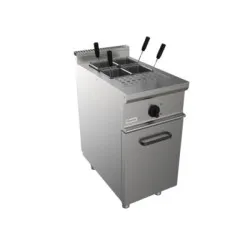
Article number: E7/KPE1V40
An electric fryer designed for continuous pasta preparation in professional kitchens, the CASTA EASY..
Is available
1,989.00€
with VAT: 2,406.69€
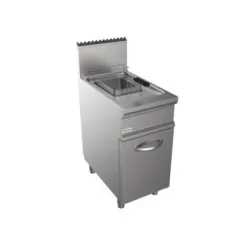
Article number: L7/FLG1V13
This CASTA LADY 700 gas fryer, article L7/FLG1V13, is a professional 13-litre appliance designed for..
Is available
1,999.00€
with VAT: 2,418.79€
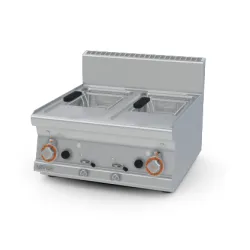
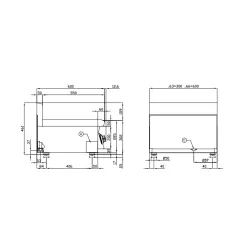
Article number: 16260650
A gas fryer heats cooking oil by burning natural gas or LPG beneath a deep tank. The large heating s..
Is available
1,999.00€
with VAT: 2,418.79€
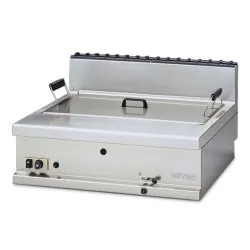
Article number: 40033050
A gas-fired fryer designed for confectionery work heats a 28 litre tank of oil to the steady tempera..
Is available
1,999.00€
with VAT: 2,418.79€
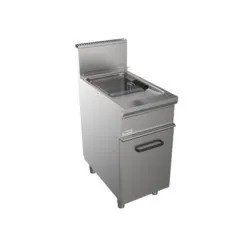
Article number: E7/FLG1V17
A gas fryer heats cooking oil by passing gas flames through internal tubes submerged in the oil. The..
Is available
2,059.00€
with VAT: 2,491.39€
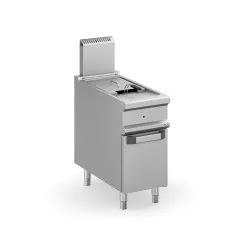
Article number: MFRG94A
A gas fryer heats cooking oil by burning natural gas or propane beneath a stainless-steel tank. The ..
Is available
2,079.00€
with VAT: 2,515.59€
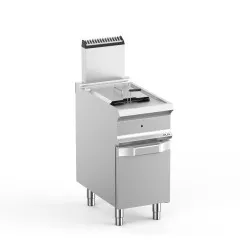
Article number: FRG74A
A gas fryer heats cooking oil with a direct flame beneath a stainless-steel vat, transferring energy..
Is available
2,099.00€
with VAT: 2,539.79€
/BHS-GF2110-040EV+S03(11)-250x250w.webp "Gas fryer BHS-G GF2110-040EV+S03")
/BHS-GF2110-040EV+S03(1)-250x250w.webp "Gas fryer BHS-G GF2110-040EV+S03")
Article number: GF2110-040EV+S03
This BHS-G GF2110-040EV+S03 is a 13 litre gas fryer incorporating a cold zone. Fryers operate by hea..
Is available
2,179.00€
with VAT: 2,636.59€
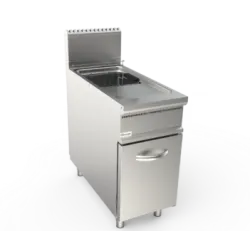
Article number: L9/FLG1V17
The CASTA L9/FLG1V17 is a professional gas fryer designed for commercial kitchens. This unit feature..
Is available
2,179.00€
with VAT: 2,636.59€
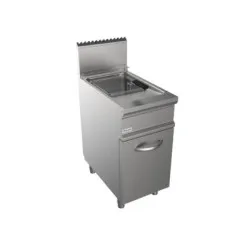
Article number: L7/FLG1V17
This CASTA L7/FLG1V17 is a gas-powered fryer featuring an integrated cabinet base. It offers a subst..
Is available
2,189.00€
with VAT: 2,648.69€
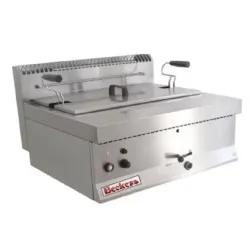
Article number: FPI070G21
This CASTA gas pastry fryer, article FPI070G21, is designed for professional use.
A gas fryer operat..
Is available
2,239.00€
with VAT: 2,709.19€
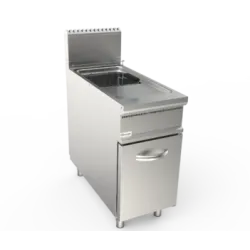
Article number: LQ/FLG1V17
This CASTA LQ/FLG1V17 is a professional gas fryer featuring a cabinet base. Its construction is from..
Is available
2,239.00€
with VAT: 2,709.19€
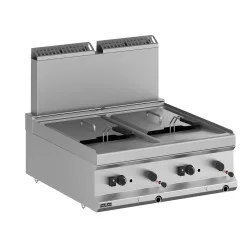
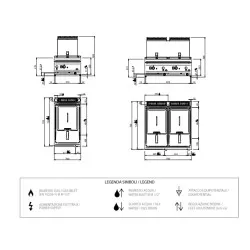
Article number: MFRG77T
This gas fryer features two separate 9 litre vats, each heated by a high-output stainless-steel burn..
Is available
2,269.00€
with VAT: 2,745.49€
Article number: 09260450
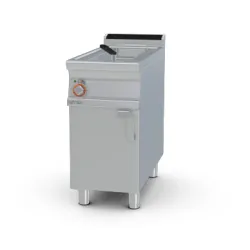
A gas fryer designed for continuous frying in professional kitchens, combining a high-output burner ..
Is available
2,289.00€
with VAT: 2,769.69€
-250x250w.webp "Gas fryer MBM FRG94A")
Article number: FRG94A
A gas fryer on a closed stand heats cooking oil with a direct gas burner beneath the tank, transferr..
Is available
2,289.00€
with VAT: 2,769.69€
Article number: 18260452
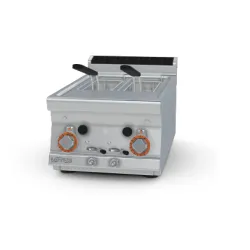
A gas fryer with two independent 8 litre tanks lets a professional kitchen fry two different foods a..
Is available
2,299.00€
with VAT: 2,781.79€
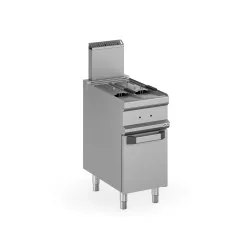
Article number: MFRG74A2V
A gas fryer with two independent 7 litre tanks heats cooking oil by direct flame beneath seamless st..
Is available
2,299.00€
with VAT: 2,781.79€
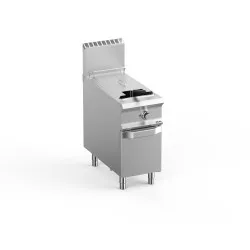
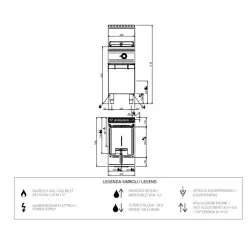
Article number: FRVG94A
A gas fryer heats a deep bath of oil with a high-output stainless steel burner positioned beneath th..
Is available
2,349.00€
with VAT: 2,842.29€
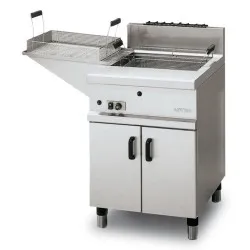
Article number: 40342050
A gas-fired fryer designed for confectionery work heats a deep, wide vat of oil to the steady temper..
Is available
2,399.00€
with VAT: 2,902.79€

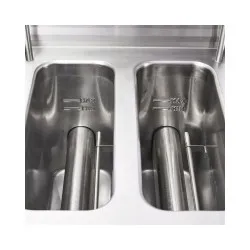
Article number: 9725210
A gas fryer built for continuous frying in professional kitchens, this Stalgast unit heats two 7 lit..
Is available
2,403.00€
with VAT: 2,907.63€
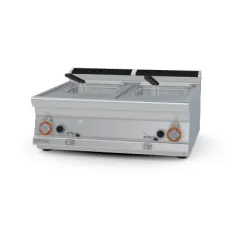
Article number: 18260850
A gas fryer with two independent tanks divides frying tasks between two baskets, letting one batch c..
Is available
2,419.00€
with VAT: 2,926.99€
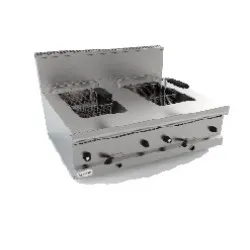
Article number: P7/FRG2V8
A gas fryer heats a vat of oil with a burner beneath the tank, transferring energy directly into the..
Is available
2,429.00€
with VAT: 2,939.09€
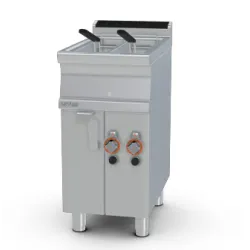
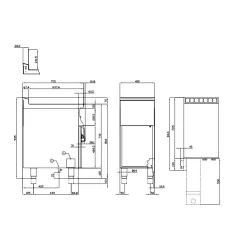
Article number: 08260452
A gas fryer with two independent 8 L vats heats oil rapidly and maintains an even temperature across..
Is available
2,449.00€
with VAT: 2,963.29€

Article number: 09260451
A gas fryer that heats a fixed volume of oil with direct burners beneath the tank, transferring heat..
Is available
2,449.00€
with VAT: 2,963.29€
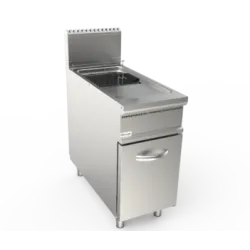
Article number: LQ/FLG1V22
A gas fryer heats cooking oil by burning natural gas or propane in high-efficiency burners beneath t..
Is available
2,479.00€
with VAT: 2,999.59€
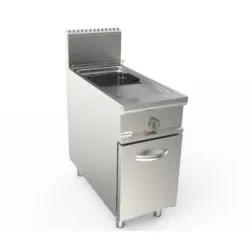
Article number: LQ/FRG1V17
A gas fryer heats oil by burning gas beneath the tank, transferring heat through external heat excha..
Is available
2,479.00€
with VAT: 2,999.59€
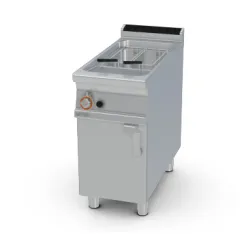
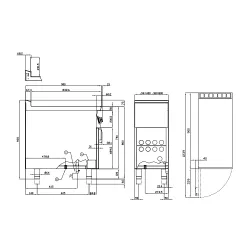
Article number: 09330451
A gas fryer heats a tank of oil with external burners positioned beneath the vat, transferring heat ..
Is available
2,549.00€
with VAT: 3,084.29€
/BHS-GF2210-040EV+S03_BHS.LV-250x250w.webp "Gas fryer BHS-G GF2210-040EV+S03")
/BHS-GF2210-040EV+S03_BHS.LV(1)-250x250w.webp "Gas fryer BHS-G GF2210-040EV+S03")
Article number: GF2210-040EV+S03
A gas fryer that separates food debris from hot oil, keeping the oil cleaner for longer. Two 8 L vat..
Is available
2,579.00€
with VAT: 3,120.59€
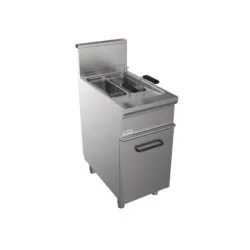
Article number: E7/FLG2V8
This CASTA EASY 700 E7/FLG2V8 is a gas fryer designed for professional kitchens. It features two ind..
Is available
2,589.00€
with VAT: 3,132.69€
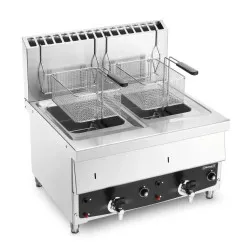
Article number: CFG102
A gas fryer heats cooking oil with a burner beneath each vat, transferring heat directly into the oi..
Is available
2,599.00€
with VAT: 3,144.79€
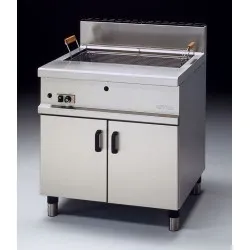
Article number: 40343050
A gas-powered fryer designed for confectionery work, where the oil must stay at a steady temperature..
Is available
2,639.00€
with VAT: 3,193.19€
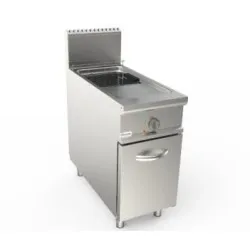
Article number: LQ/FRG1V21
A gas fryer heats cooking oil by burning gas beneath the tank, transferring heat through external he..
Is available
2,659.00€
with VAT: 3,217.39€
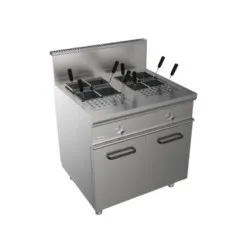
Article number: E7/KPG2V80
This CASTA EASY 700 gas fryer, article E7/KPG2V80, is specifically designed for pasta preparation. F..
Is available
2,689.00€
with VAT: 3,253.69€
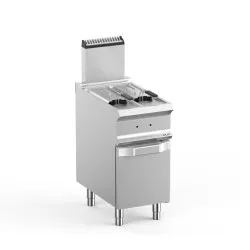
Article number: FRG74A2V
A professional gas fryer heats two independent vats of oil with direct gas burners beneath each tank..
Is available
2,689.00€
with VAT: 3,253.69€
-250x250w.webp "Gas fryer CASTA L9/FLG2V8")
Article number: L9/FLG2V8
The CASTA Lady 900 L9/FLG2V8 is a gas fryer designed for professional kitchens. The top table is pre..
Is available
2,699.00€
with VAT: 3,265.79€
/BHS-GF2112-040GV+S03-250x250w.webp "Gas fryer BHS-G GF2112-040GV+S03")
/BHS-GF2112-040GV+S03(2)-250x250w.webp "Gas fryer BHS-G GF2112-040GV+S03")
Article number: GF2112-040GV+S03
A gas fryer heats a deep vat of oil with a burner beneath the tank. The cold zone at the bottom coll..
Is available
2,799.00€
with VAT: 3,386.79€
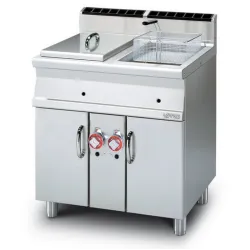
Article number: 08260850
A gas fryer designed for high-volume frying in professional kitchens, combining two 13-litre vats wi..
Is available
2,849.00€
with VAT: 3,447.29€
Article number: 09260452
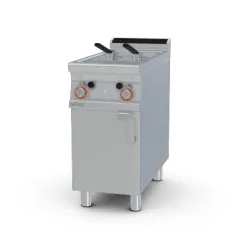
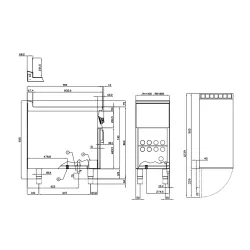
A gas fryer that heats two independent tanks of oil with direct flame burners, allowing simultaneous..
Is available
2,849.00€
with VAT: 3,447.29€
Article number: L7/FLG2V8
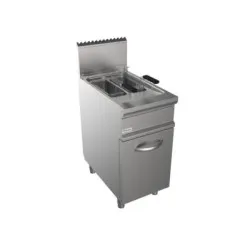
A gas fryer with two independent 8 L tanks lets a busy kitchen run two batches at once or keep separ..
Is available
2,859.00€
with VAT: 3,459.39€
Article number: LQ/FLG2V8
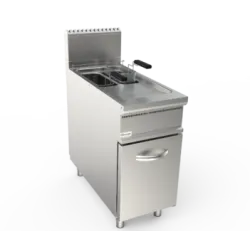
A professional gas fryer with twin 8 L vats heats cooking oil by passing gas flames through internal..
Is available
2,859.00€
with VAT: 3,459.39€
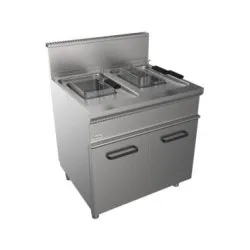
Article number: E7/FLG2V13
A gas fryer with twin 13 L tanks heats cooking oil by passing gas flames through internal flame tube..
Is available
2,929.00€
with VAT: 3,544.09€
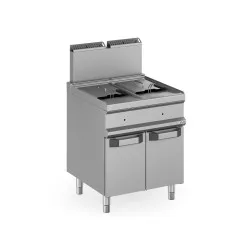
Article number: MFRG77A
This MBM MAGISTRA PLUS 700 is a gas fryer, article MFRG77 A. It is designed for professional kitchen..
Is available
2,959.00€
with VAT: 3,580.39€
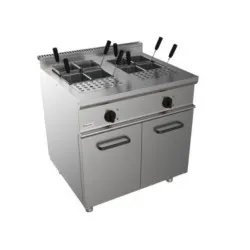
Article number: E7/KPE2V80
An electric pasta fryer heats two independent vats of water to a controlled temperature, allowing pa..
Is available
2,979.00€
with VAT: 3,604.59€
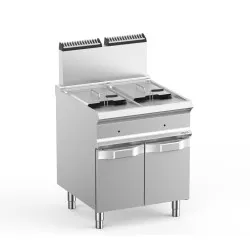
Article number: FRG77A
A gas fryer built for continuous service in professional kitchens, the MBM DOMINA PRO 700 heats two ..
Is available
3,029.00€
with VAT: 3,665.09€
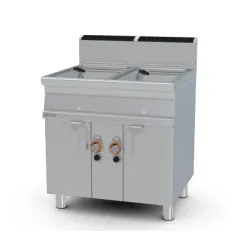
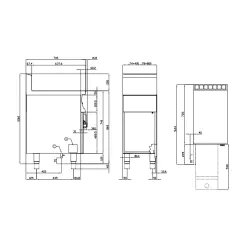
Article number: 08260851
A gas fryer designed for high-volume frying in professional kitchens, this LOTUS model heats oil in ..
Is available
3,049.00€
with VAT: 3,689.29€
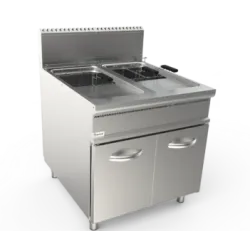
Article number: L9/FLGV17
This appliance operates by heating cooking oil within two separate tanks. The heat is generated by g..
Is available
3,289.00€
with VAT: 3,979.69€
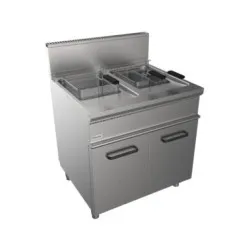
Article number: E7/FLG2V17
A gas fryer heats cooking oil by burning gas in flame tubes submerged below the oil. The tubes trans..
Is available
3,319.00€
with VAT: 4,015.99€
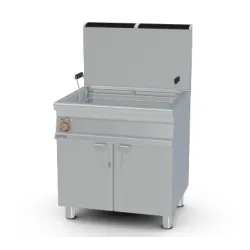
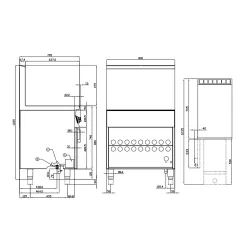
Article number: 08260855
A gas fryer heats a deep vat of oil with a high-efficiency burner beneath the tank. The burner fires..
Is available
3,339.00€
with VAT: 4,040.19€
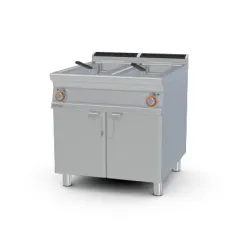
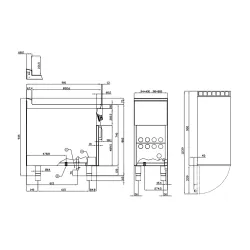
Article number: 09260850
This gas fryer features two separate 18-litre tanks, allowing simultaneous frying of different items..
Is available
3,339.00€
with VAT: 4,040.19€
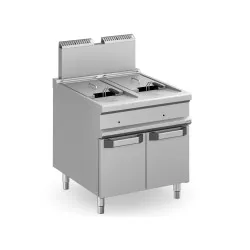
Article number: MFRG98A
A gas fryer heats two separate vats of oil with high-output stainless steel burners, each producing ..
Is available
3,389.00€
with VAT: 4,100.69€
/BHS-GF2210-080EV+S05-250x250w.webp "Gas fryer BHS-G GF2210-080EV+S05")
/BHS-GF2210-080EV+S053-250x250w.webp "Gas fryer BHS-G GF2210-080EV+S05")
Article number: GF2210-080EV+S05
A gas fryer that keeps frying oil below the food so crumbs and batter settle into a cool layer inste..
Is available
3,519.00€
with VAT: 4,257.99€
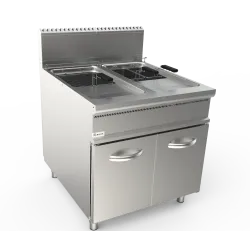
Article number: LQ/FLG2V17
A professional gas fryer that heats two independent tanks of oil by passing natural gas through flam..
Is available
3,529.00€
with VAT: 4,270.09€
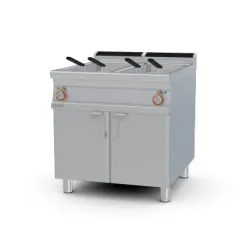
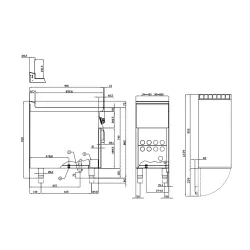
Article number: 09260851
A gas fryer with twin 25 litre tanks heats oil rapidly for high-volume frying, using direct flame be..
Is available
3,649.00€
with VAT: 4,415.29€
Article number: LQ/FRG2V17
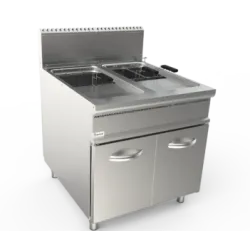
This CASTA gas fryer with cabinet, model LQ/FRG2V17, is designed for professional catering use.
Frye..
Is available
3,679.00€
with VAT: 4,451.59€
Article number: FRG98A
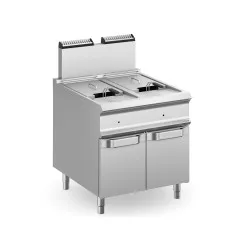
A gas fryer heats two independent vats of oil with direct flame burners beneath each tank. The heat ..
Is available
3,799.00€
with VAT: 4,596.79€

Article number: AMZ0060
A gas fryer heats cooking oil with a high-efficiency cast iron burner housed in an insulated combust..
Is available
3,889.00€
with VAT: 4,705.69€
Article number: LQ/FLG2V22
The CASTA LQ/FLG2V22 is a professional gas fryer featuring a cabinet base. This appliance is constru..
Is available
3,999.00€
with VAT: 4,838.79€
Article number: LQ/FRG2V21
A gas fryer heats cooking oil by burning gas in tubular burners beneath the tank. The heat rises thr..
Is available
3,999.00€
with VAT: 4,838.79€
Article number: 09330851
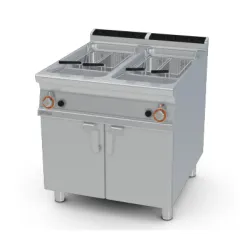
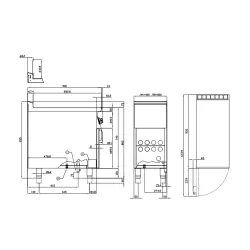
A gas fryer designed for high-volume frying in professional kitchens, this LOTUS model combines two ..
Is available
3,999.00€
with VAT: 4,838.79€
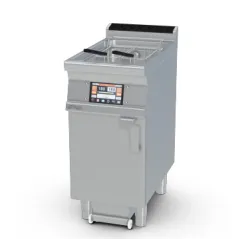
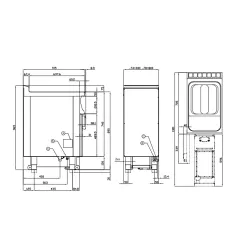
Article number: 0832A450
A gas fryer heats a vat of oil with high-efficiency external burners, transferring heat evenly throu..
Is available
4,699.00€
with VAT: 5,685.79€
/BHS-GF2212-080GV+S05-250x250w.webp "Gas fryer BHS-G GF2212-080GV+S05")
/BHS-GF2112-040GV+S03(3)-250x250h.webp "Gas fryer BHS-G GF2212-080GV+S05")
Article number: GF2212-080GV+S05
A gas fryer that keeps oil clean by trapping food debris below the heating zone, preventing burnt pa..
Is available
4,879.00€
with VAT: 5,903.59€
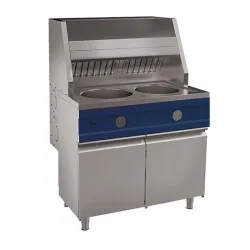
Article number: AMZ0061
This Virtus Gas Fryer, article AMZ0061, is a professional cooking appliance designed for high-volume..
Is available
5,589.00€
with VAT: 6,762.69€
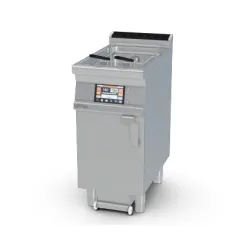
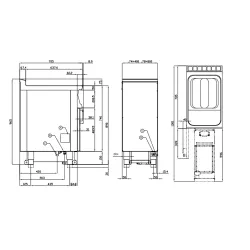
Article number: 0832A451
A gas fryer that combines rapid heat-up with precise temperature management, this LOTUS unit uses hi..
Is available
6,239.00€
with VAT: 7,549.19€
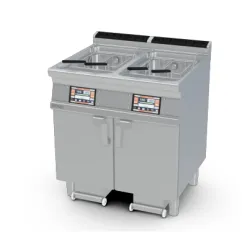
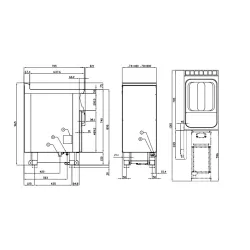
Article number: 0832A850
A gas fryer that combines two 18-litre vats with a built-in neutral cabinet, designed for continuous..
Is available
8,599.00€
with VAT: 10,404.79€
-250x250h.webp "Gas fryer Virtus AMZ0062")
Article number: AMZ0062
A gas fryer built for continuous frying in professional kitchens, this Virtus model heats three 13-l..
Is available
9,199.00€
with VAT: 11,130.79€
Article number: 0832A851
A gas-powered fryer designed for continuous service in professional kitchens, combining two 18-litre..
Is available
11,239.00€
with VAT: 13,599.19€