

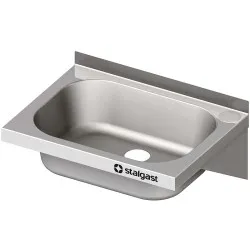
Article number: 9810264040
A stainless steel sink built for the demands of a commercial kitchen, where space is measured and ev..
Is available
94.50€
with VAT: 114.35€
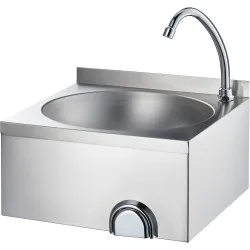
Article number: 610004
A contactless washbasin that frees the hands by using a knee switch to start the water flow. The ope..
Is available
142.80€
with VAT: 172.79€
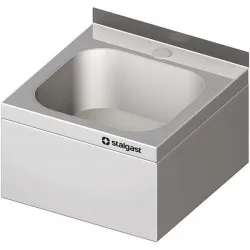
Article number: 981424240
A stainless steel sink unit built into the worktop provides a fixed washing and rinsing station in p..
Is available
148.50€
with VAT: 179.69€
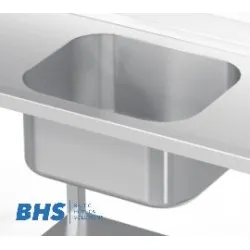
Article number: BHS-IZ-400/400/250
A stainless steel sink unit built for the demands of a professional kitchen, providing a dedicated s..
Is available
158.00€
with VAT: 191.18€
Article number: BHS-IZ-330/330/200
A square stainless steel sink bowl for worktop installation in professional catering kitchens, where..
Is available
180.00€
with VAT: 217.80€
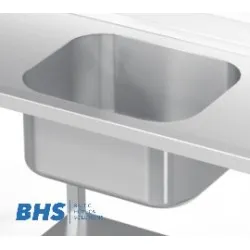
Article number: BHS-IZ-500/500/250
A stainless steel sink unit built into the worktop provides a dedicated space for washing vegetables..
Is available
180.00€
with VAT: 217.80€
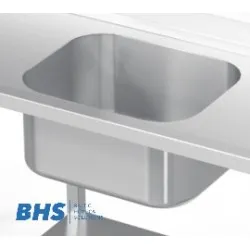
Article number: BHS-IZ-500/500/300
A square stainless steel sink built for continuous use in professional kitchens, food preparation ar..
Is available
180.00€
with VAT: 217.80€
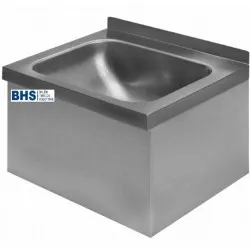
Article number: ZRZZ-40//31/25
This stainless steel sink is designed for heavy use in professional kitchens, offering a single, dee..
Is available
198.00€
with VAT: 239.58€
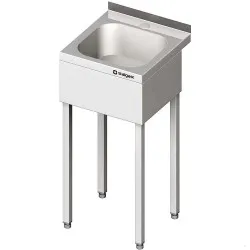
Article number: 981434850
A built-in washbasin unit organises handwashing and small utensil cleaning directly within the workt..
Is available
199.13€
with VAT: 240.95€
Article number: 981445050
A built-in sink unit becomes part of the worktop, creating a seamless surface that eliminates crevic..
Is available
229.00€
with VAT: 277.09€
Article number: BHS-IZ- 240/300/200
A stainless steel sink unit built to hold two GN1/2 gastronorm pans side by side, letting a professi..
Is available
235.00€
with VAT: 284.35€
Article number: BHS-IZ- 310/510/210 mm
A stainless steel sink unit built to hold gastronorm trays in the standard GN1/1 size, this BHS mode..
Is available
235.00€
with VAT: 284.35€
Article number: BHS-IZ- 600/450/250
A stainless steel worktop sink provides a fixed washing and rinsing station directly on the kitchen ..
Is available
235.00€
with VAT: 284.35€
Article number: BHS-IZ- 600/500/300
A stainless steel sink of this size provides a fixed washing and rinsing station on a commercial wor..
Is available
235.00€
with VAT: 284.35€
Article number: BHS-IZ-240/330/180
A stainless steel sink of this type provides a hygienic, corrosion-resistant basin for washing food,..
Is available
235.00€
with VAT: 284.35€
Article number: BHS-IZ- 400/500/160
A fixed stainless-steel sink unit forms the washing and rinsing station on a professional worktop. T..
Is available
272.00€
with VAT: 329.12€
Article number: BHS-IZ-340/400/140 mm
A stainless steel sink of this type provides a dedicated washing and rinsing station directly on the..
Is available
272.00€
with VAT: 329.12€
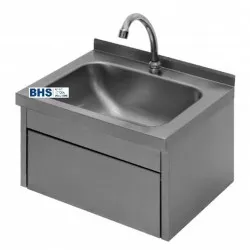
Article number: ZRKZ-40/31/25
A stainless steel worktop sink unit combines a deep bowl for washing, rinsing and soaking with a tap..
Is available
278.00€
with VAT: 336.38€
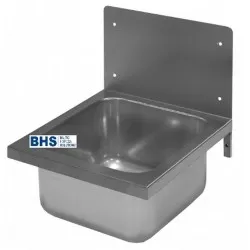
Article number: ZRZA-40/40/20
A stainless steel worktop sink integrates seamlessly into a professional kitchen's washing and prep ..
Is available
287.10€
with VAT: 347.39€
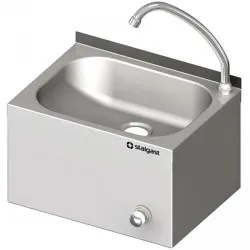
Article number: 982334040
A built-in washbasin with an integrated time switch automates water flow for precise handwashing rou..
Is available
290.25€
with VAT: 351.20€
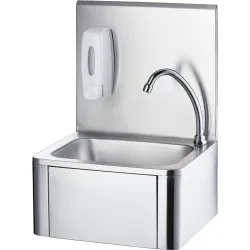
Article number: L610005
A contactless washbasin removes the need to touch taps or soap dispensers, reducing cross-contaminat..
Is available
299.00€
with VAT: 361.79€
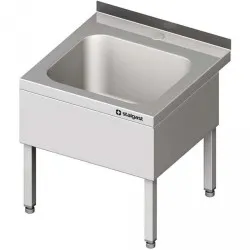
Article number: 9810275050
A built-in washbasin integrates directly into a catering worktop, creating a seamless surface that r..
Is available
329.00€
with VAT: 398.09€
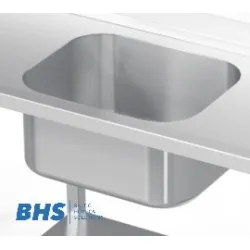
Article number: BHS-IZ-700/500/300
A stainless steel worktop sink provides a fixed washing and rinsing station in a professional kitche..
Is available
334.00€
with VAT: 404.14€
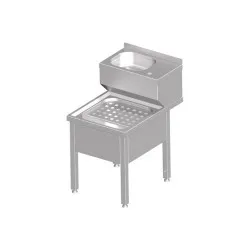
Article number: 982357050
A combinet sanitari sink combines two basins in a single stainless steel worktop unit, letting kitch..
Is available
459.00€
with VAT: 555.39€
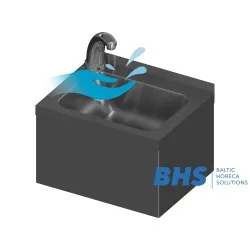
Article number: ZRSZ-40/31/25
A stainless steel sink unit with integral tap designed for continuous use on a professional kitchen ..
Is available
587.00€
with VAT: 710.27€
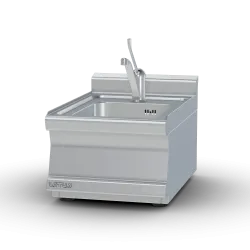
Article number: 16020400
A commercial sink unit designed for continuous washing of food, dishes and utensils in busy kitchens..
Is available
789.00€
with VAT: 954.69€