A door seal on cold equipment is a small but critically important part — it ensures a hermetic seal, which is the foundation of the unit’s energy efficiency. A worn magnetic seal can increase annual electricity costs by 10–30% depending on the size of the unit and the degree of wear. BHS offers door seals designed for cold equipment to HoReCa businesses across Europe.
Types of magnetic door seals for cold equipment
Standard magnetic seals — contain magnets along their entire length, ensuring a hermetic seal against the metal door frame. The most common type for professional refrigerators and cold rooms. Silicone seals without magnets — for some freezer models where closure is ensured mechanically. Resistant to very low temperatures. Combined magnetic silicone seals — combine a magnetic hermetic seal with the durability of silicone. A premium solution for long-term use. Seals with a built-in heating element — for freezers with high humidity or low temperatures where ice may form on the seal. The heating element prevents freezing and deformation. BHS helps select the right type of seal.
Signs of wear and replacement frequency
A worn door seal on cold equipment may show the following signs: visible cracks or fraying in the seal material; the seal has become stiff, lost elasticity and no longer fits the door contour; the door does not stay tightly closed and opens when pressed; condensation or frost forms around the door edge inside the unit; the unit runs constantly or the compressor starts more frequently than usual. Replacement frequency: in intensive commercial use — preventively every 1–2 years. A monthly visual inspection helps detect wear early and plan preventive replacement. HACCP documentation includes regular equipment checks with seal condition assessment and recording in the log. BHS helps plan a replacement schedule based on the number of units.
Wide range of manufacturers
BHS offers magnetic door seals for cold equipment from more than 40 leading manufacturers: ZANUSSI, WILLIAMS, LIEBHERR, FAGOR, FOSTER, GRAM, WHIRLPOOL, COLDLINE, DESMON, MODULAR, POLARIS, FRIULINOX, ILSA, IRINOX, TECNODOM, COSTAN, TRUE, NORTECH and many others. Seals for each manufacturer are organised by model with precise dimension data. BHS specialists help identify the correct seal by equipment type, model number and door dimensions.
HoReCa usage scenarios
In a restaurant refrigerated counter with a detected seal leak, replacing the seal restores effective temperature control and reduces electricity costs by 15–25% per month. In a bar where the refrigerator door does not stay tightly closed due to the magnetic base, replacing the seal prevents situations where staff forget to close the door, avoiding temperature fluctuations and the risk of product spoilage.
Frequently asked questions
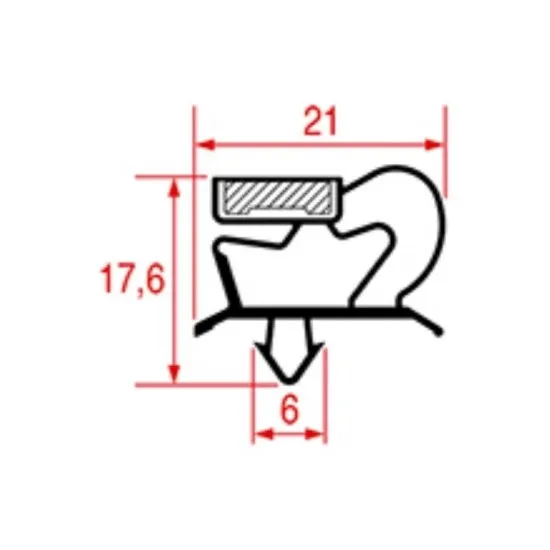
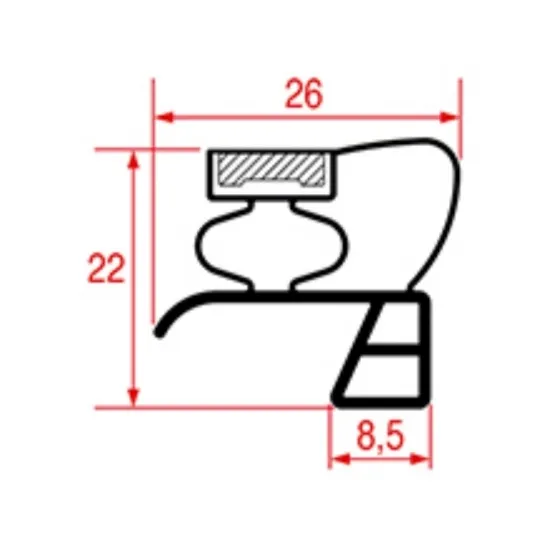
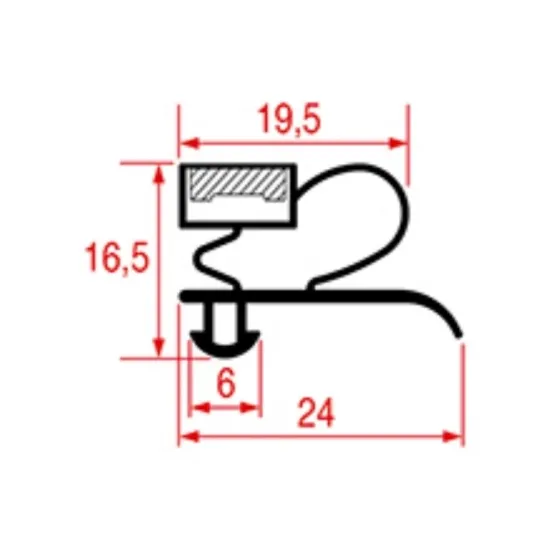
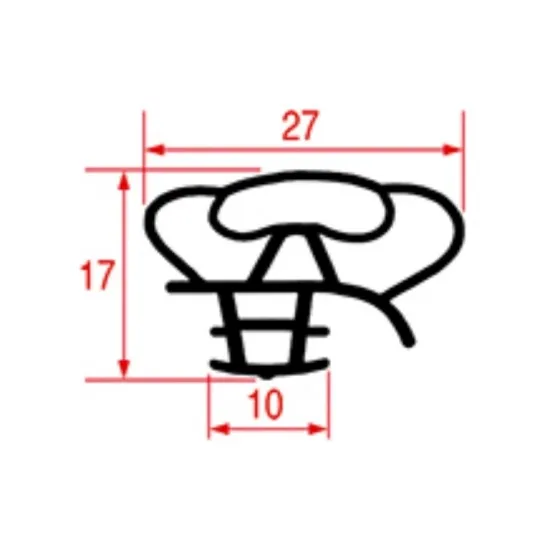
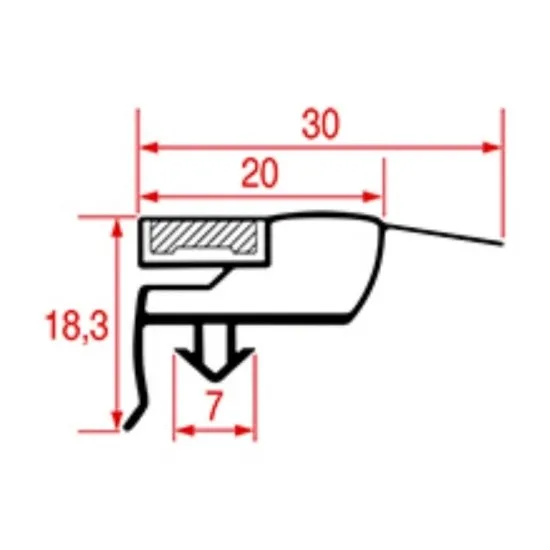
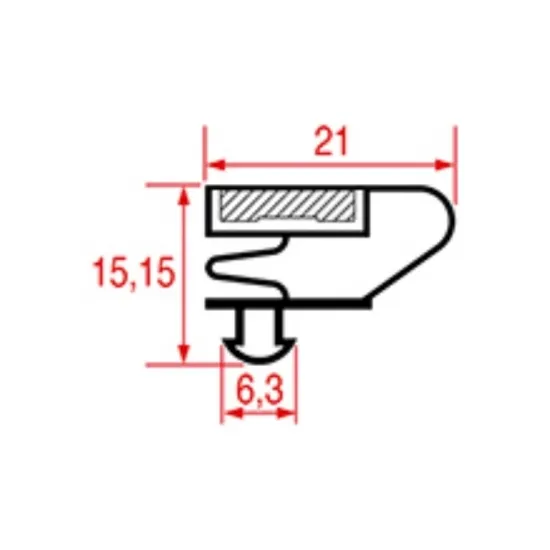
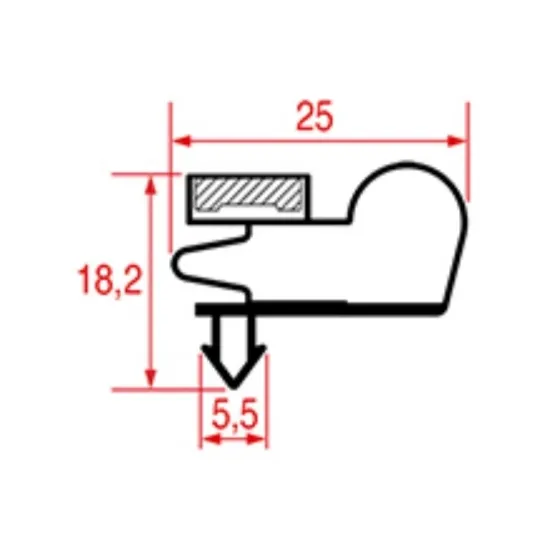
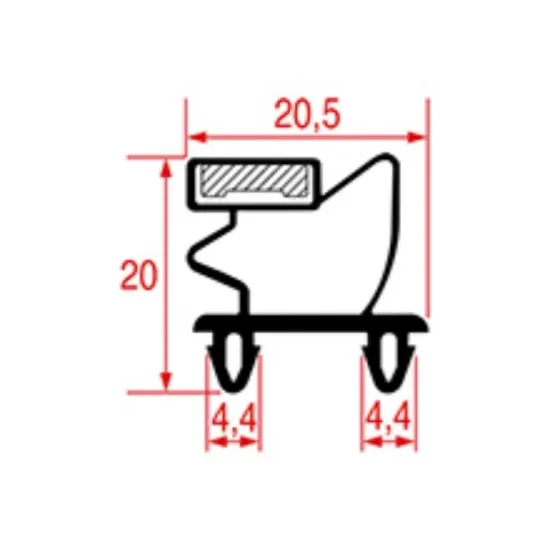
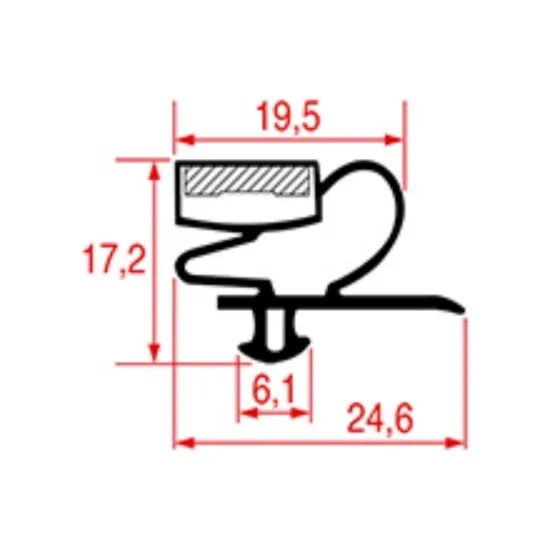
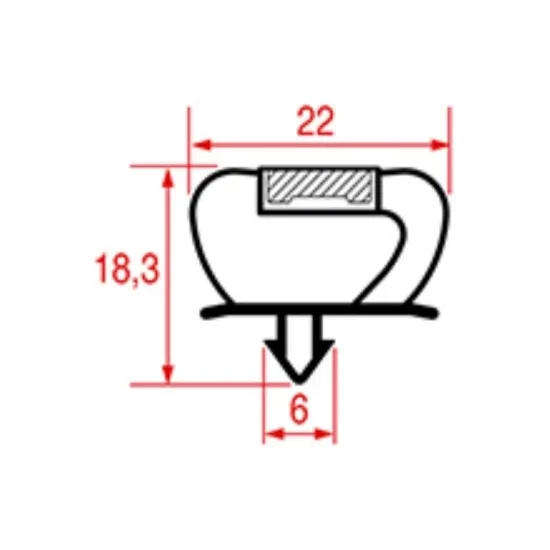
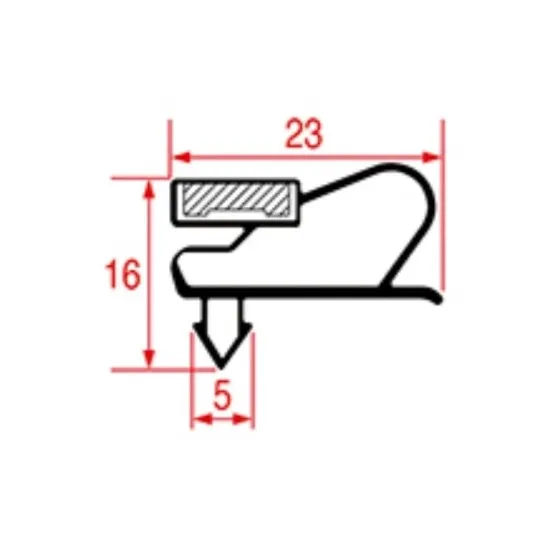
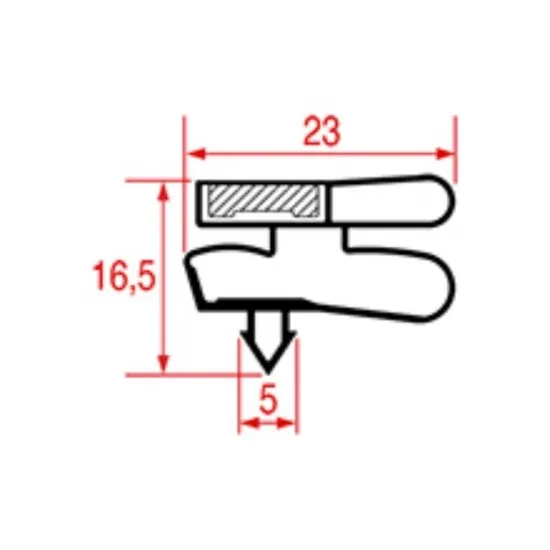
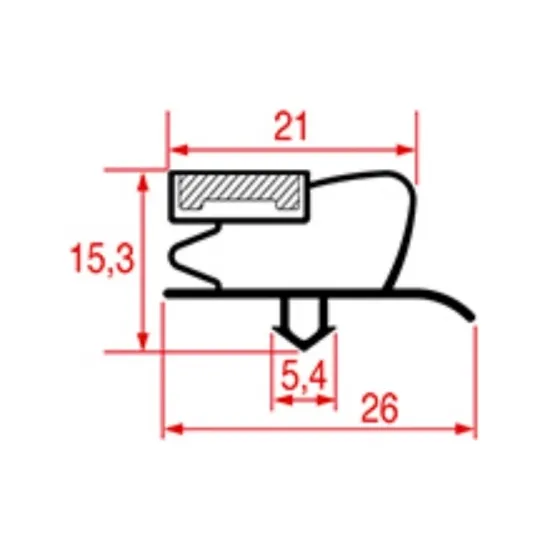
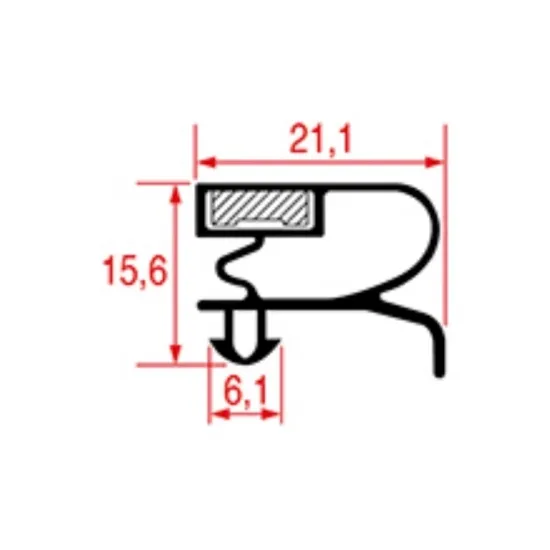
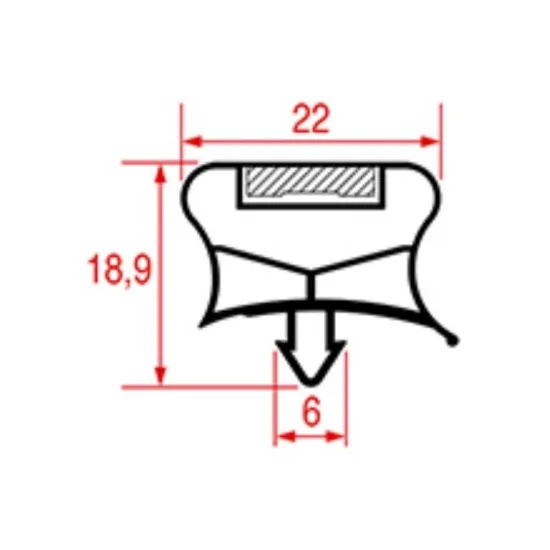
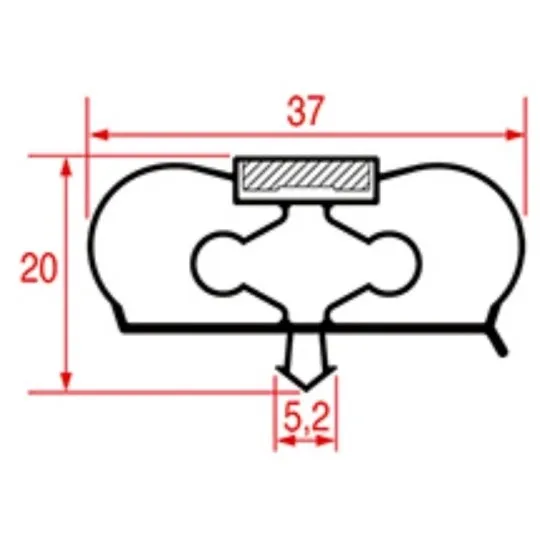
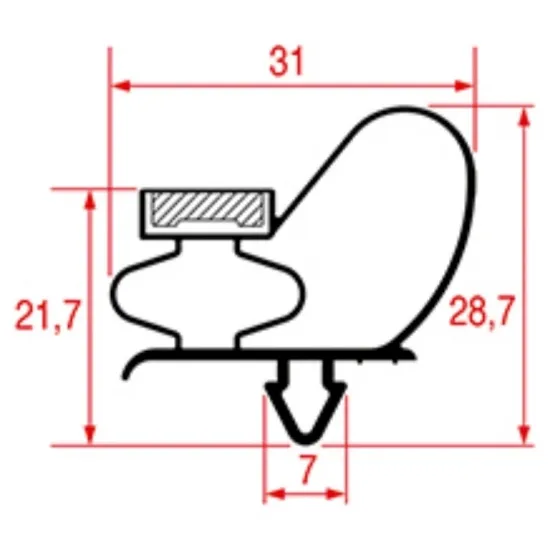
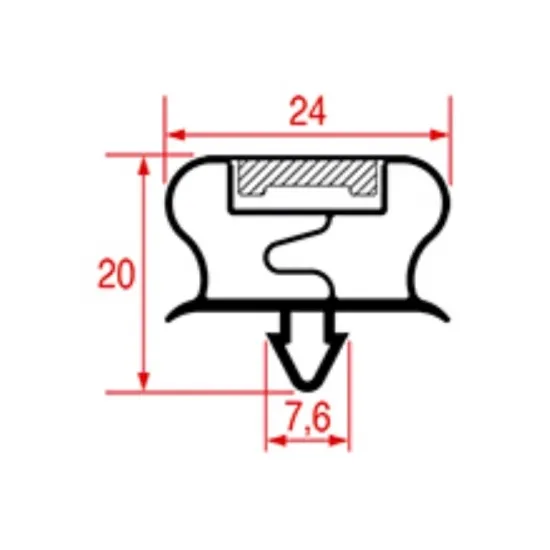
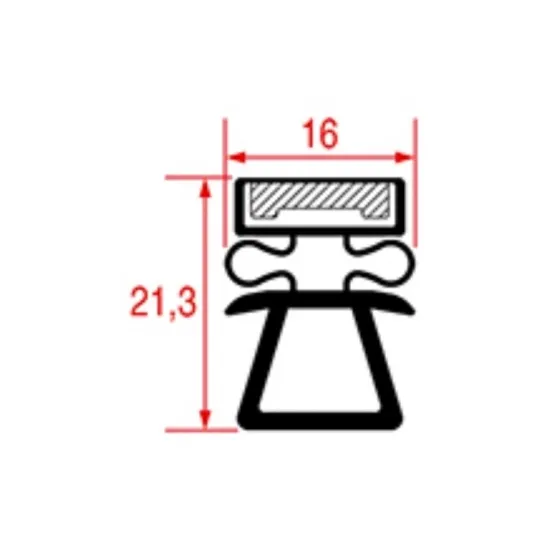
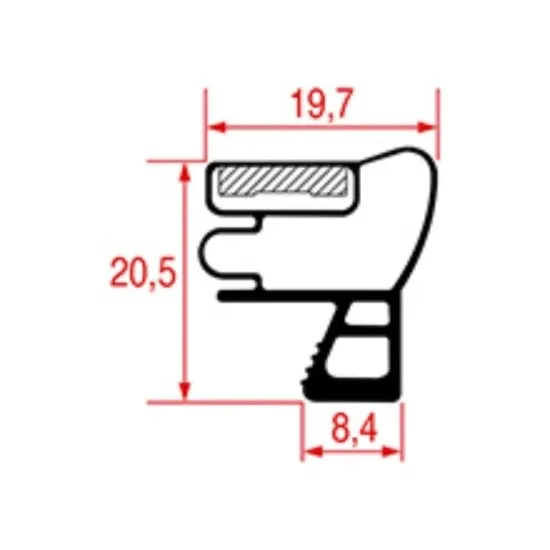
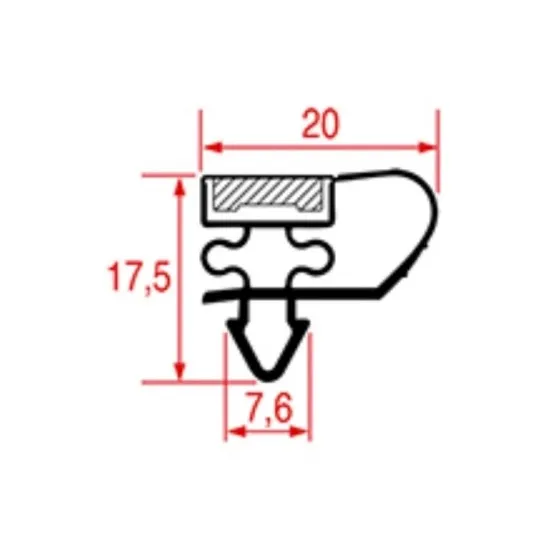
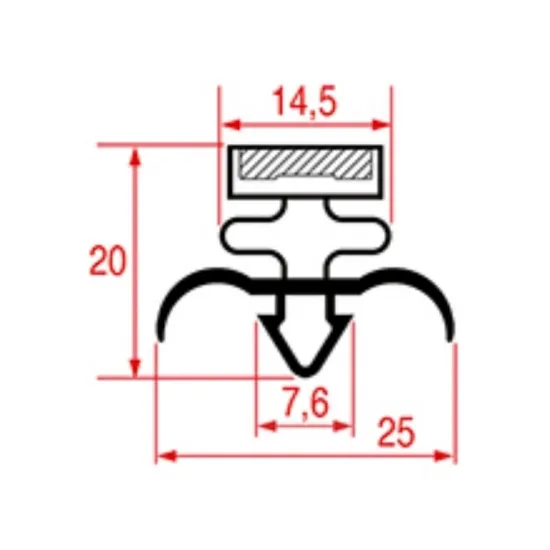
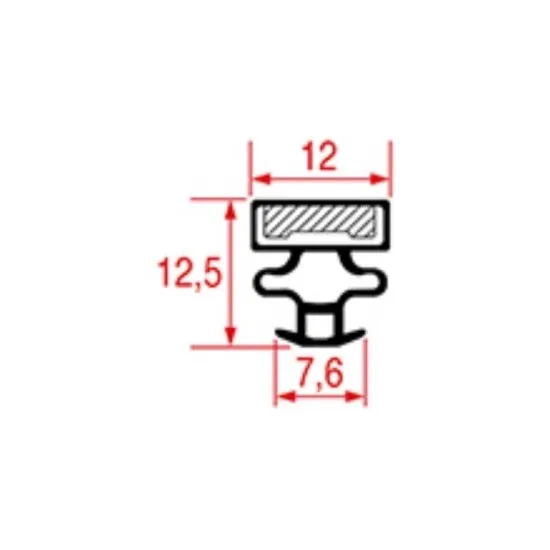
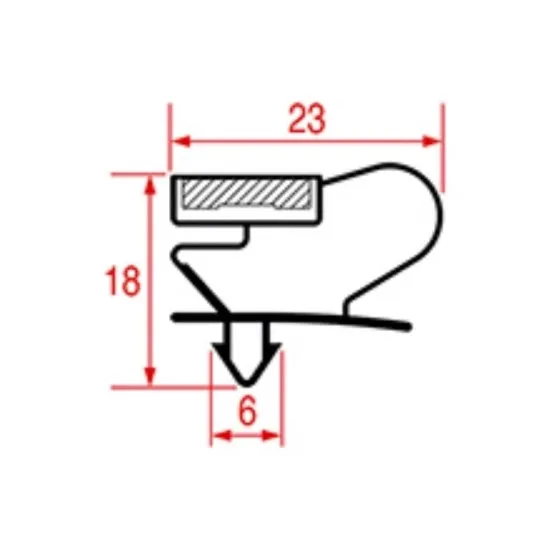
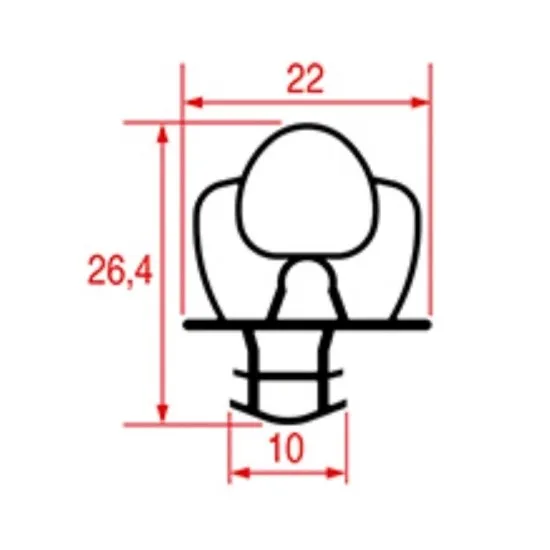
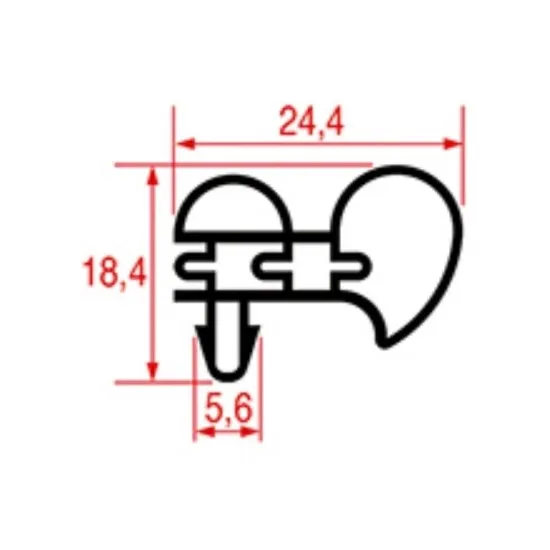
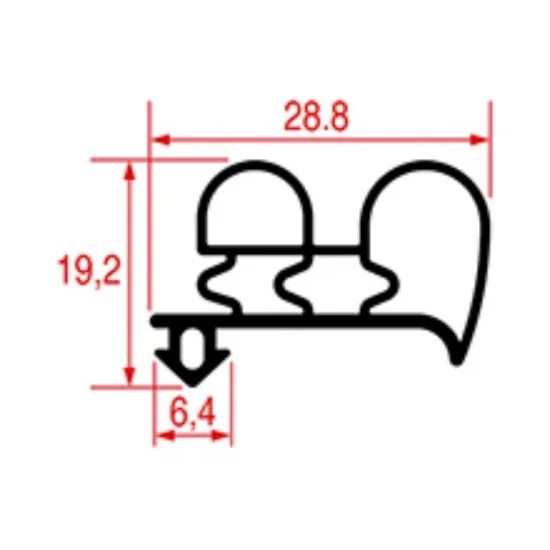
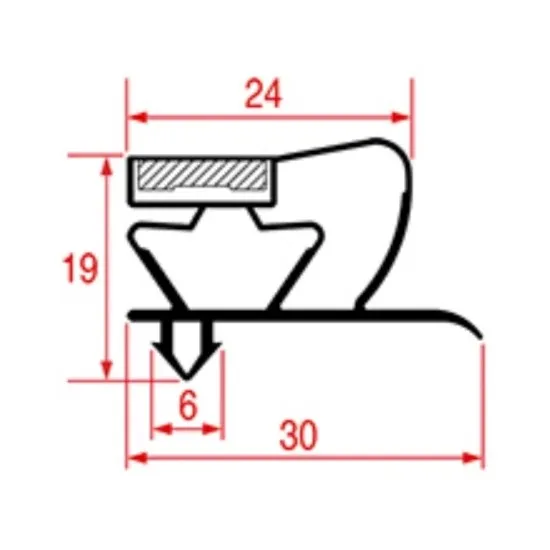
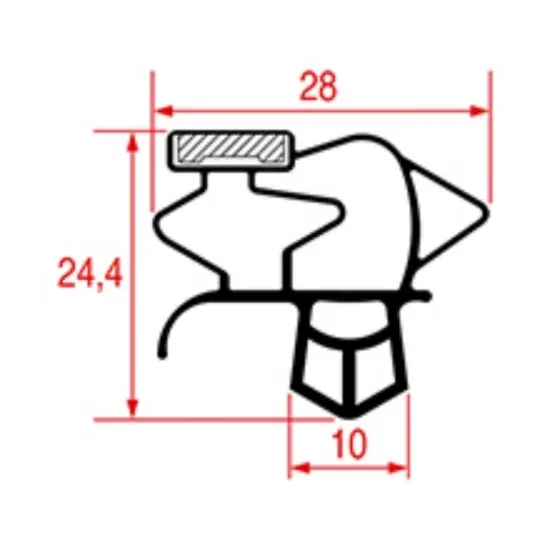
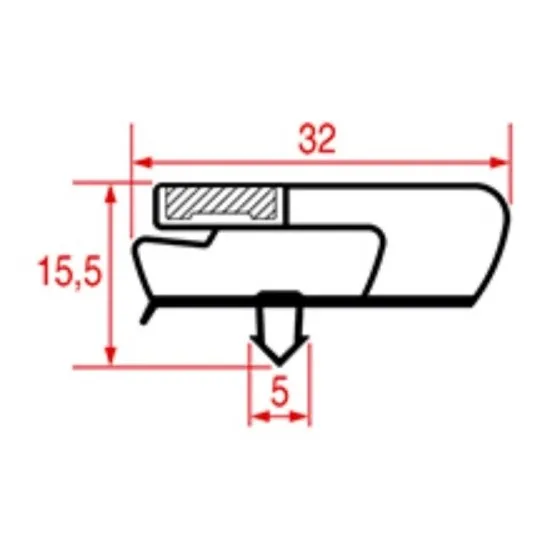
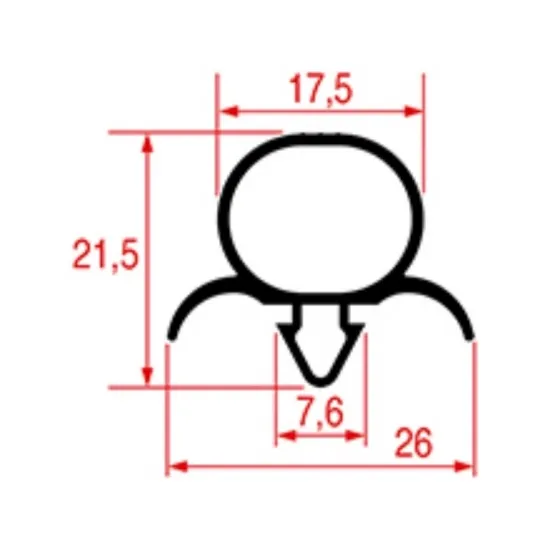
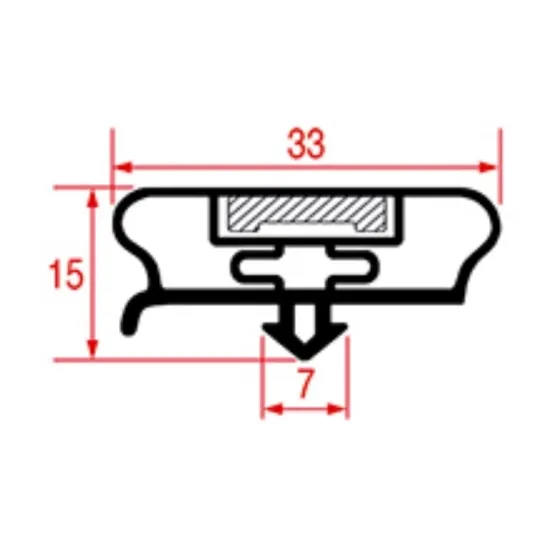
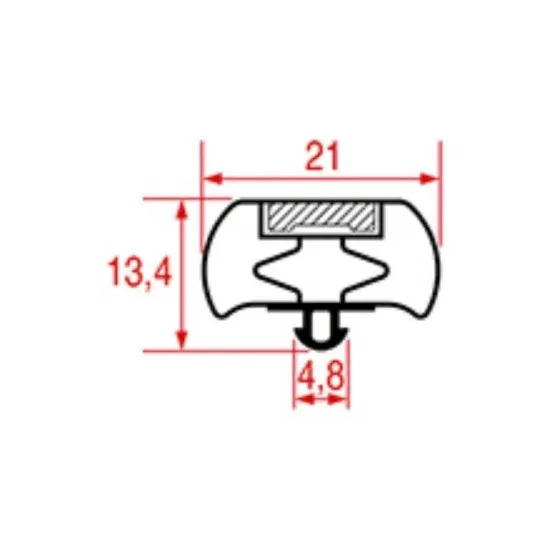
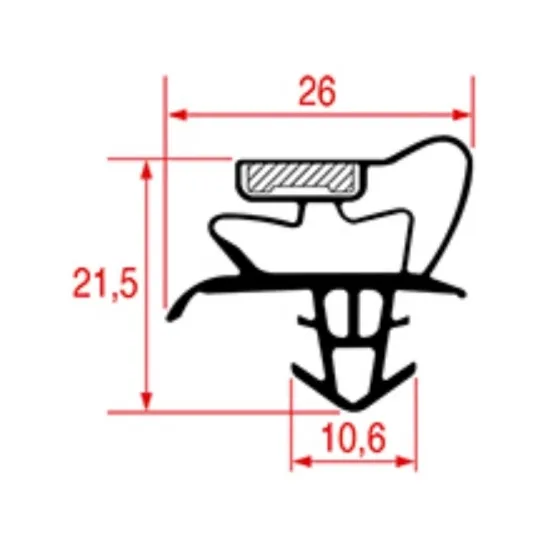
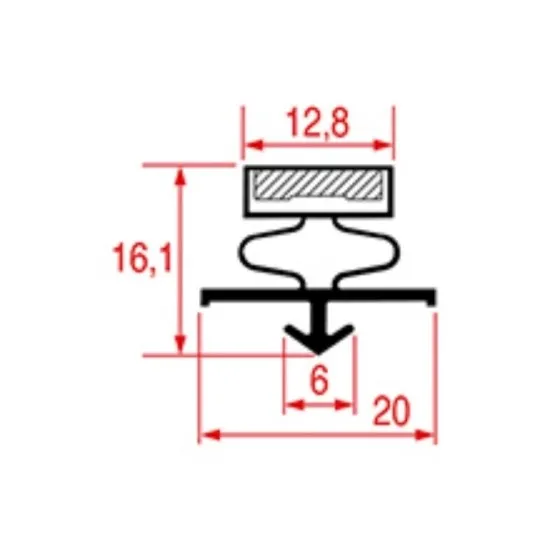
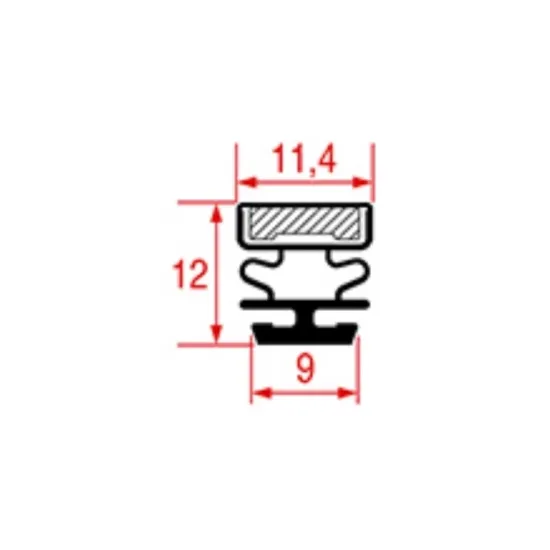
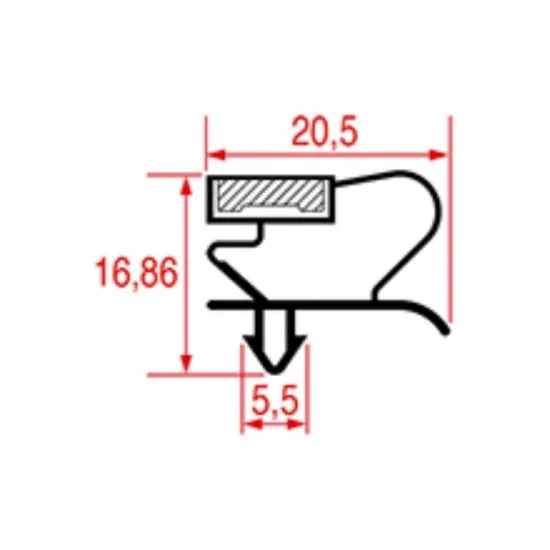
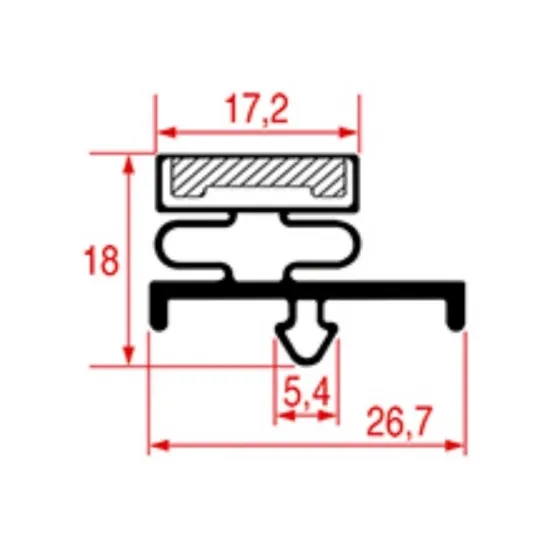
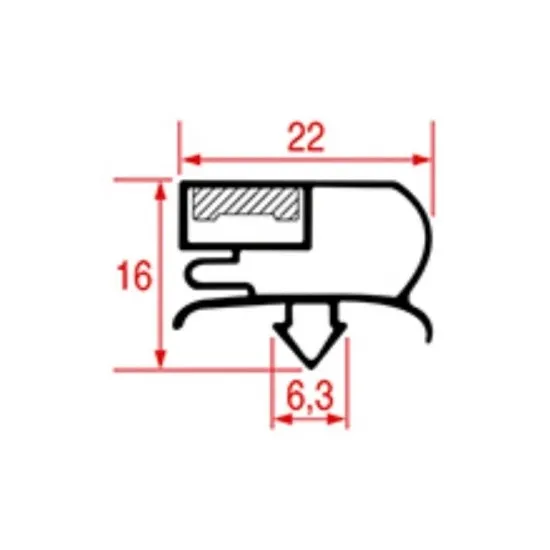
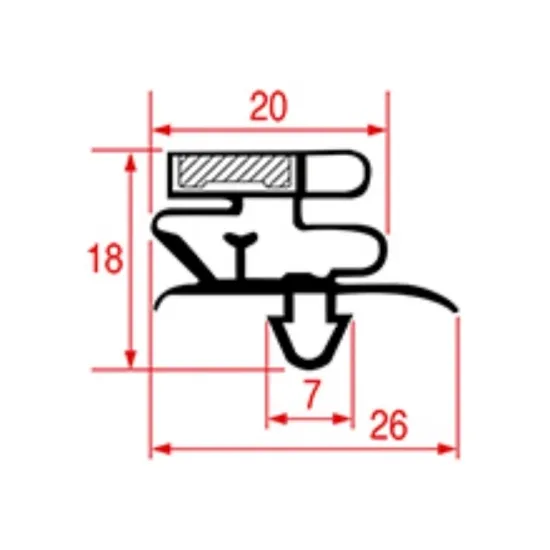
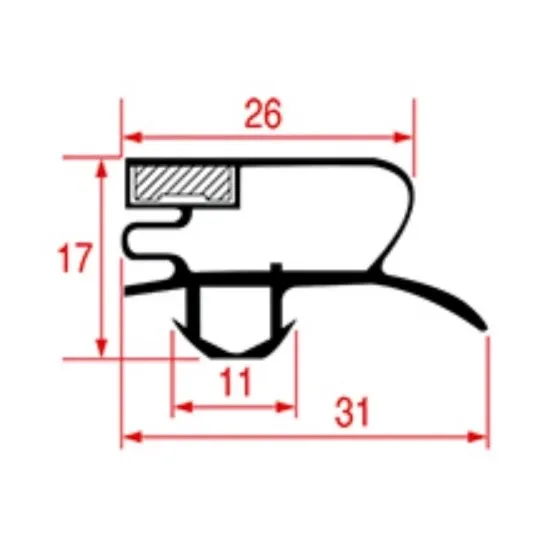
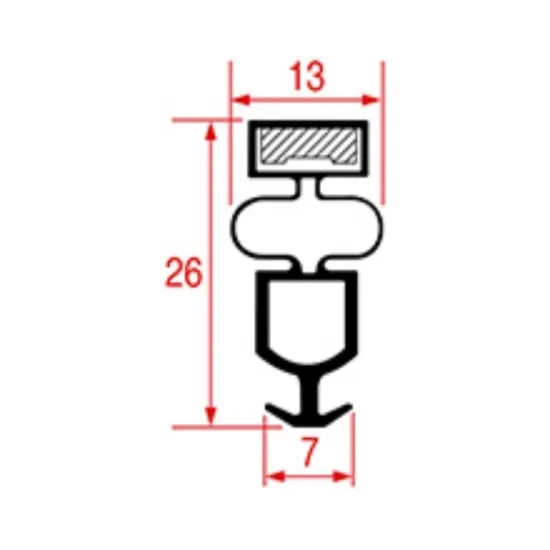
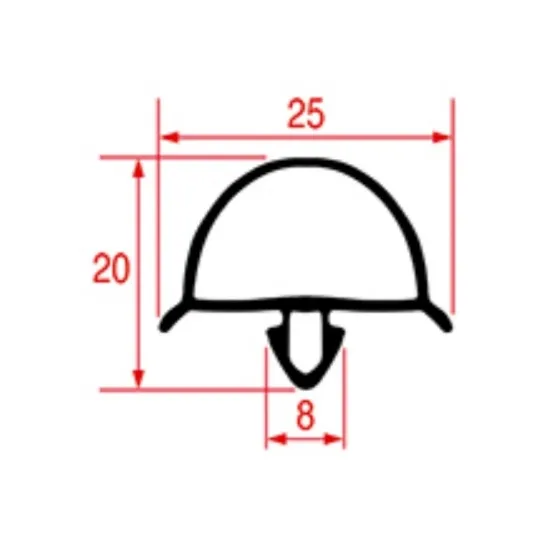
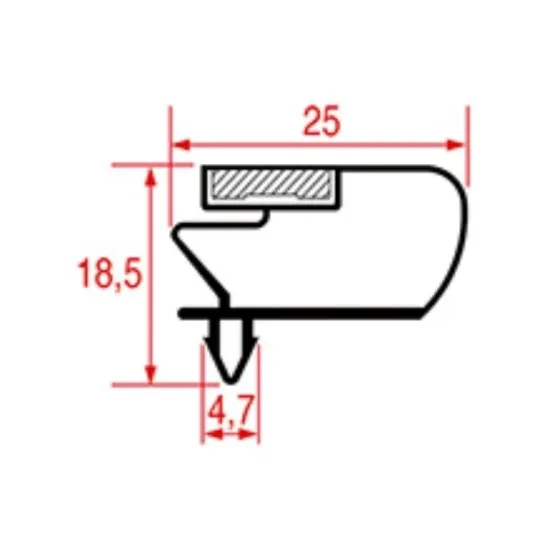
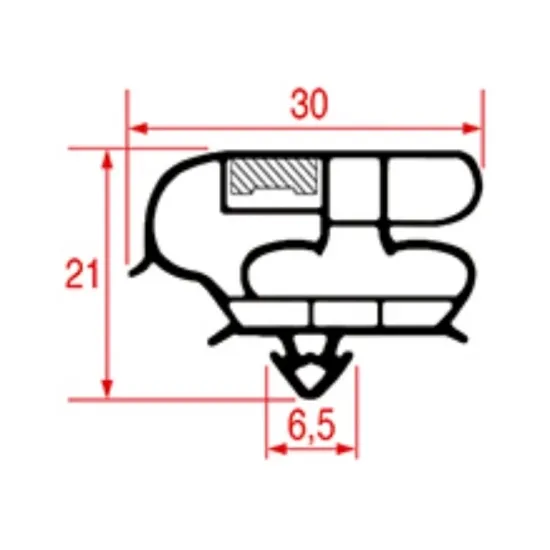
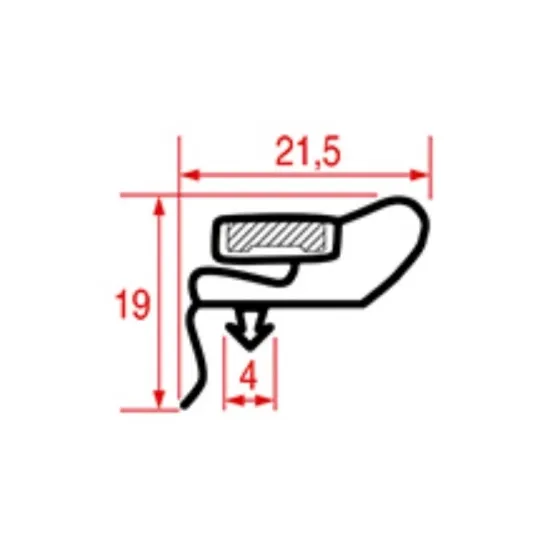
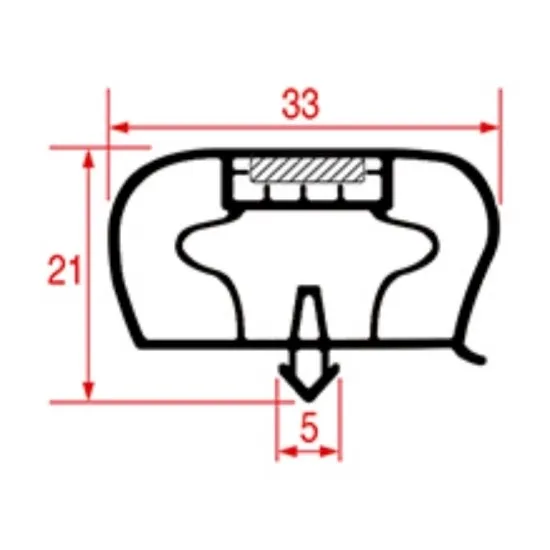
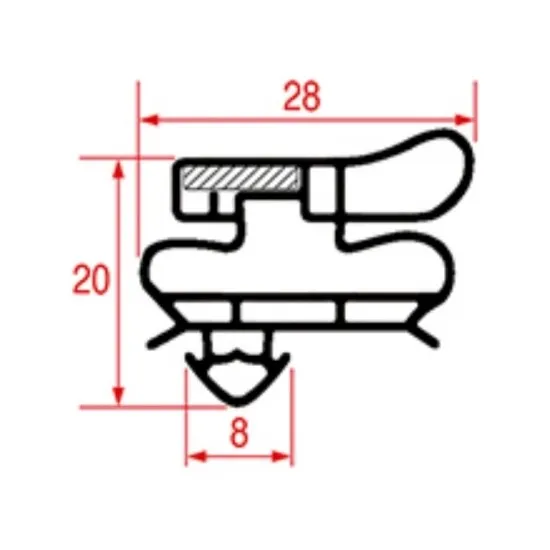
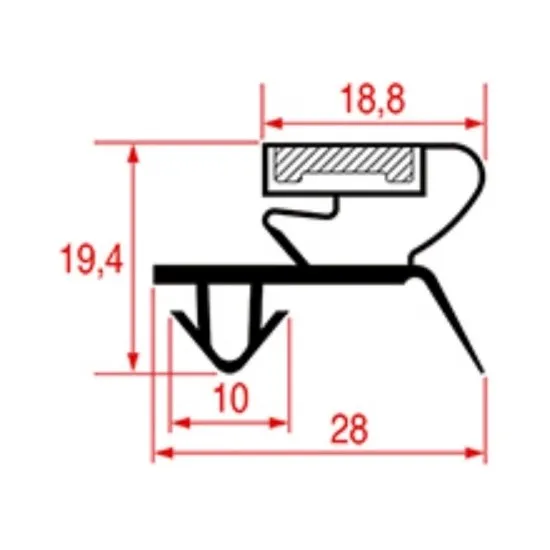
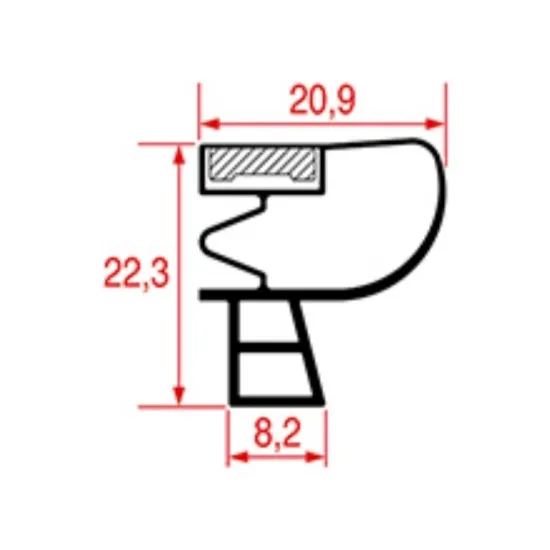
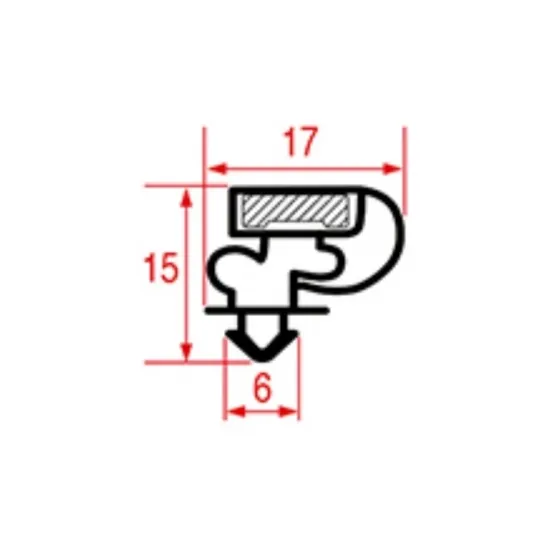
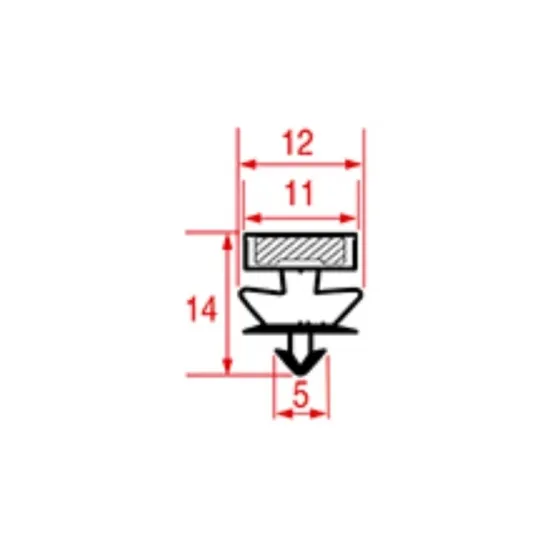
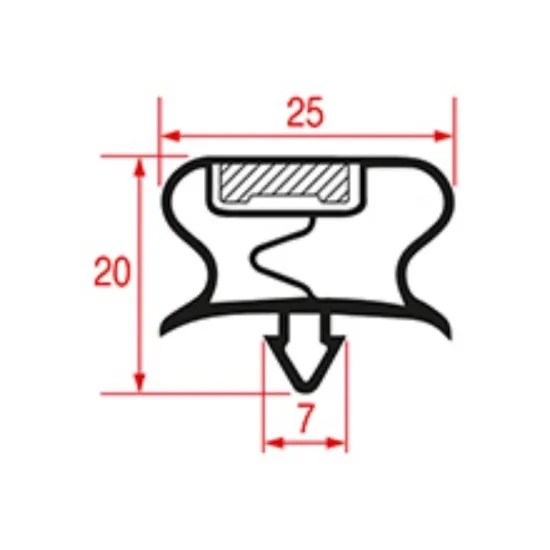
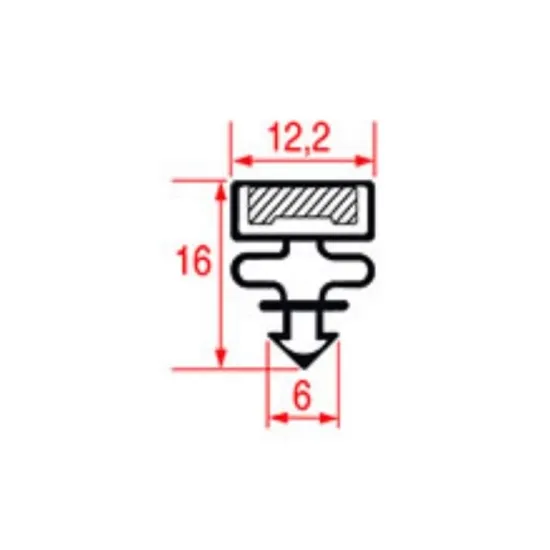
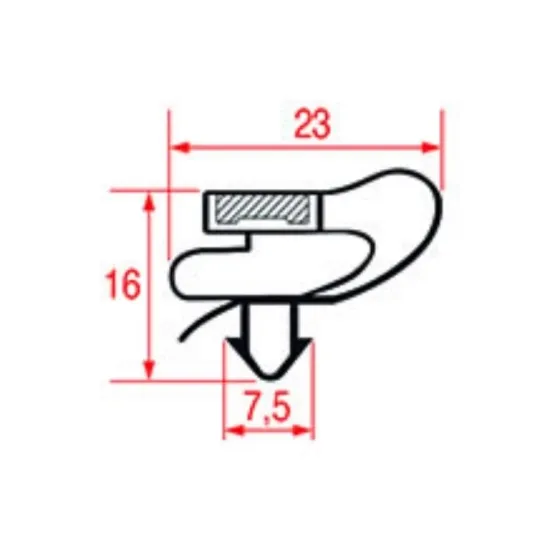
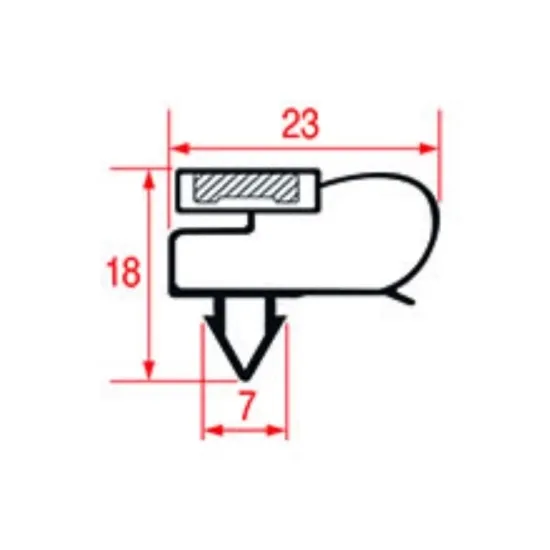
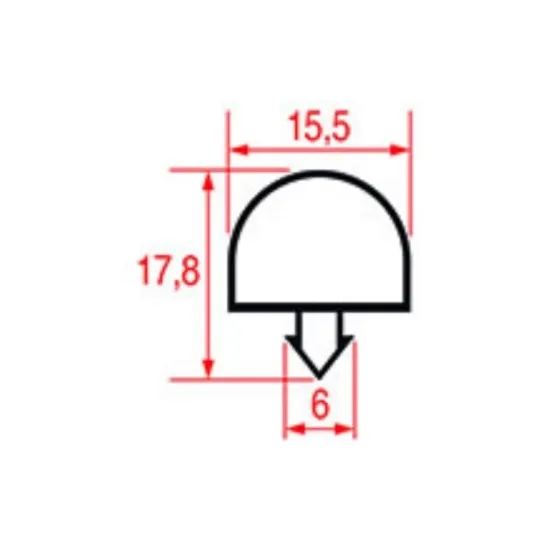
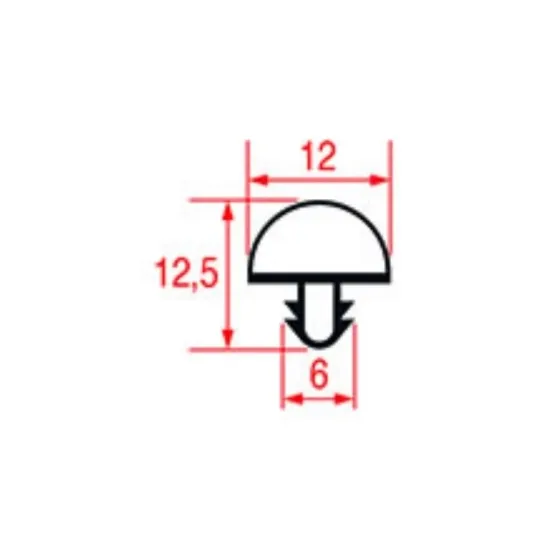
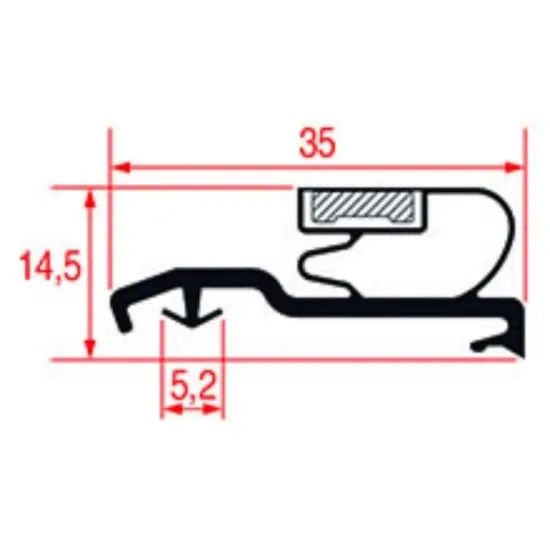
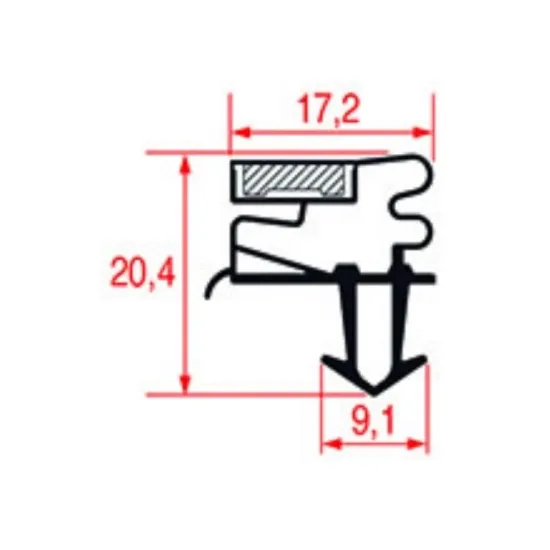
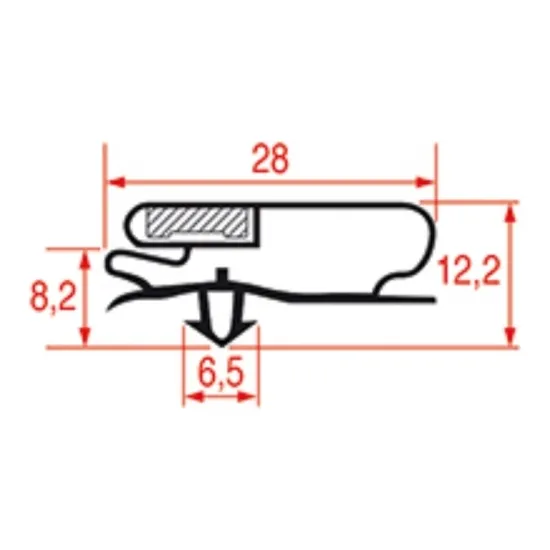
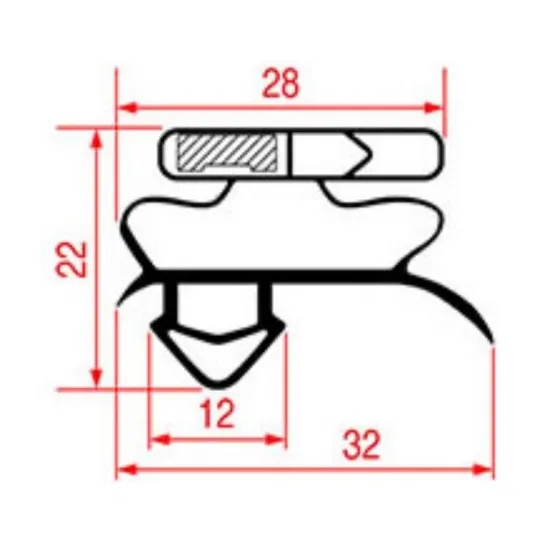
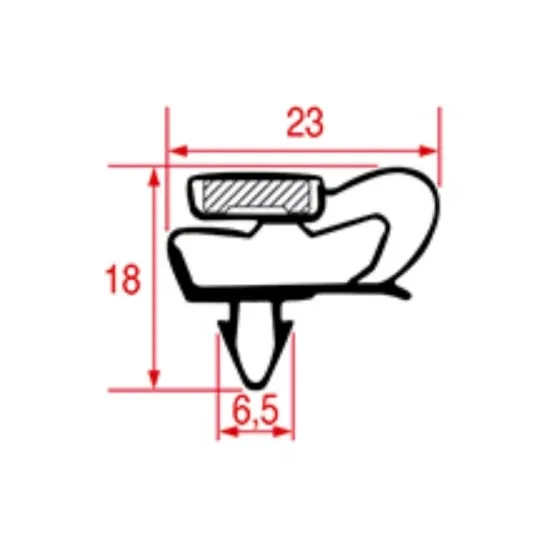
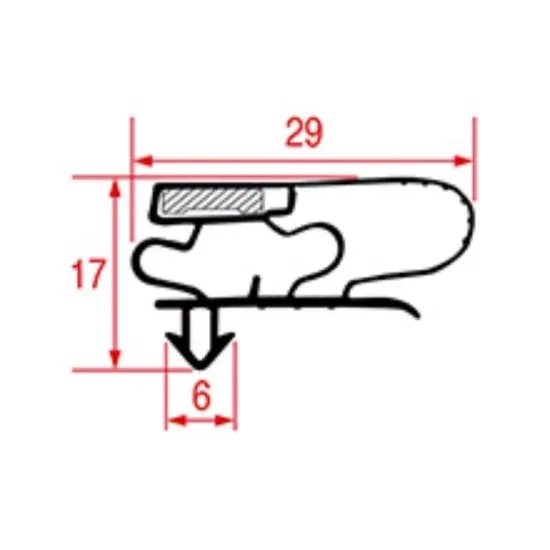
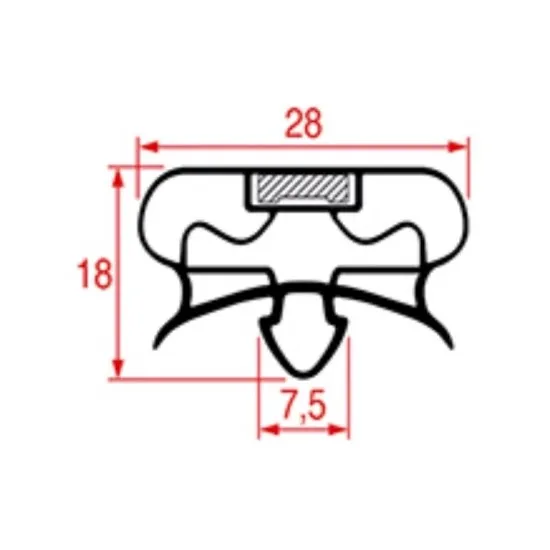
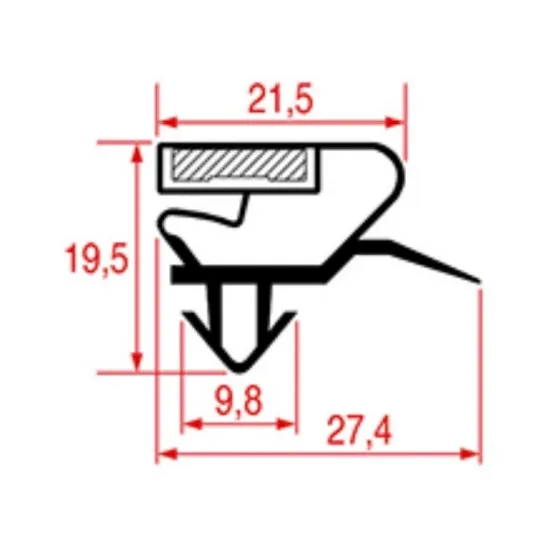
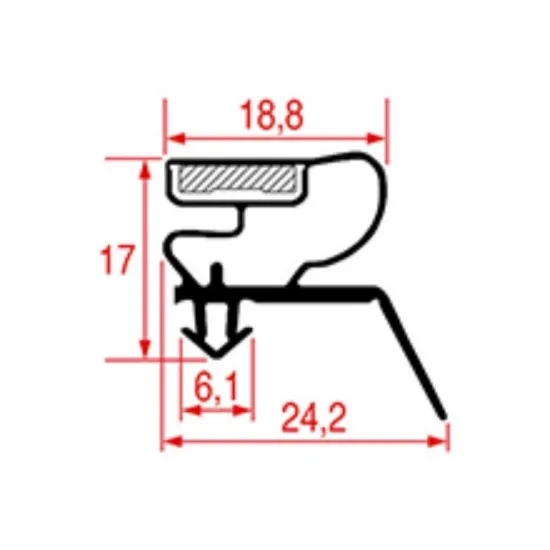
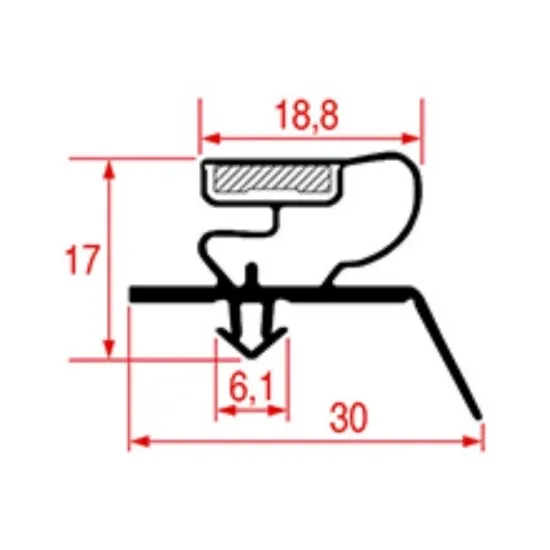
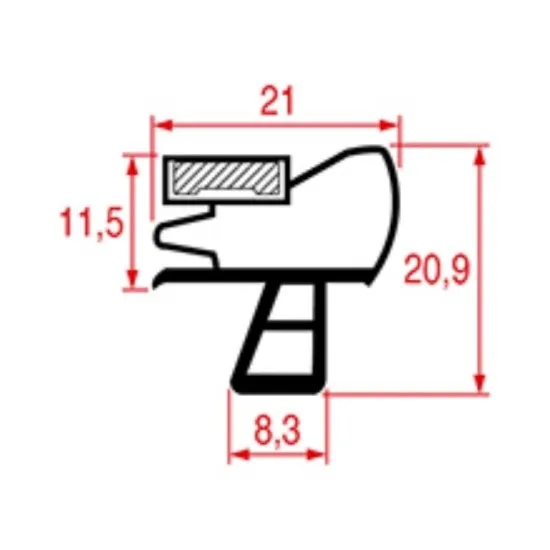
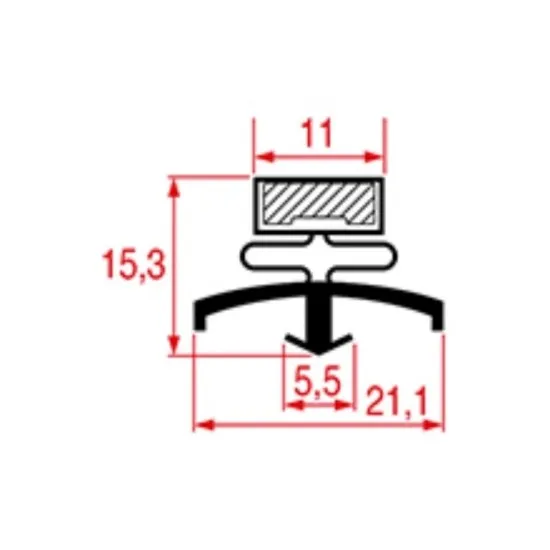
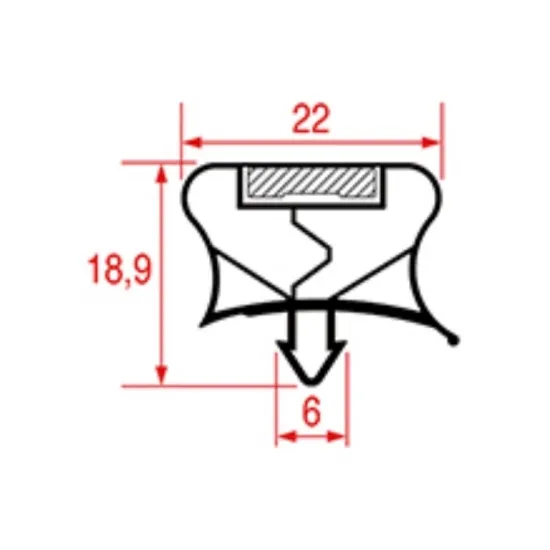
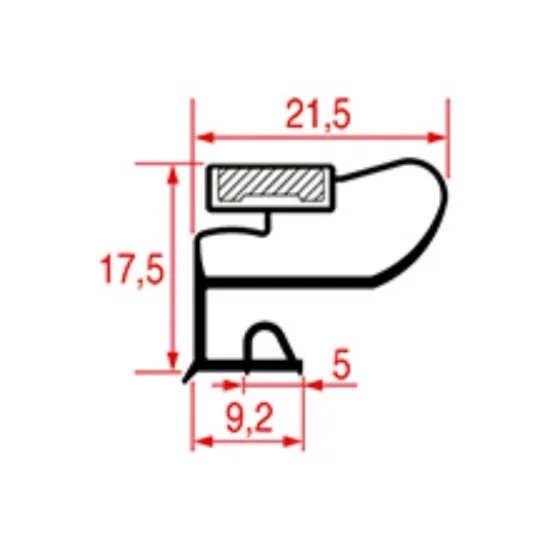
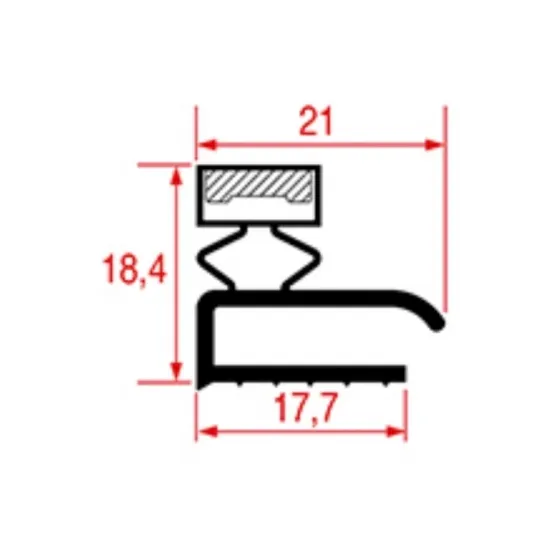
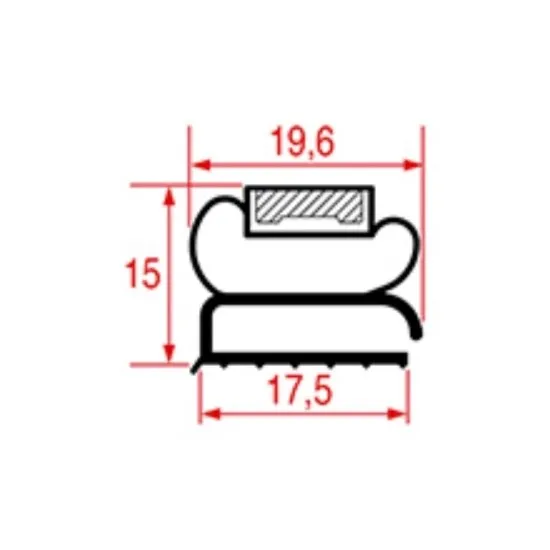
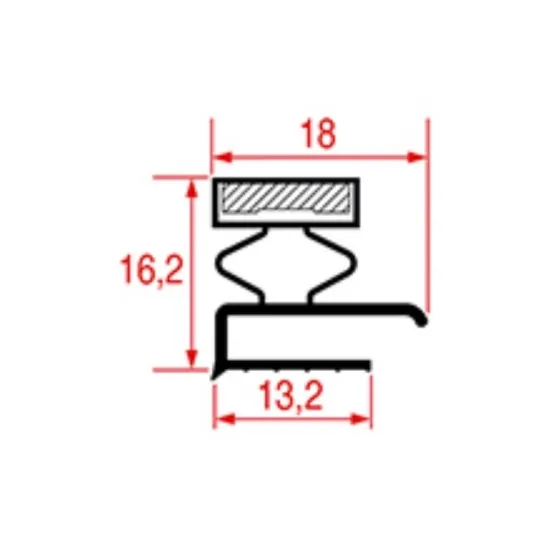
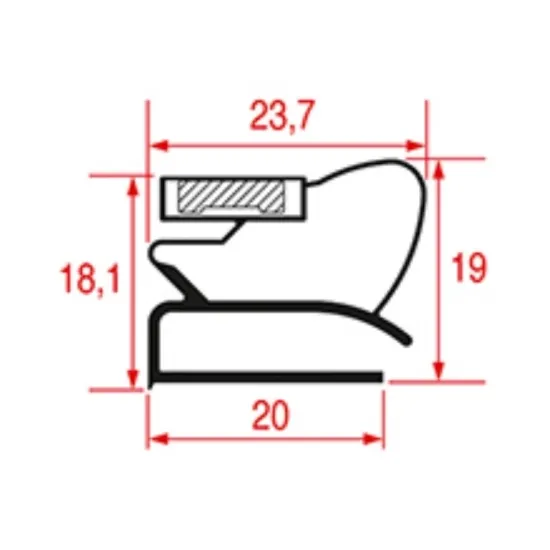
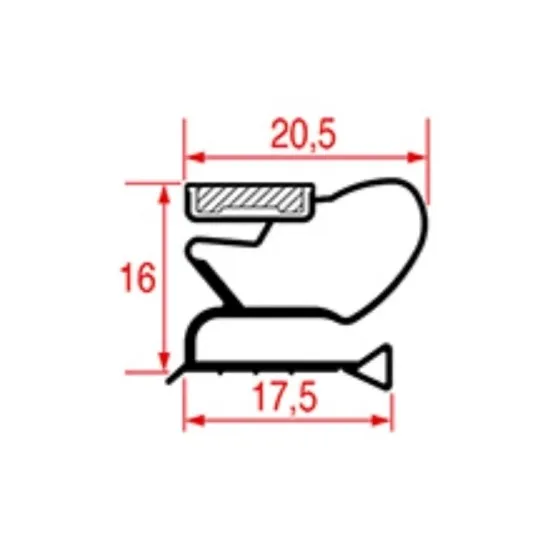
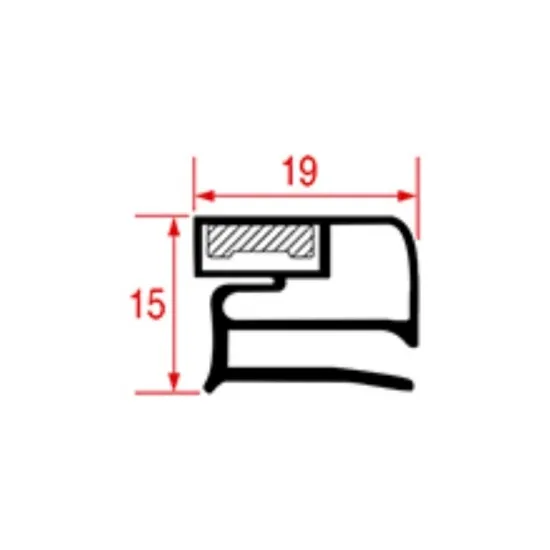
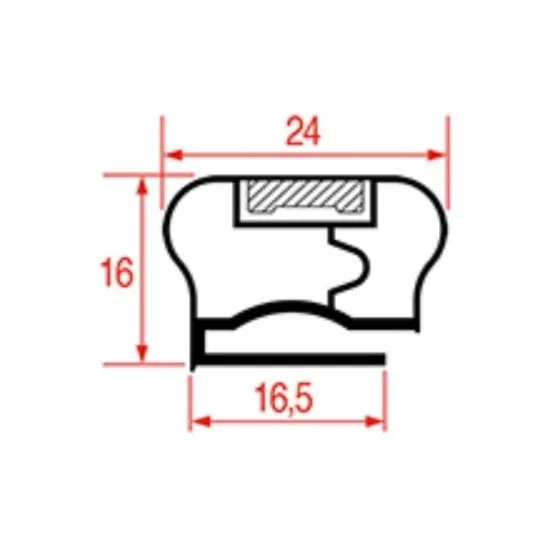
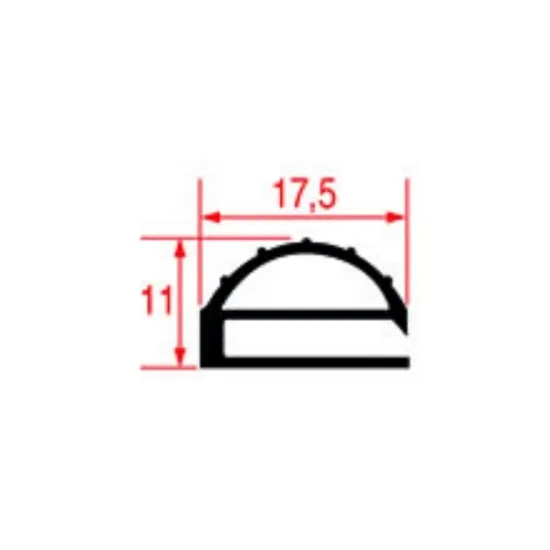
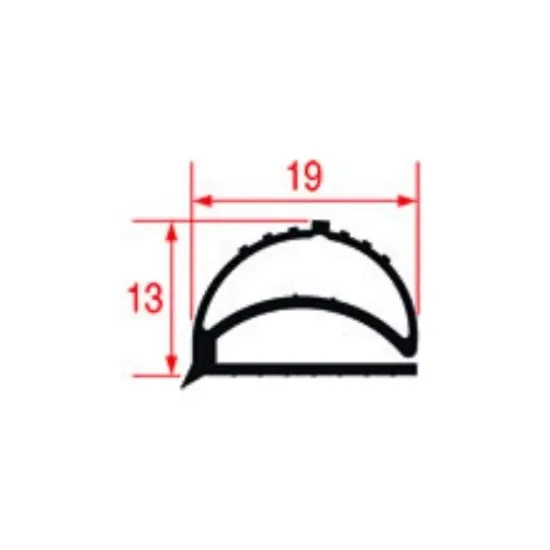
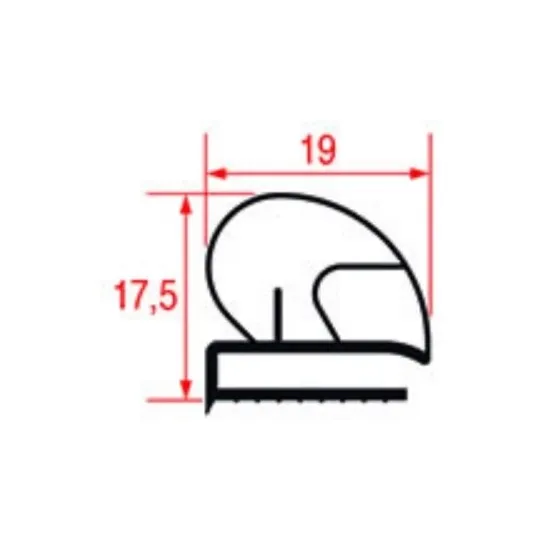
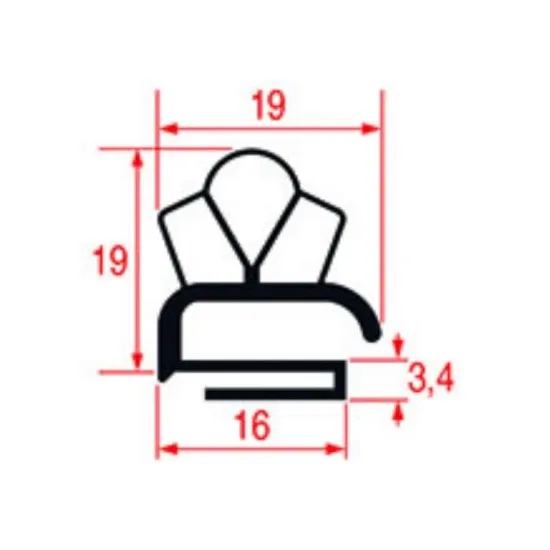
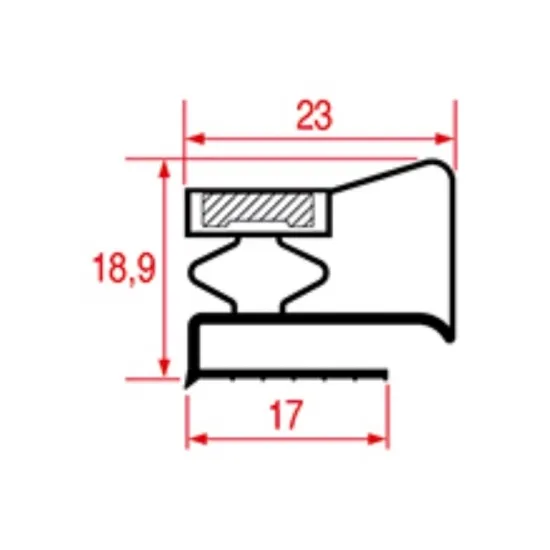
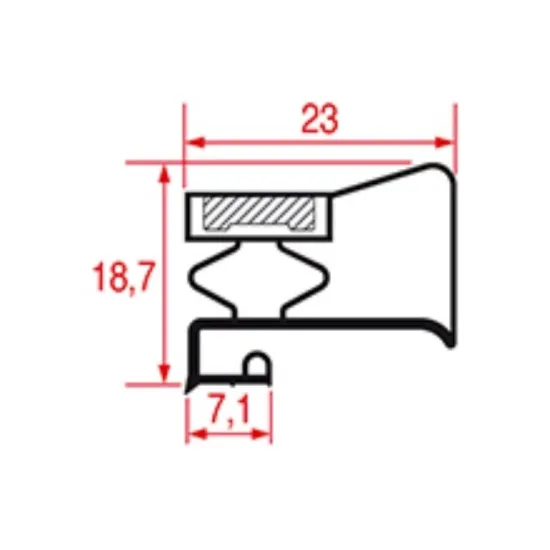
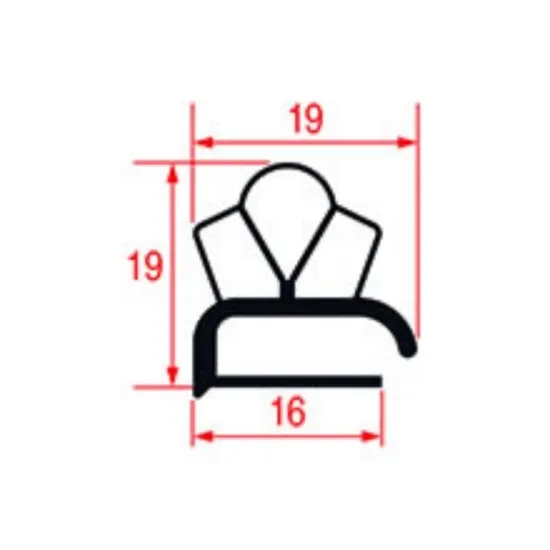
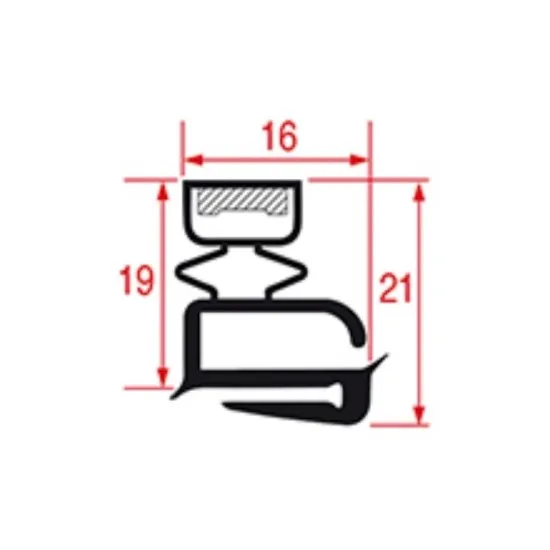
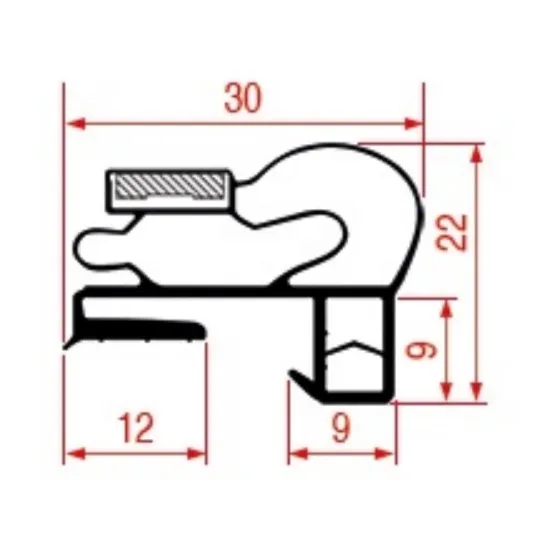
How to measure a door seal correctly for replacement? Measure the existing seal: width, height and profile shape (use a thickness gauge). Photograph the seal profile in cross-section. Provide the equipment manufacturer, model and seal dimensions — BHS will help find the matching seal in the catalogue.
Can I replace a magnetic seal myself? Yes — for most models, seal replacement is relatively simple: the old seal is pulled out of the door frame groove, and the new one is inserted in its place. More complex models with screwed seals require additional tools. BHS provides advice on the replacement process for specific models and step-by-step instructions if needed.
Why choose BHS?
BHS – Baltic HoReCa Solutions supplies professional equipment for restaurants, cafés, hotels and canteens: more than 20,000 products from many manufacturers. Our specialists help you choose the right equipment and spare parts for your kitchen or bar.
Delivery
We deliver across the European Union. Delivery time and cost depend on the order volume and destination — contact the BHS team for an exact price and lead time.
















/1001-550x550.webp)