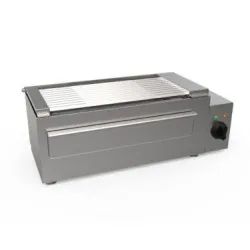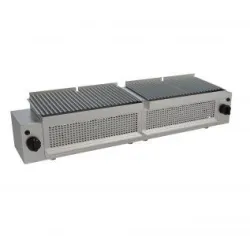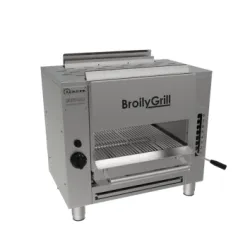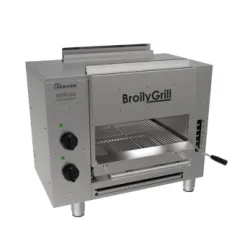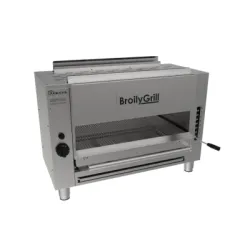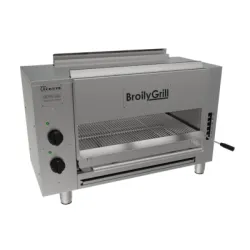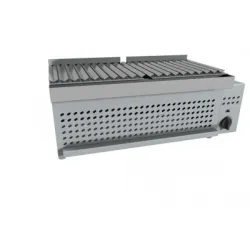
Yakitori Grills are professional Japanese-style grills designed for preparing traditional Japanese skewers (yakitori) with charcoal or gas in restaurants, sushi bars, Japanese eateries and other Asian dining businesses. On a yakitori grill, skewers of chicken pieces, vegetables, mushrooms, seafood or other ingredients are cooked on bamboo or metal skewers; the process takes place over hot charcoal or a gas flame, giving the dish a unique smoky and grilled aroma that cannot be achieved with conventional electric grills. A professional Yakitori Grill is the central element in a restaurant serving authentic Japanese cuisine, providing both a visually appealing cooking process visible to guests and high food authenticity. BHS offers Yakitori Grills along with other Wok Cooking Stations and ethnic cuisine equipment across Europe.
BHS specialists help choose the most suitable Yakitori Grill model. Also explore Japanese Teppanyaki Hot Plates and Steamer for Dim Sum Rice Buns.
Yakitori Grills are essential equipment in a restaurant serving authentic Japanese cuisine. The combination of charcoal or gas heat with the traditional cooking process on skewers ensures a unique flavour profile that guests recognise and value.
Types and configurations of Yakitori Grills
Professional Yakitori Grills are available in several types to suit the needs and cooking volume of a restaurant. Charcoal Yakitori Grill — the traditional Japanese Binchotan charcoal grill; charcoal (usually Japanese white binchotan or oak charcoal) provides even, high-temperature heat without flames and with minimal smoke; the most authentic way to prepare yakitori. Gas Yakitori Grill — a gas burner replicates Binchotan charcoal heat; faster heating time; easier to regulate and maintain; suitable for high-speed restaurants with high yakitori demand. Tabletop Yakitori Grill — a compact tabletop model; ideal for smaller restaurants or for osokai (playful) serving style directly at the table. Built-in Yakitori Grill — integrated into a kitchen block or display station; ensures an efficient workflow in the back kitchen. Also explore Japanese Teppanyaki Hot Plates.
Technical parameters and safety
The technical parameters of professional Yakitori Grills ensure reliable operation in a restaurant kitchen. Work surface material — AISI 304 stainless steel inner body and charcoal support rack; durable at high temperatures and frequent cleaning. Ventilation — built-in air intake regulator to control charcoal grill intensity; important for maintaining the correct temperature. Ash tray — removable ash tray for the charcoal grill model; easy to clean after each shift. For the gas model — adjustable gas flow with safety valves; can be connected to natural gas or propane. Binchotan charcoal requirements — the charcoal Yakitori Grill is designed specifically for Binchotan charcoal; regular charcoal oxidises faster and produces flames. Also explore the TEPP-TWIN combined station.
Yakitori cooking process and products
The authentic yakitori cooking process requires precise temperature control and ingredient preparation. Chicken pieces — momo (thigh), mune (breast), tsukune (meatballs), kawa (skin), tare (sauce); the classic yakitori product list. Vegetables — negi (leaf onions), shishito peppers, ginkgo nuts, Japanese mushrooms; vegetarian yakitori options. Seafood — ebi (shrimp), hotate (scallops); premium yakitori ingredients. Skewers — 25–30 cm bamboo or stainless steel skewers suitable for yakitori grilling. Tare sauce — a Japanese soy-based glaze applied during cooking; can also be served as a shio (salt) variant. Also explore Wok Cooking Stations.
HoReCa usage scenarios
Japanese restaurant with an open kitchen — the Yakitori Grill in an exposed position at the bar or near the open kitchen; guests watch the cooking; enhances the perceived value of the food and creates an authentic Japanese dining experience. Sushi bar with an additional hot food menu — the Yakitori Grill provides an alternative to hot grilled dishes in a restaurant that mainly offers sushi and sashimi. Asian street food or pop-up restaurant — a compact tabletop Yakitori Grill for festivals or seasonal dining spots.
Frequently asked questions
Does a Yakitori Grill require enhanced ventilation in the kitchen? Yes — a charcoal Yakitori Grill requires an exhaust system; the gas model only needs standard ventilation. Contact BHS. Explore Teppanyaki Hot Plates.
Does a gas Yakitori Grill provide the same flavour as the charcoal model? The gas model delivers a very similar result; the difference is minimal with quality equipment. Also explore the Steamer for Dim Sum Rice Buns.
Why choose BHS?
BHS – Baltic HoReCa Solutions supplies professional equipment for restaurants, cafés, hotels and canteens: more than 20,000 products from many manufacturers. Our specialists help you choose the right equipment and spare parts for your kitchen or bar.
Delivery
We deliver across the European Union. Delivery time and cost depend on the order volume and destination — contact the BHS team for an exact price and lead time.