

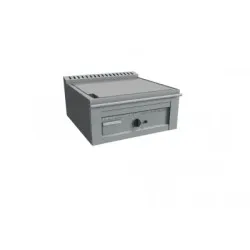
Article number: TEP1B/070G
The CASTA TEP1B/070G is a Japanese gas plate designed for professional use.
This appliance operates ..
Is available
3,659.00€
with VAT: 4,427.39€
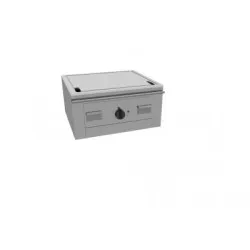
Article number: TEP1B/080E
A Japanese electrical plate built for high-output cooking lines, where the chromium-plated steel sur..
Is available
3,669.00€
with VAT: 4,439.49€
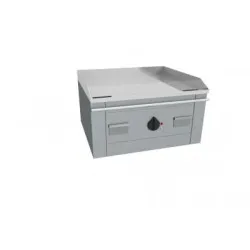
Article number: TEM1B/070E
A Japanese electrical plate provides a solid, flat cooking surface heated by steel elements mounted ..
Is available
3,769.00€
with VAT: 4,560.49€
-250x250w.webp "Teppanyaki griddle CASTA TEM1B/070G")
Article number: TEM1B/070G
A Japanese gas plate designed for precise, even heating across a chromium-plated steel cooking surfa..
Is available
4,019.00€
with VAT: 4,862.99€
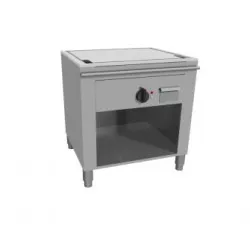
Article number: TEP1/070E
A chromium-plated steel cooking plate designed for precise, even heat across the entire surface. The..
Is available
4,089.00€
with VAT: 4,947.69€
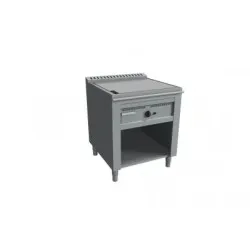
Article number: TEP1/070G
The CASTA TEP1/070G is a Japanese gas plate designed for professional kitchens. This appliance is co..
Is available
4,169.00€
with VAT: 5,044.49€
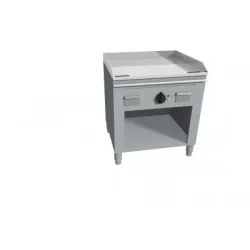
Article number: TEM1/070E
A Japanese electrical plate heats a solid chromium-plated steel surface directly with steel heating ..
Is available
4,199.00€
with VAT: 5,080.79€
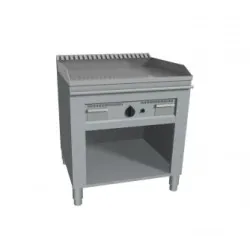
Article number: TEM1/070G
A Japanese gas plate engineered for precise, even heat distribution across a chromium-plated steel c..
Is available
4,349.00€
with VAT: 5,262.29€
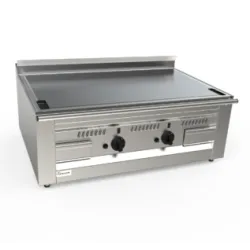
Article number: TEP2B/100G
A Japanese gas plate heats a solid chromium-plated steel surface directly with gas burners, transfer..
Is available
4,359.00€
with VAT: 5,274.39€
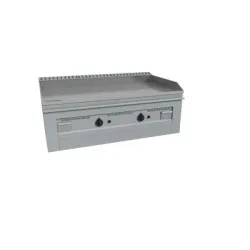
Article number: TEM2B/100G
A Japanese gas plate delivers precise, even heat across a solid cooking surface, designed for techni..
Is available
4,719.00€
with VAT: 5,709.99€
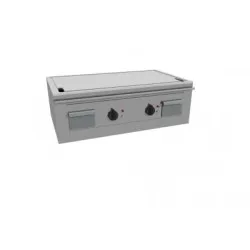
Article number: TEP2B/100E
A Japanese electrical plate provides a solid, flat cooking surface that heats evenly across its enti..
Is available
4,929.00€
with VAT: 5,964.09€
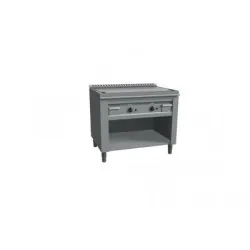
Article number: TEP2/100G
The CASTA TEP2/100G is a Japanese gas plate designed for professional kitchens, specifically suited ..
Is available
4,979.00€
with VAT: 6,024.59€
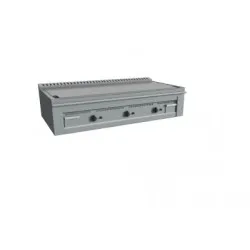
Article number: TEP3B/120G
A Japanese gas plate delivers concentrated, even heat directly to a smooth cooking surface, allowing..
Is available
5,019.00€
with VAT: 6,072.99€
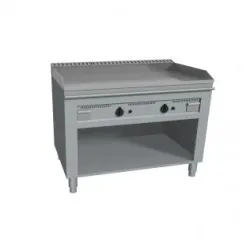
Article number: TEM2/100G
A Japanese gas plate delivers concentrated, even heat across a solid cooking surface, designed for p..
Is available
5,039.00€
with VAT: 6,097.19€
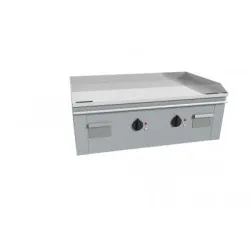
Article number: TEM2B/100E
The CASTA TEM2B/100E is a Japanese electrical plate for Teppanyaki cooking.
Steel heating elements a..
Is available
5,249.00€
with VAT: 6,351.29€
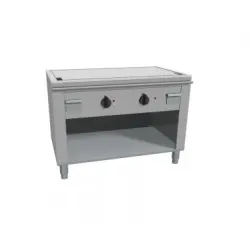
Article number: TEP2/100E
A chromium-plated steel cooking plate built for high-output Japanese-style cooking transfers heat ev..
Is available
5,249.00€
with VAT: 6,351.29€
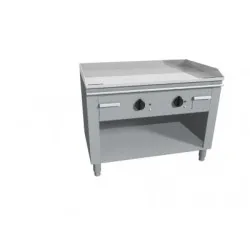
Article number: TEM2/100E
A Japanese electrical plate delivers concentrated, even heat across a thick chromium-plated steel su..
Is available
5,629.00€
with VAT: 6,811.09€
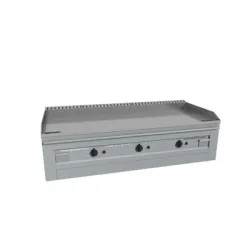
Article number: TEM3B/120G
A Japanese gas plate delivers direct, radiant heat from a solid cooking surface, concentrating energ..
Is available
5,699.00€
with VAT: 6,895.79€
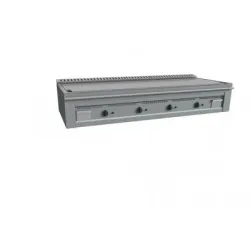
Article number: TEP4B/160G
A Japanese gas plate heats a solid chromium-plated steel cooking surface directly with gas flames, c..
Is available
5,739.00€
with VAT: 6,944.19€
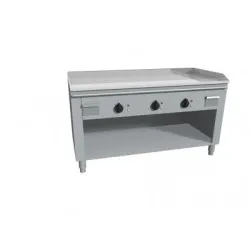
Article number: TEM3/120E
A Japanese electrical plate heats a solid chromium-plated steel surface to sear, grill or fry withou..
Is available
5,859.00€
with VAT: 7,089.39€
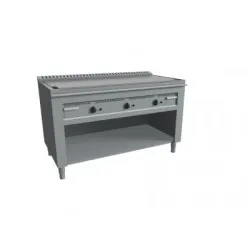
Article number: TEP3/120G
A Japanese gas plate delivers concentrated, even heat across a solid cooking surface, designed for p..
Is available
5,979.00€
with VAT: 7,234.59€
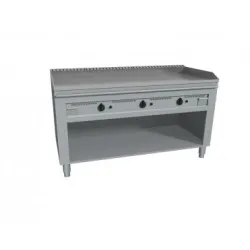
Article number: TEM3/120G
The CASTA TEM3/120G is a Japanese gas plate designed for professional use. This cooking equipment he..
Is available
6,069.00€
with VAT: 7,343.49€
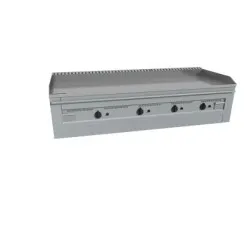
Article number: TEM4B/160G
The CASTA TEM4B/160G is a Japanese gas plate designed for professional kitchens. This appliance oper..
Is available
6,279.00€
with VAT: 7,597.59€
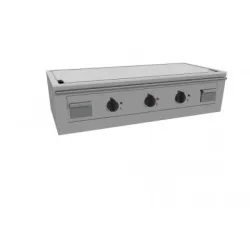
Article number: TEP3B/120E
A Japanese electrical plate transfers heat directly from steel heating elements beneath a solid chro..
Is available
6,299.00€
with VAT: 7,621.79€
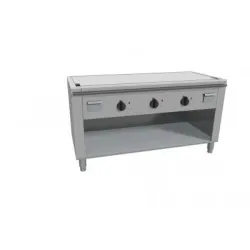
Article number: TEP3/120E
A Japanese electrical plate provides a solid, flat cooking surface heated by steel elements directly..
Is available
6,609.00€
with VAT: 7,996.89€
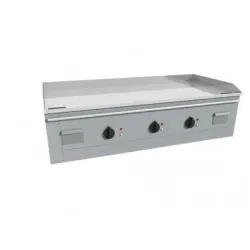
Article number: TEM3B/120E
A Japanese electrical plate built for high-volume cooking, where consistent heat and rapid response ..
Is available
6,659.00€
with VAT: 8,057.39€
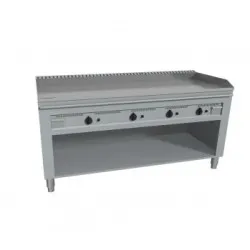
Article number: TEM4/160G
The CASTA TEM4/160G is a Japanese gas plate designed for Teppanyaki cooking.
This appliance operates..
Is available
6,709.00€
with VAT: 8,117.89€
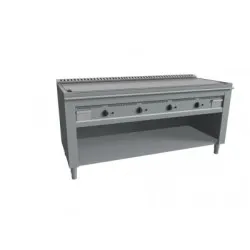
Article number: TEP4/160G
A Japanese gas plate delivers intense, even heat across a solid cooking surface, designed for rapid ..
Is available
6,709.00€
with VAT: 8,117.89€
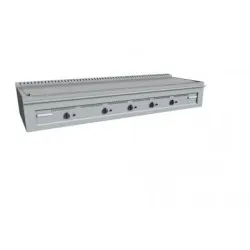
Article number: TEP5B/200G
A Japanese gas plate provides a flat, solid cooking surface heated directly by gas burners beneath. ..
Is available
6,719.00€
with VAT: 8,129.99€
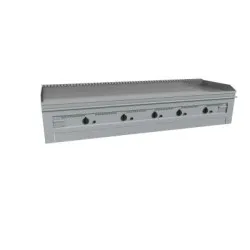
Article number: TEM5B/200G
This Japanese gas plate delivers direct heat through a solid chromium-plated steel surface, eliminat..
Is available
7,349.00€
with VAT: 8,892.29€
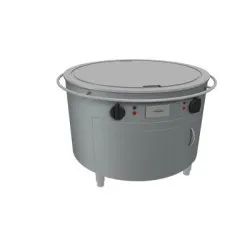
Article number: TEX4/120E
A teppanyaki cooking plate creates a flat, high-temperature surface where chefs prepare food directl..
Is available
7,639.00€
with VAT: 9,243.19€
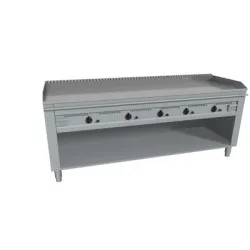
Article number: TEM5/200G
The CASTA Japanese gas plate, model TEM5/200G, is designed for specialised cooking applications.
Thi..
Is available
7,799.00€
with VAT: 9,436.79€
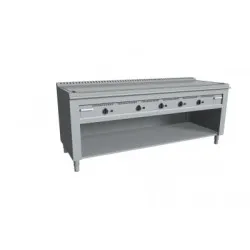
Article number: TEP5/200G
A Japanese gas plate delivers precise, even heat across a solid cooking surface, designed for techni..
Is available
7,809.00€
with VAT: 9,448.89€
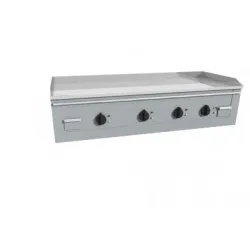
Article number: TEM4B/160E
A Japanese electrical plate provides a solid, flat cooking surface heated directly by steel elements..
Is available
7,869.00€
with VAT: 9,521.49€
Article number: TEH3/160E
A teppanyaki cooking plate creates a flat, heated surface where chefs prepare food directly in front..
Is available
7,999.00€
with VAT: 9,678.79€
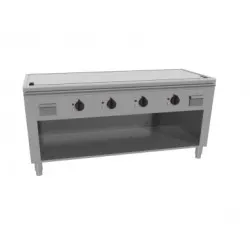
Article number: TEP4/160E
A Japanese electrical plate built for high-output cooking lines, where a single smooth chromium surf..
Is available
8,179.00€
with VAT: 9,896.59€
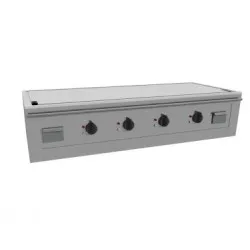
Article number: TEP4B/160E
A chromium-plated steel cooking plate engineered for professional kitchens, the CASTA TEP4B/160E del..
Is available
8,289.00€
with VAT: 10,029.69€
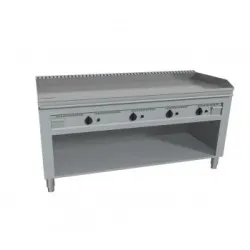
Article number: TEM4/160E
A Japanese electrical plate transfers heat directly from steel heating elements mounted beneath a th..
Is available
8,479.00€
with VAT: 10,259.59€
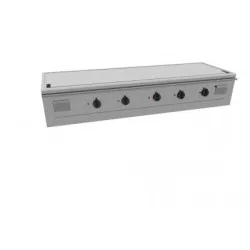
Article number: TEP5B/200E
A Japanese electrical plate heats a continuous chromium-plated steel surface from beneath, spreading..
Is available
9,869.00€
with VAT: 11,941.49€
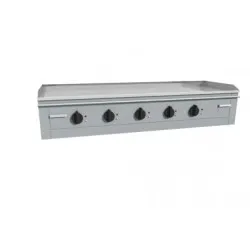
Article number: TEM5B/200E
A Japanese electrical plate transfers heat directly from steel heating elements beneath a thick chro..
Is available
10,069.00€
with VAT: 12,183.49€
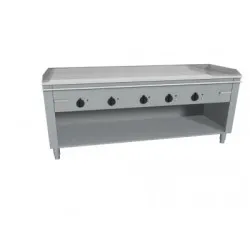
Article number: TEM5/200E
A Japanese electrical plate heats a solid chromium-plated steel surface directly with steel heating ..
Is available
10,119.00€
with VAT: 12,243.99€
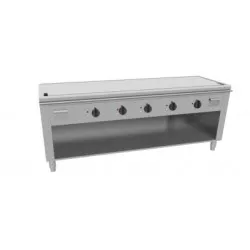
Article number: TEP5/200E
A Japanese electrical plate heats a solid chromium-plated steel surface directly with steel heating ..
Is available
10,499.00€
with VAT: 12,703.79€