

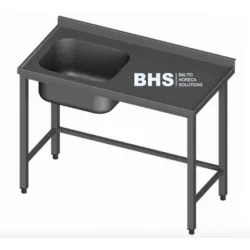
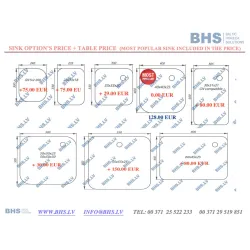
Article number: BHS-PRA10-60/60/85
A stainless steel worktop with an integrated sink unit provides a hygienic, durable surface for food..
Is available
420.00€
with VAT: 508.20€
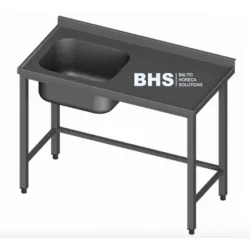
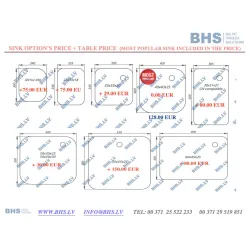
Article number: BHS-PRA10-70/60/85
A freestanding stainless steel worktop brings a dedicated food-preparation area to the professional ..
Is available
430.00€
with VAT: 520.30€
Article number: BHS-PRA10-80/60/85
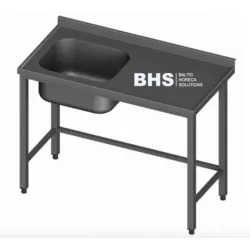
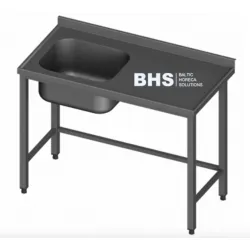
A stainless steel worktop with an integrated sink provides a dedicated space for food preparation an..
Is available
442.00€
with VAT: 534.82€
Article number: BHS-PRA10-90/60/85
A stainless steel worktable with an integrated sink provides a hygienic, durable surface for food pr..
Is available
452.00€
with VAT: 546.92€
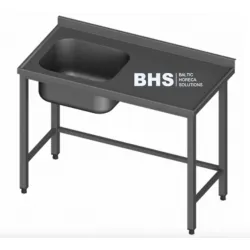
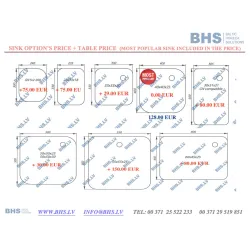
Article number: BHS-PRA10-100/60/85
This stainless-steel worktable features an inset sink for a seamless prep and wash station. The flat..
Is available
466.00€
with VAT: 563.86€
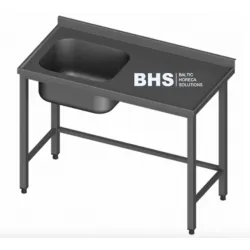
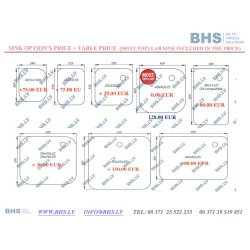
Article number: BHS-PRA10-110/60/85
A stainless steel worktable with integrated sink brings a fixed washing station directly into the fo..
Is available
476.00€
with VAT: 575.96€
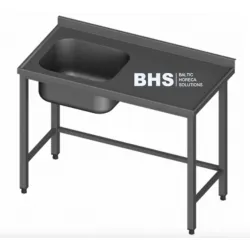
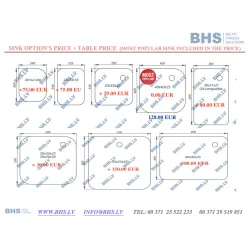
Article number: BHS-PRA10-120/60/85
A stainless steel worktop with an integrated sink provides a dedicated space for food preparation an..
Is available
486.00€
with VAT: 588.06€
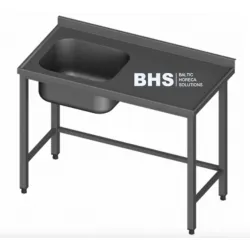
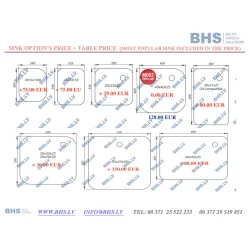
Article number: BHS-PRA10-130/60/85
A stainless-steel worktable built for professional kitchens, combining a rigid work surface with an ..
Is available
499.00€
with VAT: 603.79€
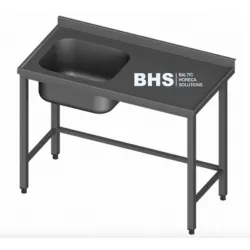
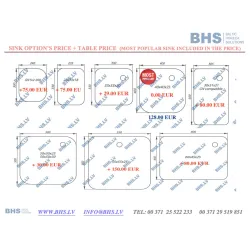
Article number: BHS-PRA10-140/60/85
A stainless steel work table with an inset sink provides a hygienic, organised surface for food prep..
Is available
509.00€
with VAT: 615.89€
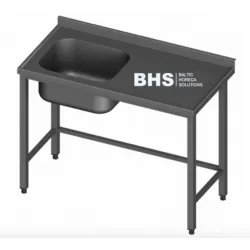
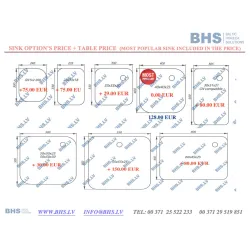
Article number: BHS-PRA10-150/60/85
A stainless steel worktable with an integrated sink provides a hygienic, durable surface for food pr..
Is available
521.00€
with VAT: 630.41€
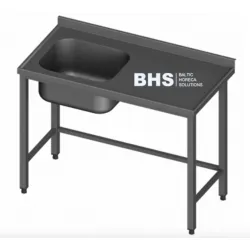
Article number: BHS-PRA10-160/60/85
A stainless steel worktop with integrated sink provides a hygienic, organised surface for food prepa..
Is available
533.00€
with VAT: 644.93€
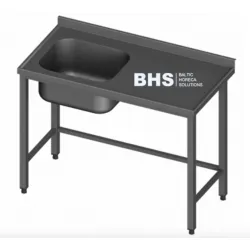
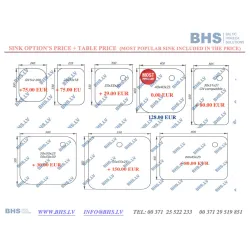
Article number: BHS-PRA10-170/60/85
A stainless steel worktable with an inset sink provides a hygienic, hard-wearing surface for food pr..
Is available
542.00€
with VAT: 655.82€
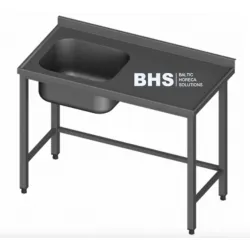
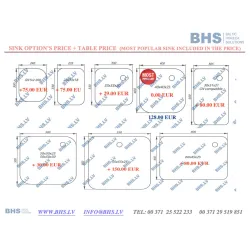
Article number: BHS-PRA10-180/60/85
A stainless-steel worktable with an inset sink provides a single, hygienic surface for food preparat..
Is available
555.00€
with VAT: 671.55€
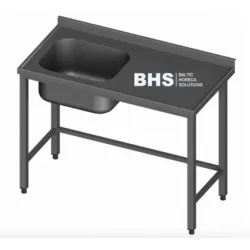
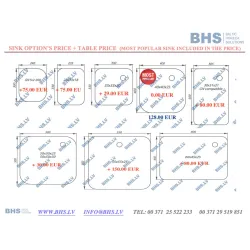
Article number: BHS-PRA10-190/60/85
A stainless steel worktable with an inset sink provides a hygienic, hard-wearing surface for food pr..
Is available
566.00€
with VAT: 684.86€
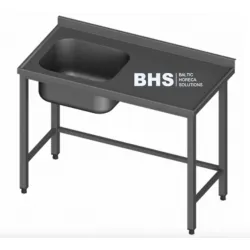
Article number: BHS-PRA10-200/60/85
This stainless-steel catering table features a continuous worktop with an integrated sink, providing..
Is available
577.00€
with VAT: 698.17€
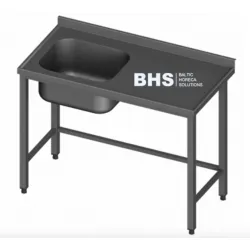
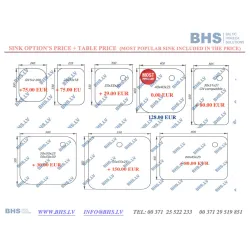
Article number: BHS-PRA10-210/60/85
A stainless steel catering table with an inset sink provides a hygienic, organised work surface for ..
Is available
673.00€
with VAT: 814.33€
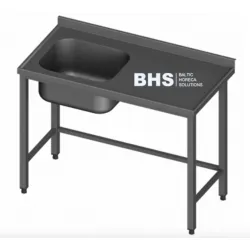
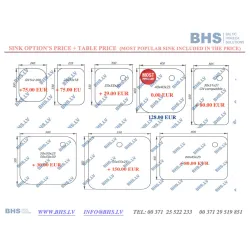
Article number: BHS-PRA10-220/60/85
A stainless steel catering table with an integral sink provides a hygienic worktop and washing stati..
Is available
685.00€
with VAT: 828.85€
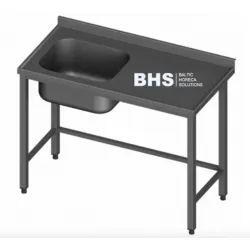
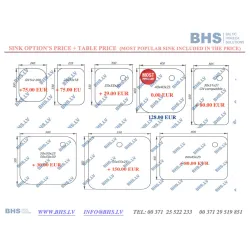
Article number: BHS-PRA10-230/60/85
A stainless steel worktable with an integral sink unit provides a hygienic, organised surface for fo..
Is available
695.00€
with VAT: 840.95€
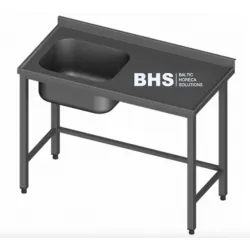
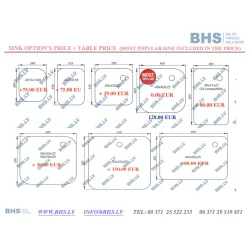
Article number: BHS-PRA10-240/60/85
A stainless steel worktable with an integral sink provides a hygienic, hard-wearing surface for food..
Is available
705.00€
with VAT: 853.05€
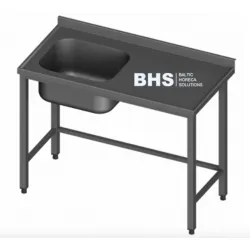
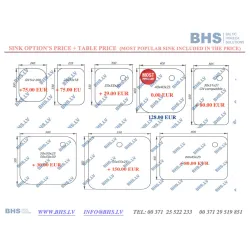
Article number: BHS-PRA10-250/60/85
A stainless-steel worktable with an integral sink provides a continuous food-safe surface for washin..
Is available
718.00€
with VAT: 868.78€
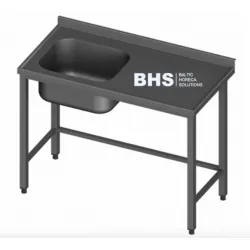
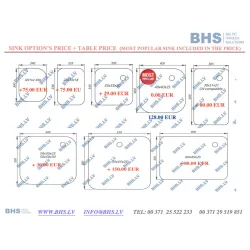
Article number: BHS-PRA10-260/60/85
A stainless steel worktop with an integral sink forms a continuous surface for food preparation, was..
Is available
729.00€
with VAT: 882.09€
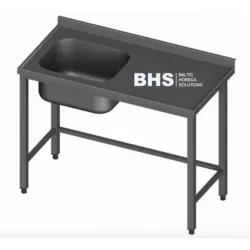
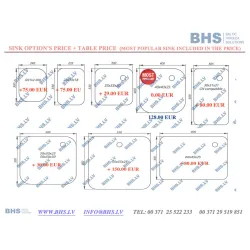
Article number: BHS-PRA10-270/60/85
A stainless steel work table with an integrated sink provides a hygienic, organised surface for food..
Is available
739.00€
with VAT: 894.19€
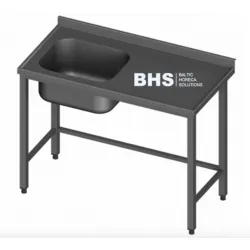
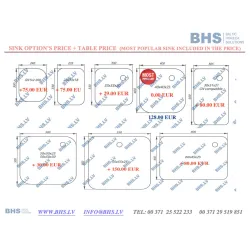
Article number: BHS-PRA10-280/60/85
A stainless steel worktable with an integrated sink provides a hygienic, durable surface for food pr..
Is available
752.00€
with VAT: 909.92€
Article number: BHS-PRA10-290/60/85
A stainless steel worktable with an integrated sink provides a hygienic, organised surface for food ..
Is available
762.00€
with VAT: 922.02€