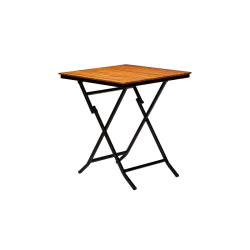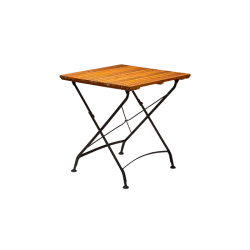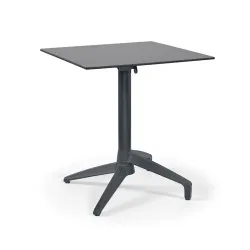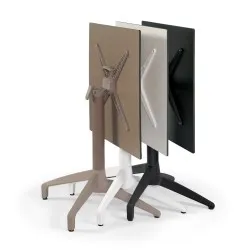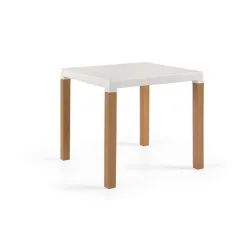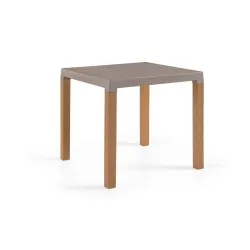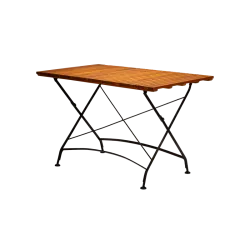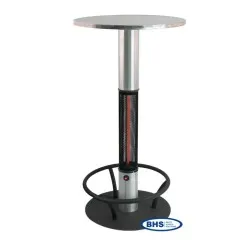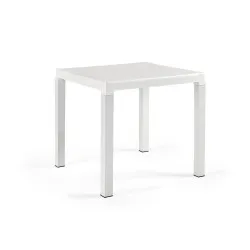
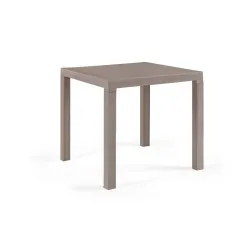
Tables for terraces are professional outdoor tables for equipping the summer terraces of restaurants, cafés and bars. A terrace table must be resistant to weather conditions — rain, UV radiation and temperature fluctuations. In this climate, the material of the terrace table is crucial — aluminium and stainless steel are the most suitable, as they are not prone to corrosion in frequent rain and high humidity. HPL or compact laminate surfaces on aluminium bases combine weather resistance with a wide range of designs. Table stability on outdoor surfaces — cobblestones, tiles or wooden planks — is important for guest safety and comfort. The most popular sizes for terraces are square tables of 60×60 or 70×70 cm, which allow efficient use of the available terrace space. BHS offers tables for terraces as part of the Furniture for Terraces range to HoReCa businesses across Europe.
See also chairs for summer terraces, table bases and table tops for open terraces. BHS helps restaurants and cafés choose tables according to terrace size, climatic requirements and establishment style.
Outdoor terrace tables differ from indoor tables in their choice of materials and construction — weather resistance is the main requirement. Properly selected terrace tables last many seasons and maintain an attractive appearance despite variable weather conditions.
Terrace table materials
Aluminium tables are the lightest and most durable for the climate — they do not rust, do not retain moisture and require minimal maintenance. An aluminium base is corrosion-resistant even in frequent rain and high humidity, which are typical of the climate. Aluminium terrace tables are also easy to move, making daily terrace configuration easier.
Stainless steel tables are heavier but very durable — more suitable for terraces with high foot traffic, where furniture stability in strong wind conditions is a priority. A steel base provides greater stability on various outdoor surfaces.
HPL or compact laminate surfaces on aluminium or steel bases combine weather resistance with a wide range of designs — from wood imitation to solid colours. This solution is available in the table tops for open terraces section. Compact laminate surfaces are thicker and more resistant to scratching and UV radiation than standard HPL surfaces.
Table sizes for terraces
For terraces with limited space, square tables 60×60 or 70×70 cm are popular, allowing more efficient use of the available space. Larger terraces can use standard 80×80 cm or rectangular tables 70×120 cm for larger groups. Round tables (diameter 70–80 cm) are convenient for two people and create a more intimate atmosphere. BHS helps choose the optimal table size according to terrace area.
Table base for outdoor conditions
The terrace table base must be resistant to rust and corrosion. Aluminium or polished steel bases are the most suitable. Adjustable leg feet allow the table to be adapted to uneven outdoor surfaces — paving stones, wooden planks or tiles. Central support bases with a large lower base provide stability without restricting legroom for guests.
Seasonality and storage
The terrace season lasts approximately from May to September. Lightweight aluminium tables make the storage process easier at the end of the season.
Design and terrace aesthetics
The stylistic harmony of terrace tables and chairs creates a uniform visual image. See also chairs for summer terraces to create a coordinated terrace interior. Restaurants with terraces often use tables and chairs from the same collection, ensuring a harmonious look and strengthening the establishment’s brand.
Cleaning and maintenance
Terrace tables must be cleaned regularly, as they accumulate dust, pollen and other pollutants outdoors. Aluminium and HPL surfaces are easy to clean with a damp cloth or pressure washer. At the end of the season, it is recommended to perform a thorough cleaning before storage to protect the material and extend its service life.
Planning the number of terrace tables
The number of terrace tables depends on the total terrace area and the planned number of seats. For efficient use of space, it is recommended to leave a minimum of 90 cm between tables for staff movement. Square tables 60×60 cm are optimal for small terraces, while 70×70 or 80×80 cm tables provide greater comfort. On large terraces with 50–100 seats, table configuration is important for both maximum capacity and guest experience. BHS helps plan the terrace table layout and calculate the optimal number of seats.
Preparing the terrace for the season
The terrace season begins in May — it is important that the equipment is ready for the first warm days. The purchase and delivery of terrace tables should be planned in advance, as demand for outdoor furniture increases in spring. Restaurants and cafés that prepare their terrace on time can start profiting from outdoor seating from the first warm days.
Frequently asked questions
Which material is the most durable for terraces?
Aluminium — lightweight, rust-resistant and requires minimal maintenance. BHS helps choose the most suitable option.
Should terrace tables be stored in winter?
Storage is recommended to extend service life. BHS provides advice on storage solutions.
Why choose BHS?
BHS – Baltic HoReCa Solutions supplies professional equipment for restaurants, cafés, hotels and canteens: more than 20,000 products from many manufacturers. Our specialists help you choose the right equipment and spare parts for your kitchen or bar.
Delivery
We deliver across the European Union. Delivery time and cost depend on the order volume and destination — contact the BHS team for an exact price and lead time.