

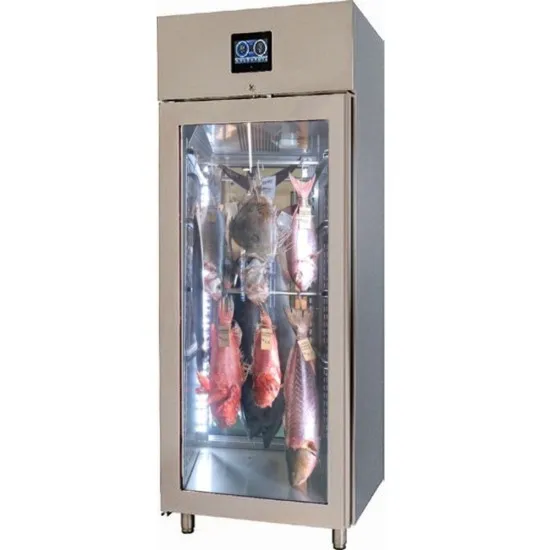
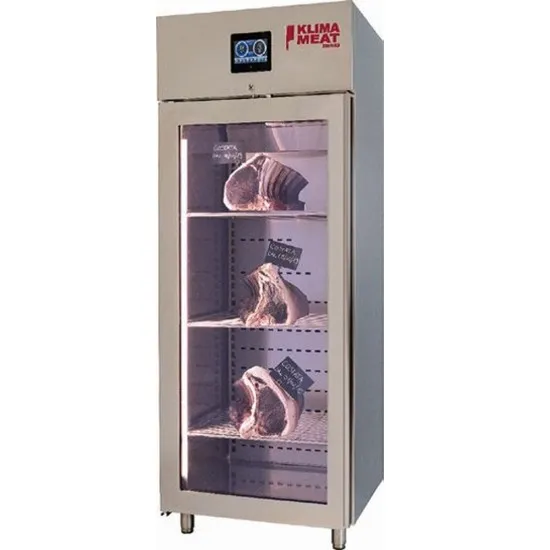
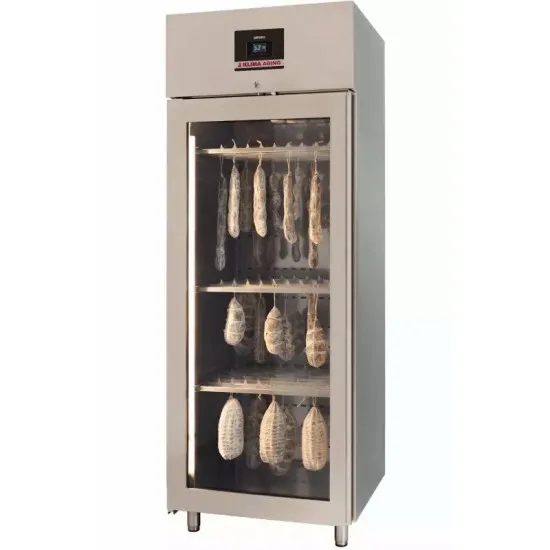
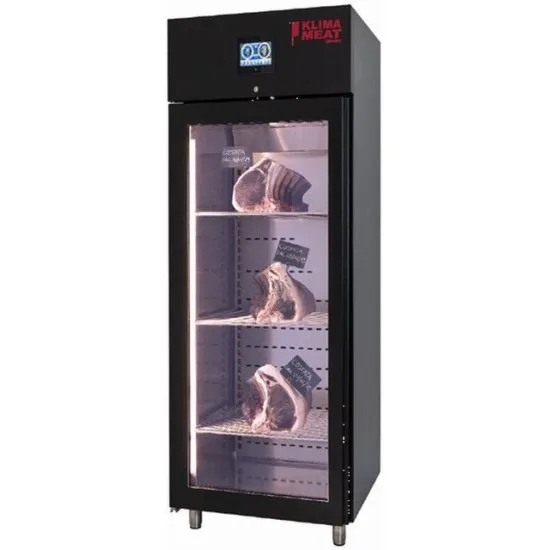
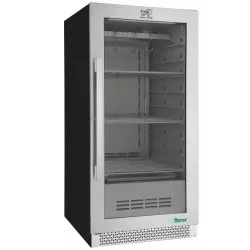
Article number: G-GDMA120
A dry-ager creates the precise environment meat needs to develop flavour and tenderness over days or..
Is available
2,299.00€
with VAT: 2,781.79€
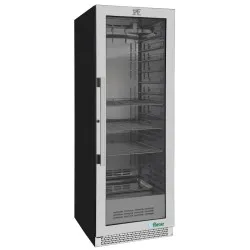
Article number: G-GDMA180
The FORCAR G-GDMA180 is a dedicated appliance for maturing meat. The interior is lined with anti-bac..
Is available
2,569.00€
with VAT: 3,108.49€
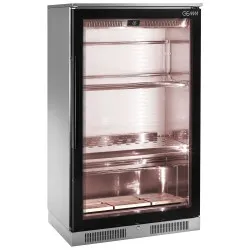
Article number: 60002070
A refrigerated display cabinet keeps chilled food and drink visible while maintaining safe storage t..
Is available
2,679.00€
with VAT: 3,241.59€
Article number: 60002030
A dry aging refrigerated display cabinet maintains meat at a controlled low temperature while circul..
Is available
2,839.00€
with VAT: 3,435.19€
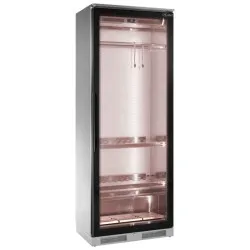
Article number: 60002080
The GEMM SF5/121 is a refrigerated display unit designed for the storage and presentation of food pr..
Is available
3,299.00€
with VAT: 3,991.79€
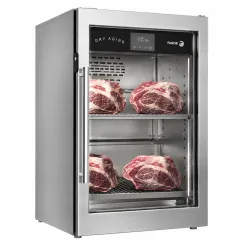
Article number: 19115421
A dry aging cabinet creates the steady, cool and humid environment meat needs to mature without dryi..
Is available
3,399.00€
with VAT: 4,112.79€
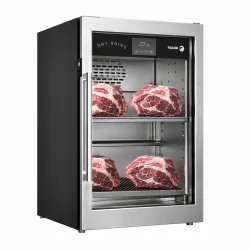
Article number: 19115422
A dry ageing cabinet creates the steady, low-temperature environment meat needs to develop flavour a..
Is available
3,469.00€
with VAT: 4,197.49€
Article number: 60002040
A dry aging cabinet creates the controlled environment meat needs to mature while losing moisture at..
Is available
3,599.00€
with VAT: 4,354.79€
-250x250.webp "Salami and cheese drying cabinet GEMM 60002085")
Article number: 60002085
A refrigerated display cabinet keeps chilled food and drinks visible to customers while maintaining ..
Is available
3,789.00€
with VAT: 4,584.69€
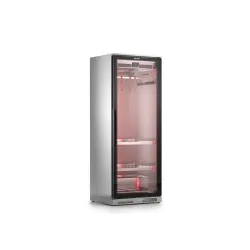
Article number: 60002045
The GEMM DA7/121 is a dry aging type refrigerated display cabinet designed for the maturing of meat...
Is available
4,099.00€
with VAT: 4,959.79€
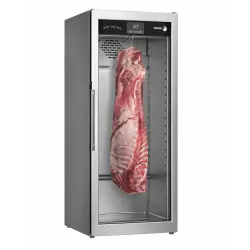
Article number: 19115389
A dry ageing cabinet creates the exact conditions meat needs to mature: steady low temperature, cont..
Is available
4,589.00€
with VAT: 5,552.69€
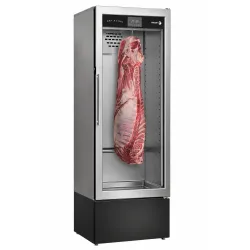
Article number: 19115391
This dry ageing cabinet provides the controlled environment necessary for meat to mature safely whil..
Is available
4,799.00€
with VAT: 5,806.79€
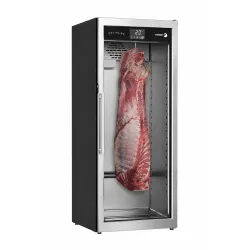
Article number: 19115390
A dry aging cabinet creates the controlled environment meat needs to develop flavour and tenderness ..
Is available
5,079.00€
with VAT: 6,145.59€
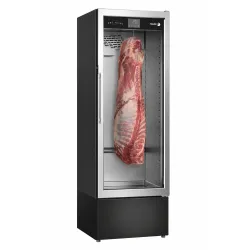
Article number: 19115392
A dry aging cabinet creates the precise environment meat needs to mature evenly and develop depth of..
Is available
5,179.00€
with VAT: 6,266.59€
Showing 1 to 14 of 14 (1 Pages)